



French Bronze Artwork
French bronze artwork brings home nineteenth-century foundry skill, capturing figures, myth and movement in heavy patinated metal.
French Bronze Artwork
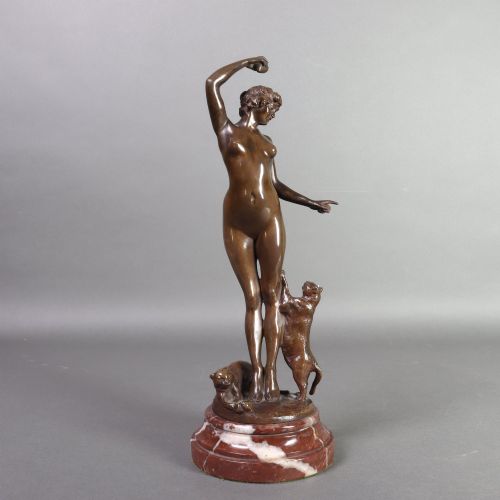
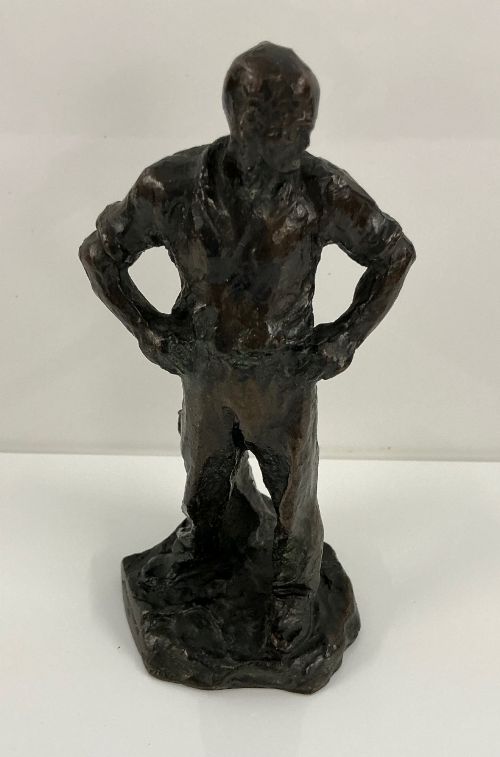
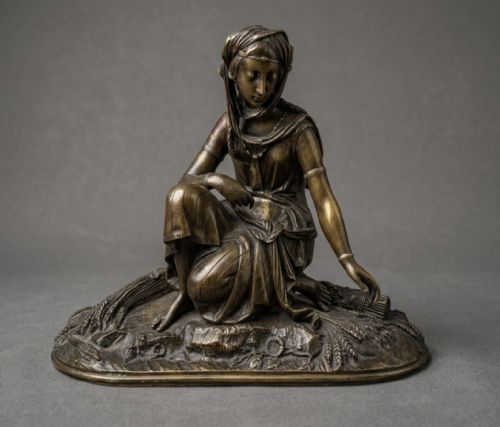
French bronze artwork encompasses nineteenth-century foundry castings, figural groups and portraiture. Buyers encounter patinated metal figures depicting classical deities, literary characters and romantic allegories.
The selection on this page centres on sculptures cast in bronze, frequently mounted on marble or onyx bases. Pieces range from small cabinet figures to large exhibition statuary.
How they were made
Foundries utilised the lost-wax technique or sand-casting methods to create these metal sculptures. Molten bronze poured into moulds produced detailed figures that received hand-chased surface work and chemical patination.
Many works combine cast bronze with carved marble plinths or wood bases. Some listed items include oil paint applied to board beneath textured prints, though solid metal castings dominate the category.
French Bronze Artwork Retail Price Guide 2026
Typical asking prices for french bronze artwork among the pieces listed under this phrase on Sellingantiques today, from the lower quarter to the upper quarter. They describe what is for sale here now, not the wider market.
Listings feature nineteen-century French bronze sculptures alongside painted textured prints on board from the mid-twentieth century.
What varies in quality
The proportion of the figure and the stability of the mount separate standard foundry production from superior artist-signed works. Heavier bronze gauge and careful patination indicate higher workshop standards.
Jules Dalou·Emile Louis Picault·Auguste Moreau·Charles Arthur Bourgeois·Lucien Madrassi·Eugene Laurent·P. Sega·Erich Mercker
The French Bronze Artwork Glossary
- Patina
- The chemical colouration applied to the surface of the bronze. This finish protects the metal and provides shades ranging from deep brown to golden green.
- Casting
- The process of pouring molten metal into a mould to form a statue. Foundries used sand or wax methods to achieve complex shapes.
- Chasing
- The manual refinement of a raw bronze casting using small chisels and hammers. This step sharpens details and removes mould seams.
- Plinth
- The solid base supporting a sculpture, commonly fashioned from marble, onyx or wood. It elevates the metalwork and balances the weight of the figure.
French Bronze Artwork: Frequently Asked Questions
How do I clean a bronze sculpture?
Dust the surface regularly with a soft dry brush to prevent grit accumulation.
Avoid using water, soap or metal polishes that strip the chemical patina from the metal.
What periods do these sculptures date from?
The pieces span the nineteenth century, including Victorian examples and later twentieth-century Art Deco interpretations.
Dates align with active foundry periods and the working years of listed sculptors.
Are these pieces solid bronze?
Most sculptures consist of cast bronze metal mounted on separate stone or wooden bases.
Foundries used heavy metal alloys to ensure durability and realistic weight distribution.
Why do some bronzes have different colours?
Foundries applied chemical treatments called patinas to alter the surface colour of the raw metal.
Dark brown, greenish and black finishes highlight anatomical details and create visual depth.