


Academic Style Sculpture
Academic style sculpture brings classical discipline and precise portraiture into your rooms, drawing on centuries of rigorous studio training.
Academic Style Sculpture
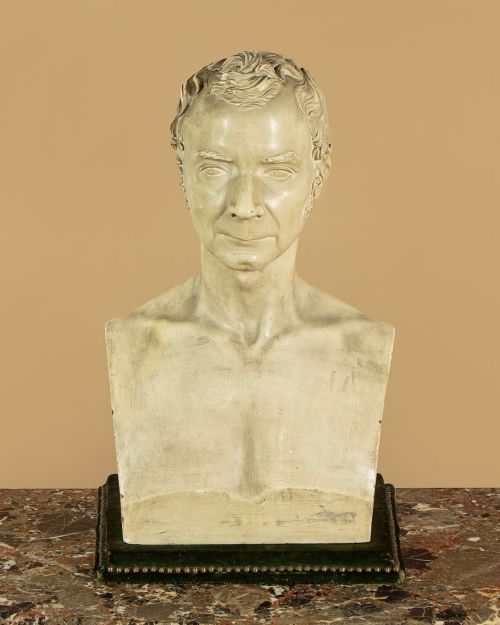
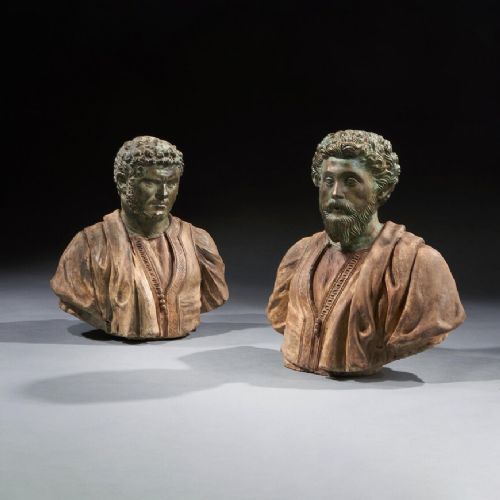
Academic style sculpture represents traditional, highly trained studio output, often emerging from nineteenth century French and Victorian academic realism. When you search for academic style sculpture, you encounter finely modelled figures, historical portraits, and allegorical subjects rooted in classical revival and neoclassical traditions.
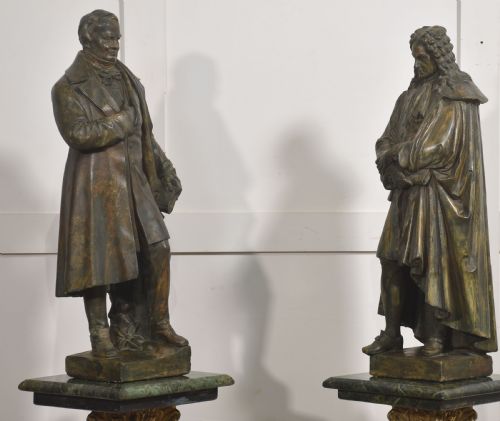
The pieces on this page span from the mid nineteenth century into the early twentieth century, taking the form of portrait busts, mythological figures, and decorative table lamps. You find subjects ranging from Roman Caesars and classical deities to everyday gentlemen and symbolic allegories.
Makers working within this tradition adhered strictly to established anatomical standards and narrative detail, whether rendering mythological heroes or historical rulers. Collectors select these works for their scholarly approach to form and their distinct presence in a study or drawing room.
Materials and Methods
Foundries and studios utilised cast bronze with dark or verdigris patina, alongside carved marble, moulded plaster, terracotta, chalkware, and painted pigment. Metal pieces often display careful chasing and patination to articulate garments, hair, and muscular definition.
Plaster and chalkware versions allowed studios to distribute accessible casts of famous works, such as details from Renaissance masterworks, finished with surface pigments to simulate stone or metal.
Michelangelo's eye of David appears here in plaster, proving that even Renaissance genius gets a very close-up crop.
Assessing Quality
The sophistication of the patination and the weight of the material distinguish ambitious foundry productions from commercial decorative objects. A well executed bronze or plaster reveals the hand of a skilled sculptor or a reputable founder through balanced proportions and convincing textures.
Emile Louis Picault·Charles Arthur Bourgeois·Louis Ernest Barrias
The Academic Style Sculpture Glossary
- Patina
- The surface coloration and sheen developed naturally over time or applied chemically to bronze and other metals. A dark patina often highlights the contours of a cast figure.
- Chasing
- The manual finishing of a metal casting with chisels and punches to refine details and remove surface flaws. This step separates standard foundry work from high art.
- Terracotta
- Fired unglazed clay used for sculptural models and finished figures. It offers a warm, earthy tone favored in academic portraiture.
- Chalkware
- A moulded material made of plaster or gypsum, painted to imitate more expensive media like bronze or marble. It provided affordable academic sculpture for nineteenth century interiors.
- Neoclassical
- An artistic movement drawing inspiration from the art and culture of classical antiquity. It prioritises order, symmetry, and heroic subject matter.
Academic Style Sculpture: Frequently Asked Questions
How do I identify a nineteenth century academic bronze?
Look for foundry stamps, signatures in the metal base, and a rich dark or verdigris patina. These indicators point to the rigorous production standards of the period.
Examine the crispness of the chasing and the naturalistic handling of the musculature and drapery. Academic pieces follow strict classical proportions distinct from later modernist experiments.
Where should I place a plaster bust at home?
Display plaster busts on sturdy mantels, bookcases, or dedicated pedestals away from direct sunlight and damp conditions. Plaster absorbs moisture and benefits from stable indoor environments.
Pairing a white or pigmented plaster bust against a dark wall highlights its sculptural contours. Ensure the support is secure, as these pieces carry considerable weight.
What is the difference between bronze and spelter sculptures?
Bronze is a durable copper alloy capable of holding fine chisel work and complex patinas. Spelter, a zinc alloy often found in later decorative lamps and figures, is softer and lighter.
Underneath the surface finish, spelter displays a silvery grey metal when scratched, whereas bronze reveals a golden brown hue. Bronze commanded higher prices and was favored for major academic salon pieces.
How do I clean an antique patinated bronze sculpture?
Dust the surface gently with a soft, dry brush to remove settled particles. Avoid using water, soap, or chemical polishes, which can strip the historical patina.
Applying a microcrystalline wax very sparingly helps protect the metal from atmospheric moisture. Consult a professional restorer if the surface shows active corrosion.