



Bronze Statuette Boy
A bronze statuette boy captures youthful energy in metal, ranging from French academic realism to Art Deco utility.
Bronze Statuette Boy
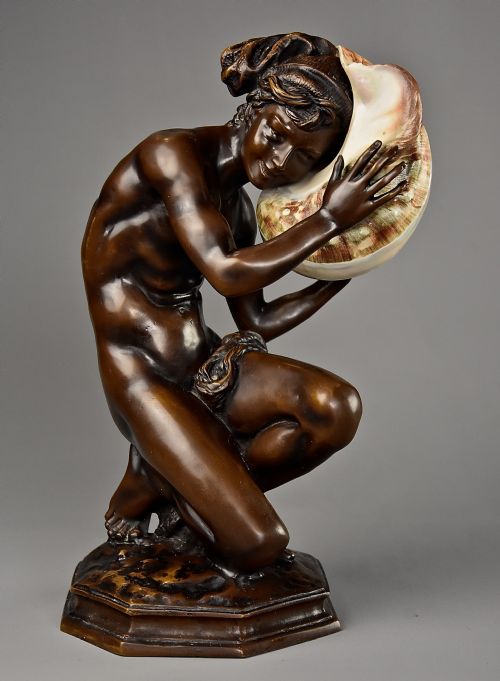
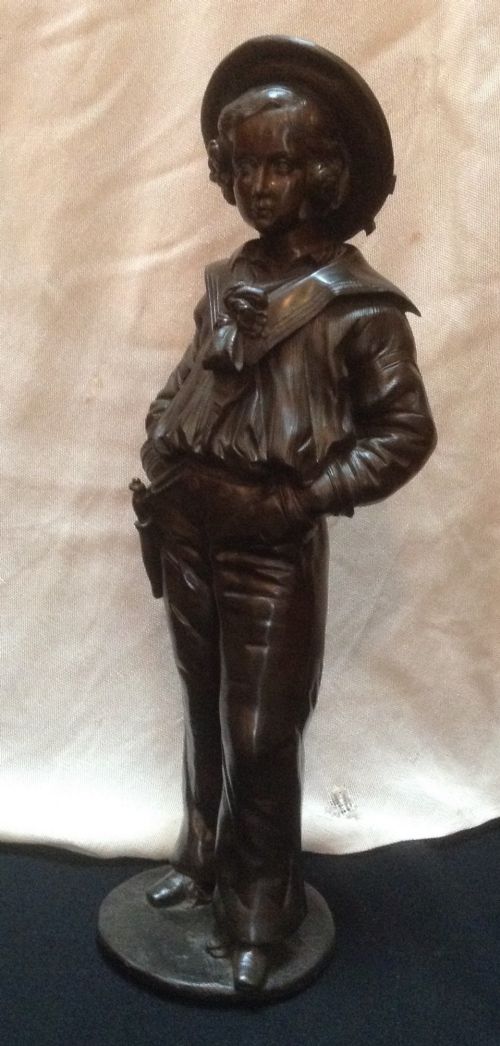
A bronze statuette boy depicts children and youths in cast metal, frequently mounted on heavy stone bases such as marble or onyx. These sculptures span the nineteenth century and the early twentieth century, taking forms from naturalistic Fisherboys to Art Deco golfers and table lighters.
The versions most commonly met on this page include nineteenth-century French academic figures and Vienna bronze pieces, alongside later Art Deco designs utilising spelter and patinated bronze. Subjects range from classical literary figures and street urchins to sporting youths.
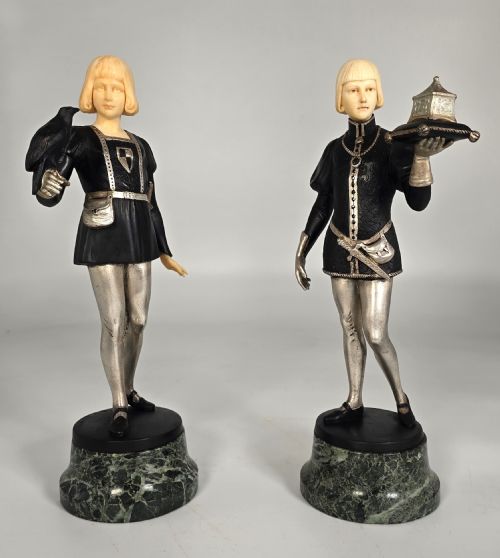
Makers and sculptors often drew inspiration from daily life and exotic travels, producing realistic studies of snake charmers, falconers, and schoolboys. Collectors find these works represented in both standalone sculptures and functional items.
Materials and casting methods
Foundries utilised traditional lost-wax or sand-casting techniques to shape bronze and spelter, achieving detailed musculature and textured clothing. Patination was applied chemically to produce varied brown and dark tones across the metal surface.
Composite pieces frequently combined cast bronze with carved ivory, or mounted metal figures directly onto polished marble and onyx plinths. Cold-painted finishes introduced vivid polychrome colour to specific Vienna bronze works.
Lobsters and golf clubs occasionally join the young subjects, proving that nineteenth and twentieth-century boys enjoyed remarkably diverse hobbies.
Distinguishing quality in figures
The sharpness of the cast and the precision of the chasing separate superior examples from softer, commercial productions. Skilled finishing preserves fine details in hair, clothing, and facial expressions after the casting process.
The integration of the figure with its base indicates overall standard, particularly in multi-material pieces combining bronze with ivory or stone. Signed works by documented sculptors typically exhibit more refined proportions and careful patination.
Jean-Baptiste Carpeaux·Julien Lorieux·Gotthilf Jaeger·Carl Kauba·Auguste Moreau·Lorenzl·Emile Victor Blavier·Eugene Laurent
The Bronze Statuette Boy Glossary
- Patinated bronze
- Bronze treated with chemical solutions to alter the surface colour, producing rich brown, green, or dark tones. This layer protects the metal while enhancing visual depth.
- Vienna bronze
- Small, cold-painted bronze figures produced in Austrian workshops during the late nineteenth and early twentieth centuries. These pieces were hand-painted with naturalistic polychrome pigments.
- Spelter
- A zinc alloy commonly utilised as a less expensive alternative to bronze during the Art Deco period. It accepts metallic finishes well but possesses a lighter weight.
- Lost-wax casting
- A historic method of creating metal sculptures from an original model encased in wax and mould material. Molten bronze replaces the melted wax to form the final hollow piece.
- Cold-painted
- A method where enamel or oil paint is applied to a metal object without subsequent high-temperature firing. This technique appears frequently on Vienna bronze statuettes.
Bronze Statuette Boy: Frequently Asked Questions
How do I date a bronze statuette boy?
Dating relies on stylistic markers such as nineteenth-century academic realism versus 1930s Art Deco geometry. Foundry marks, signatures, and associated materials like onyx bases also assist in determining the period.
Changes in patination techniques and casting quality provide further clues to the age of the sculpture. Comparing the subject matter to known dated works by recorded sculptors helps narrow the timeframe.
What is the difference between bronze and spelter?
Bronze is a durable copper and tin alloy capable of holding sharp cast details and significant weight. Spelter is a softer zinc-based metal that was frequently utilised for decorative figures during the Art Deco era.
Spelter is lighter than bronze and is often identified by its distinct grey metal showing beneath worn surface finishes. Many period pieces combined spelter figures with contrasting marble or onyx bases.
Where should I display these figures at home?
These statuettes suit placement on desks, mantelpieces, or dedicated display cabinets where their details remain visible. Stable surfaces away from direct heat sources protect mixed-material elements like ivory and stone.
Table lighters and smaller figurines function well as decorative objects on bookshelf surfaces or side tables. Positioning them with adequate lighting highlights the patination and texture of the cast metal.
Why are some figures signed?
Signatures or foundry marks indicate that a professional sculptor or workshop designed the original model for commercial or artistic production. Signed works often reflect higher standards of design and finishing.
Foundry stamps provide information about where and when the cast was executed. Unsigned pieces, however, remain common and represent the broader output of period foundries.