




French Bronze Animal Figure
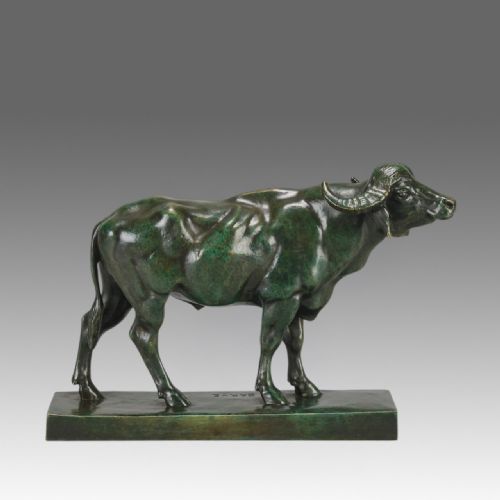
A french bronze animal figure brings the muscular tension and character of wildlife into interior spaces through nineteenth and twentieth century casting traditions.
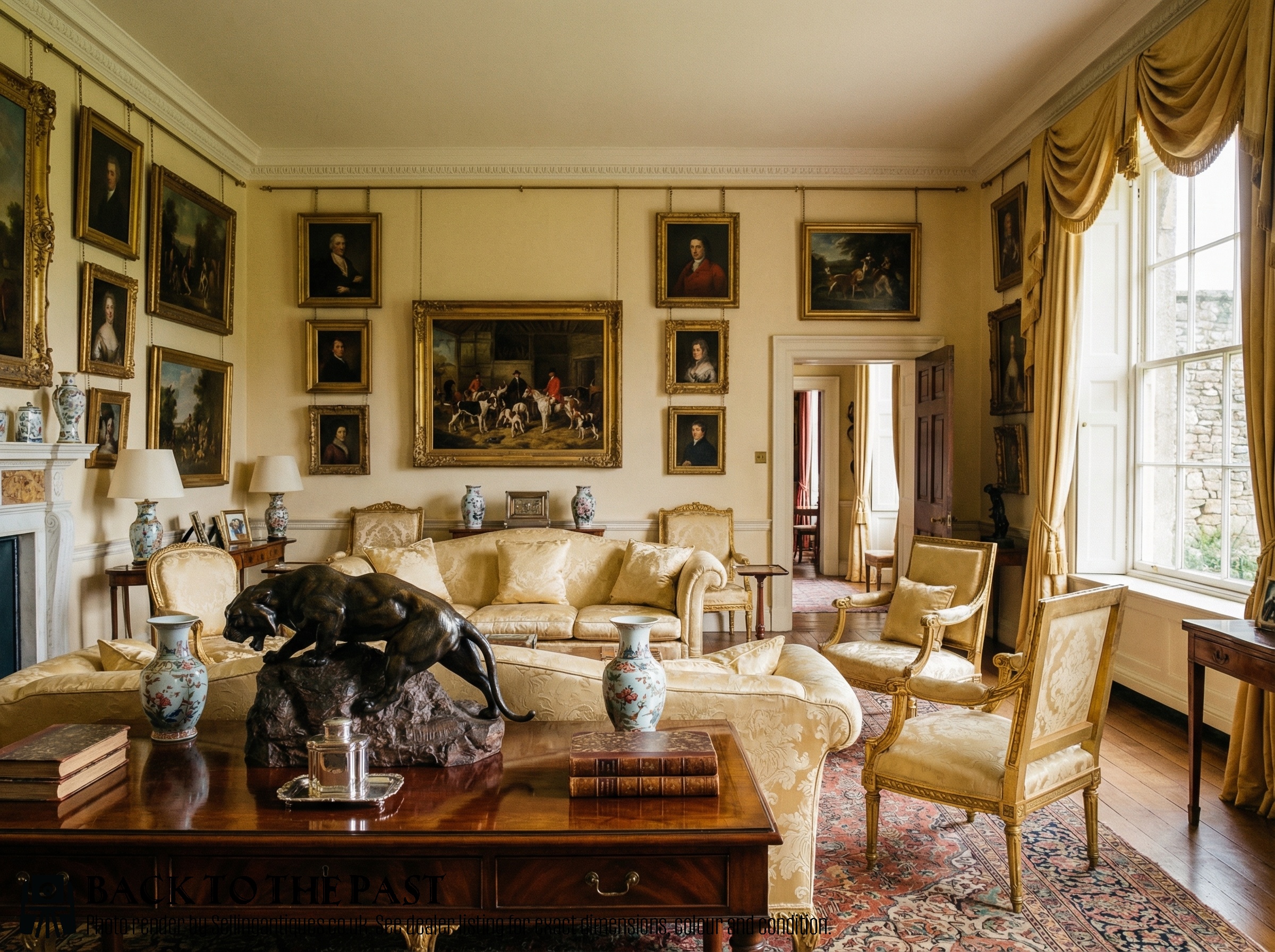
French Bronze Animal Figure
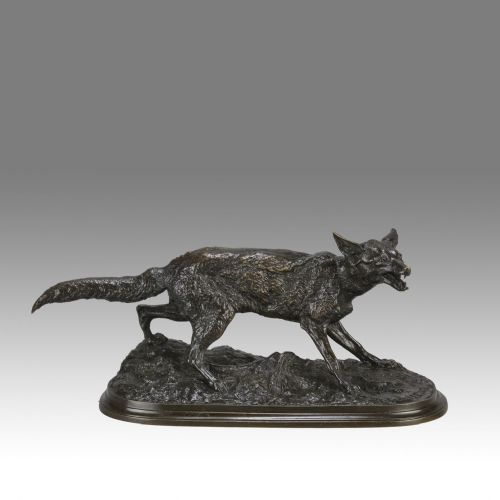
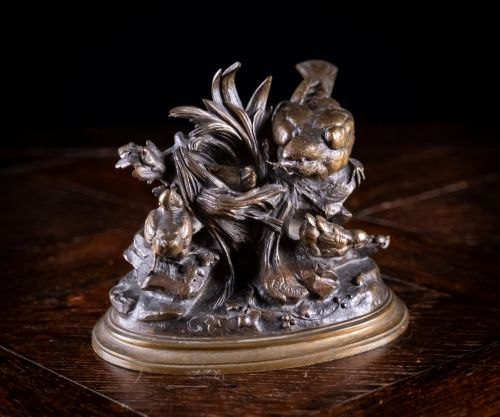
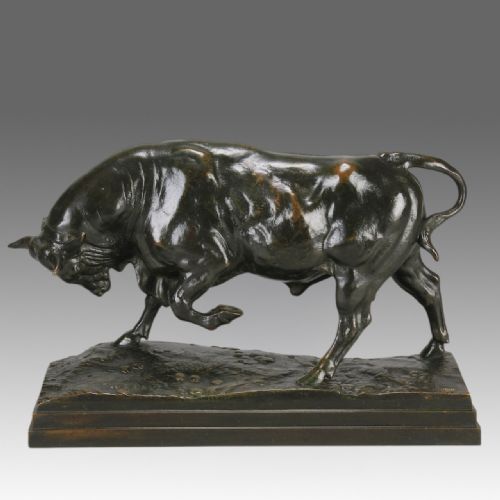
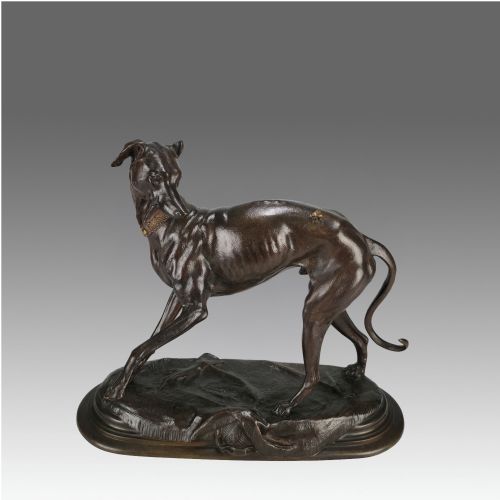
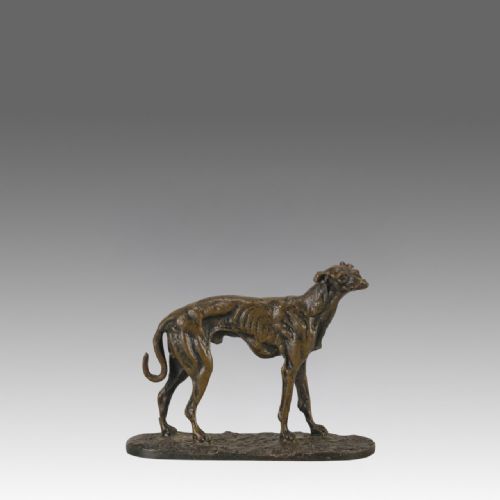
When a buyer searches for a french bronze animal figure, they encounter sculptural studies of domestic dogs, birds of prey, and wild predators cast during the nineteenth and early twentieth centuries. These works stem from the Animalier movement, which focused on accurate anatomical observation of animals in natural or dramatic postures. Most examples emerge from French foundries, taking the form of standalone desk ornaments, heavy bookends, or mounted figures on stone plinths.
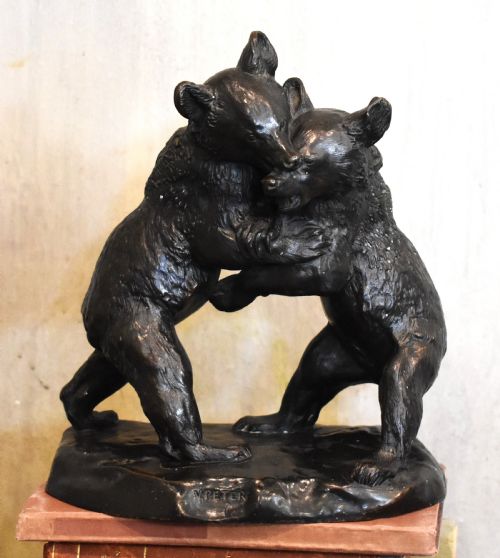
The objects span from mid nineteenth century romantic realism to stylized Art Deco iterations produced around nineteen thirty. Common subjects range from hunting hounds and game birds to exotic tigers, panthers, and bears interacting with their environment. Alongside solid bronze castings, buyers frequently encounter pieces utilising spelter with applied patination, often mounted on marble or onyx bases.
How they were made
Foundries produced these works primarily through the lost wax casting method or sand casting, allowing artisans to capture fine textures like fur, feathers, and muscular sinew. Molten alloy poured into moulds was subsequently finished by hand with chisels and files to sharpen anatomical details before chemical patination was applied. Surfaces received dark patinas, gilt bronze finishes, or painted coatings to simulate natural tones and age the metal.
Many figures integrate heavy natural stone components, anchoring the metallic animal forms securely to marble or onyx bases. These supportive plinths appear in polished rectangular blocks or shaped platforms that complement the dynamic posture of the subject. In later twentieth century production, spelter replaced bronze in numerous decorative bookends and animal groups while retaining similar patination techniques.
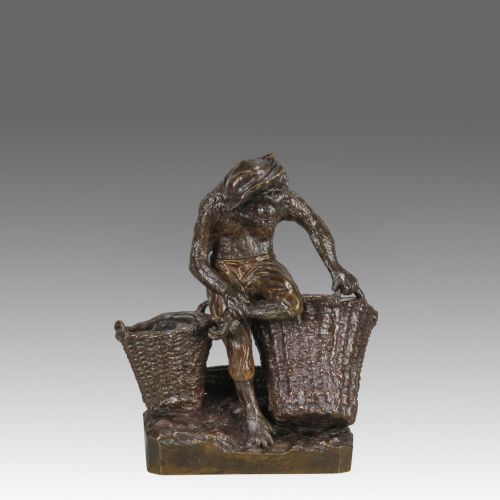
Several sculptors turned their observant eyes toward unexpected household visitors, casting dapper bears dressed as dentists alongside athletic greyhounds and sporting dogs.
What varies in quality
Mounting materials also separate categories, with dense carved marble and onyx bases providing stability and weight compared to lighter supports. Signed works associated with prominent nineteenth century sculptors demonstrate superior proportions and anatomical accuracy that distinguish them from anonymous decorative castings.
P J Mêne·Antoine Louis Barye·Christophe Fratin·Alfred Dubucand·Isidore Jules Bonheur·Clovis Masson·Paul Édouard Delabrièrre
The French Bronze Animal Figure Glossary
- Animalier
- A nineteenth century artistic movement dedicated to the realistic sculpture of animals. Practitioners studied subjects closely in menageries and natural habitats.
- Patina
- The surface coloration and sheen developed on bronze through chemical treatment or natural oxidation. This finish accentuates texture and protects the metal underneath.
- Spelter
- A zinc alloy frequently utilised as a less expensive alternative to bronze for decorative figures and bookends. It often received copper or dark patination to mimic bronze.
- Cire perdue
- The lost wax casting technique used to create detailed metal sculptures from an original model encased in wax and investment material.
- Plinth
- A heavy base, typically formed from marble or onyx, supporting the bronze figure. It provides structural balance and elevates the sculpture.
French Bronze Animal Figure: Frequently Asked Questions
What is an animalier sculpture?
An animalier sculpture is a nineteenth century artistic work focused on accurate anatomical representations of wild and domestic animals. These pieces capture creatures in motion, repose, or dramatic encounters.
Artists studied subjects extensively in zoos and natural settings to translate muscular tension and texture into cast bronze or spelter.
Are these figures solid bronze?
Many examples are cast in solid bronze, though material composition varies across the production periods represented in these listings. Some decorative items and bookends utilise spelter with a patinated finish.
Bases frequently incorporate heavy stone elements such as marble or onyx to anchor the metallic animal figures securely.
How should I clean a bronze figure?
Cleaning requires only gentle dusting with a soft, dry cloth to prevent accumulation on textured surfaces. Avoid abrasive cleaners or liquids that can strip the chemical patina.
Preserving the original surface finish maintains the historic character and visual depth of the metal work.
When were these animal figures made?
The listed pieces date primarily from the mid nineteenth century through to nineteen thirty. This span covers the height of the French Animalier movement and later Art Deco design periods.
Stylistic shifts move from romantic nineteenth century realism toward streamlined geometric forms in the twentieth century.