

French Brass Gallery Table
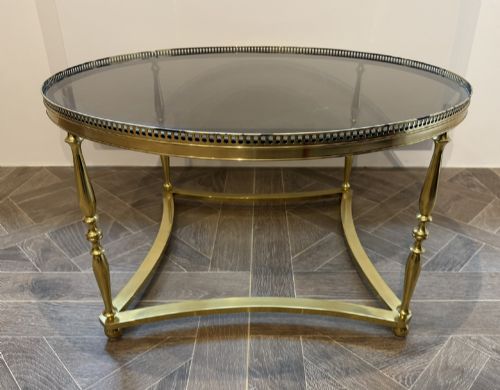
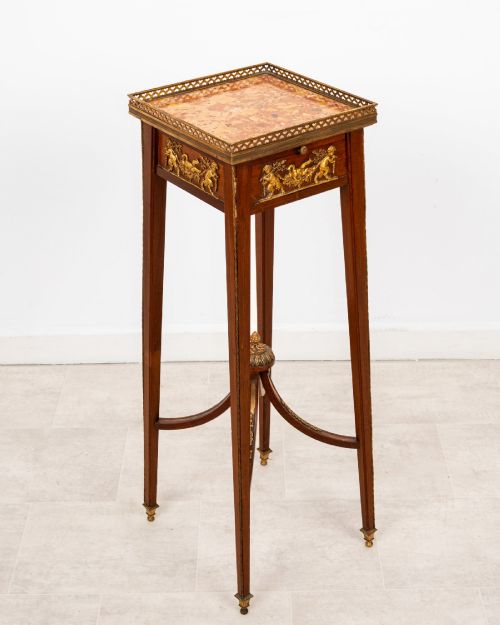
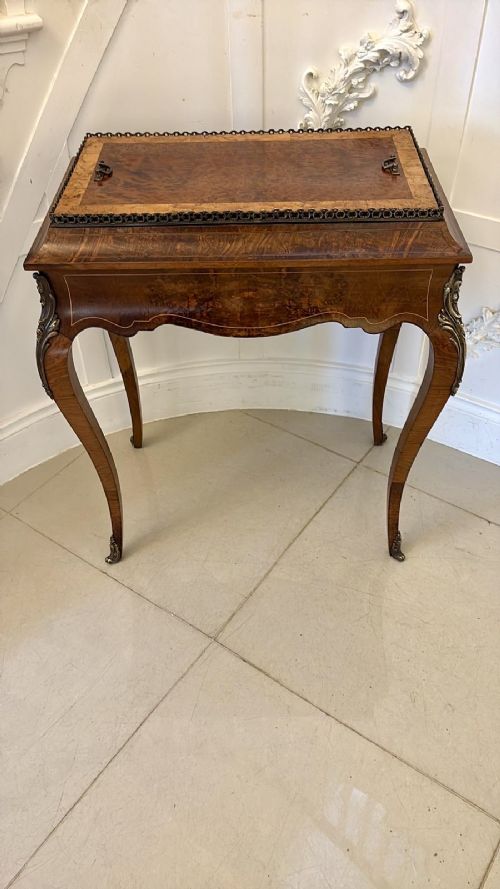
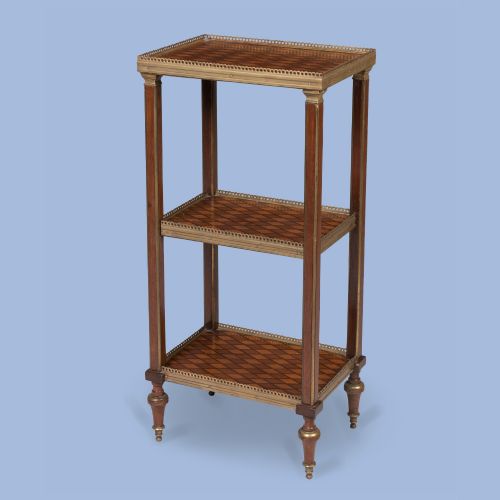
A french brass gallery table brings continental refinement to a room through pierced metal borders and marble surfaces.
French Brass Gallery Table
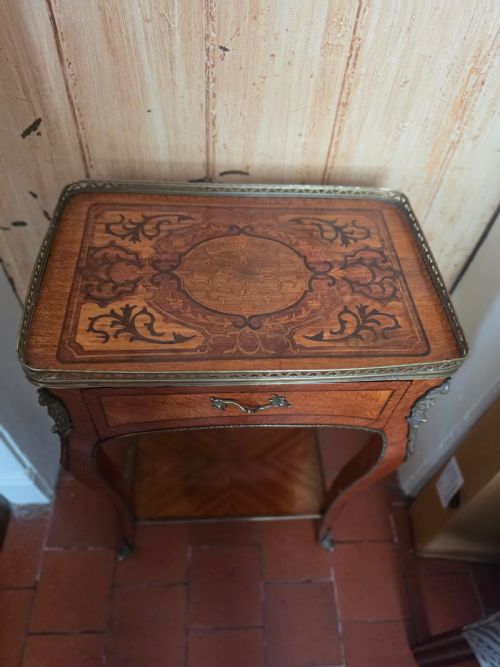
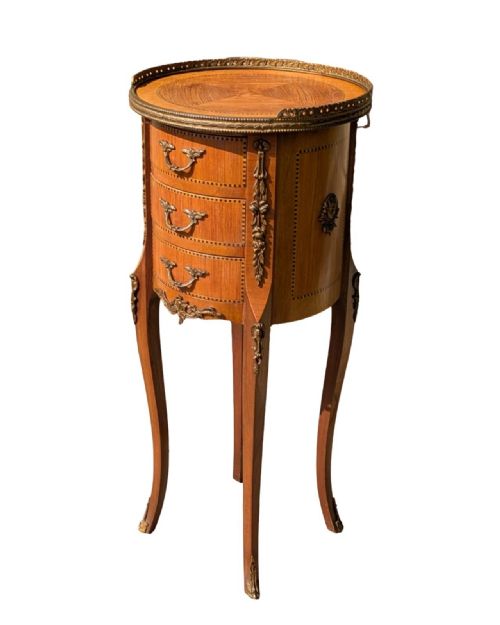
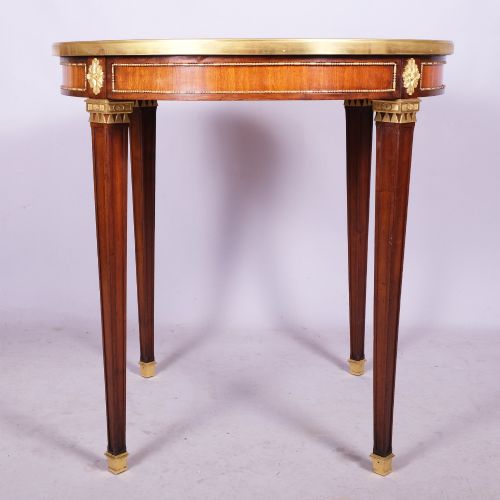
A french brass gallery table is primarily a small occasional surface, such as a bouillotte table, side table or wine table, designed for intimate domestic spaces. These pieces emerge in various forms across the nineteenth and early twentieth centuries, spanning periods from the Victorian era through the Edwardian years.
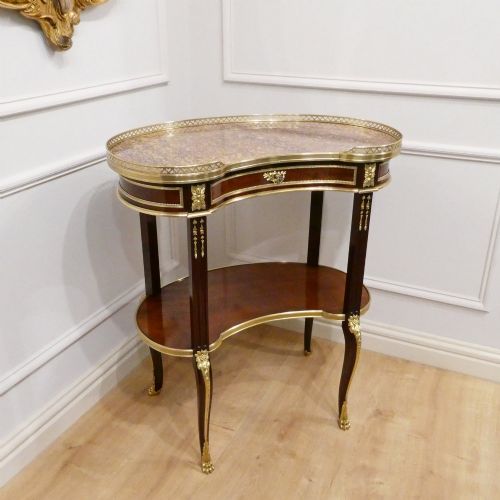
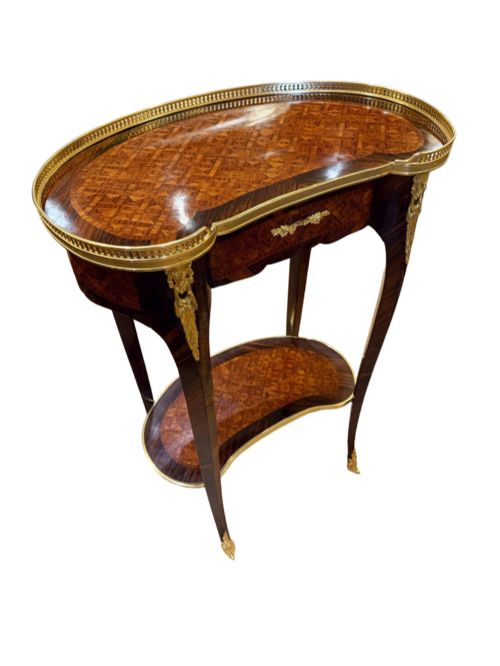
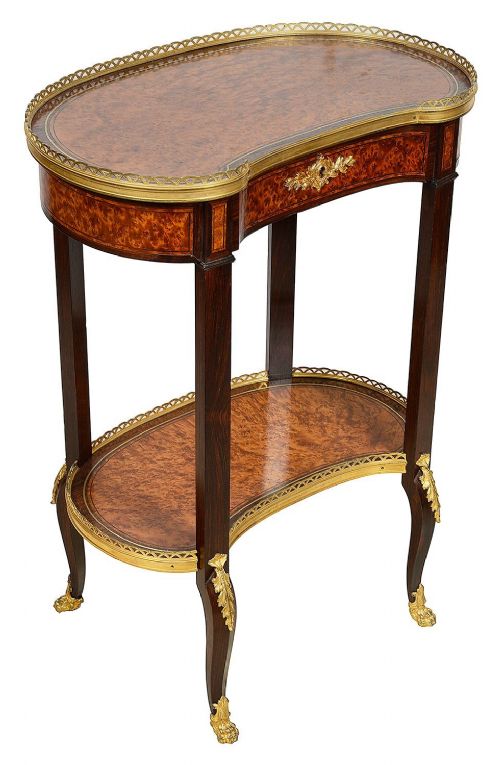
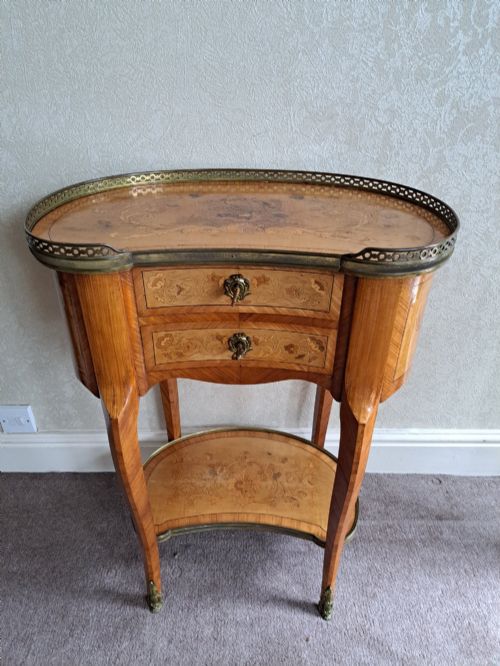
Buyers will most frequently encounter circular or kidney-shaped occasional tables featuring raised perforated metal rims around the top surface. Walnut, mahogany and kingwood frequently form the timber structure, often complemented by inset white or rouge marble tops.
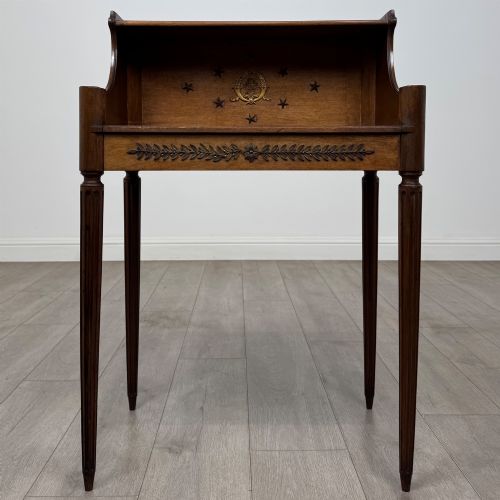
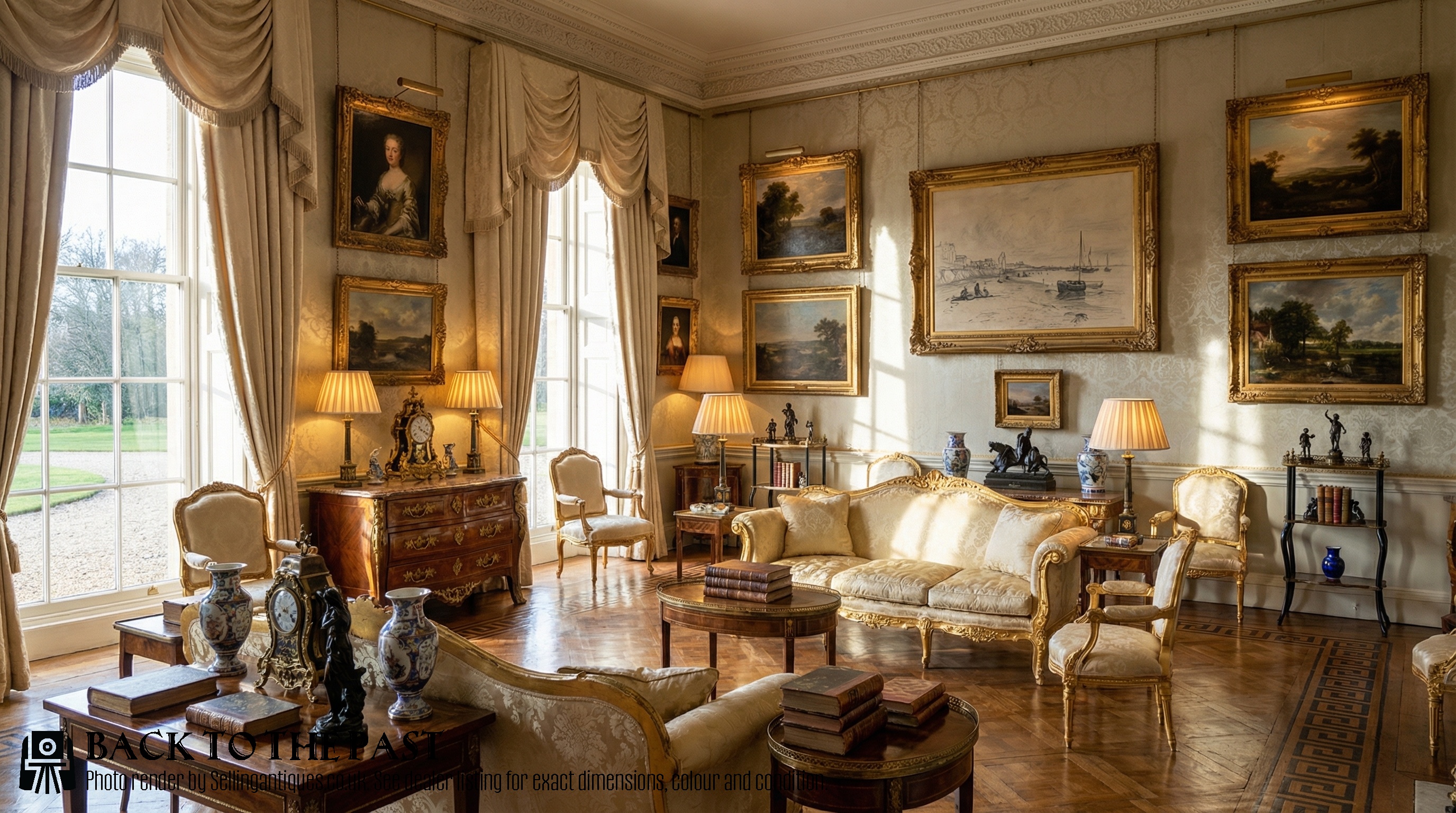
The aesthetic draws heavily on continental design vocabularies, particularly Louis XVI style, French Empire and Louis XV revivals. These tables function successfully beside seating or as lamp tables, combining utility with decorative presence.
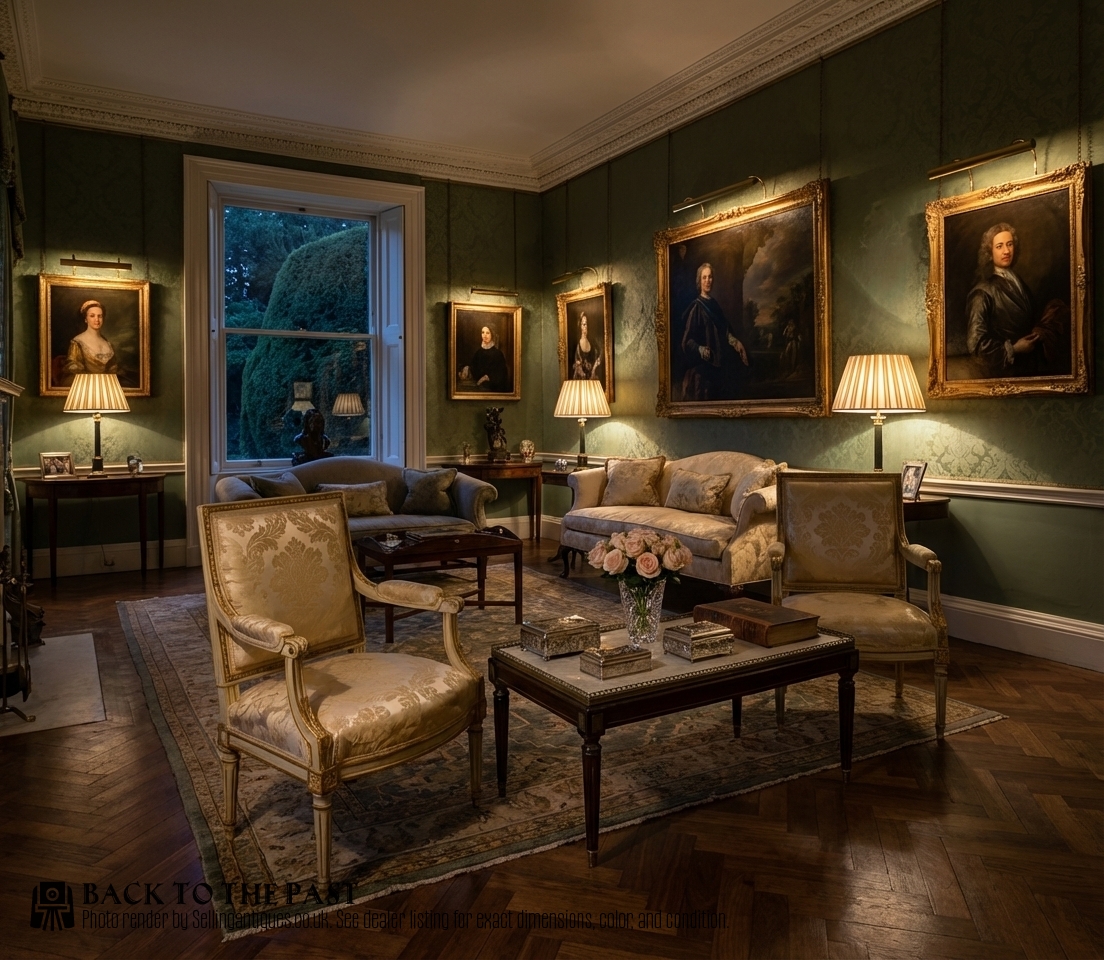
Materials and Construction
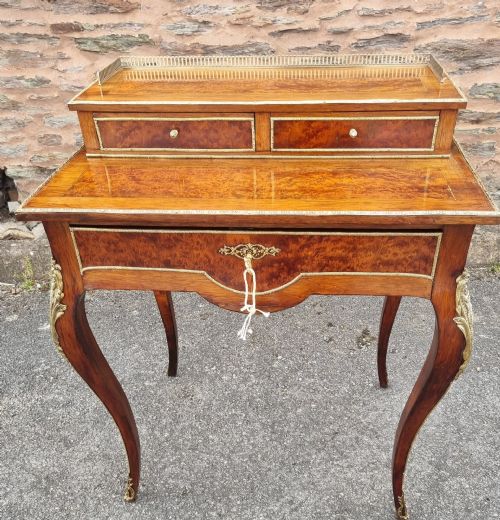
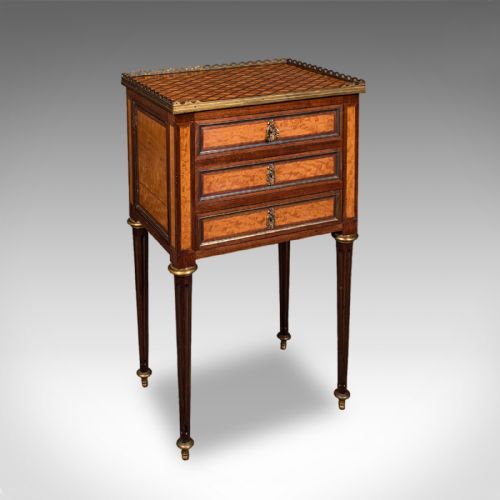
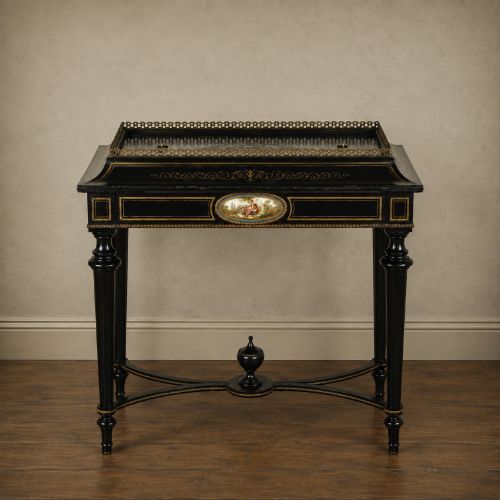
Cabinetmakers constructed these tables using a foundation of solid hardwoods like mahogany, walnut and rosewood, frequently applying veneers of kingwood, amboyna or satinwood in parquetry and marquetry patterns. Ebonised wood also appears among surviving examples.
Metalwork forms a defining characteristic, utilising cast and chased ormolu alongside polished brass galleries pinned securely around the perimeters of table tops. Inset slabs of marble, onyx and painted porcelain plaques provide durable and decorative working surfaces.
French Brass Gallery Table Retail Price Guide 2026
Typical asking prices for french brass gallery table among the pieces listed under this phrase on Sellingantiques today, from the lower quarter to the upper quarter. They describe what is for sale here now, not the wider market.
Listings demonstrate a strong presence of nineteenth-century pieces, utilising materials like mahogany, walnut, marble and brass in Louis XVI and Empire styles.
Quality Variations
The refinement of the cast brass gallery and ormolu mounts distinguishes superior examples from standard production. Crisp chasing, tight joinery around the metal pierced rims and substantial weight indicate higher workshop standards.
The selection and execution of timber veneers, alongside the quality of the marble top and its secure fit within the frame, dictate the overall standing of the piece. Subtle details in leg tapering and collar mountings separate exceptional items from ordinary ones.
Maison Millet·François Linke·A Hugnet Paris·Tehan
The French Brass Gallery Table Glossary
- Gallery
- A raised pierced metal rim or railing fitted around the edge of a table top to prevent items from sliding off. This feature is typically cast in brass or ormolu.
- Bouillotte table
- A small circular occasional table with a raised brass gallery and an inset marble top, designed originally for card games. They frequently feature small drawers or sliding candle slides.
- Ormolu
- Gilt bronze mounted or applied as decorative ornamentation on furniture. The technique involves applying a gold amalgam to bronze before heating.
- Guéridon
- A small French occasional table supported by a central pillar or multiple legs. These frequently incorporate marble tops and brass galleries.
- Parquetry
- Geometric wood inlay work arranged in patterns such as cubes or chequers. It differs from marquetry by utilising strict geometric shapes.
French Brass Gallery Table: Frequently Asked Questions
What is a french brass gallery table used for?
These tables serve primarily as occasional surfaces for holding lamps, drinks or decorative objects within a reception room or bedroom. Their raised brass rims ensure items remain secure on the surface.
Historically, specific forms like bouillotte tables supported card games, while others acted as bedside cabinets or writing tables. Today they function flexibly as accent pieces in various interior schemes.
How do I identify a bouillotte table?
A bouillotte table is distinguished by its circular wooden frame, inset marble top and enclosing brass gallery. Tapering legs often feature brass collars at the feet.
Many examples date from the nineteenth century and draw on neoclassical or Louis XVI design traditions. They generally offer a compact footprint suitable for tight spaces.
Are these tables sturdy enough for daily use?
Most occasional tables and wine tables use solid hardwood frames and sturdy timber legs that withstand normal daily placement of small items. Marble tops add substantial weight, keeping the base grounded.
Care should be taken with veneered surfaces and delicate brass galleries when moving the furniture. Regular dusting and occasional wax maintenance preserve the finish.
How do I date a french brass gallery table?
Dating relies on examining construction methods, timber choices and stylistic revival indicators such as Louis XVI or Empire motifs. Nineteenth-century pieces often display hand-cut dovetails and patinated brass fixings.
Twentieth-century reproductions or later adaptations show different joining techniques and cleaner, less worn metal components. Associated maker signatures or stamps can also provide precise chronological markers.