
French Artwork with Frame
French artwork with frame brings together centuries of European painting and decorative moulding, offering curated wall pieces ready for display.
French Artwork with Frame
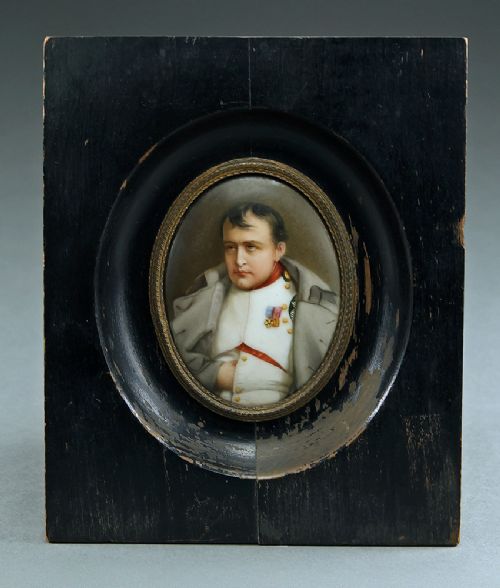
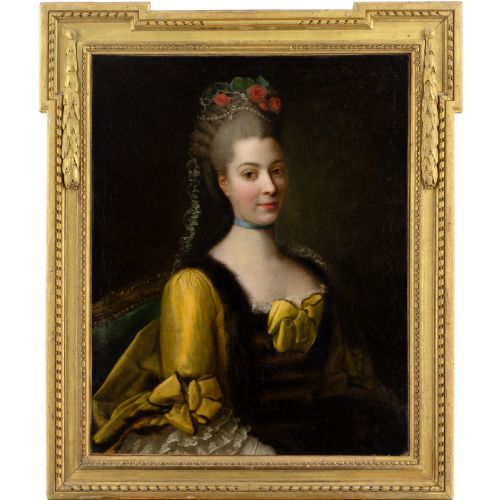
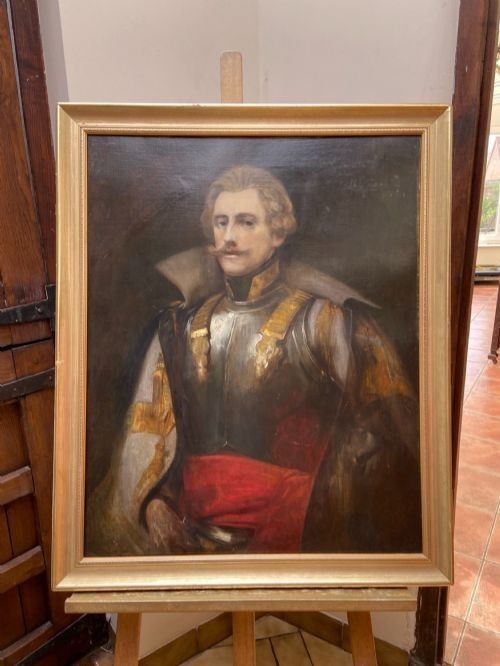
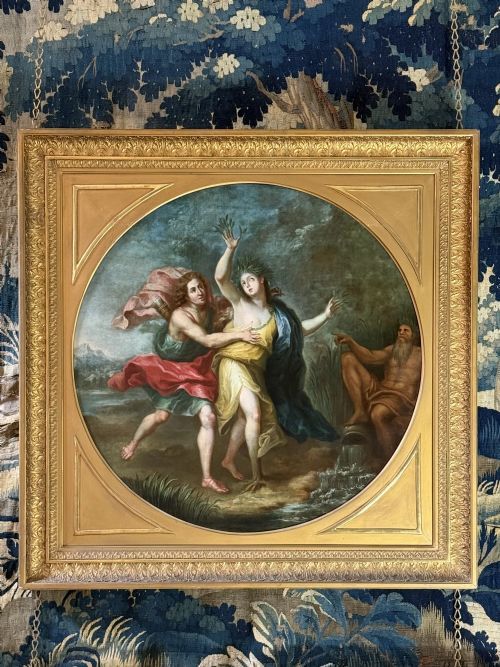
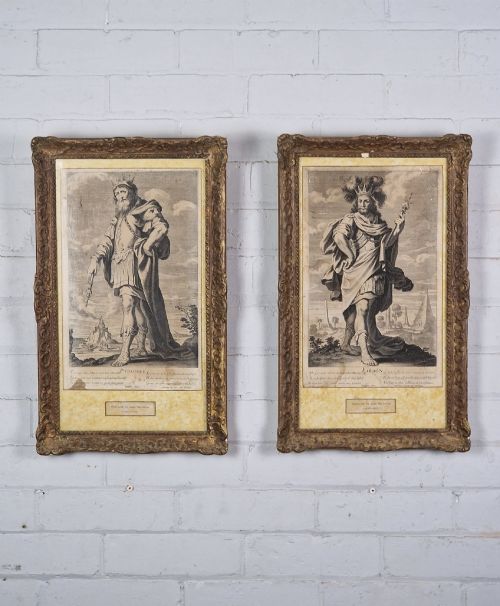
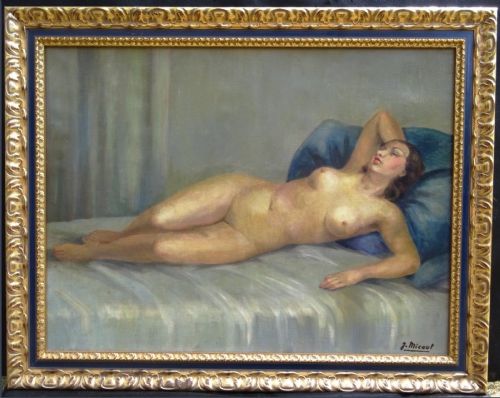
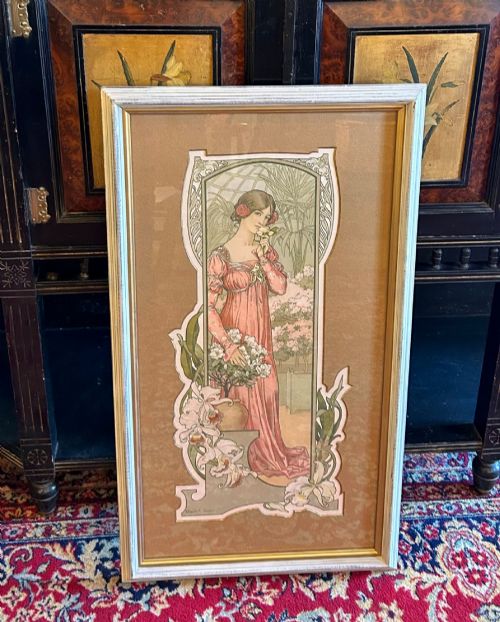
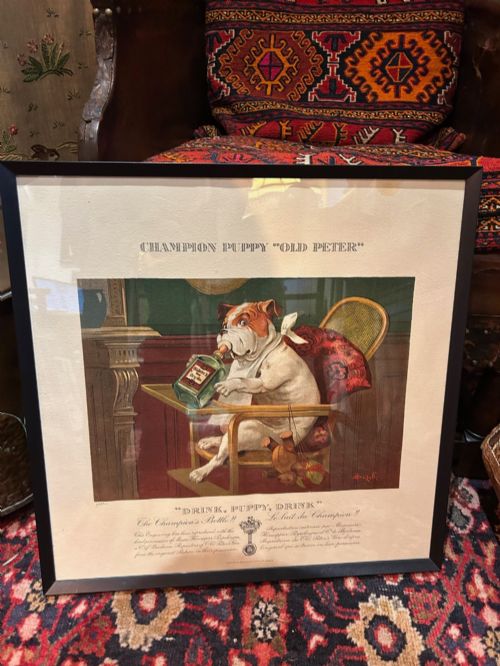
A search for French artwork with frame reveals a rich mix of centuries-old canvases, watercolours, and engravings housed in period enclosures. The selection spans the seventeenth, eighteenth, and nineteenth centuries, alongside modernist mid-twentieth-century compositions.
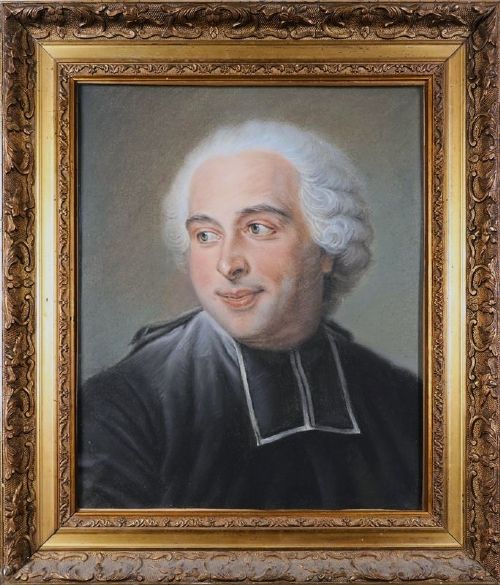
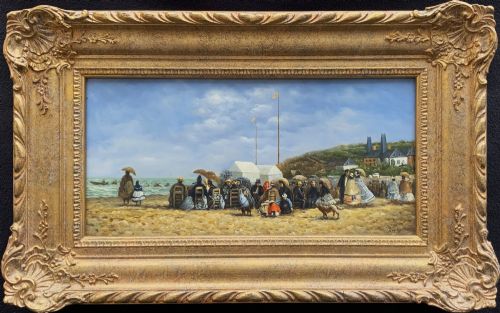
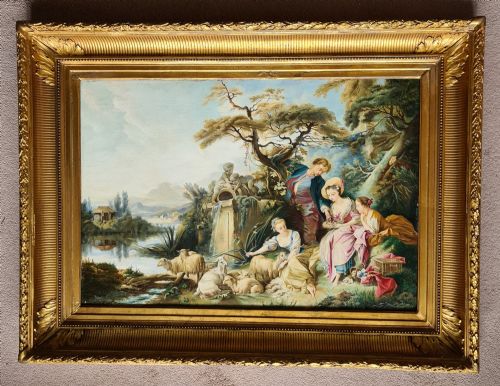
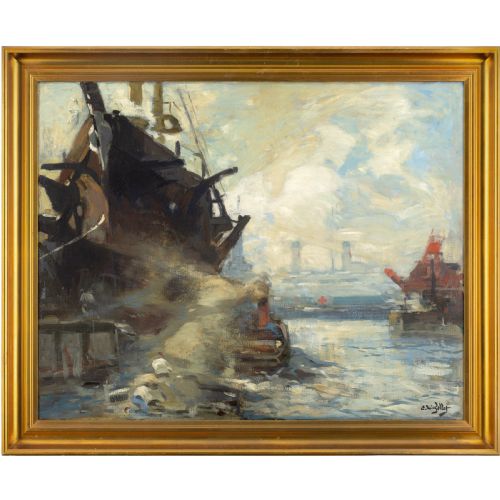
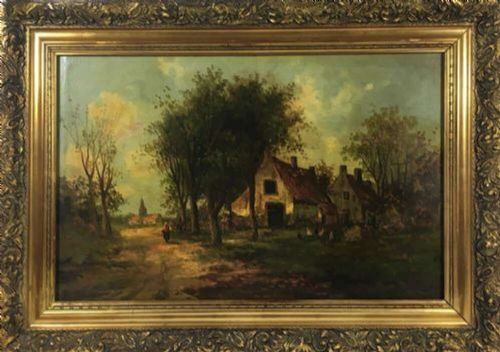
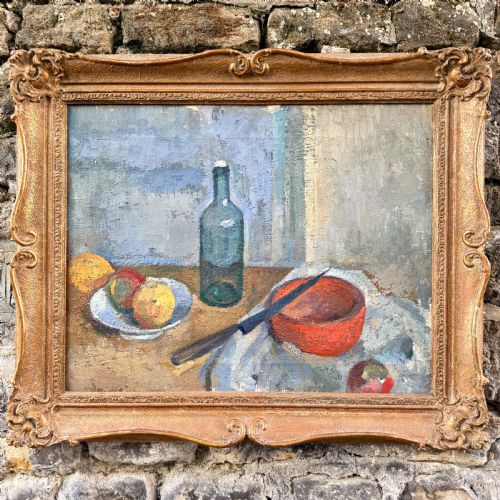
The objects take many forms, from formal oil portraits and romantic academic scenes to landscape views of Paris and still lifes depicting flowers and fruit. Buyers are most likely to encounter nineteenth-century oil paintings on canvas framed in carved wood and gilt surrounds.
These pieces originate from diverse stylistic traditions, including French Baroque, Neoclassical, Orientalist, and Symbolist movements. Each work preserves a distinct window into historical European aesthetics, unified by the physical boundary of its period frame.
Materials and construction methods
The physical works rely on traditional painting supports, primarily oil on canvas, wood panel, paper, and copper enamel, worked with oil paint, watercolours, or ink. Canvases are stretched over wooden frames and secured within ornate surrounds fashioned from wood, often finished with gilt layers or pewter details.
Makers utilised manual techniques such as hand-carving for wooden frames and meticulous brushwork for portraits, landscapes, and genre scenes. The physical integration of the artwork with its housing reflects period craftsmanship, where the mount served to protect and elevate the visual composition.
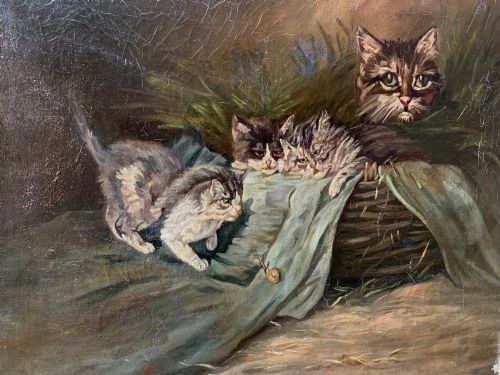
Keep an eye out for curious historical details, including portraits featuring loyal dogs, diamond clasps, lace jabots, and playful kittens at play.
Evaluating quality and execution
Quality in these framed works rests upon the precision of the brushwork, the depth of the composition, and the harmony between the art and its housing. Superior examples demonstrate confident draughtsmanship, expressive handling of light and shadow, and well-preserved pigments.
The integrity of the frame also dictates overall standing, with hand-carved gilt wood mouldings from the correct period adding significant architectural presence. Lesser pieces may display mismatched or later framing that detracts from the historical continuity of the main subject.
Joseph Vivienne·Étienne Baudet·Alfred Arthur Brunel de Neuville·François-André Vincent·André Charles Voillemot·Charles Bellay·Edgard Maxence·Gabriel Dauchot·Merio Ameglio·Léon Joseph Voirin·Jean Baptiste Isabey·Paul Viry·Robert McGregor·Jeffrey Pratt·Frederick Bartman·Theobald Chartran·Reynard Le Vieux·Martin Pierre Denis
The French Artwork with Frame Glossary
- Gilt wood
- Wood coated with a thin layer of gold leaf or gold paint. This technique was widely utilised on ornate period picture frames to create a reflective, luxurious finish.
- Oil on canvas
- A painting medium where pigments are suspended in a drying oil, applied to a stretched woven fabric support. It allows for rich blending of colour and long-term durability.
- Engraving
- A printmaking process where an image is incised into a metal plate using a sharp tool. The resulting lines hold ink to be transferred onto paper.
- Still life
- A work of art depicting mostly inanimate subject matter, typically commonplace objects. These compositions often focus on flowers, fruit, or household items.
- Genre painting
- The pictorial representation of scenes from everyday life, involving figures engaged in ordinary activities. These works capture the social habits and domestic environments of their period.
French Artwork with Frame: Frequently Asked Questions
What periods do these framed artworks cover?
The inventory spans multiple centuries, reaching from the seventeenth century through the eighteenth and nineteenth centuries up to mid-twentieth-century modernist pieces from nineteen-sixty.
Each era brings distinct stylistic approaches, moving from classical and baroque traditions toward impressionistic and abstract tendencies.
How are the paintings typically supported?
Most works utilise traditional canvas stretched over wooden frames, while others employ wood panels, paper, or copper supports.
These materials were standard for European studios of the period, providing stable grounds for oil and watercolour pigments.
Are the frames original to the pieces?
Many listings feature period-appropriate surrounds, including antique gilt wood and aesthetic movement pewter enclosures designed to complement the era of the artwork.
These housings range from heavily carved decorative mouldings to simpler linear frames suited to modernist canvases.
What subjects appear in these works?
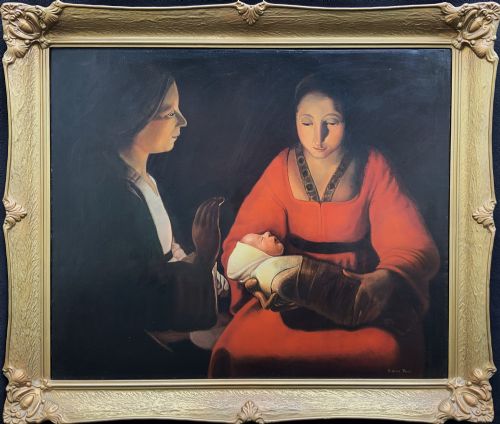
The selection includes formal portraits of gentlemen and ladies, religious scenes, Parisian streetscapes, pastoral landscapes, and floral still lifes.
Artists frequently drew on mythology, literature, and everyday regional life to shape their compositions.