

French Art Nouveau Glass
French art nouveau glass brings flowing floral forms and botanical motifs into decorative vessels and tableware.
What French art nouveau glass pieces are
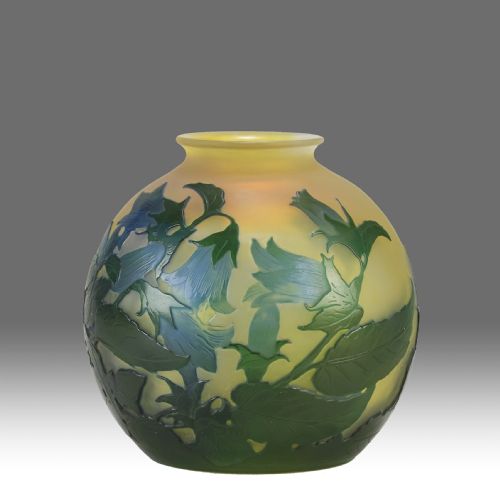
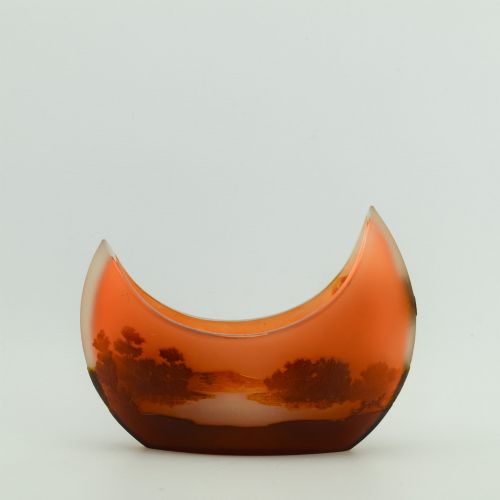
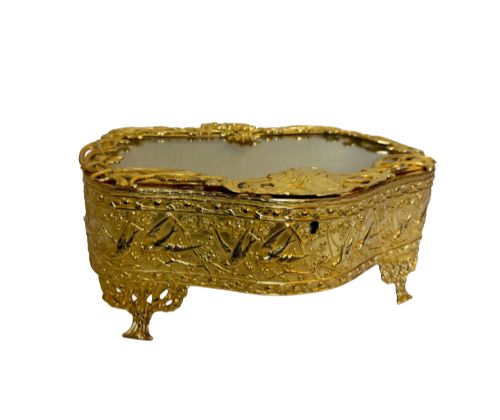
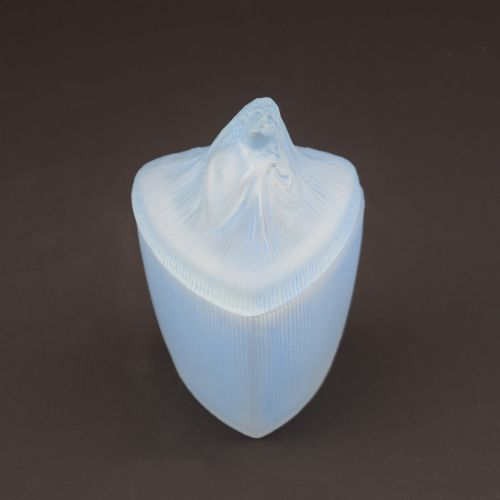
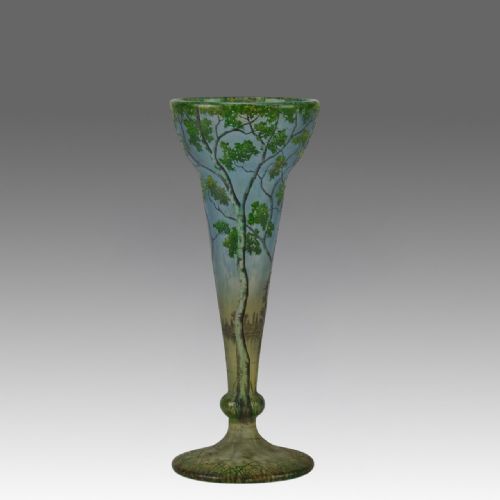
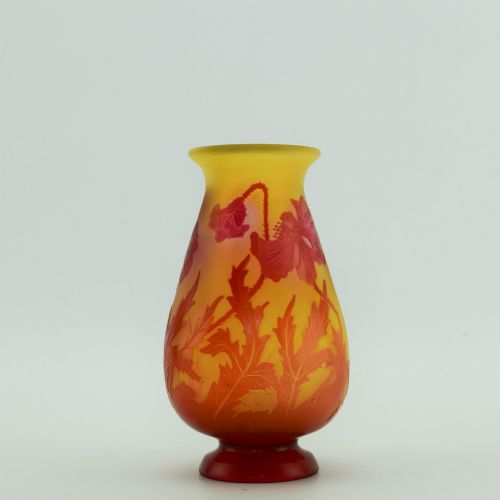
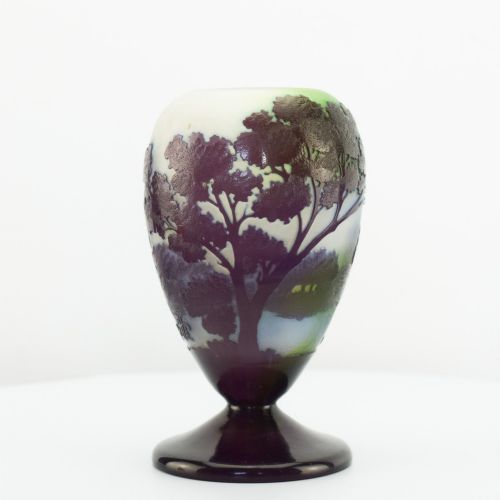
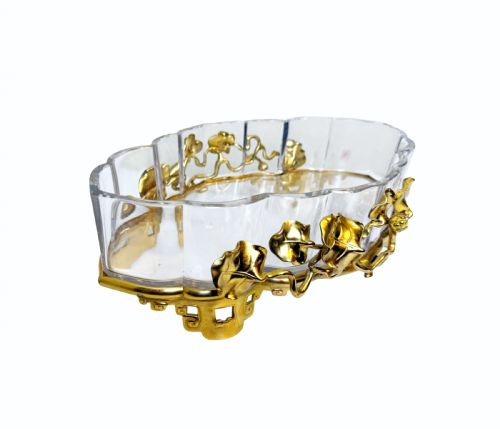
French art nouveau glass encompasses Vases, Powder Boxes, and Decorative Bowls created during the early twentieth century. These objects reflect the organic lines and natural scenes popular during the French Belle Epoque.
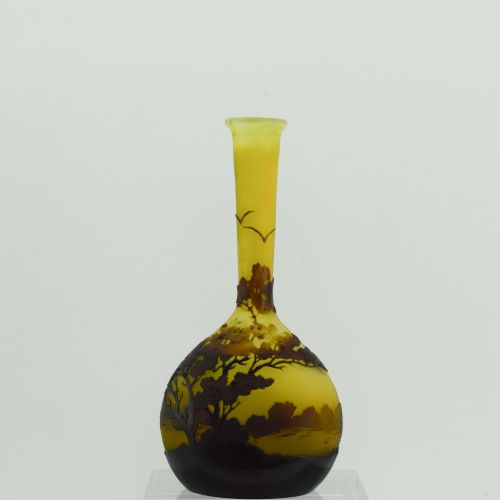
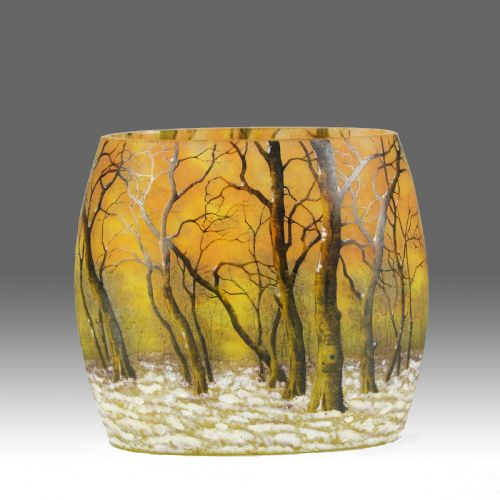
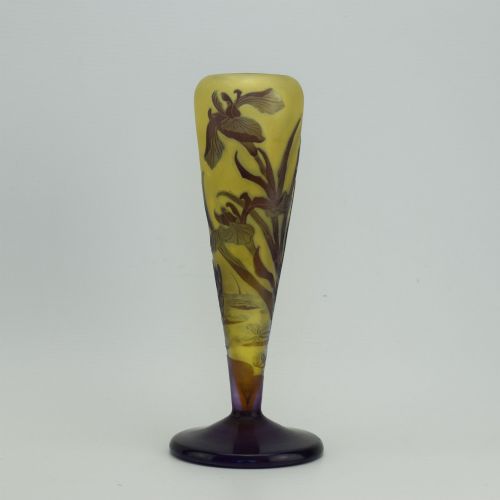
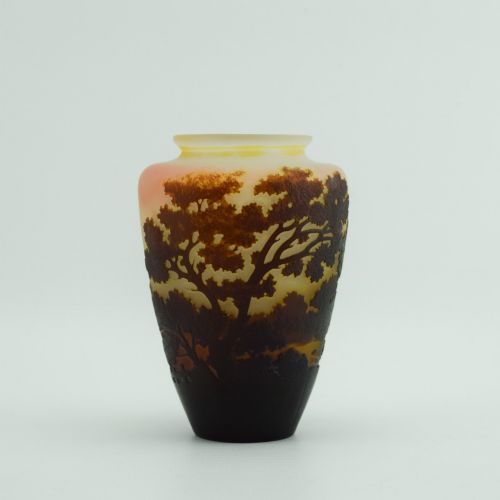
Vases dominate the available selection, often featuring botanical decorations such as hydrangeas, montbrecia, and winter landscapes. Collectors also encounter trinket boxes, decanters, boudoir bottles, and wine glasses.
The objects originate from French workshops and makers active around nineteen hundred to nineteen twenty. Pieces range from cabinet miniatures to large oviform vases.
How these items were made
Makers utilised techniques such as cameo glass carving, acid-etching, and enamelling to build surface texture and depth. Crystal glass and frosted glass served as blank canvases for layered colour applications.
Details often incorporate gold leaf and paste enamel to highlight botanical motifs and scenic borders. Some drinking vessels feature air twist stems formed during glassblowing.
Retail Price Guide 2026
Typical UK retail prices for french art nouveau glass, calculated from the Sellingantiques database of over a million retail prices indexed since 2003. This retail price guide relies exclusively on Sellingantiques data; no external sources or auction records are used, so the figures do not describe the wider market.
Listings feature cameo glass, acid-etching, and enamel across vases, powder boxes, and decorative bowls dating from nineteen hundred to nineteen twenty.
What varies in quality across pieces
Quality separates through the precision of the cameo carving and the complexity of the acid-etching. Finer vessels show crisp botanical definition and deliberate control over glass layers.
The application of enamel work, paste gilt, and gold leaf dictates refinement on boxes and vases. Pieces bearing distinct maker signatures demonstrate higher workshop execution.
Rene Lalique·Galle·Daum Frères·Legras·St Louis
The French Art Nouveau Glass Glossary
- Cameo Glass
- A vessel formed of two or more fused layers of glass of different colours, where outer layers are carved or acid-etched away to leave a raised design. This technique creates high contrast between the background and the foreground motif.
- Acid-Etched Glass
- Glass treated with acid to eat away exposed surfaces, producing matte textures and low-relief patterns. This method allows workshops to replicate intricate organic designs efficiently.
- Paste Enamel
- Opaque vitreous composition applied to glass surfaces and fired to create colourful raised decoration. It adds tactile detail to floral scenes and borders.
- Frosted Glass
- Glass treated to diffuse light and produce a non-reflective, milky surface. It provides a soft background for painted or gilded details.
- Opalescent Glass
- Glass that displays a milky, iridescent appearance with shifting tones of colour. It catches light dynamically across curved surfaces.
Frequently Asked Questions
What defines French art nouveau glass?
French art nouveau glass is characterised by organic forms, natural motifs, and fluid lines produced around nineteen hundred. Makers drew inspiration from plants, landscapes, and the female form.
Techniques such as cameo carving and enamelling define the aesthetic of these decorative vessels and tableware.
How do I identify pieces by Galle or Daum?
Makers like Galle and Daum Frères typically signed their cameo glass vases directly on the body or base, often incorporating the signature into the carved design itself.
Examining the depth of the acid-etching and the specific botanical subject matter helps attribute unsigned or lesser-known examples.
Were these items used daily or displayed?
Many objects, including powder boxes, decanters, and wine glasses, served functional purposes on dressing tables and dining rooms. Vases and decorative bowls functioned primarily as ornamental display pieces.
Their survival in varied domestic settings demonstrates both practical utility and decorative appreciation.
How should I care for enamelled glass?
Enamelled and gilded surfaces require gentle handling to preserve delicate paste enamel and gold leaf details. Cleaning should involve soft, dry cloths rather than harsh chemical immersion.
Keeping pieces away from direct sunlight protects the integrity of coloured glass and applied finishes.