

French Table Glass
When you search for french antique table glass, you enter a world of crystal centerpieces, opalescent shades and gilt bronze fittings.
French Table Glass
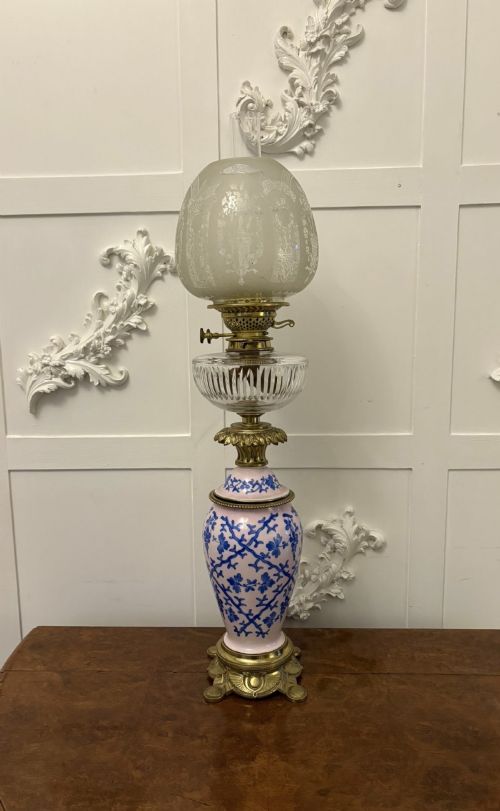
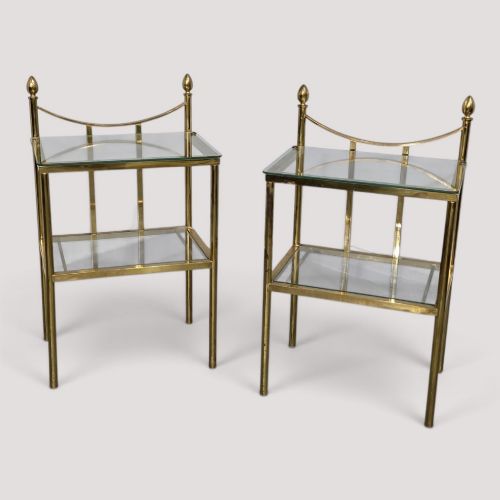
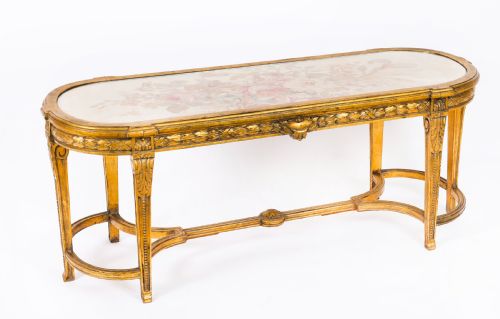
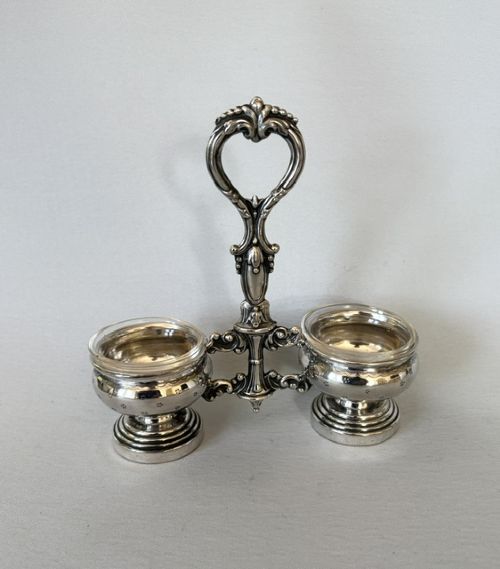
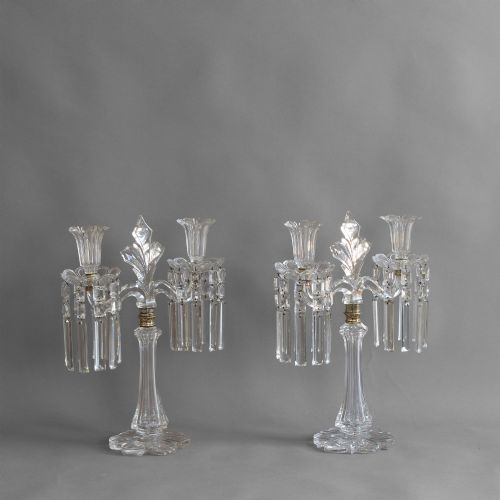
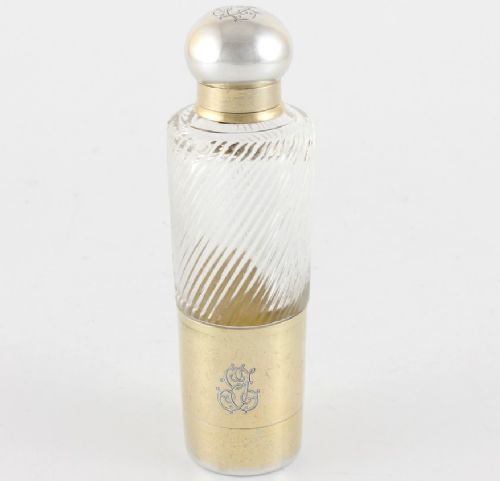
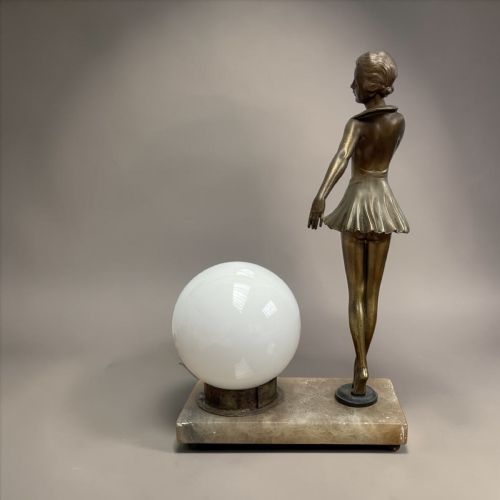
French antique table glass spans objects designed to sit upon furniture, combining transparent or coloured crystal with metal mounts, frames and bases. The phrase brings together decorative and functional items, from centrepieces and candelabra to powder boxes, perfume flasks and table lamps.
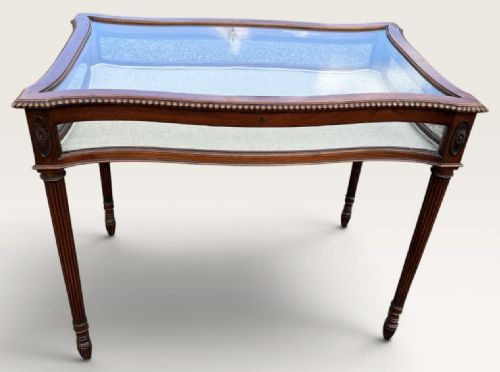
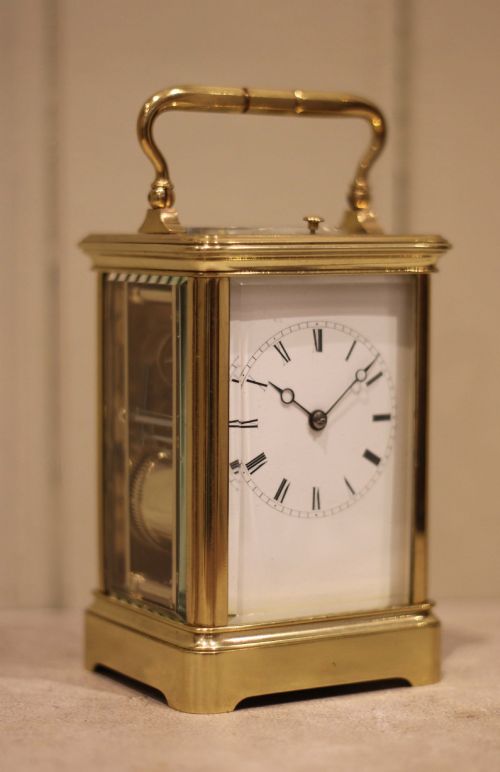
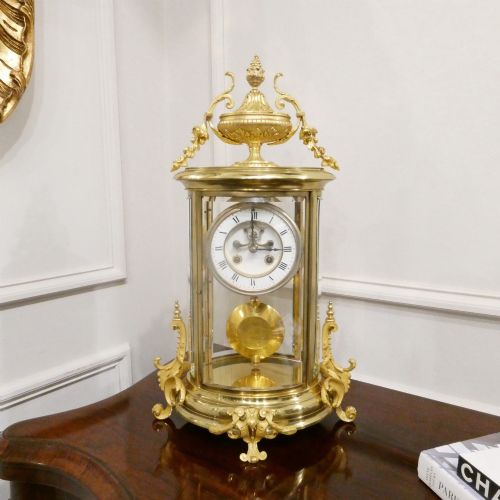
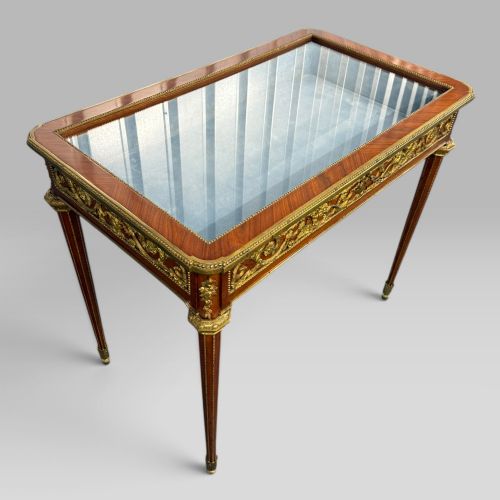
The pieces you encounter most frequently on this page originate from the nineteenth century through to the art deco period of the 1930s. They include crystal bowls set in gilt bronze or ormolu frames, four-glass mantel clocks with visible movements, and bijouterie display tables with glass tops.
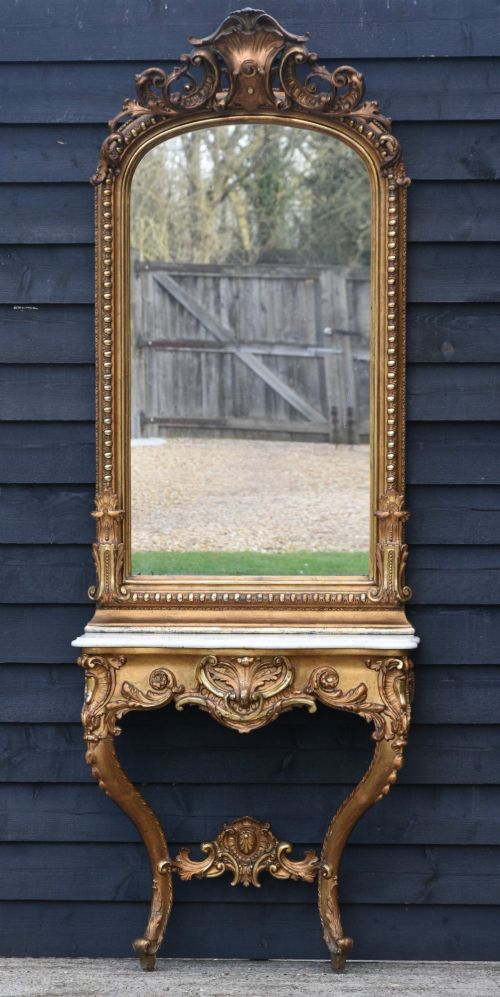
Makers and designers working in France utilised glass alongside brass, marble, mahogany and gilt bronze to create table items for bourgeois and aristocratic interiors. These objects reflect successive stylistic shifts, moving from rococo revival and empire styles toward art nouveau and art deco.
How they were made
Maker workshops combined heavy mould-blown or cut crystal glass with cast metal mounts in brass, bronze and ormolu. Glass components were shaped by hand blowing, pressing or cameo carving, then polished and fitted securely into metal frameworks using screws or pins.
Gilt bronze and brass elements were cast using the lost-wax method or sand casting, followed by hand chasing and mercury or electro-chemical gilding. Wood components in display tables and cabinets utilised mahogany or kingwood, shaped with curved serpentine lines and marquetry inlay.
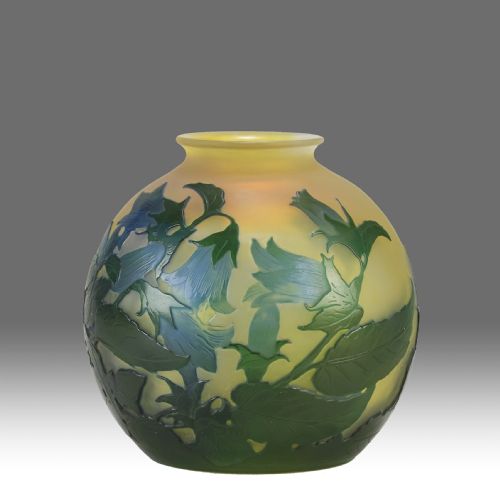
Specialised techniques such as acid etching, enamelling and casing layered different coloured glasses together, particularly seen in cameo glass vases and opalescent lamp shades. Metal bases for lamps and clocks incorporated marble, onyx and wrought iron to provide sturdy foundations for fragile glass elements.
Several French items on offer include dogs, parrots and love birds frozen permanently in glass.
What varies in quality
Quality rests upon the weight and clarity of the glass, the crispness of the metal casting, and the integration between the two materials. Superior items feature thick, heavy crystal with deep hand-cut facets or finely detailed mouldings, free from cloudiness or bubbles.
The execution of the metal mounts distinguishes finer pieces from ordinary production. Hand-chased ormolu and gilt bronze display sharp relief and careful finishing, whereas lower-tier examples rely on simpler brass stampings with minimal surface detailing.
The reputation of the maker or atelier elevates certain objects significantly, particularly signed pieces from glass houses and bronze foundries. The complexity of the design, such as multi-branch candelabra or intricately framed four-glass clocks, also dictates the upper tier of the range.
Samuel Marti·Emile Gallé·Rene Lalique·Maison Jansen·Charles Schneider
The French Table Glass Glossary
- Bijouterie table
- A small display table with glass panels and a glass top, designed to showcase small decorative objects, jewellery and curiosities.
- Ormolu
- Finely ground high-carat gold mercury-gilded onto a bronze base, commonly used for decorative mounts on nineteenth-century French furniture and glass objects.
- Four-glass clock
- A mantel clock featuring glass panels on all four sides, allowing a full view of the mechanical movement and pendulum.
- Cameo glass
- A technique where glass of one colour is overlaid upon glass of another colour and carved away to create a raised design.
- Epergne
- A centrepiece stand featuring multiple branching trumpets or baskets, typically utilised for holding fruit, flowers or sweetmeats on a dining table.
French Table Glass: Frequently Asked Questions
What is a four glass mantel clock?
A four glass mantel clock is a standing timepiece enclosed in glass panels on the front, back and sides. This design lets light pass through the clock and exposes the brass movement and mercury pendulum from every angle.
These clocks were produced extensively in France during the nineteenth century, often mounted on brass or marble bases. They demand careful placement on level surfaces to keep the pendulum swinging evenly.
How do I clean antique glass and ormolu mounts?
Cleaning antique table glass requires lukewarm water and mild soap, avoiding harsh chemical cleaners that can strip gilding or damage fragile surfaces. Ormolu and gilt bronze mounts should be dusted gently with a soft brush rather than polished with abrasive creams.
Moisture must be kept away from clock movements and wooden table frames during cleaning. Professional restoration is recommended for pieces with loose mounts or cracked glass panels.
What is a bijouterie table used for?
A bijouterie table is a specialised display piece featuring glazed sides and a hinged glass top. In period interiors, collectors utilised these tables to exhibit portrait miniatures, snuff boxes, medals and small porcelain items.
They function today as surface tables for displaying small collections while protecting items from dust and handling. Most examples incorporate mahogany or kingwood frames with velvet-lined interiors.
How can I tell art deco glass from nineteenth century pieces?
Nineteenth-century French glass leans toward ornate cut crystal, gilt bronze mounts and revival styles such as rococo and empire. The forms are heavy, elaborate and heavily reliant on traditional floral or architectural motifs.
Art deco glass from the 1920s and 1930s favours geometric lines, stylised animal figures, opalescent finishes and wrought iron or chrome frames. Makers like Lalique introduced moulded, frosted surfaces with stark contrasts and modern industrial aesthetics.