



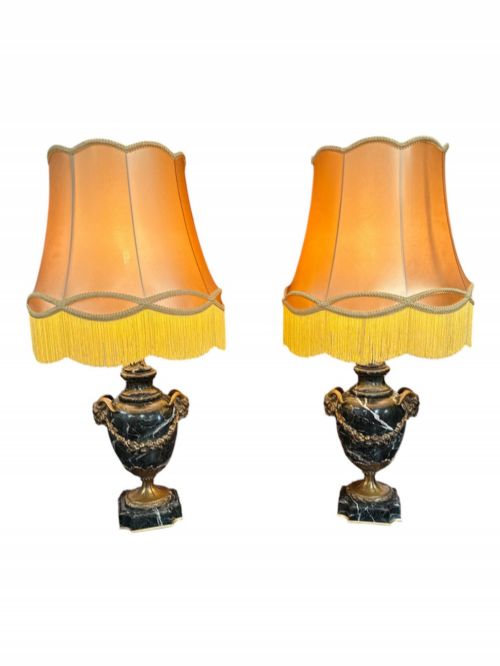
French Accent Lighting
French accent lighting encompasses antique table lamps and wall fittings designed to illuminate rooms with historical decorative flair.
French Accent Lighting
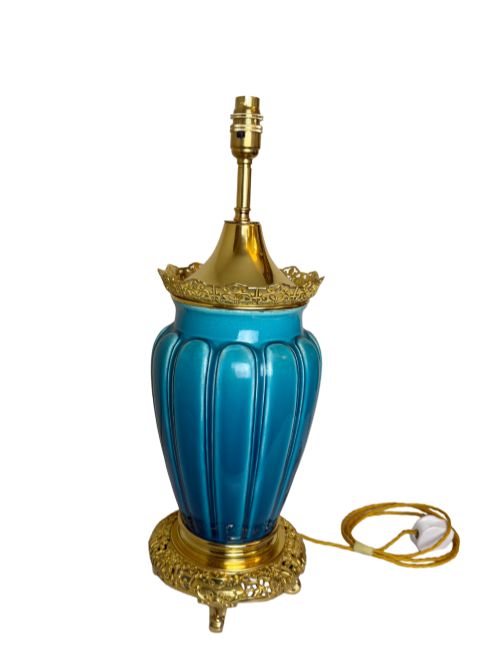
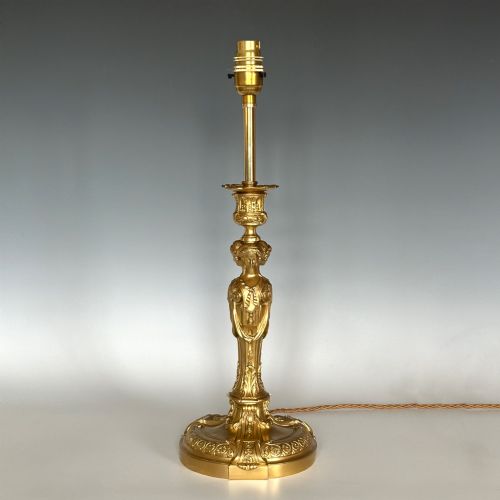
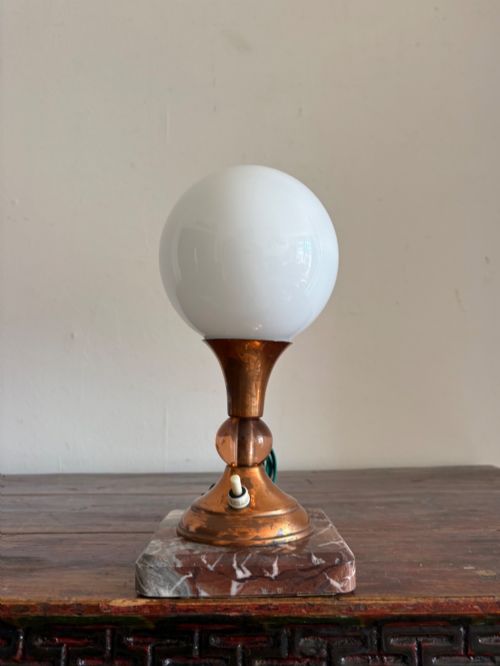
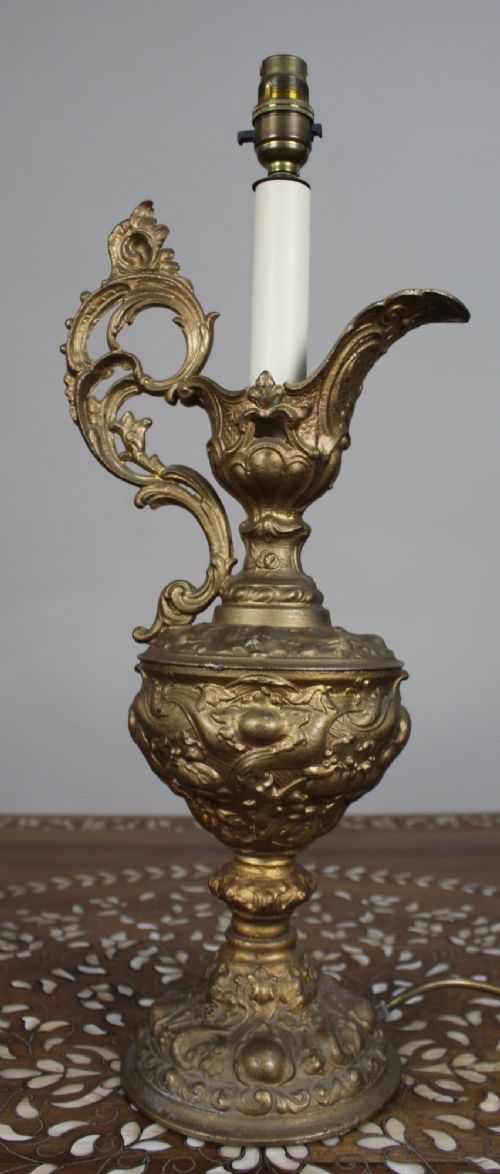
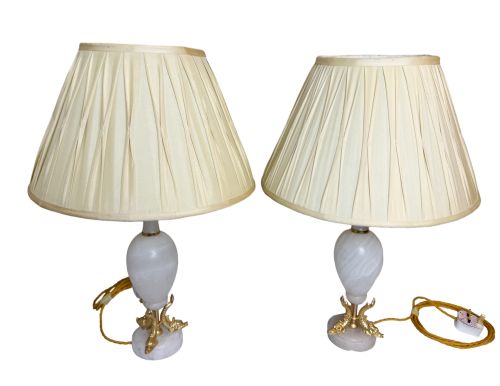
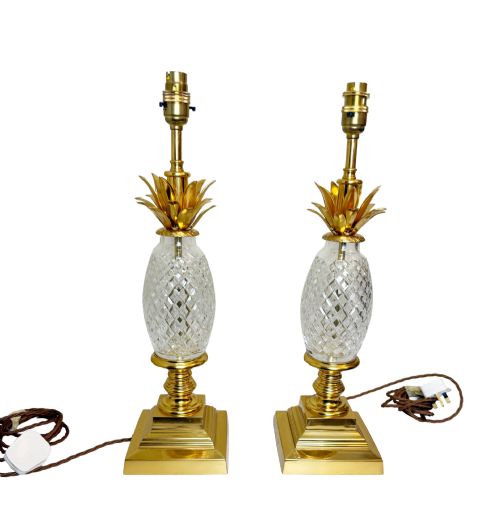
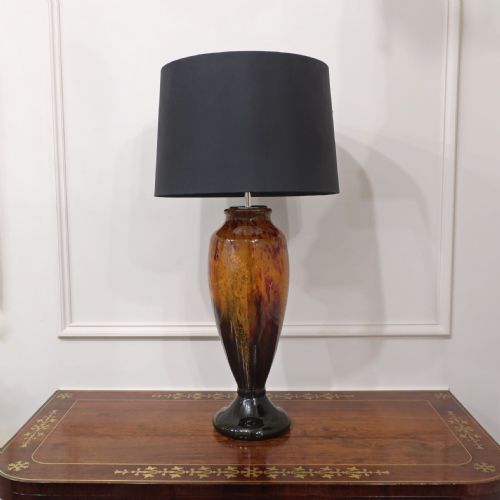
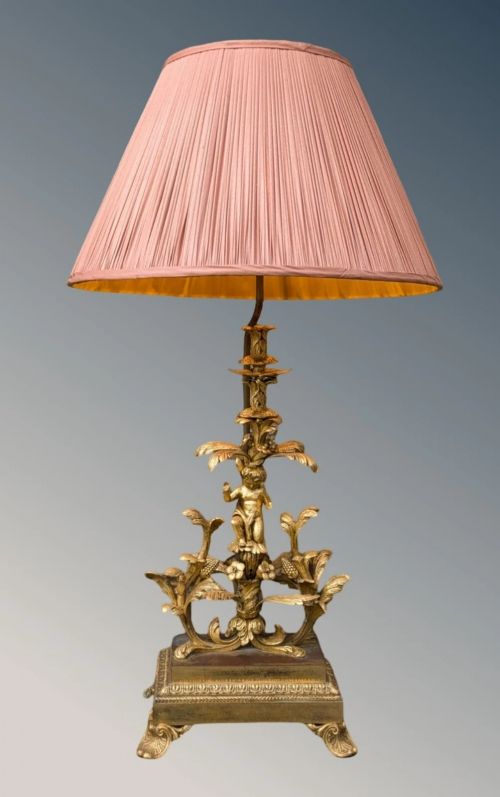
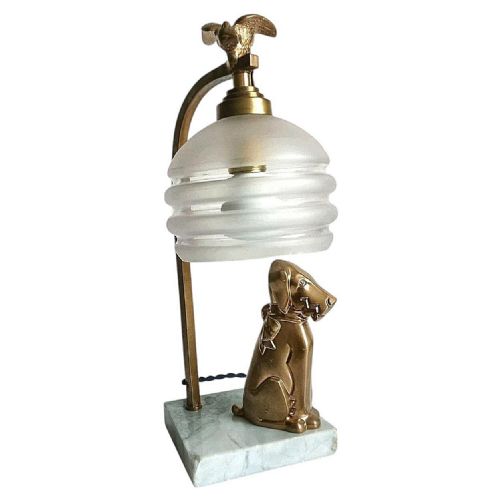
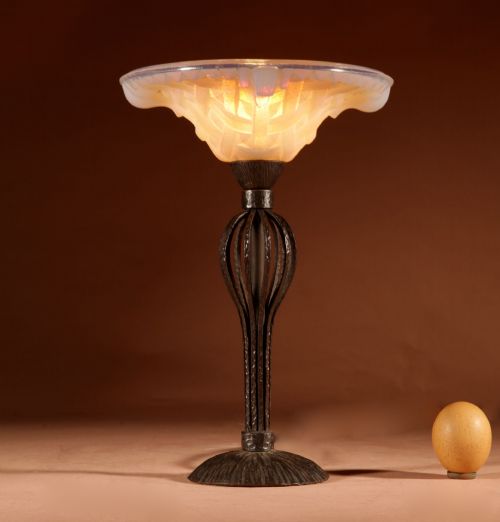
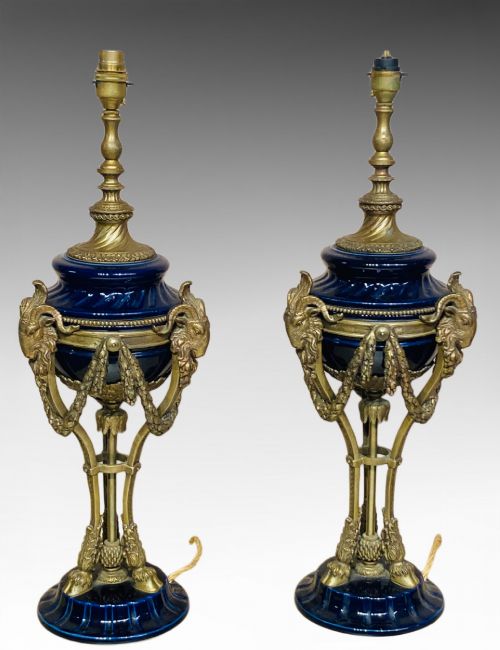
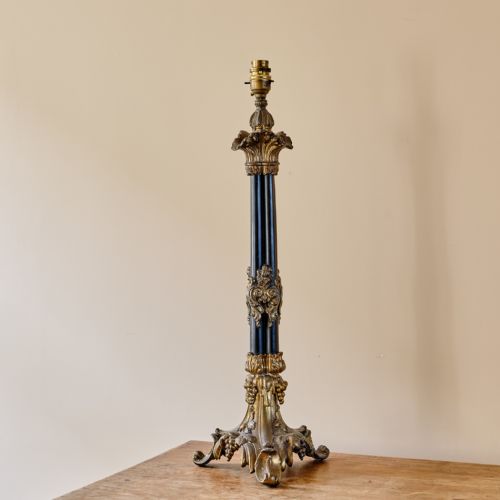
French accent lighting primarily consists of table lamps spanning the nineteenth and early twentieth centuries, alongside occasional mirrors and tables included in the broader category. These lamps take forms such as urns, figurative bronzes, and geometric Art Deco designs.
What varies in quality
Quality rests in the crispness of metal casting and the precision of hand-chased detailing on bronze and ormolu mounts. Heavier gauge metals and genuine mineral bases indicate superior construction.
The artistic merit of associated glass shades, particularly signed examples by known glasshouses, elevates the standard of the complete lighting fixture.
Materials recur across multiple decades, pairing cast metals like ormolu and bronze with marble, onyx, and opalescent glass.
Charles Schneider·Daum·Muller Bros·Degue·Baccarat·Lalique
The French Accent Lighting Glossary
- Ormolu
- Gilt bronze produced by applying a finely ground high-carat gold-mercury amalgam to a cast bronze object. This technique imparts a rich golden finish characteristic of decorative French metalwork.
- Spelter
- A zinc alloy utilised as a less expensive alternative to bronze for figural castings. It is frequently painted or electroplated to imitate higher-value metals.
- Opalescent glass
- Glass that exhibits milky, pearlescent colour effects by incorporating bone ash or other agents during manufacture. It diffuses light softly in period lamp shades.
- Patinated bronze
- Bronze treated with chemical solutions to produce a controlled surface colour or dark brown finish. This treatment accentuates sculptural details on figurative bases.
- Louis XVI style
- A neoclassical design revival drawing on classical symmetry, straight lines, and ancient Roman motifs. It appears frequently in gilt bronze and ormolu lamp mounts.
French Accent Lighting: Frequently Asked Questions
How do I date an antique lamp?
Dating relies on stylistic markers, manufacturing techniques, and material combinations associated with specific decades. Art Deco pieces display geometric lines from the interwar years, while nineteenth-century examples often feature ornate cast bronze or porcelain.
Examining wiring methods and construction fixings also helps establish the age of the fixture. Original fittings provide clear clues regarding the period of manufacture.
Are these lamps safe to use today?
Many antique lamps retain historical wiring that requires professional rewiring to meet modern safety standards. Qualified electricians can update internal cables while preserving the external antique components.
Using low-wattage LED bulbs helps protect fragile glass shades and vintage materials from excessive heat. This ensures safe daily operation in a modern home.
What is the difference between ormolu and gilt metal?
Ormolu specifically denotes mercury-gilded bronze, a labour-intensive historic technique yielding a deep, lasting lustre. It represents the highest standard of French decorative metalwork.
Gilt metal encompasses various base metals finished with gold paint, electroplating, or lesser gilding methods. These alternatives appear more commonly in later or mass-produced decorative items.
How do I clean antique brass and bronze?
Dusting gently with a soft, dry cloth removes surface particles without risking the patination. Avoid abrasive cleaners or chemical polishes that strip historical finishes.
Specialist conservation waxes can protect exposed metal surfaces from moisture and oxidation. Professional advice should be sought for valuable or delicate pieces.