
Gilt Brass Desk Light
These gilt brass desk light pieces combine warm metallic finishes with period forms to illuminate workspace surfaces.
Gilt Brass Desk Light
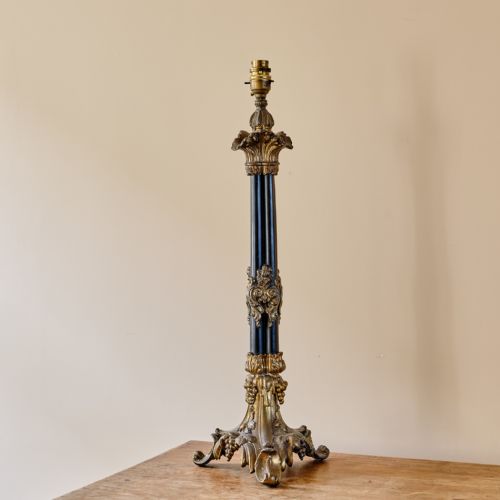
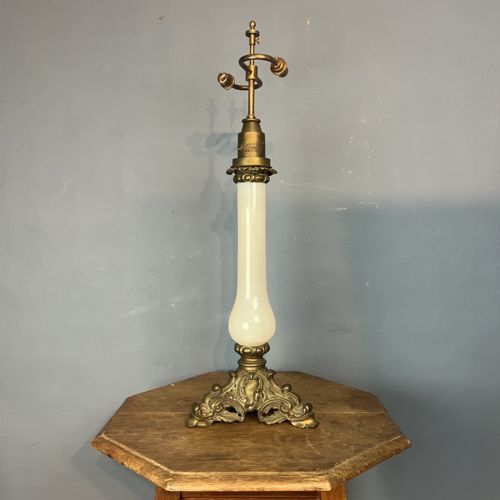
A gilt brass desk light brings together cast metalwork and electrical illumination for a functional workspace fitting. These items trace their origins through nineteenth century styles and early twentieth century interpretations, drawing on French and English decorative traditions. Buyers encounter table lamps, lamp bases, and candlesticks adapted for lighting, frequently incorporating classical motifs or revival designs.
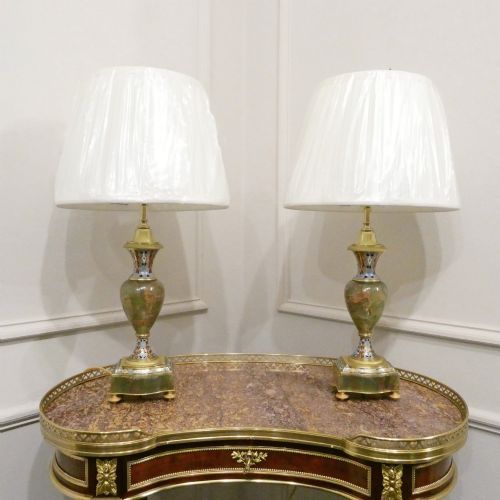
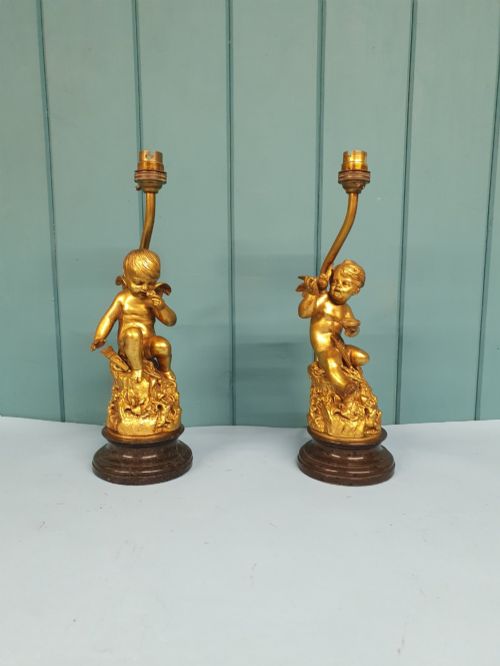
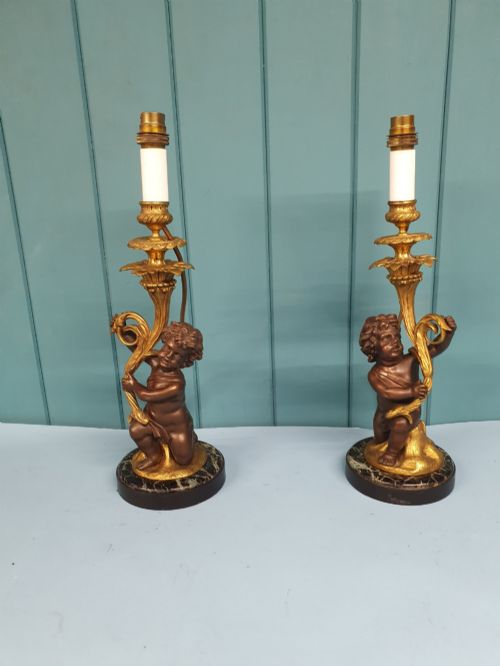
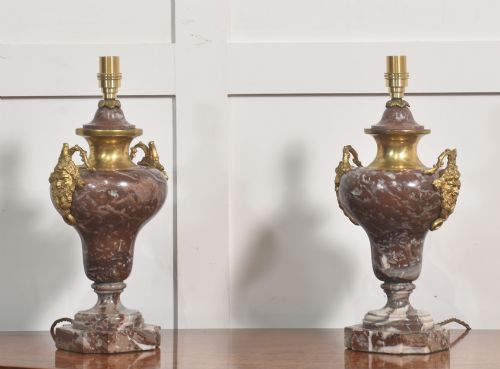
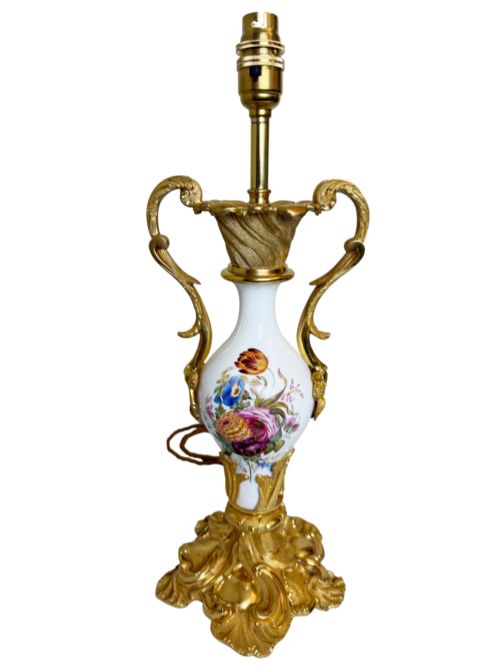
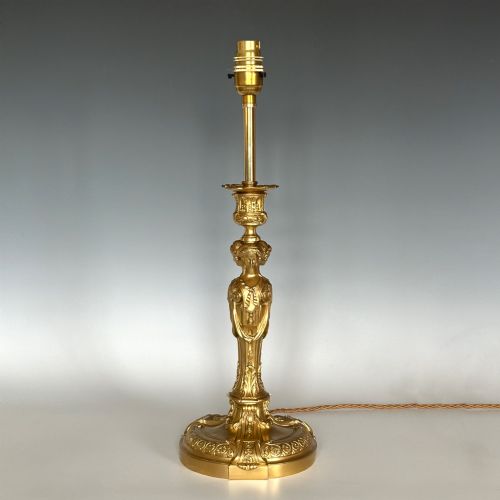
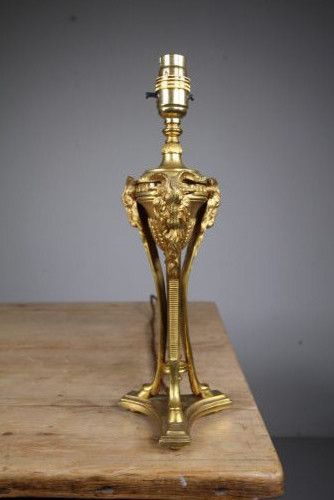
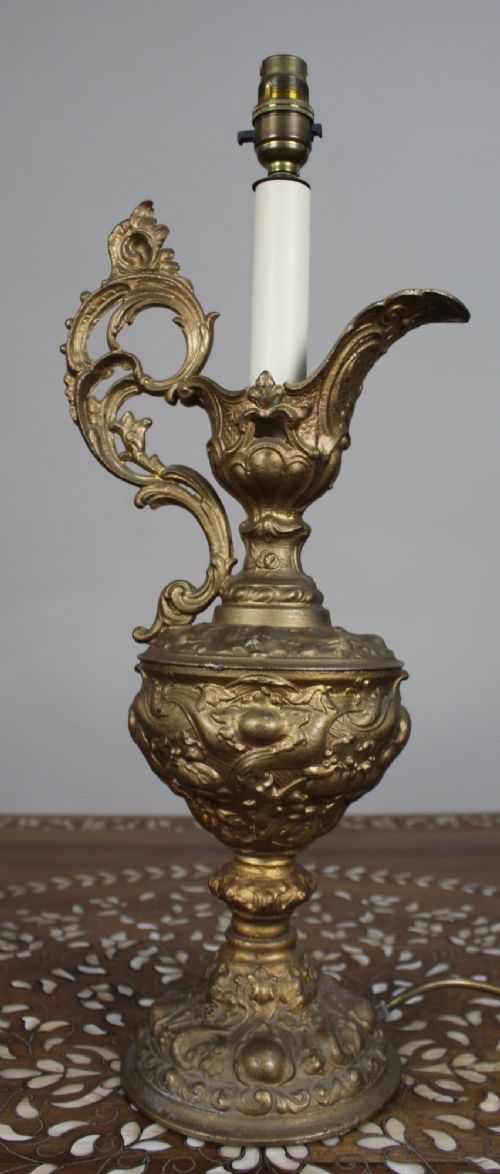
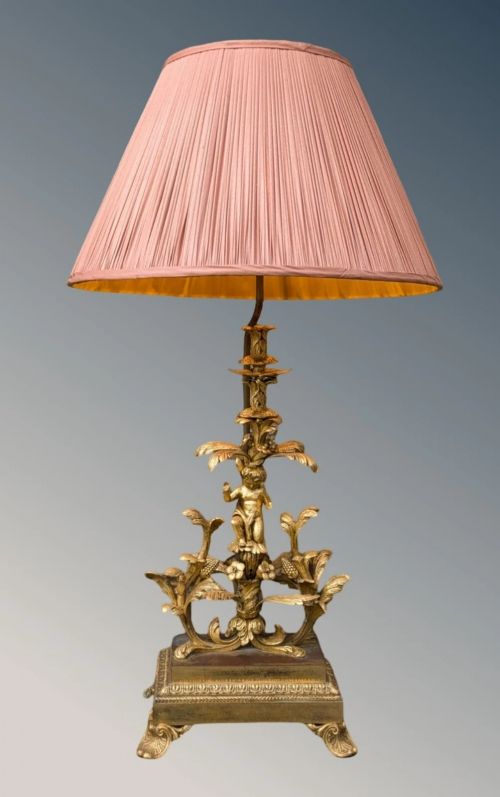
The selection on this page centres on pieces spanning the Victorian era, the nineteenth century, and the early decades of the twentieth century. Forms range from simple column lamps and ewer shapes to figural mounts featuring cherubs or ram heads. Many items reflect French Empire, Louis XVI, and Rococo aesthetics adapted for domestic interiors.
How they were made
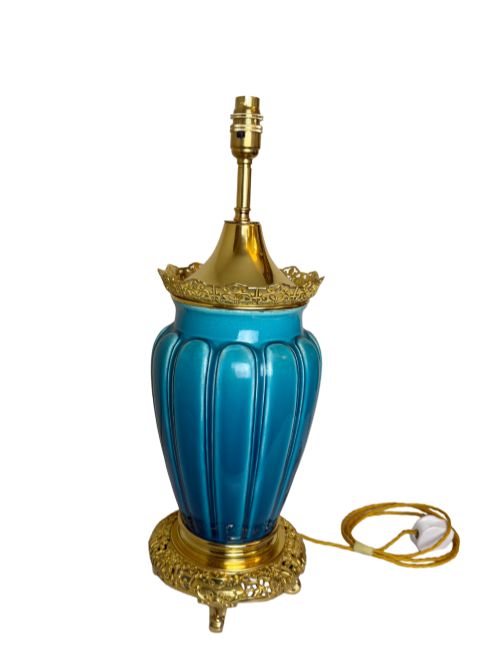
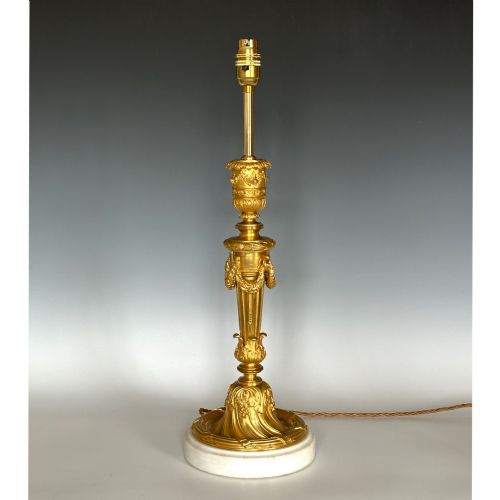
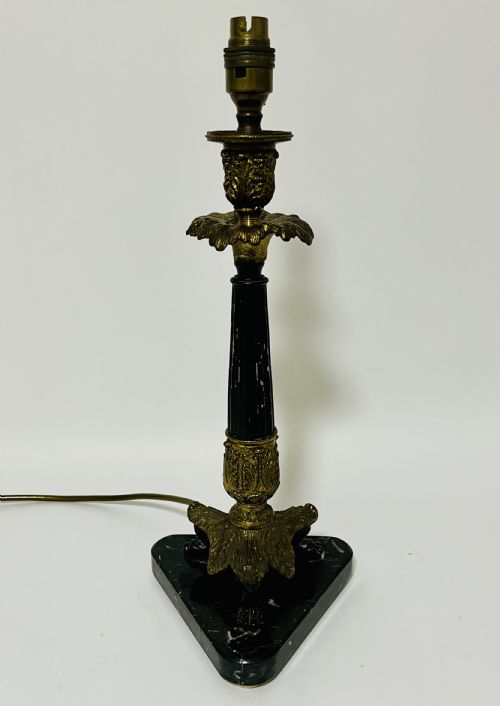
Maker workshops utilised bronze, brass, ormolu, and gilt metal, casting the components before applying mercury gilding or surface finishing. These metallic structures often incorporate contrasting materials such as marble, onyx, porcelain, glass, and silk shade elements. Stonework bases provide stability for taller metal columns and figural stems.
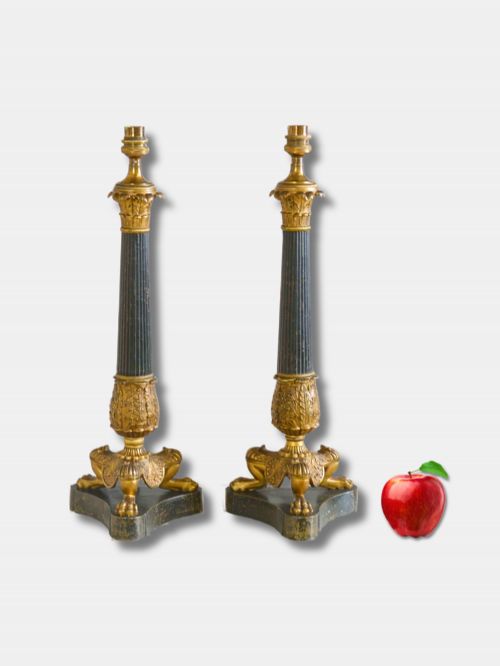
Casting techniques allowed workshops to produce detailed floral reliefs, animal paws, and classical architectural details. Many surviving examples integrate materials like opaline glass, champleve enamel, and toleware alongside the primary metal framework.
Watch for small bronze cherubs holding up entire lighting assemblies with expressions of mild exhaustion.
What varies in quality
The choice of secondary materials marks the distinction between standard production and luxury workshop output. Genuine marble, onyx, and hand-cut glass components indicate higher ambition in construction than plain metallic alternatives.
Mc Gary·Messenger
The Gilt Brass Desk Light Glossary
- Ormolu
- A technique of applying finely ground high-carat gold to a bronze object using a mercury amalgam. This process creates a warm, durable metallic sheen characteristic of high-end French decorative pieces.
- Champleve
- An enamelling technique where troughs or cells are sunk into the surface of a metal object and filled with vitreous enamel. These coloured enamel sections decorate the body of the lamp alongside cast brass.
- Opaline
- A type of semi-translucent glass developed in France during the nineteenth century, often appearing in white or pastel shades. It diffuses light softly when incorporated into lamp bodies.
- Tole
- Painted or enamelled sheet metal used for decorative objects and lamp components. It provides a durable surface that accepts coloured pigments and lacquers.
Gilt Brass Desk Light: Frequently Asked Questions
How do I date a gilt brass desk light?
Dating relies on stylistic clues, casting methods, and secondary materials such as marble or porcelain. Nineteenth century examples often display heavier cast bronze and hand-chased details compared to later twentieth century production.
Maker stamps or patent marks provide precise chronological markers when present on the metal base. Comparing the decorative motifs to known historical periods like the French Empire or Louis XVI styles helps narrow down the origin.
Were these always electric lamps?
Many items started life as oil lamps, candlesticks, or decorative urns before undergoing conversion for electrical use. This adaptation process typically involved running a cord through the centre and fitting a modern bulb holder.
Finding converted candlesticks or ewers is standard practice for lighting from the nineteenth century. The presence of older weighted bases or burner mechanisms often reveals the original function of the piece.
How do I clean gilt metal safely?
Gilt surfaces require gentle dusting with a soft, dry cloth to prevent abrasion of the delicate gold layer. Avoid harsh chemical polishes that can strip away the historical finish entirely.
Stubborn grime on brass or bronze should be addressed using non-abrasive cleaners recommended for antique metals. Professional conservation advice is best sought for pieces with delicate mercury gilding.
What styles are most common?
Rococo Revival and Louis XVI designs dominate the surviving inventory, reflecting a persistent nineteenth century interest in French classical aesthetics. These styles feature ornate scrollwork, floral garlands, and symmetrical architectural lines.
Empire style pieces also appear frequently, characterised by lion paw feet, classical columns, and patinated bronze figures. Victorian interpretations blend these continental influences with domestic English tastes.