

Antique French Side Light
These antique french side light pieces bring continental illumination and classical metalwork to interiors, offering warmth and period character for bedside or console placement.
Antique French Side Light
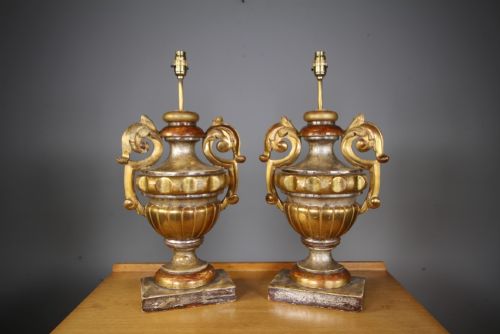
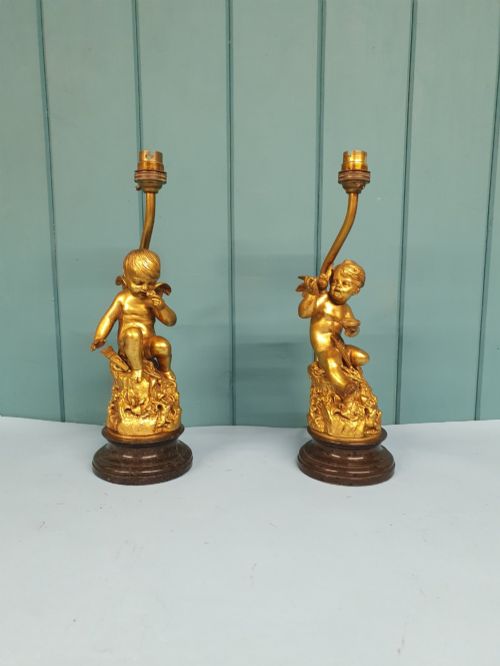
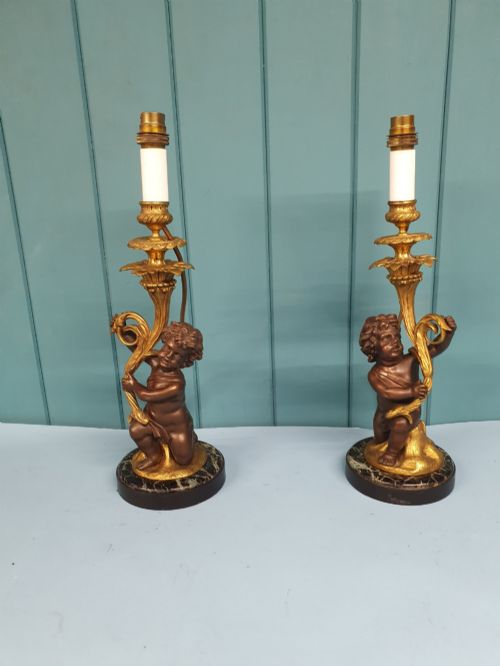
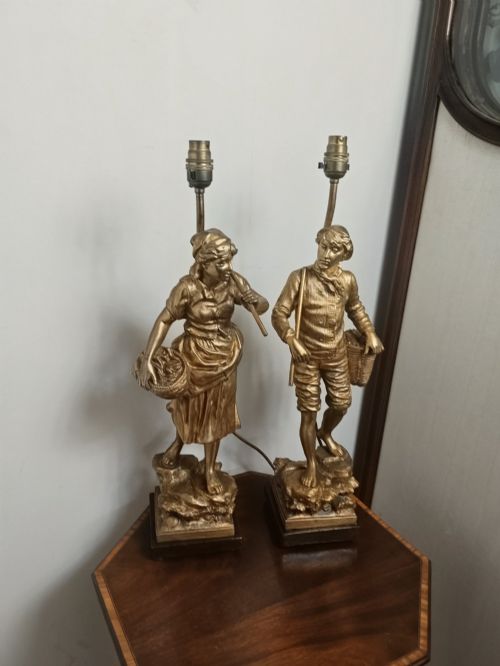
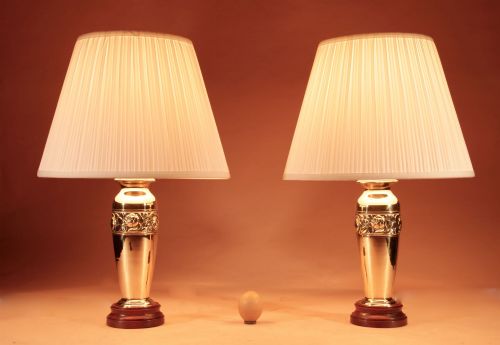
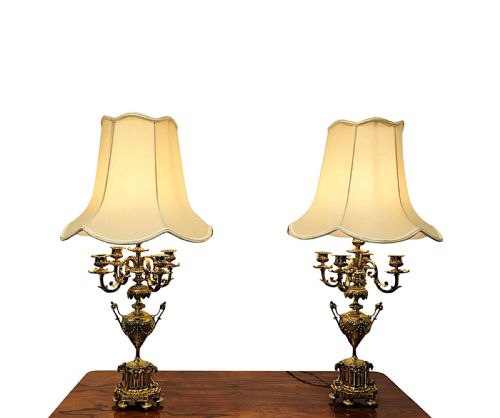
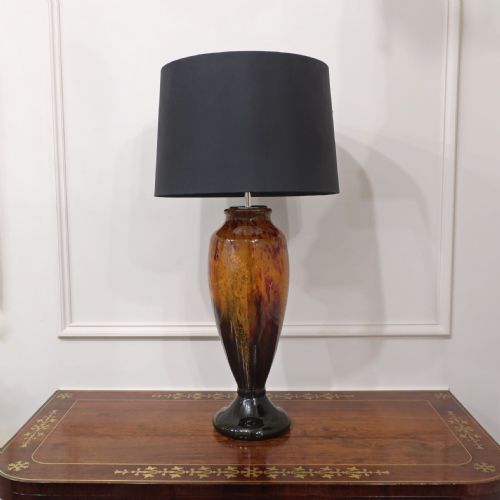
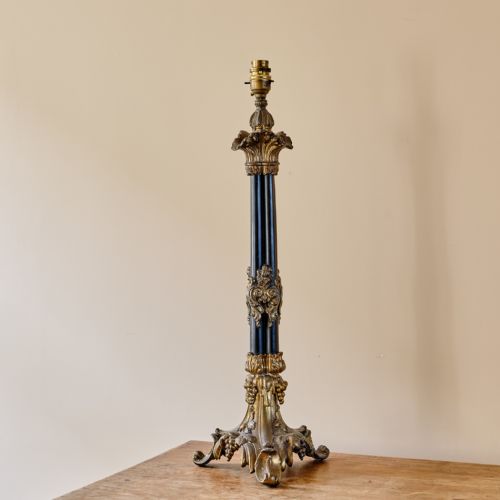
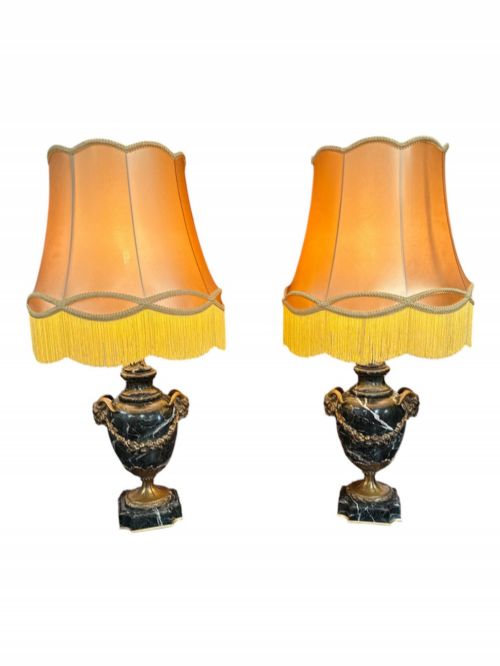
When searching for an antique french side light, a buyer encounters a diverse group of domestic furnishings primarily consisting of table lamps, urn lamps, and bouillotte lights designed for secondary illumination. These objects emerge from nineteenth-century workshops and early twentieth-century periods, spanning styles from Rococo Revival and Neoclassical to Art Deco and French Provincial. The listings show that pairs of table lamps in brass, bronze, and gilt metal dominate the selection, frequently incorporating marble or onyx bases alongside fabric components.
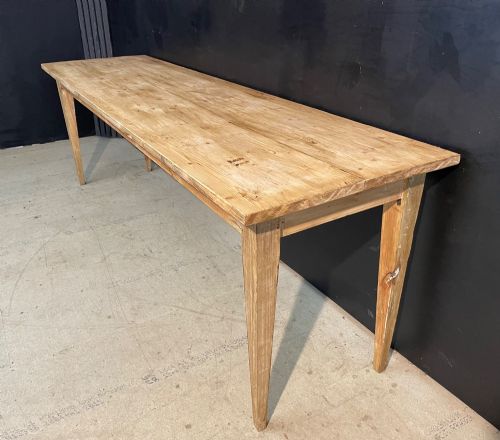
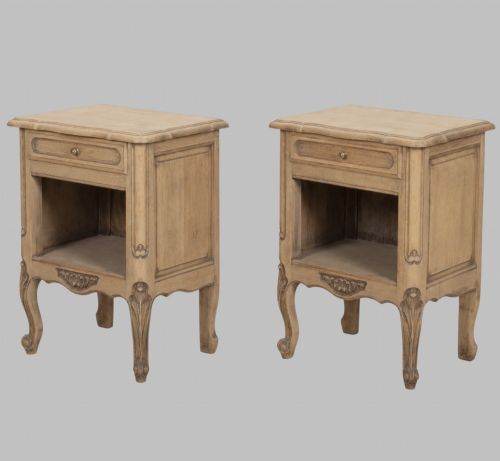
Beyond direct lighting fixtures, the evidence records various supporting furniture types associated with domestic side placement, including bleached oak console tables, bedside cabinets, and side tables. These pieces originate from nineteenth-century production up to the nineteen-thirties, aligning functionally with the placement of small lamps in a room. The combination of lighting and surface furniture provides a cohesive approach to furnishing domestic corners and side spaces with continental character.
How they were made
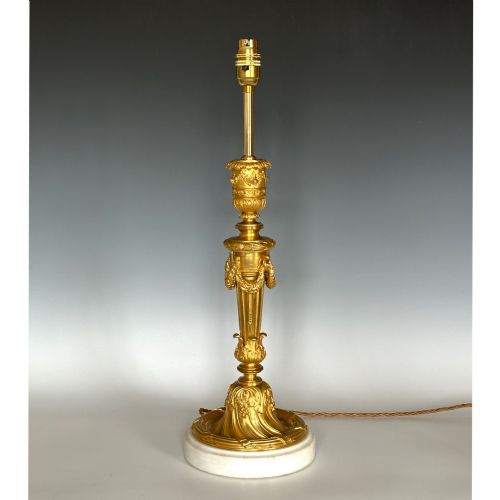
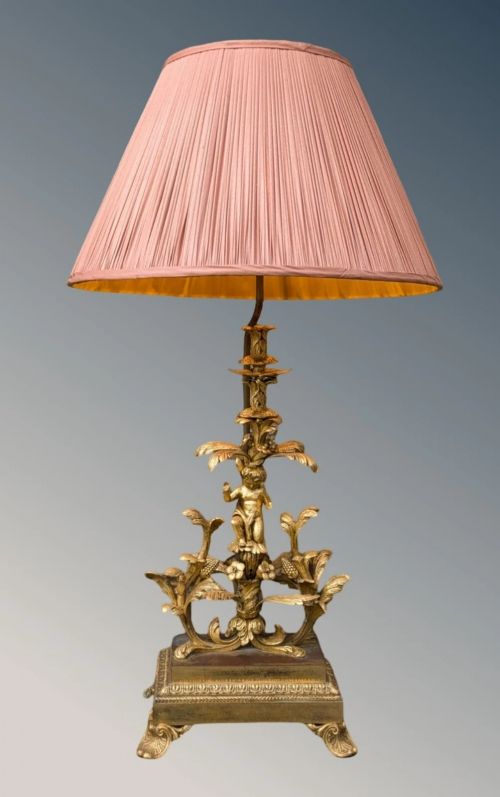
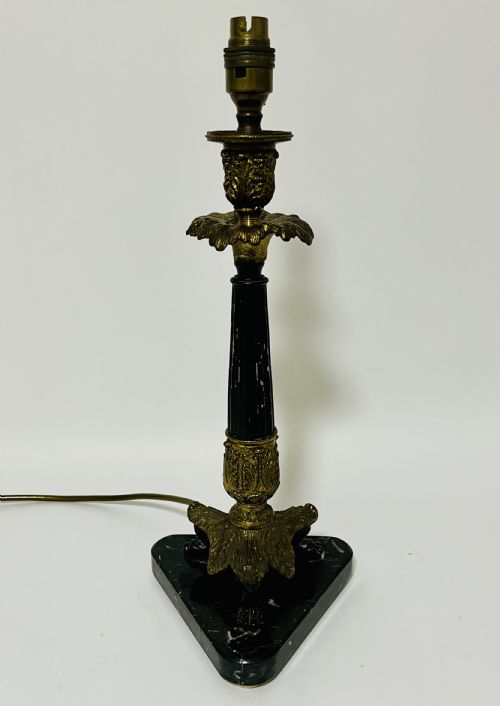
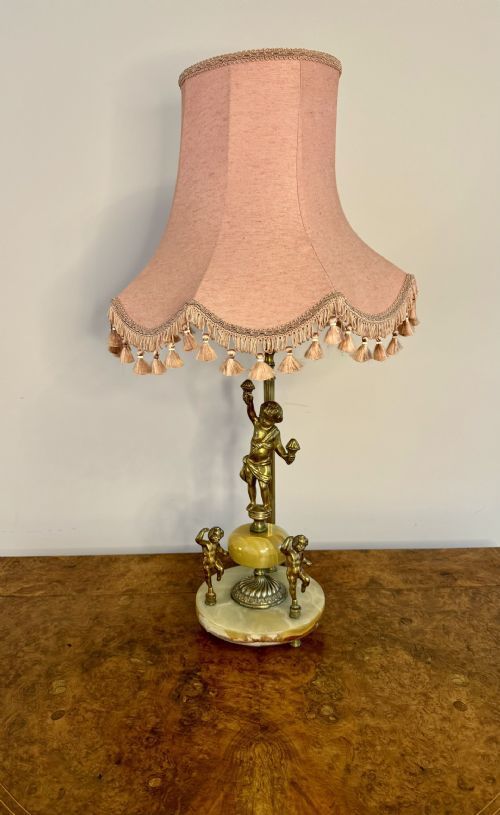
Metalwork forms the core of these lighting fixtures, utilising cast brass, bronze, ormolu, and gilt metal, often combined with natural stone elements like marble and white onyx. Makers employed foundry techniques to produce figural motifs such as cherubs, alongside classical urn shapes and structural elements like wrought iron. Surface finishes range from fire-gilding to patinated bronze and enamelled glass treatments.
For the supporting tables and cabinets recorded in the evidence, construction relies upon timber species such as oak and pine, frequently bleached or finished to display natural grain. Woodworking methods include traditional joinery for cupboards and console tables, occasionally incorporating faux bamboo turning or folding mechanisms. Glass components, including frosted Baccarat elements and Daum shades, integrate with metal lamp bases through fitted collars and mounts.
Cherubs appear with surprising frequency on French lamp bases, keeping a watchful eye over side tables and desks.
What varies in quality
The standard of a lighting piece rests primarily on the crispness of the metal casting and the quality of the chasing work on bronze and ormolu surfaces. Pieces featuring finely articulated figural details, such as cherubs or naturalistic foliage, demonstrate superior craftsmanship compared to simpler moulded designs. The selection of materials also dictates standing, with genuine marble or onyx bases and heavy cast bronze commanding greater substance than lighter stamped metal alternatives.
In supporting furniture items, quality reveals itself through timber selection, such as select oak or pine, and the integrity of structural joinery. Surface treatments, including period gilding techniques and patination, differentiate standard utilitarian items from finer decorative pieces. The inclusion of signed glass components or specific maker attribution elevates the overall standing of the object within its period.
E Rousseau·Daum
The Antique French Side Light Glossary
- Ormolu
- Gilded bronze, produced by applying a mercury and gold amalgam to a bronze base and heating it. This technique creates a durable golden finish seen on nineteenth-century French lighting.
- Bouillotte lamp
- A traditional adjustable desk or table lamp featuring a central shaft, multiple light arms, and a distinctive toleware or metal shade. These were originally designed for the card game bouillotte.
- Girandole
- An ornamental branched candlestick or light fixture, often constructed with crystal drops and mirrors to reflect illumination. Versions appear adapted or built specifically as table lamps.
- Spelter
- A zinc alloy frequently used as a cheaper substitute for bronze in decorative figures and lamp bases during the nineteenth and early twentieth centuries. It accepts patination well to mimic heavier metals.
- Baccarat
- A renowned French crystal manufacturer known for producing high-quality glass figurines and lighting components. Pieces often feature distinct frosted finishes and moulded details.
Antique French Side Light: Frequently Asked Questions
What is a bouillotte lamp?
A bouillotte lamp is a traditional French desk light featuring a central stem, candle-style arms, and an adjustable metal shade. These pieces originally provided focused illumination for card playing.
Today, surviving examples are typically converted to electricity and function as decorative side lighting on desks or sideboards.
How do I identify French Empire style?
French Empire pieces draw heavily on classical Roman, Greek, and Egyptian motifs, featuring symmetrical designs and rich metal mounts. You will often see gilt bronze combined with dark marble or patinated surfaces.
This style emphasises formal dignity and military-inspired ornamentation rather than the flowing curves of earlier revival periods.
Where should I place a console table?
Console tables are designed to stand flat against a wall in hallways, living rooms, or dining spaces. Their shallow depth makes them ideal for narrow circulation areas without blocking pathways.
Pairing one with a table lamp creates a functional focal point upon entering a room.
What distinguishes ormolu from gilt metal?
Ormolu specifically denotes finely chased bronze that has been mercury-gilded, producing a deep and lasting golden lustre. It requires skilled handwork to refine the cast details after removal from the mould.
By contrast, gilt metal usually involves a simpler plating process over a base metal like brass or spelter, resulting in a different weight and surface texture.