




Freestanding Wooden Cupboard
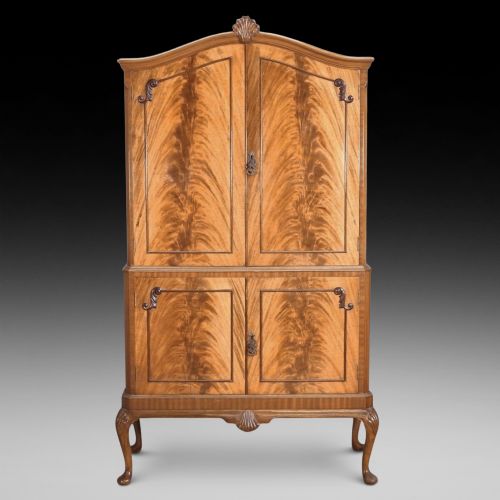
A freestanding wooden cupboard offers solid domestic storage, ranging from sturdy pine kitchen pieces to refined mahogany designs.
Freestanding Wooden Cupboard
A freestanding wooden cupboard provides independent storage without built-in wall fixtures, appearing across periods from Georgian craftsmanship to mid-century modern utility.
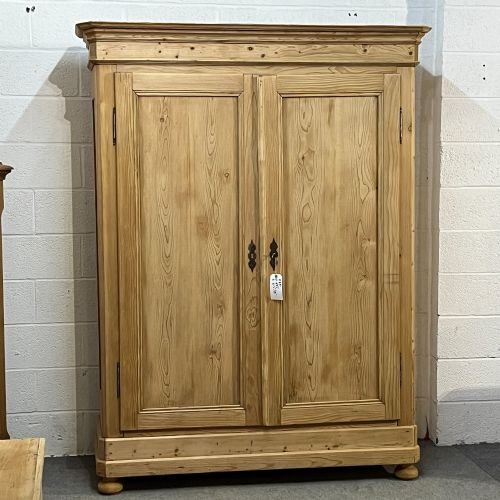
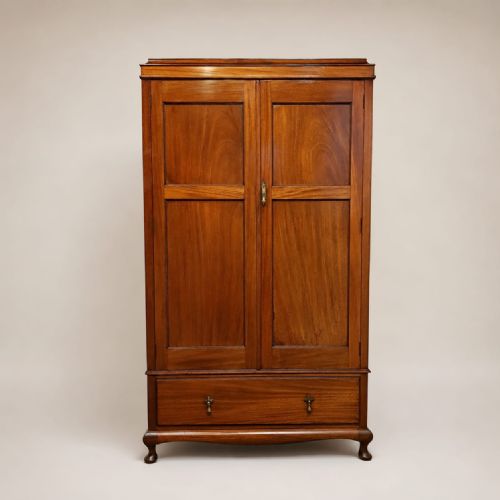
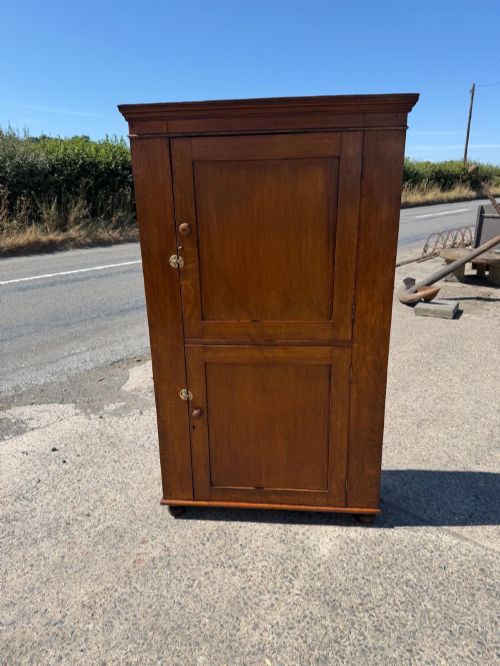
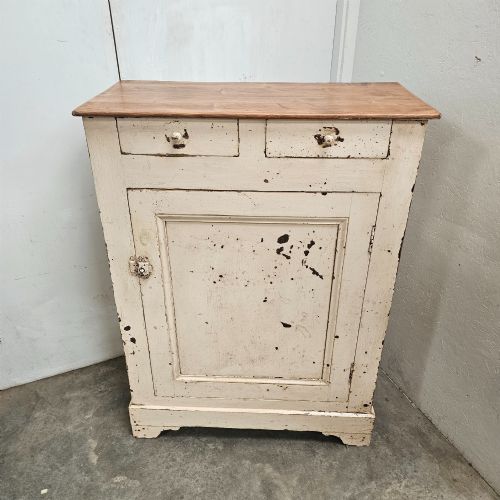
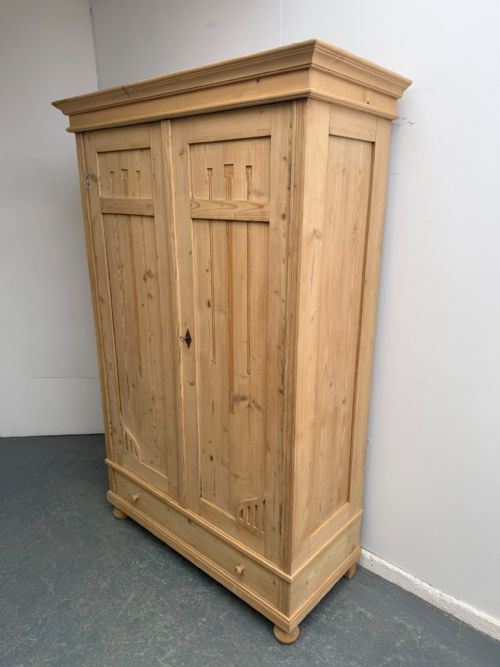
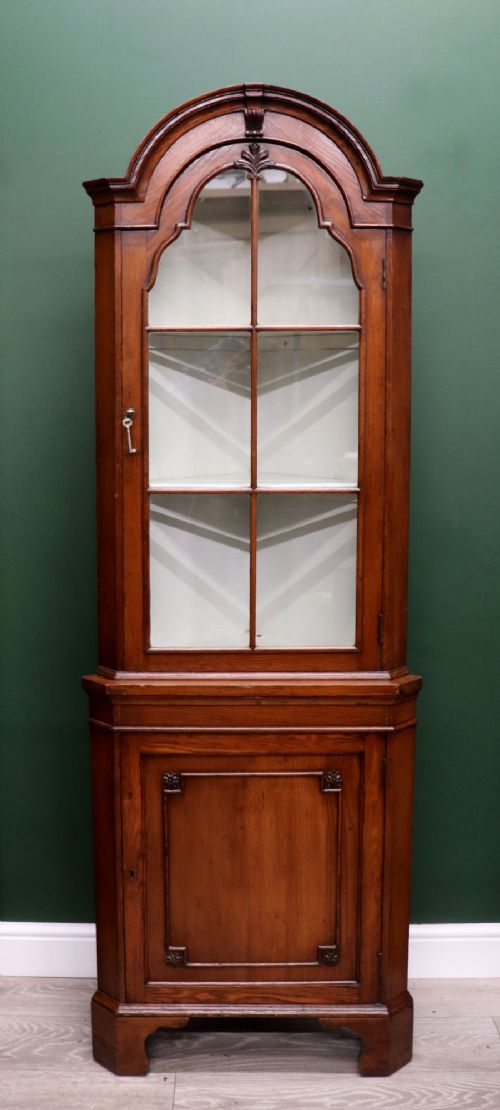
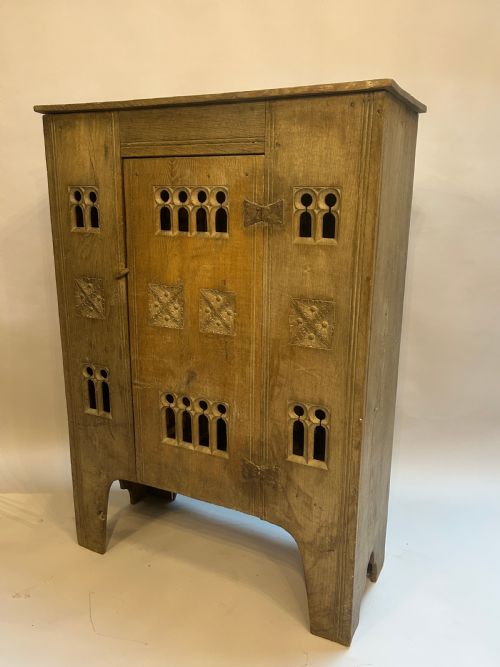
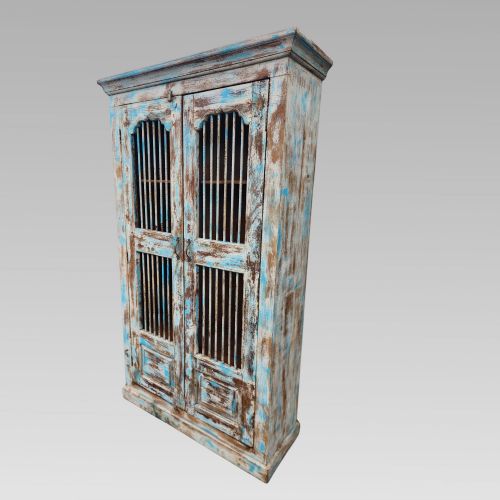
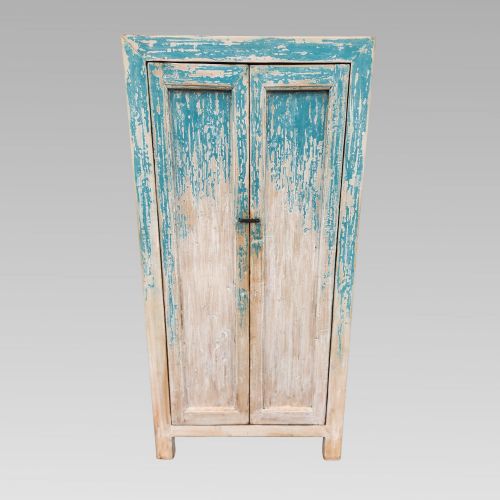
The version most commonly met on this page is the pine or oak storage piece, spanning corner cabinets, wardrobes, and kitchen cupboards.
These items originate from various regional traditions, encompassing English country workshops, French provincial farms, and Scandinavian homes.
How they were made
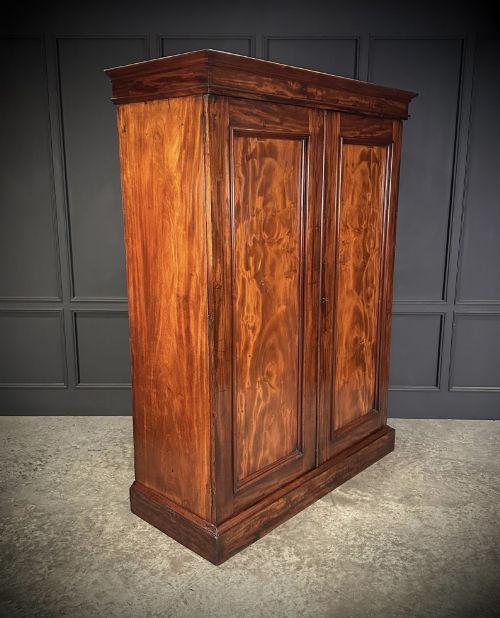
Carpenters utilised durable timbers such as oak, mahogany, and pine, often finished with wax, paint, or applied mouldings.
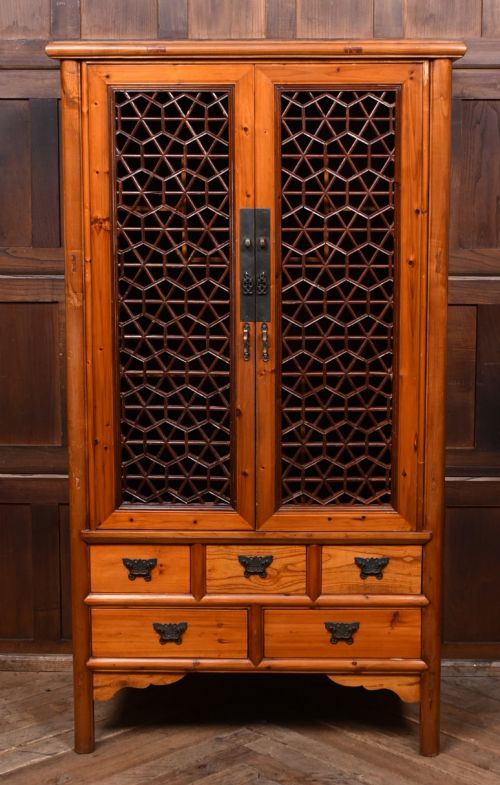
Hardware components like brass handles, iron hinges, and glass panels were integrated to secure doors and display contents.
Listings include pine, oak, mahogany, and teak materials spanning Georgian, Victorian, Edwardian, and 1930s periods.
What varies in quality
Construction methods dictate longevity, distinguishing hand-planed solid timber panels from later composite boards.
Proportion and surface preservation separate utility items from finer decorative examples.
The Freestanding Wooden Cupboard Glossary
- Corner cabinet
- A storage unit designed specifically to fit into the ninety-degree junction of two walls. These pieces maximise awkward domestic spaces.
- Wardrobe
- A tall piece intended for hanging garments and storing linens. Interiors often feature rails, hooks, or adjustable shelving.
- Confiturier
- A French jam cupboard traditionally used for food storage in provincial kitchens. They are typically compact single-door items.
- Bun feet
- Rounded, slightly flattened spherical feet often turned on a lathe. They lift heavier cabinet bases clear of damp floors.
Freestanding Wooden Cupboard: Frequently Asked Questions
Where should I place a freestanding wooden cupboard?
These pieces suit living rooms, hallways, and kitchens where additional storage is required without altering architectural walls.
Ensure the chosen location has stable humidity levels to protect older timbers from warping.
How do I clean a waxed wooden surface?
Dust the exterior regularly with a soft, dry cloth to prevent dirt buildup in the grain.
Apply a traditional beeswax polish sparingly when the wood appears dry, buffing gently to restore the sheen.
Can I paint an antique pine cupboard?
Many pine pieces have historically received coats of paint, while others retain bare or waxed surfaces.
Check whether the finish is original before applying new paint to ensure you preserve historical value.
What is the difference between a linen cupboard and a wardrobe?
Linen cupboards are generally configured with interior shelves specifically for folding sheets, blankets, and towels.
Wardrobes prioritise vertical hanging space for coats and dresses, sometimes incorporating base drawers.