

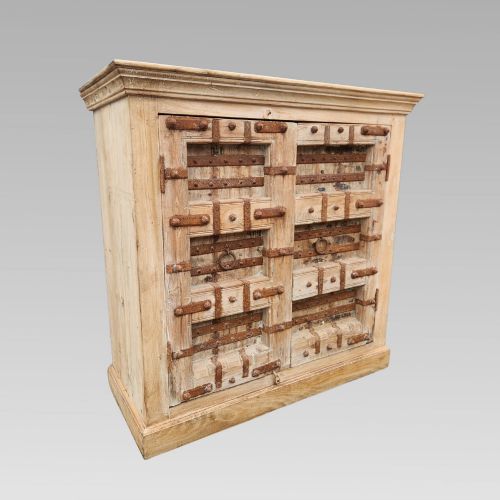
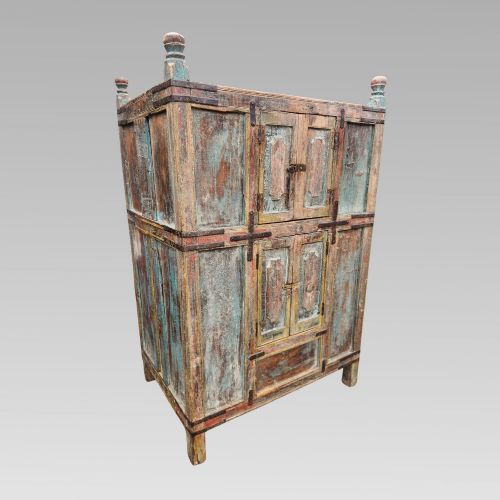
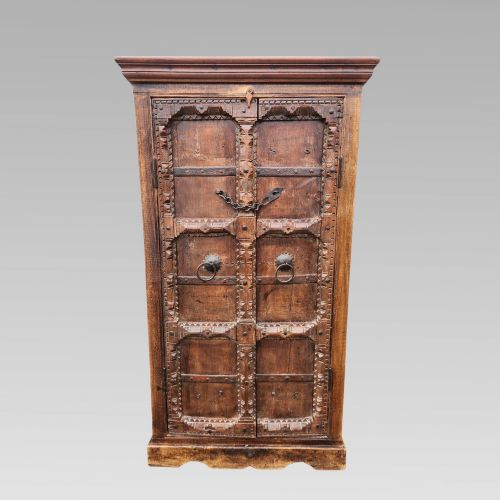
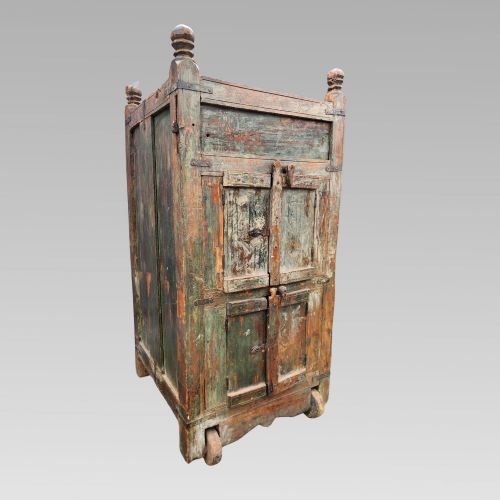
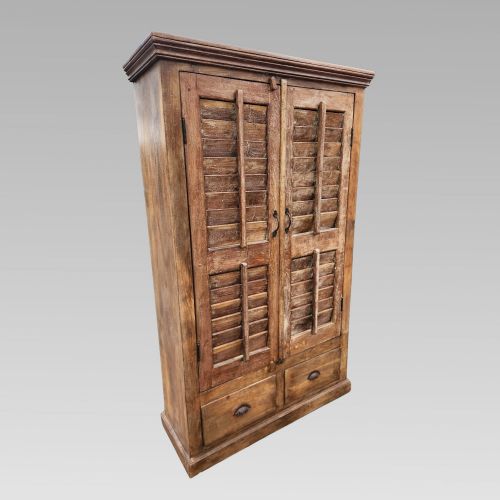


Indian Storage Armoire
An indian storage armoire brings substantial timber character and historic utility into a room.
Indian Storage Armoire
When you search for an indian storage armoire, you encounter robust cupboards, almirahs, and damchiya dowry chests spanning the nineteenth century up to nineteen thirty. These pieces emerge in traditional, rustic, colonial, Anglo-Indian, and folk art styles.
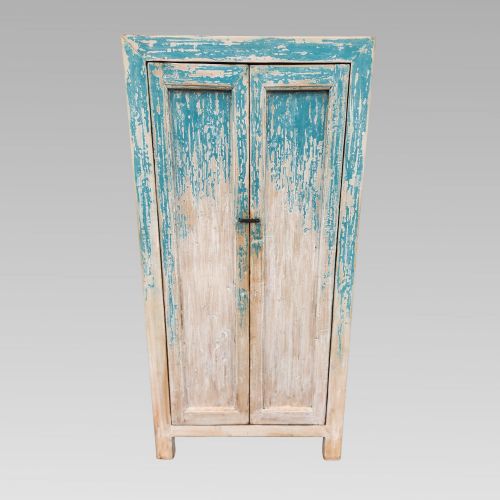
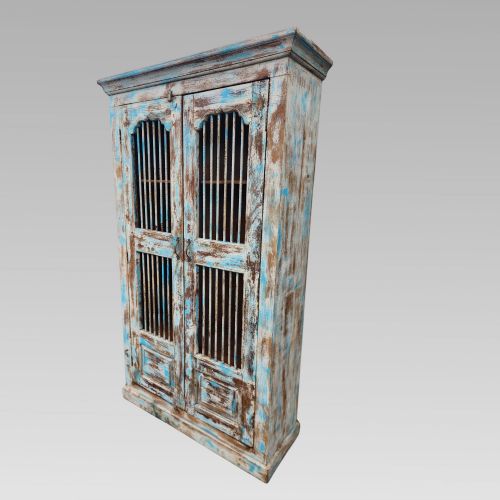
The version you are most likely to meet on this page is a tall cupboard or wardrobe fashioned from teak, cedar, or rosewood, often featuring internal shelves or louvre doors.
Makers utilised reclaimed timbers alongside iron and brass hardware to construct practical storage solutions that double as statement furniture.
Construction and Materials
These armoires rely on solid hardwoods like teak, cedar, and rosewood, frequently reclaimed and shaped into substantial cupboard frames. Timber surfaces often receive layers of paint to display vibrant folk art traditions.
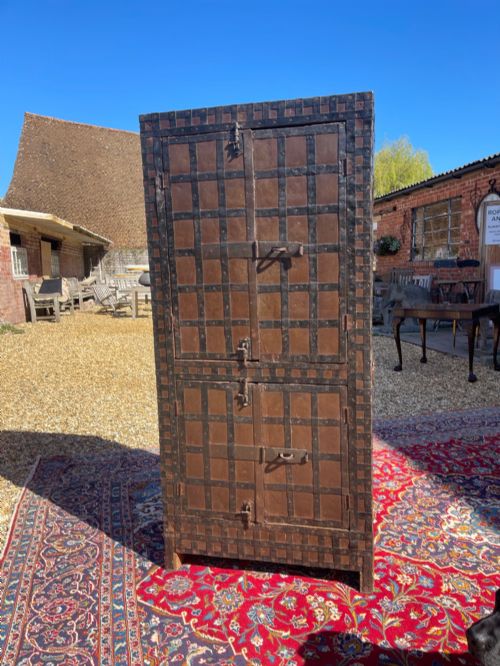
Metal components play a crucial functional and decorative role, with iron bindings and brass fittings reinforcing the heavy wooden structures.
Indian Storage Armoire Retail Price Guide 2026
Typical asking prices for indian storage armoire among the pieces listed under this phrase on Sellingantiques today, from the lower quarter to the upper quarter. They describe what is for sale here now, not the wider market.
Object forms include almirahs, damchiya dowry chests, and tall shelved wardrobes with iron bindings.
Judging Quality and Character
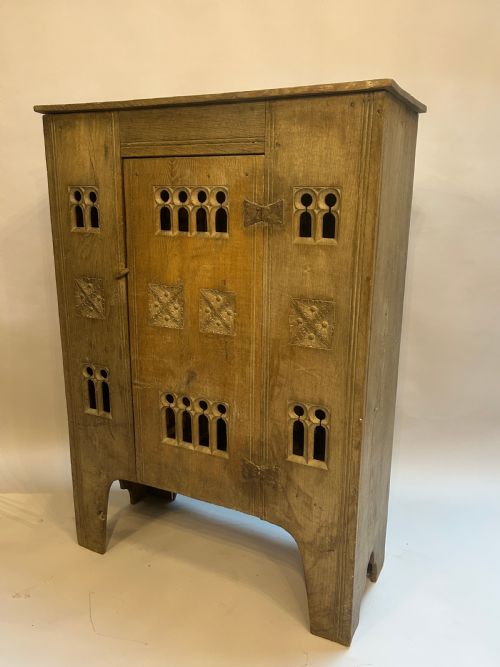
Quality rests in the integrity of the reclaimed timber and the substantial nature of the hardware, distinguishing utilitarian builds from exceptional statement pieces. The depth of carved detail and the application of traditional paint finishes separate standard cupboards from folk art examples.
The preservation of original iron bindings and brass fixtures influences the overall character and historical authenticity of each armoire.
The Indian Storage Armoire Glossary
- Almirah
- A freestanding cupboard or wardrobe used for storage. This term originates from the Indian subcontinent and denotes various cabinet forms.
- Damchiya
- A traditional low dowry chest or storage cupboard often associated with regional Indian craftsmanship. These pieces serve as decorative storage furniture.
- Louvre door
- A door constructed with horizontal wooden slats that allow ventilation while concealing contents. This feature appears on select wardrobe designs.
- Anglo-Indian
- A style reflecting the aesthetic fusion of British and Indian design motifs during the colonial period. It combines classical European proportions with traditional subcontinent woodworking.
Indian Storage Armoire: Frequently Asked Questions
What is an indian storage armoire?
An indian storage armoire is a large wooden cupboard, almirah, or dowry chest originating from the Indian subcontinent. These pieces provide enclosed shelving and hanging space for domestic use.
They appear in styles ranging from rustic folk art to formal colonial designs, utilising durable regional timbers.
How are these cupboards used today?
These cabinets function as versatile storage furniture in modern homes, serving as wardrobes, linen cupboards, or general media cabinets. Their internal shelves and generous proportions accommodate everyday household items.
Placing one in a hallway or bedroom introduces strong architectural presence and hidden storage.
What woods are commonly found?
The primary woods seen in these listings are teak, cedar, and rosewood. Many pieces utilise reclaimed timber to build the robust frame and doors.
Painters frequently decorated the exterior surfaces of these hardwoods with traditional folk art colours.
How do I identify nineteenth century pieces?
Nineteenth century examples often display heavy iron binding, traditional folk art painted finishes, or Anglo-Indian styling. Construction methods rely on hand-worked hardwoods without modern mechanical fasteners.
Examining the wear on the timber and the style of the brass and iron hardware helps date the cupboard.