

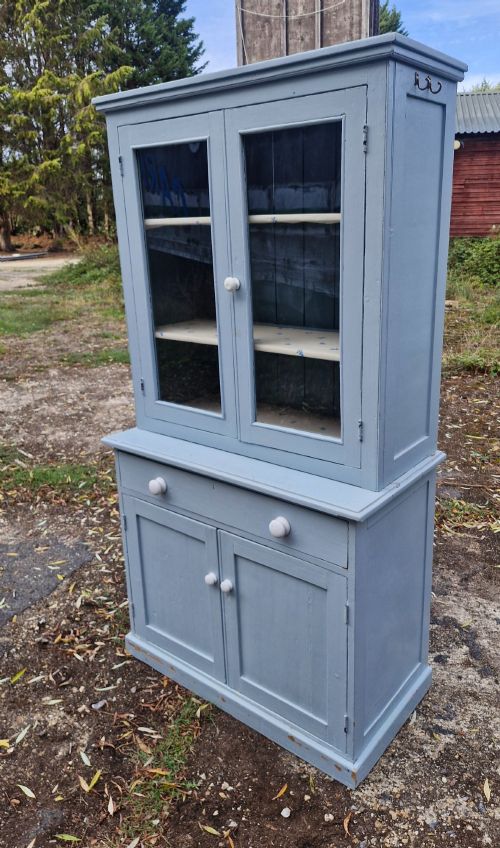
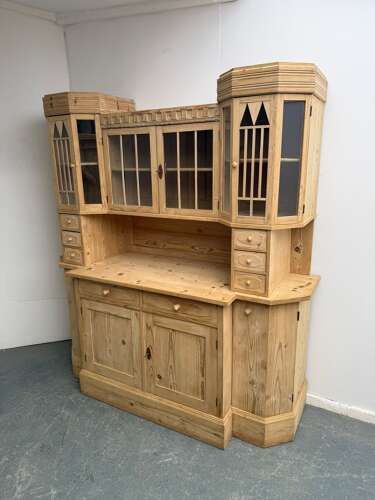
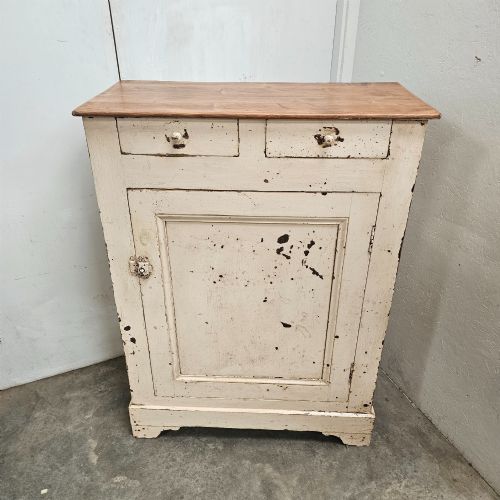
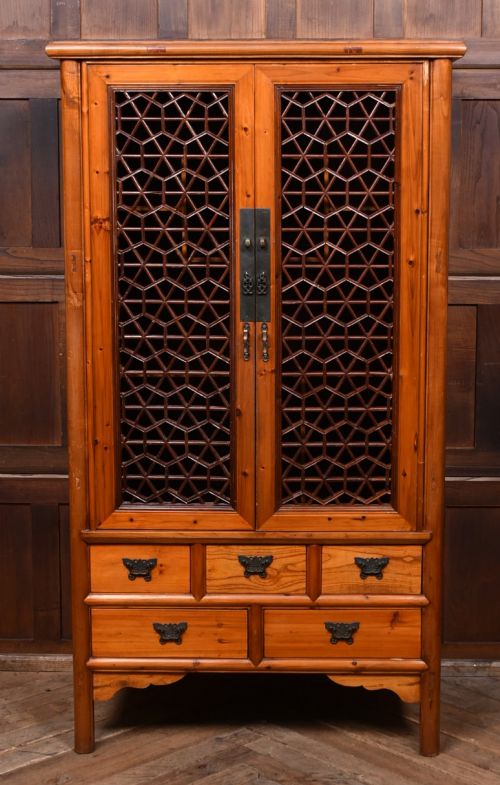
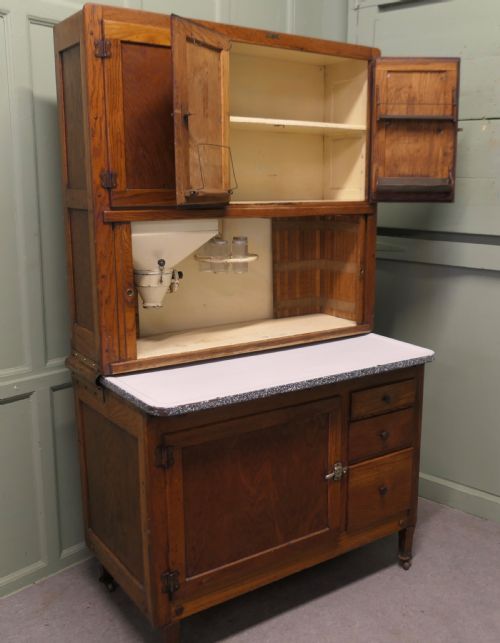
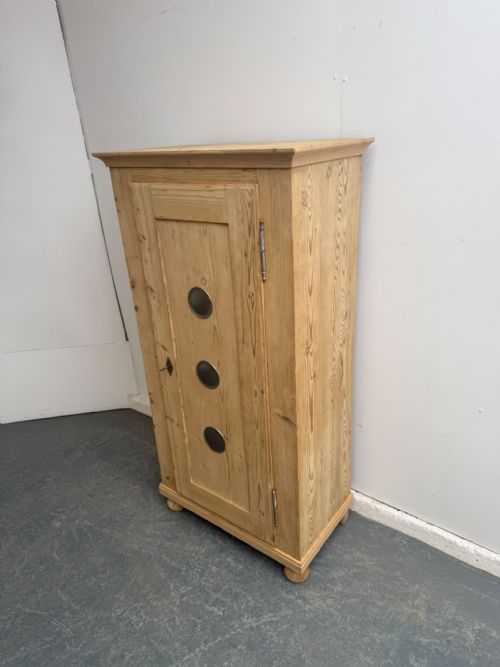


Freestanding Kitchen Cupboard
These pieces give a room a working heart, and a freestanding kitchen cupboard brings practical storage with the warmth of aged timber.
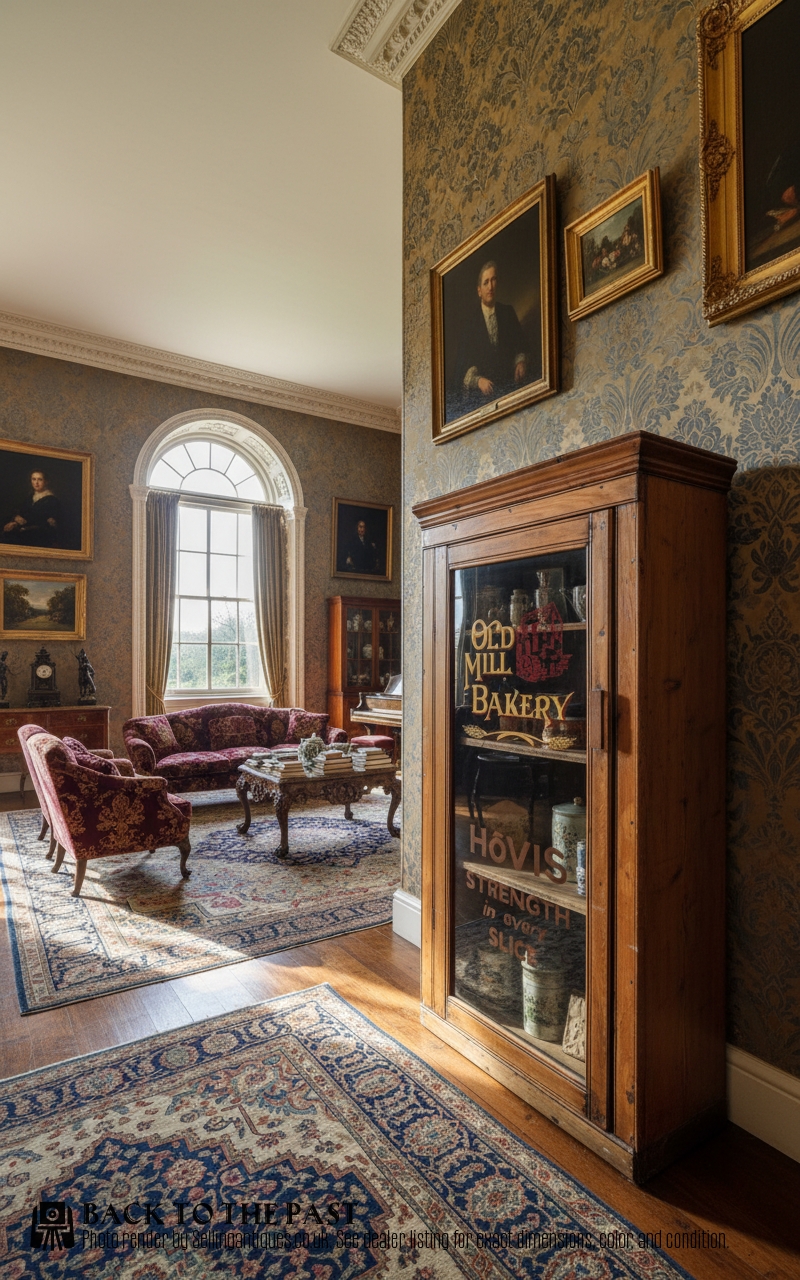
Freestanding Kitchen Cupboard
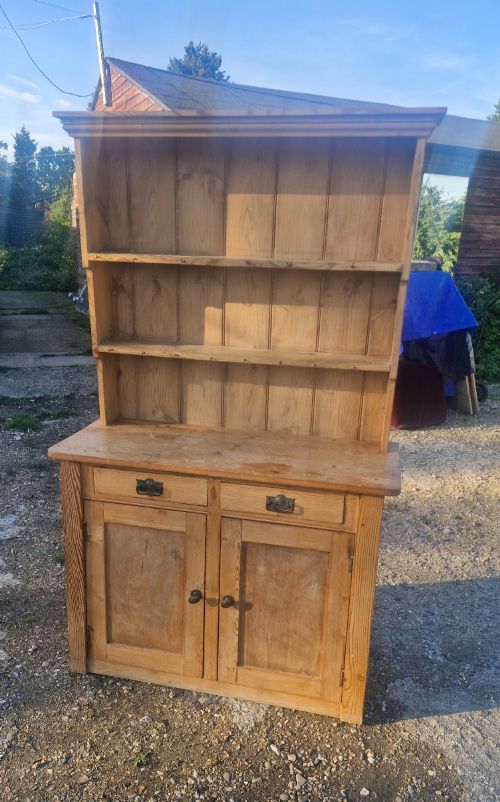
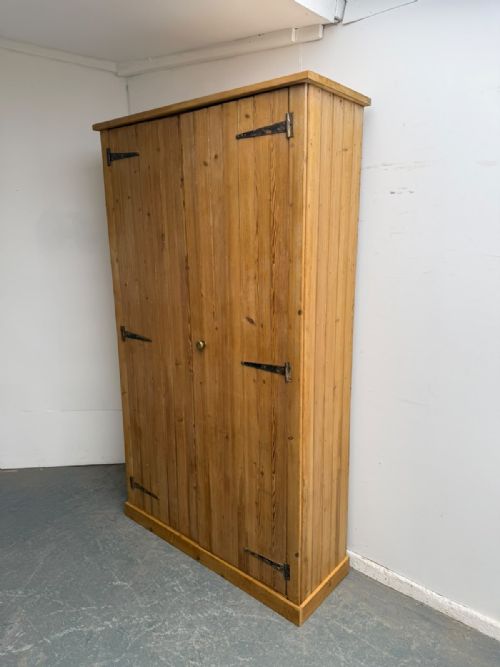
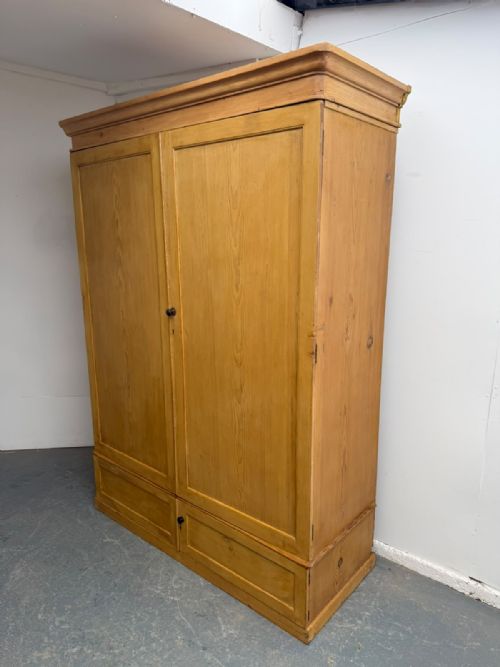
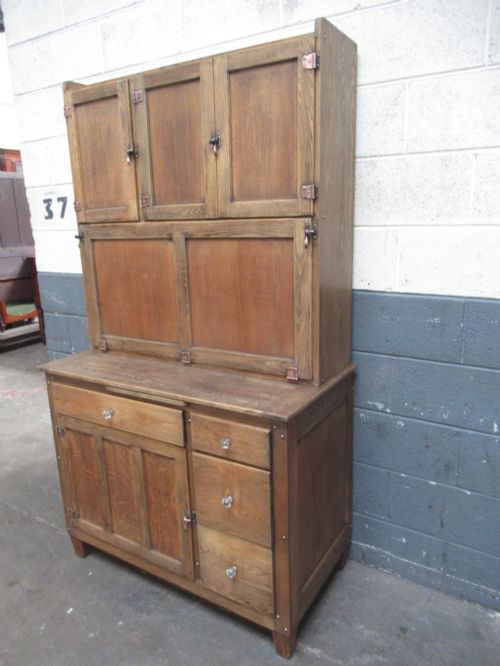
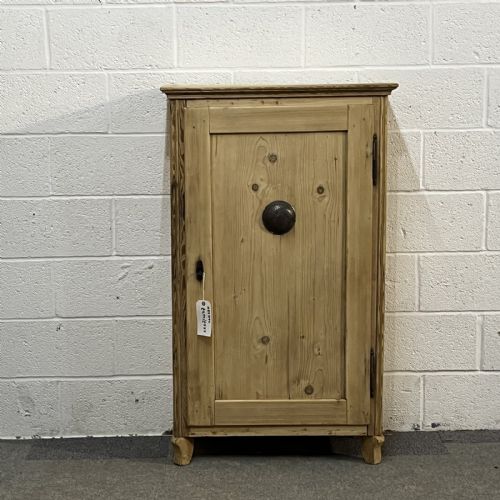
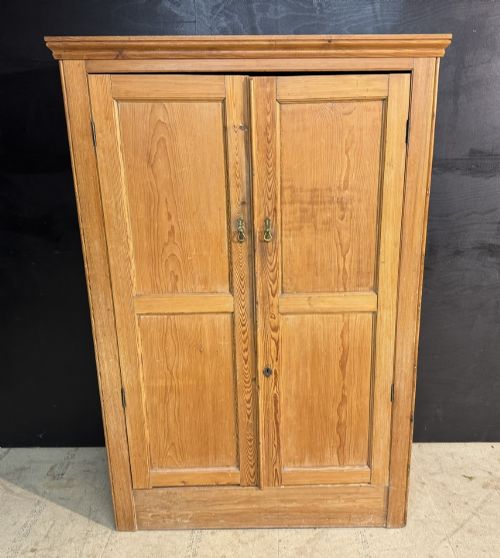
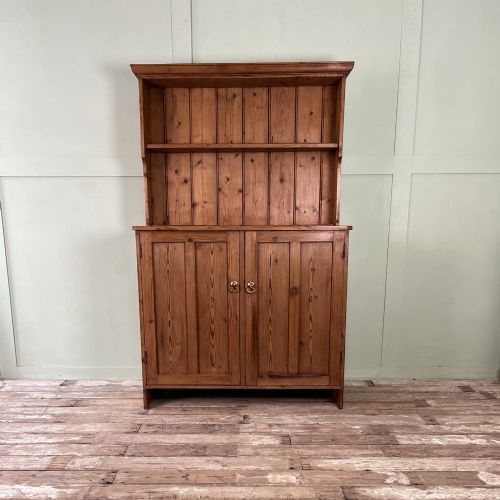
A freestanding kitchen cupboard provides adaptable storage for domestic rooms through forms such as larder cupboards, housekeepers cupboards, dressers, and food cupboards. They stand independently against walls, offering enclosed shelving and surface space without the need for fitted kitchen units.
The versions most commonly met here span the eighteenth, nineteenth, and early twentieth centuries, fashioned primarily in pine and oak. Regional variations include English, Scottish, and French provincial examples alongside Arts and Crafts and rustic farmhouse styles.
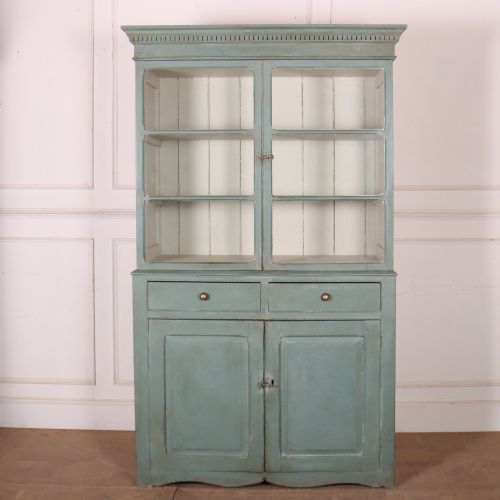
Makers and workshops utilised woods like pine, pitch pine, and oak, occasionally incorporating glass panels, brass hardware, and iron vents. Pieces range from single-door ventilated cupboards to large multi-part dressers and kitchen cabinets.
How they were made
Joiners constructed these pieces predominantly from solid pine and oak, relying on traditional framing and panel assembly to handle heavy domestic use. Surfaces frequently display original paint, wax finishes, or scrubbed timber grain.
Freestanding Kitchen Cupboard Retail Price Guide 2026
Typical asking prices for freestanding kitchen cupboard among the pieces listed under this phrase on Sellingantiques today, from the lower quarter to the upper quarter. They describe what is for sale here now, not the wider market.
Listings feature nineteenth-century pine and oak pieces, including glazed bookcases, housekeepers cupboards, and French provincial confituriers.
What varies in quality
Construction integrity separates sturdier domestic furniture from simpler utilitarian boxes, seen in the thickness of timber boards and the tightness of joints. Retained original surfaces, such as early paint or undisturbed patination, distinguish untouched examples from later alterations.
The refinement of proportions and the survival of original hardware, glass panes, and internal shelving layouts dictate the overall character of each cabinet.
Hudson Bros
The Freestanding Kitchen Cupboard Glossary
- Larder cupboard
- A tall storage unit traditionally used for food preservation, often featuring ventilated panels to allow air circulation. These cabinets keep provisions organised in the kitchen or scullery.
- Housekeeper's cupboard
- A large storage piece designed for linens, dry goods, and domestic utensils. They typically combine lower cupboards with upper shelving sections.
- Pot board dresser
- A traditional open-shelf dresser featuring a low slatted shelf near the floor for storing heavy pots and pans. This form anchors the rustic kitchen style.
- Bread and cheese cupboard
- A specialised food storage piece incorporating pierced or wire mesh panels for ventilation. Such cabinets kept perishables fresh before mechanical refrigeration.
- Confiturier
- A French provincial storage cabinet traditionally used for preserving fruits and confit meats. These compact cupboards suit smaller kitchen spaces.
Freestanding Kitchen Cupboard: Frequently Asked Questions
How do I use a larder cupboard today?
These cabinets suit modern kitchens as pantries for dry goods, tableware, or glassware.
Their deep shelves and sturdy doors offer substantial freestanding storage without fitted joinery.
What is the difference between a dresser and a cupboard?
A cupboard provides enclosed storage behind doors, whereas a dresser typically combines base cupboards with an open upper rack for display.
Both serve as central storage fixtures in country kitchens.
Are these cupboards suitable for small kitchens?
Compact single-door cupboards and small housekeepers cupboards fit easily into restricted wall spaces.
They provide vertical storage capacity while maintaining a movable, non-permanent footprint.
How do I identify a nineteenth-century pine piece?
Nineteenth-century items display hand-planed timber surfaces, traditional joinery methods, and aged patination acquired through decades of domestic use.
Hardware like iron latches and brass hinges further indicates the period of manufacture.