



Freestanding Hearth Screen
A freestanding hearth screen protects a room from stray embers while adding a striking decorative focus to the fireplace.
Freestanding Hearth Screen
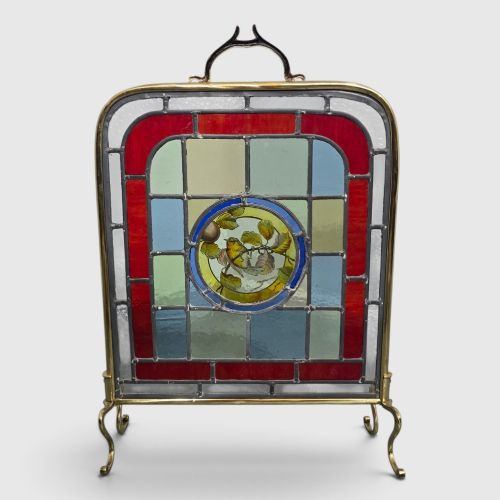
A freestanding hearth screen stands independently before an open fireplace to deflect excessive heat and catch flying sparks. These items appear across several distinct historical eras, including the nineteenth century, the Victorian period, and twentieth-century decades up to nineteen-thirty.
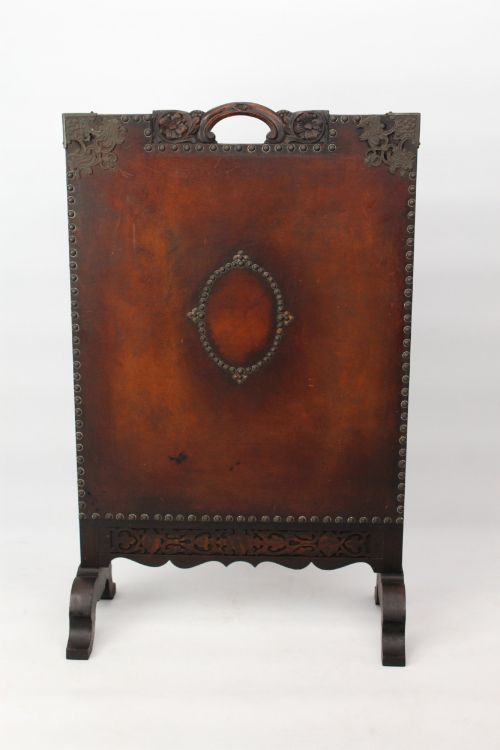
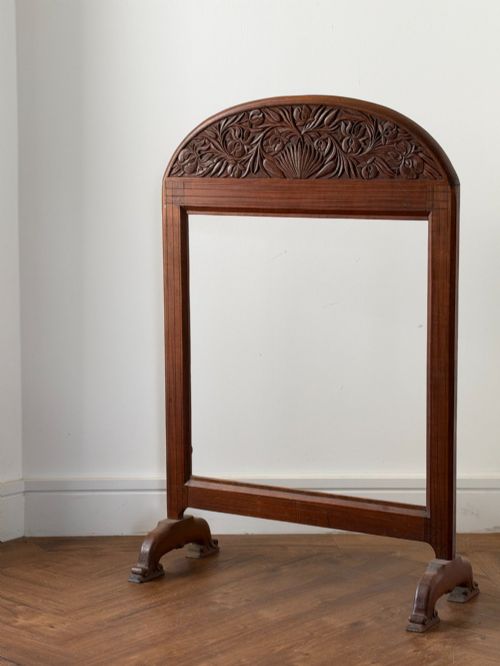
Makers shaped these useful household furnishings in varied forms such as fire guards, spark guards, and firescreens. The selections here include wooden framed models, carved examples, and sturdy metal designs.
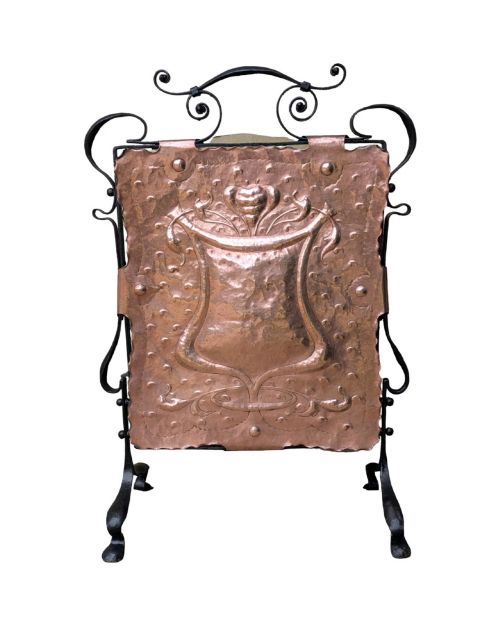
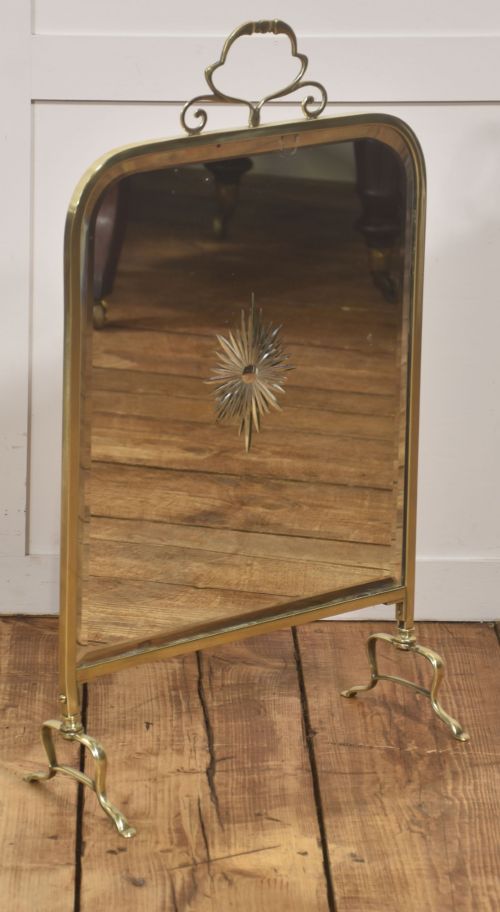
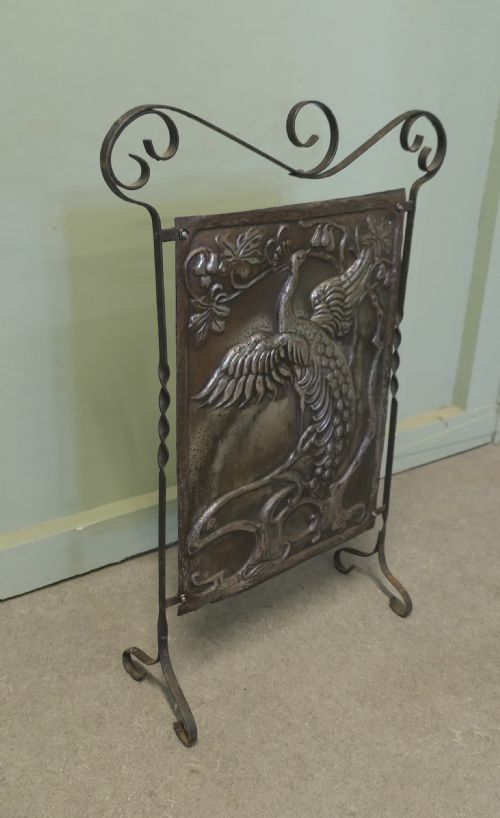
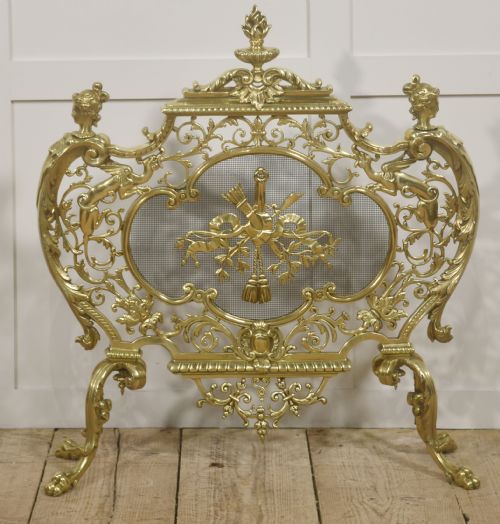
The most common versions met on this page utilise brass, wrought iron, and polished iron. Many incorporate decorative elements such as glass panels, wire mesh, lead, woolwork, and copper.
How they were made
Craftsmen built these guards using durable metals like brass, iron, and wrought iron, often shaping them with pierced work, heavy frames, or intricate wire mesh. Workshops employed carpentry for wooden structures, housing panels of walnut or oak.
Decorative detailing involved stained glass, leaded joints, carved woodwork, and mirror inserts. Artisans applied styles ranging from Gothic Revival and French Rococo to the distinctive motifs of the Arts and Crafts movement.
Freestanding Hearth Screen Retail Price Guide 2026
Typical asking prices for freestanding hearth screen among the pieces listed under this phrase on Sellingantiques today, from the lower quarter to the upper quarter. They describe what is for sale here now, not the wider market.
Design influences on this page range from French Rococo and Gothic Revival to Arts and Crafts.
What varies in quality
The distinction between standard examples and superior pieces rests on the weight of the metal and the crispness of the hand-carved or pierced details. Heavier gauge iron and substantial brass frames indicate robust construction designed for daily hearth use.
Artistic execution dictates desirability, particularly in Arts and Crafts copperwork, stained glass panels, and detailed needlework woolwork inserts. The integration of mirror glass or complex pivoting frames also separates simpler utility items from finer parlour furnishings.
The Freestanding Hearth Screen Glossary
- Spark guard
- A protective barrier of wire mesh or metal screen placed before a fireplace to catch flying embers. These practical additions keep rooms safe while fires burn down.
- Arts and Crafts
- A design movement prioritising traditional craftsmanship and honest materials. Pieces from this tradition often feature copper, oak, and stylised natural motifs.
- Gothic Revival
- An architectural and decorative style drawing on medieval forms. Such items frequently display pointed arches, heavy ironwork, and solemn ecclesiastical lines.
- French Rococo Revival
- A decorative style characterised by elaborate, asymmetrical scrolls and shell motifs. These flamboyant brass frames bring ornate curves to nineteenth-century hearths.
- Woolwork panel
- A decorative textile insert worked in yarn, often mounted behind glass within a wooden frame. These panels introduced soft colour and domestic handiwork to fireplace accessories.
Freestanding Hearth Screen: Frequently Asked Questions
What is a freestanding hearth screen used for?
These screens serve primarily to shield the room from sudden sparks and intense radiant heat while the fireplace is burning. They also act as a decorative screen to conceal an empty hearth during warmer months.
Beyond simple protection, they complete the visual arrangement of a fireplace surround. Different styles bring distinct period character to a chimney breast.
How do I date an old metal fire screen?
Dating relies on examining the manufacturing techniques, material choices, and prevailing decorative styles. Nineteenth-century pieces often show hand-forged ironwork or heavy cast brass, while later Victorian items might blend mirror glass and Arts and Crafts copper.
Stylistic markers provide the clearest clues. Gothic Revival and French Rococo pieces follow specific nineteenth-century revival movements, whereas simpler iron mesh guards frequently point towards the early twentieth century.
Are brass and iron screens difficult to maintain?
Maintenance depends on the finish and whether you prefer a bright polished look or an aged patina. Wrought iron generally requires minimal attention beyond occasional dusting to prevent surface moisture accumulation.
Brass surfaces may need gentle cleaning if you wish to reduce tarnishing. Many collectors prefer to leave the historical oxidation undisturbed as evidence of age.