
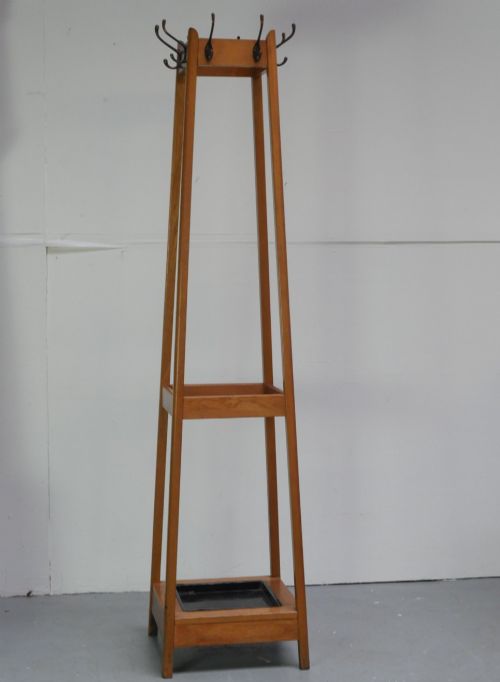
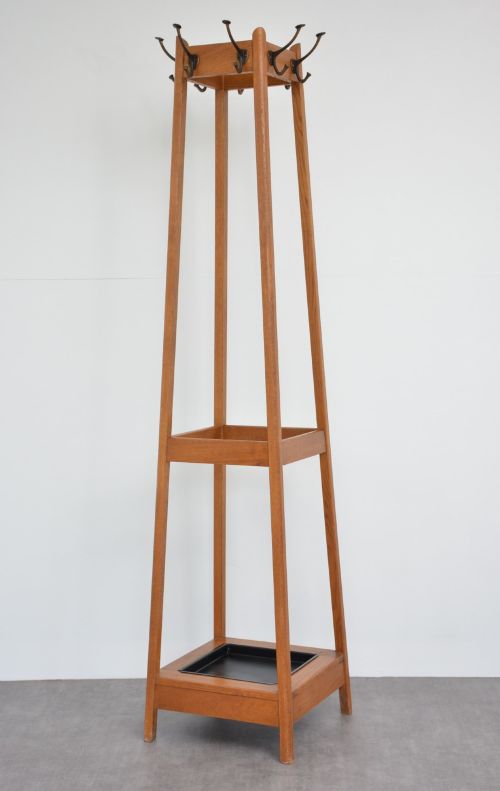
Freestanding Hall Stand
A freestanding hall stand organises the entrance of a home, holding coats, hats and umbrellas while setting the tone for the interior.
How They Were Made
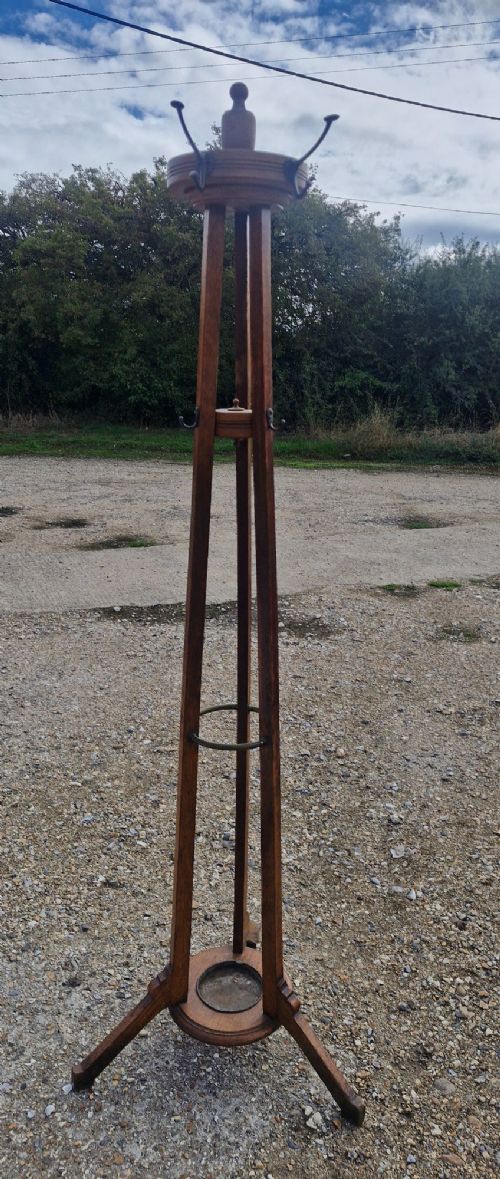
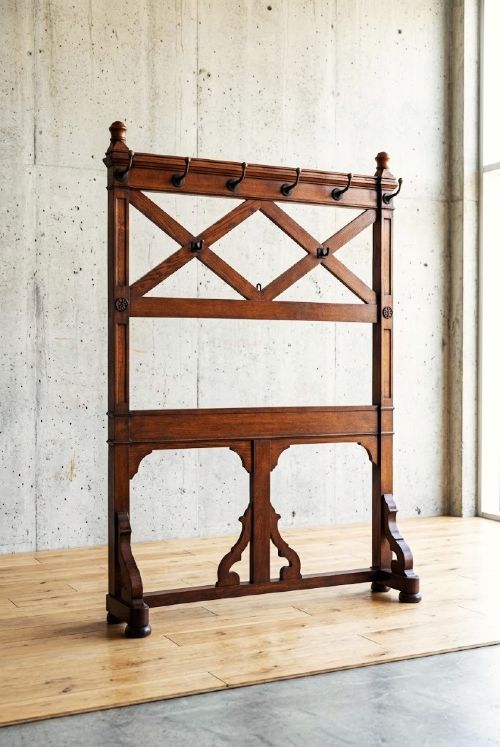
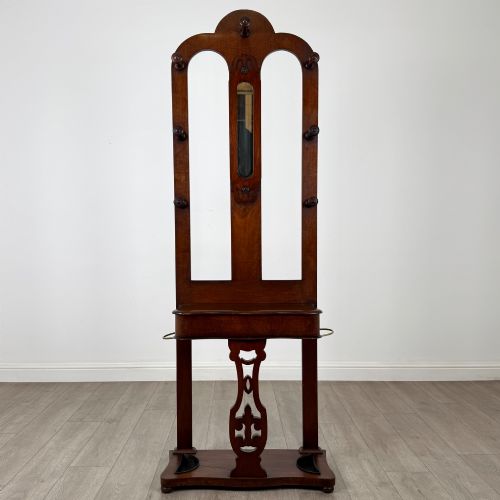
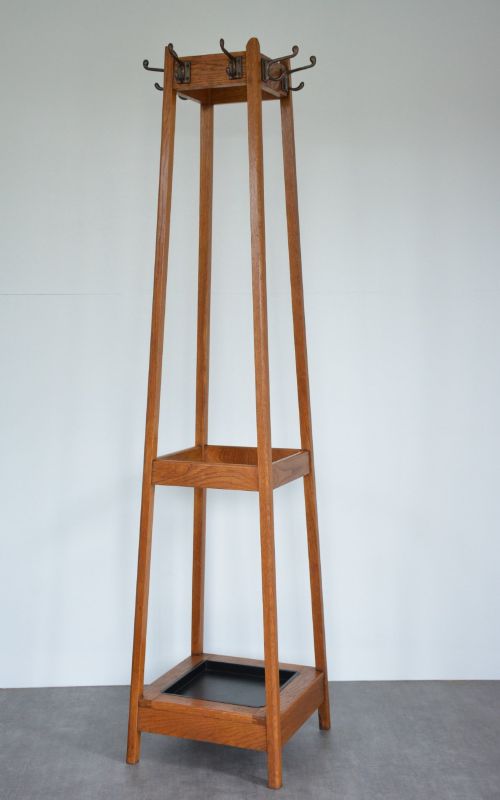
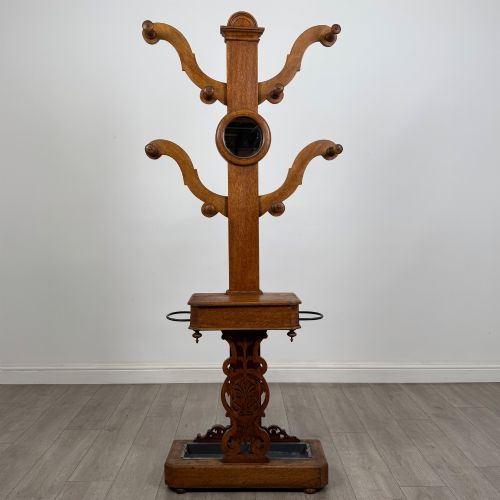
Cabinet makers constructed these pieces using solid hardwoods like oak, mahogany and walnut for traditional architectural frames, employing joinery such as mortise and tenon to ensure stability under heavy winter coats. Carved details, fielded panels and applied mouldings define the more formal Victorian and Arts and Crafts examples.
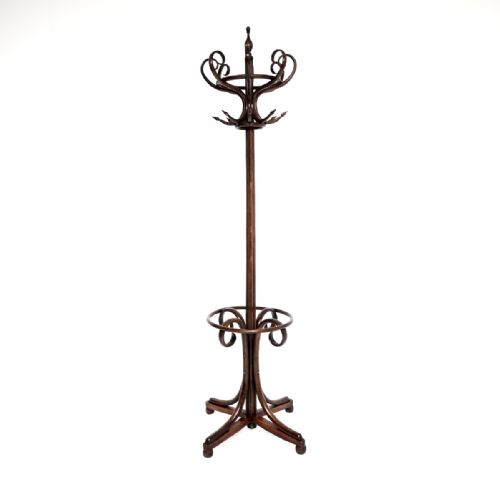
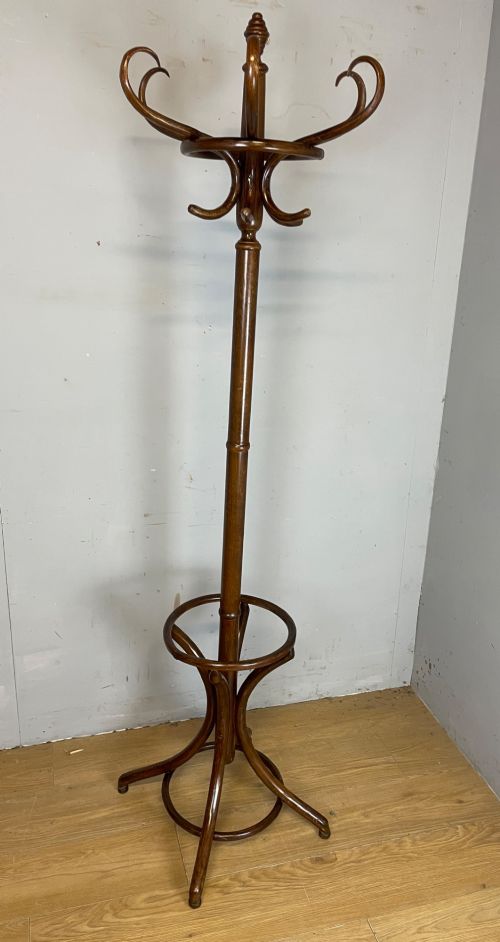
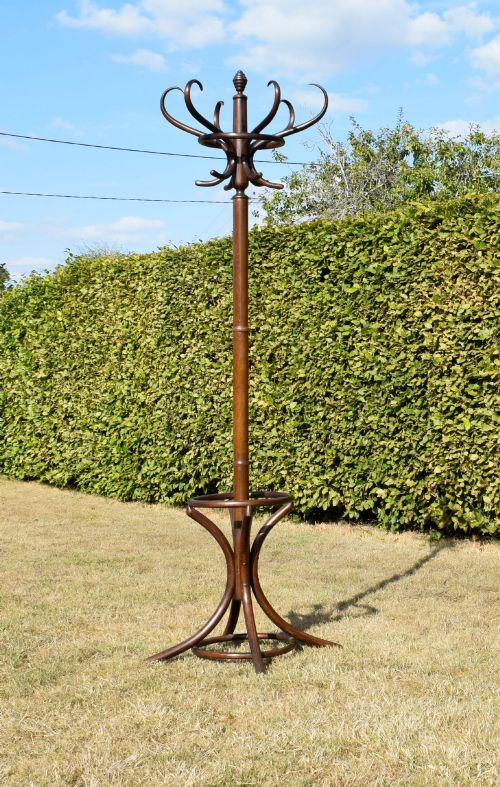
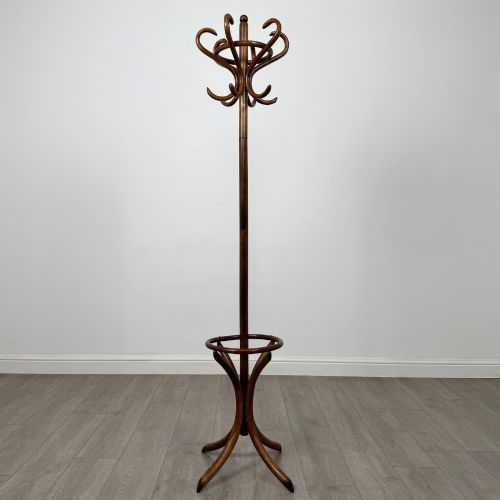
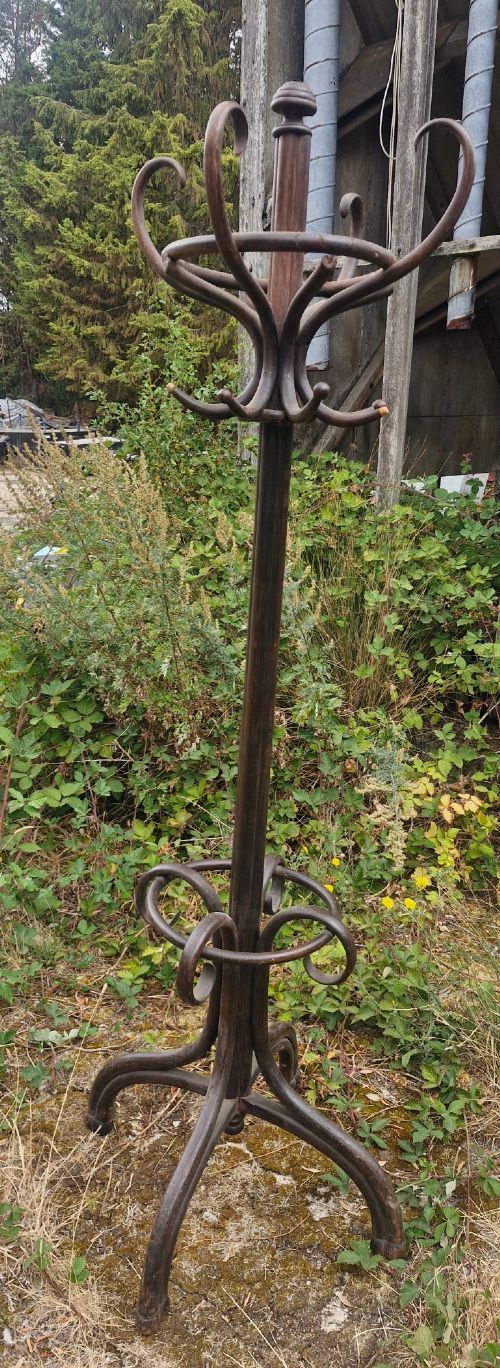
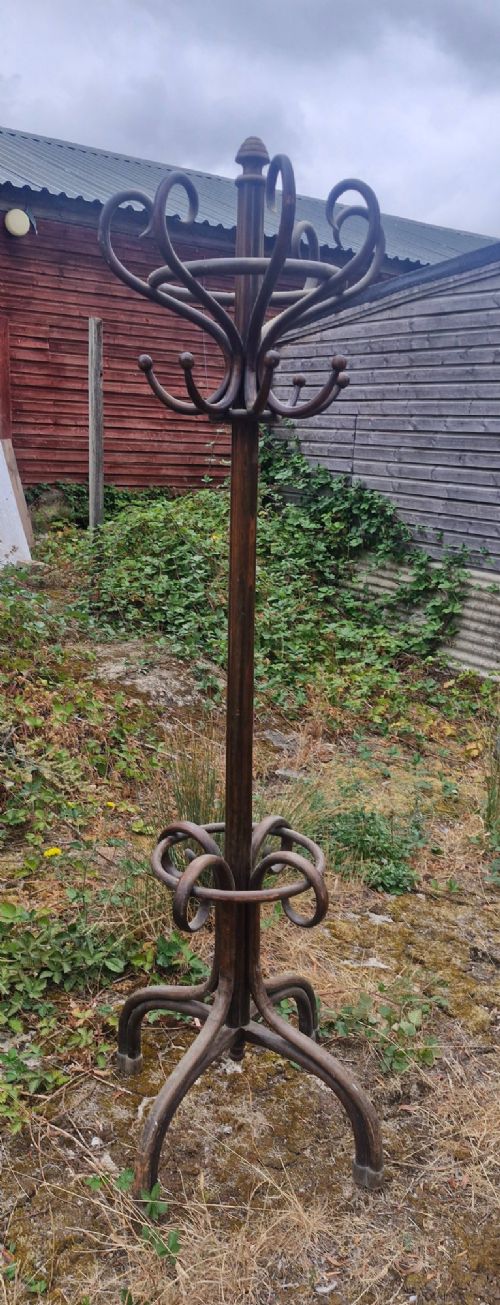
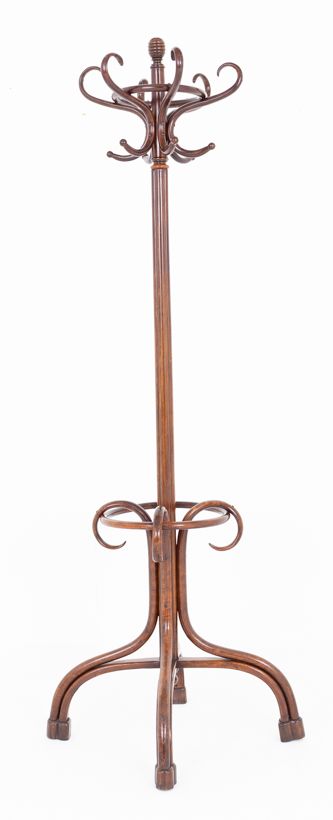
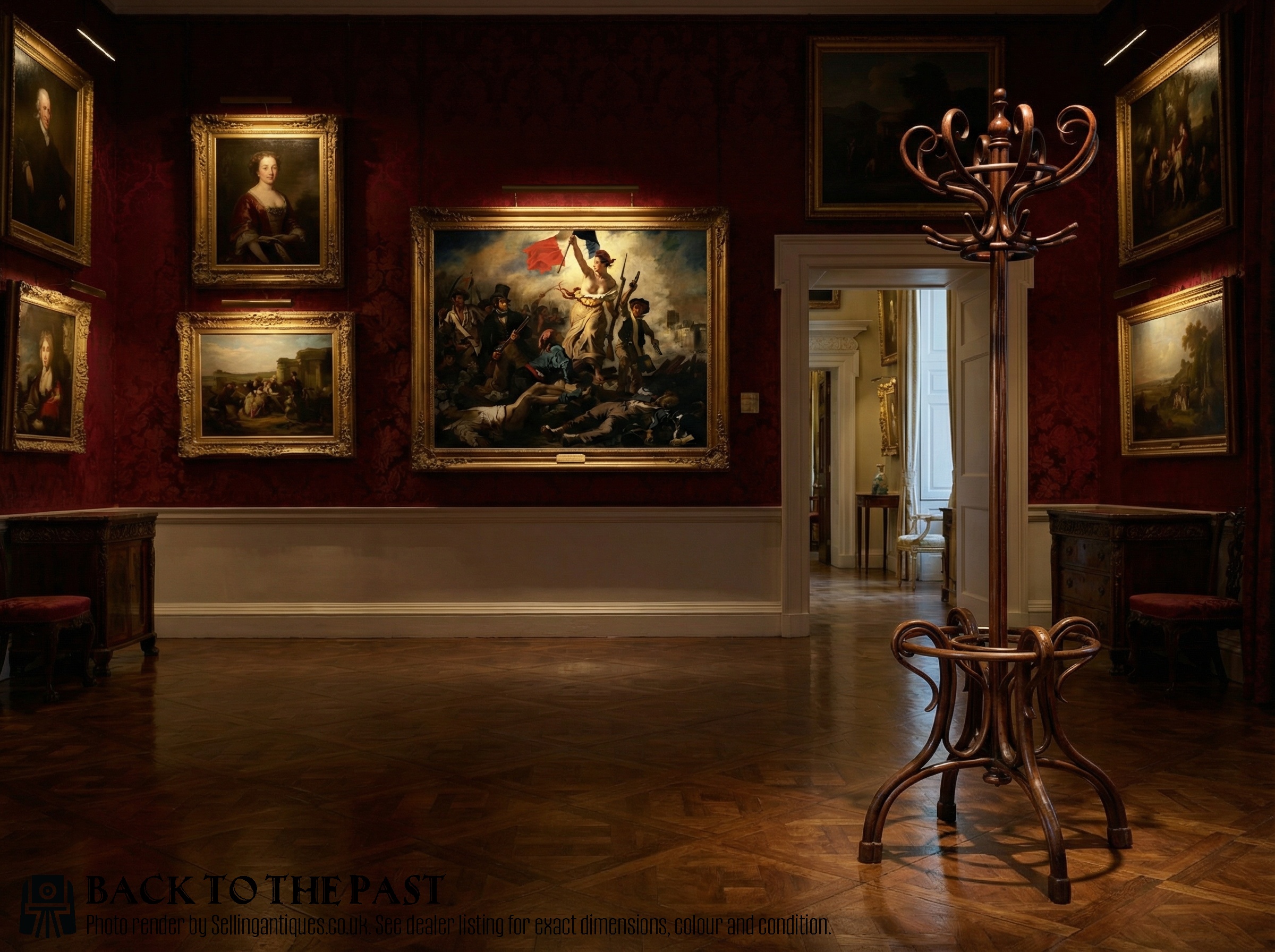
Bentwood examples rely on steaming beech or beechwood until pliable, then bending the timber into flowing circular loops and scrollwork before securing the components with screws or metal collars. This technique produced lightweight yet robust coat trees and revolving stands popular from the late nineteenth century onwards.
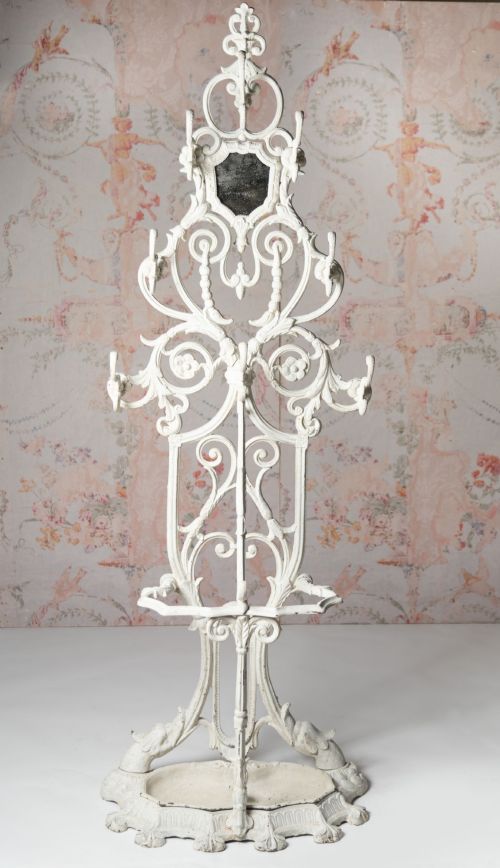
Metal elements such as brass or cast iron feature heavily as structural hooks, umbrella rings and removable drip trays. These metal components were chosen for their durability and resistance to moisture from wet umbrellas.
What Varies In Quality
The calibre of a freestanding hall stand rests upon the choice of timber and the integrity of its construction. Dense, figured hardwoods like burr walnut and quarter-sawn oak indicate superior material selection compared to plain secondary timbers.
Structural engineering dictates longevity, particularly in pieces that bear heavy loads of garments and walking sticks. Superior items feature balanced weighted bases, robust joints that resist wobble, and original cast metal drip trays rather than later replacements.
Freestanding Hall Stand Retail Price Guide 2026
Typical asking prices for freestanding hall stand among the pieces listed under this phrase on Sellingantiques today, from the lower quarter to the upper quarter. They describe what is for sale here now, not the wider market.
Listings feature pieces from the 1880s through to the 1950s, demonstrating a continuous evolution in hallway storage design from heavy Victorian oak to industrial metal-framed variants.
Jas. Shoolbred·Fischel·Astrola·Thonet
The Freestanding Hall Stand Glossary
- Bentwood
- Wood shaped by steaming and bending rather than carving. This technique creates curved, organic frames commonly found in nineteenth and early twentieth-century coat stands.
- Hall tree
- An alternative term for a tall, freestanding hall stand incorporating hooks for hats and coats, and frequently a mirror or umbrella storage.
- Demi lune
- A half-moon or semicircular shape. Hall stands with this footprint sit flat against a wall while projecting minimally into narrow hallways.
- Drip tray
- A shallow metal basin placed at the base of a stand to catch water from wet umbrellas and walking sticks. These are often removable for cleaning.
- Revolving
- Describes a stand with a rotating upper section that allows easy access to multiple hats and coats without moving the entire heavy base.
Freestanding Hall Stand: Frequently Asked Questions
What is a freestanding hall stand?
A freestanding hall stand is a self-supporting piece of furniture designed for entranceways to hang coats, hats and scarves. It keeps everyday outerwear organised and accessible near the front door without needing wall brackets.
Most versions include a combination of upward-facing wooden or brass hooks and a lower section with metal rings and a tray for wet umbrellas or walking sticks.
How do I date a hall stand?
Dating relies on observing the prevailing style, timber choice and manufacturing techniques used in the piece. Victorian examples often feature dark, heavily carved mahogany or oak with mirror inserts, whereas Edwardian and later pieces frequently utilise lighter bentwood beech frames.
Makers' stamps, metal tags or registration marks can also pinpoint a specific decade or manufacturer.
Where should I place a hall stand?
These pieces suit entrance halls, mudrooms and spacious corridors where family members and guests remove outerwear. Their vertical orientation makes them efficient for corners or narrow wall spaces.
Ensure there is adequate clearance around the stand so coats hanging from the hooks do not block passageways or doors.
Are bentwood stands sturdy?
Bentwood stands are surprisingly resilient despite their slender appearance. The steam-bending process realigns the grain of the beech timber, creating strong, flexible curves that absorb the weight of heavy garments.
Heavier bases or four-legged footed designs provide the balance necessary to prevent tipping when loaded unevenly.