
Framed Watercolour Portrait
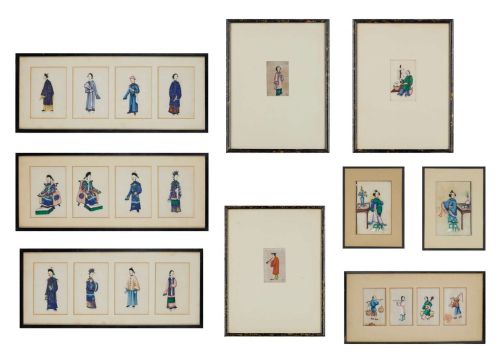
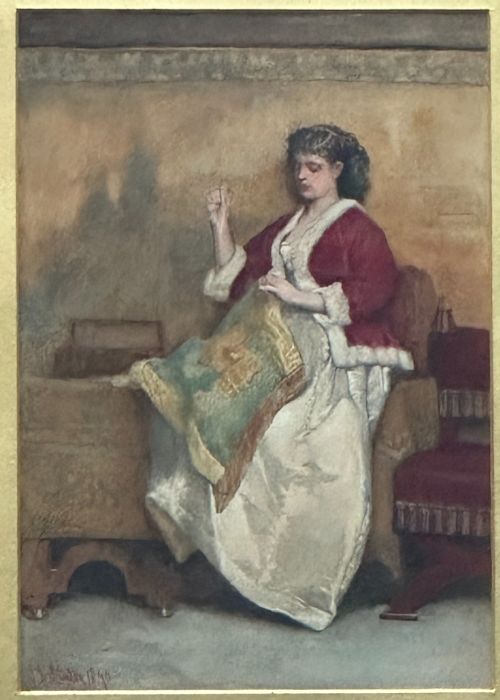
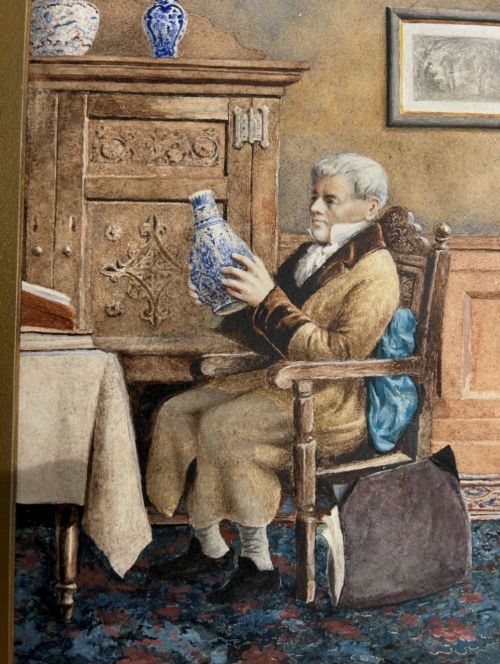
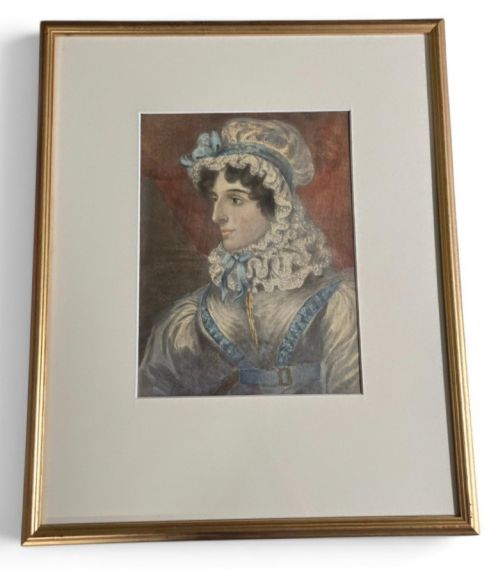
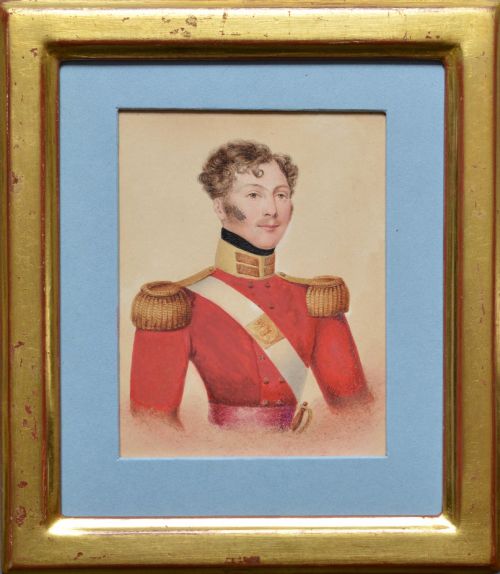
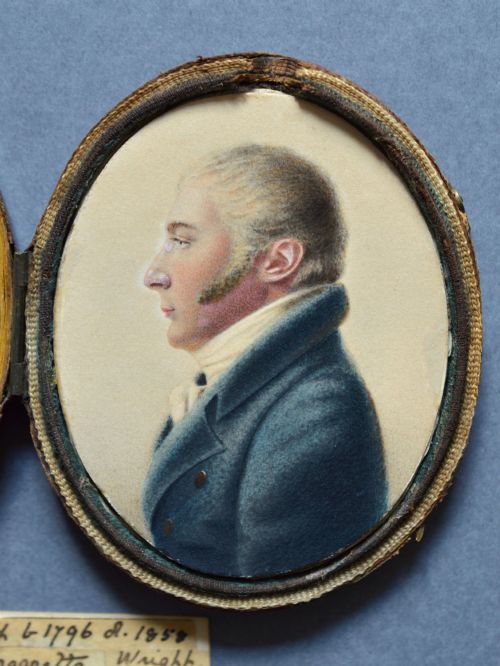
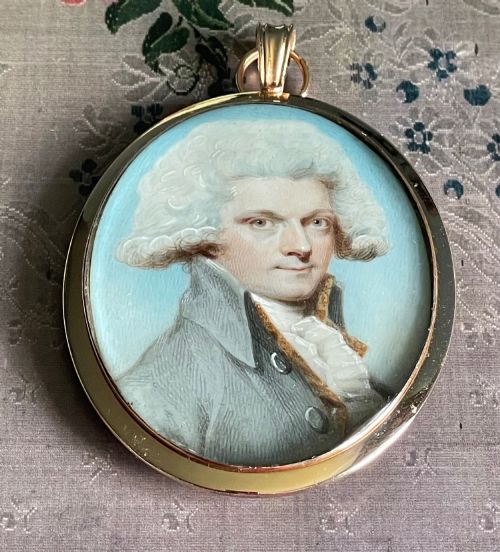
When you search for a framed watercolour portrait, you are looking at intimate paper and miniature works preserved behind glass in period frames.
Framed Watercolour Portrait
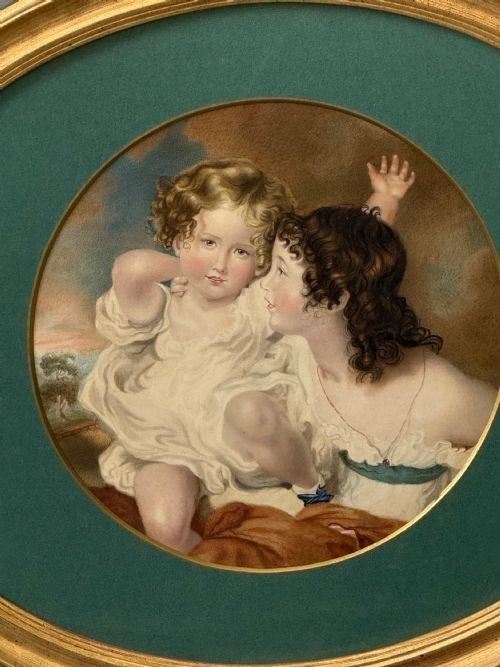
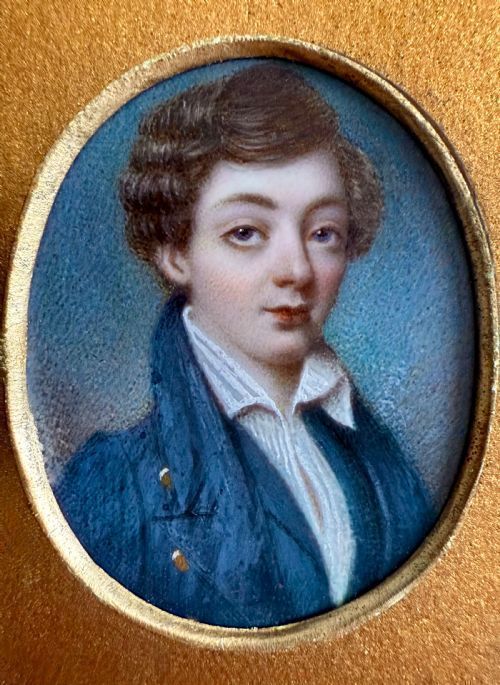
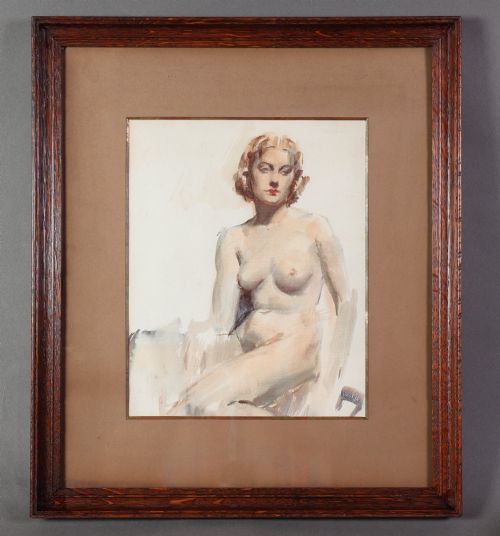
A framed watercolour portrait captures individual likenesses and character studies across the eighteenth, nineteenth, and early twentieth centuries. These artworks range from full-sized British School paintings to delicate portrait miniatures executed on paper, ivory, and glass.
The most common pieces encountered on this page date from the nineteenth century, spanning Georgian, Regency, and Victorian periods. Buyers will find military subjects, children, officers, and anonymous sitters rendered with varying degrees of professional finish and folk art charm.
Materials and Technique
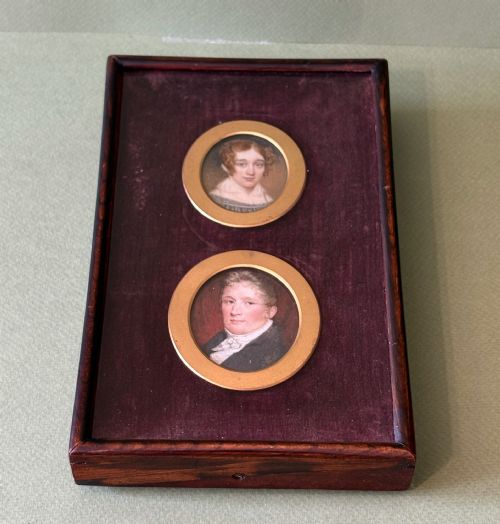
Protection and presentation went hand in hand, with works secured behind glass and housed within timber frames finished in gold leaf or gilt metal. Many miniature iterations utilised protective brass or pewter surrounds and 14K gold pendant frames.
Framed Watercolour Portrait Retail Price Guide 2026
Typical asking prices for framed watercolour portrait among the pieces listed under this phrase on Sellingantiques today, from the lower quarter to the upper quarter. They describe what is for sale here now, not the wider market.
The inventory records formal military officers, children, and literary characters alongside anonymous folk art subjects.
Assessing Quality
The integrity of the original housing also dictates standing. Period frames matching the exact date of the painting, intact glazing, and minimal surface fading elevate an artwork far above examples with modern replacements or heavy pigment degradation.
William James Hubard·Henri Fradelle·Sir James Dromgole Linton·Henry Stacy Marks·John Hassall·Thomas John Horsley·Charles Shirreff·Richard Cosway·Frederick Tatham·Alexander Harwood·Charles Henry Slater·Frederick Buck·John Phillip
The Framed Watercolour Portrait Glossary
- Watercolour
- A painting method in which the paints are made of pigments suspended in a water-based solution. It allows for translucent washes and delicate layering on paper or prepared surfaces.
- Portrait Miniature
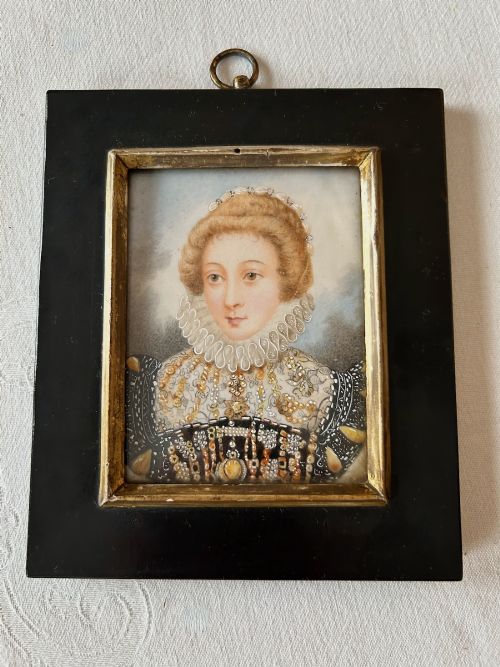
- A small, highly detailed painting designed for intimate viewing or portable display. These were frequently executed on ivory, vellum, or card during the Georgian and Victorian eras.
- Gouache
- An opaque water-based paint consisting of pigment and other inert materials designed to be used in a more solid painting style. It provides denser highlights in nineteenth-century works.
- Silhouette
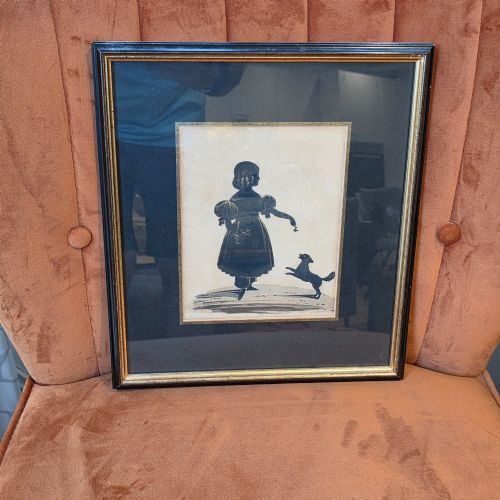
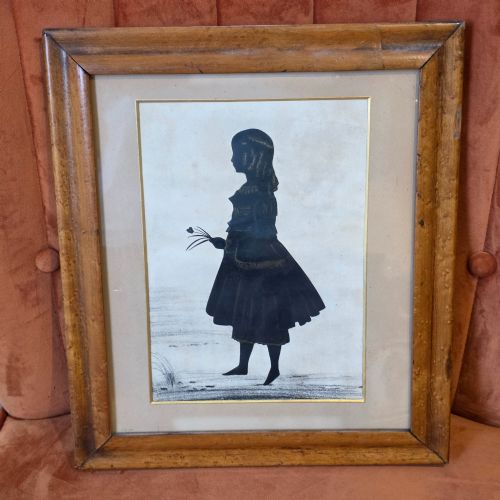
- A solid shape of a person, usually showing profile, cut from black paper or painted in solid pigment. Artists often combined cut paper with watercolour details for Regency portraits.
- Gilt Metal
- A metal base treated with a thin layer of gold or gold-coloured wash to simulate solid precious metal. It frequently appears on nineteenth-century miniature surrounds and frames.
Framed Watercolour Portrait: Frequently Asked Questions
How should I display watercolour portraits safely?
Keep these works away from direct sunlight to prevent the fugitive pigments from fading over time. Maintaining stable indoor humidity levels also protects the delicate paper and grounding materials.
Ensure that hanging locations do not experience severe temperature fluctuations. Professional framing with UV-filtering glass offers an extra layer of conservation security.
Are these portraits usually signed by the artist?
Many historical portraits remain anonymous, created by regional practitioners or unsigned British School artists. When signatures do appear, they are typically discreet initials or faint inscriptions in the lower corners.
Attributions often rely on stylistic comparisons, period documentation, or accompanying gallery labels. The absence of a signature does not diminish the historical or aesthetic merit of a piece.
What is the difference between a miniature and a standard painting?
Miniatures are scaled for intimate viewing, often measuring only a few inches and requiring specialised magnifying techniques by the artist. They were frequently kept in protective cases or worn as pendants.
Standard framed watercolours follow conventional wall art dimensions designed for room display. Both forms utilise similar pigment applications but serve distinct decorative purposes.
How do I identify the period of the frame?
Period frames exhibit construction methods specific to their era, such as pegged corners, hand-carved mouldings, and genuine gold leaf application rather than modern synthetic finishes. The backboards and fixings usually show appropriate age and wear.
Original housing matches the presumed date of the portrait execution. Replacement frames often display mismatched joinery or modern backing materials.