
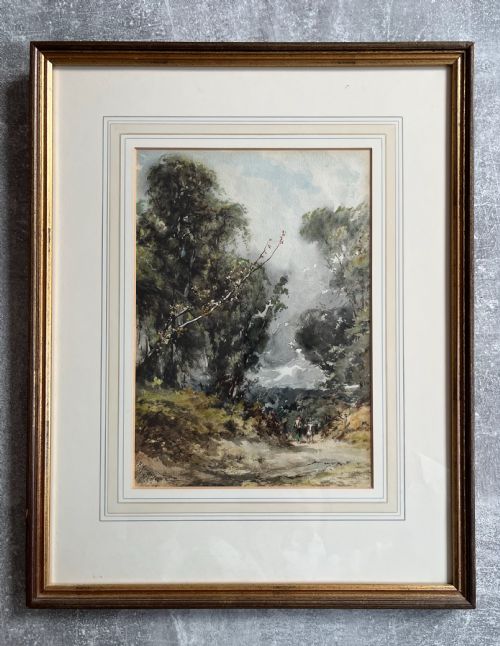
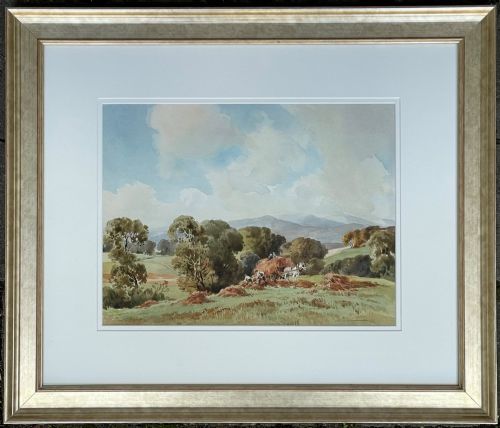
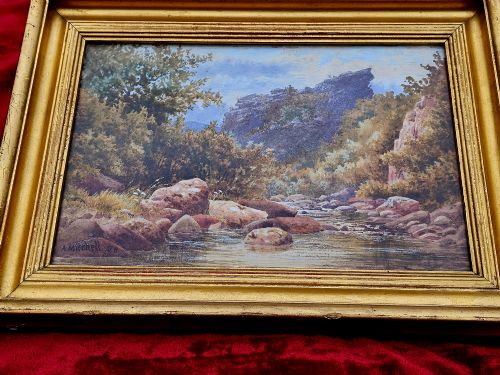
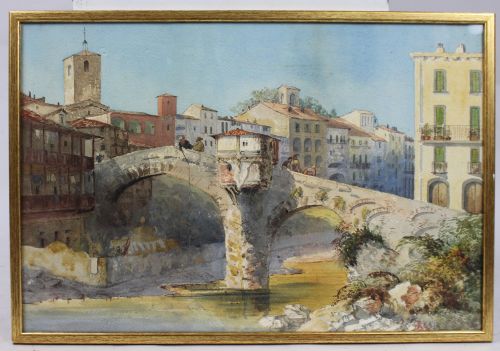
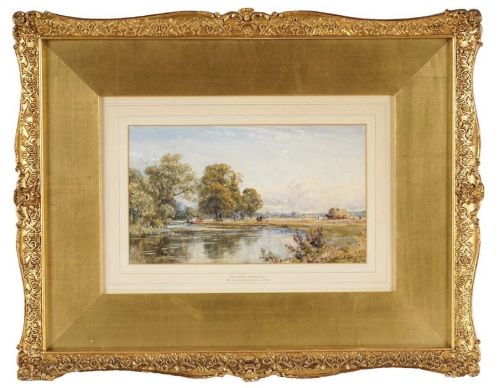
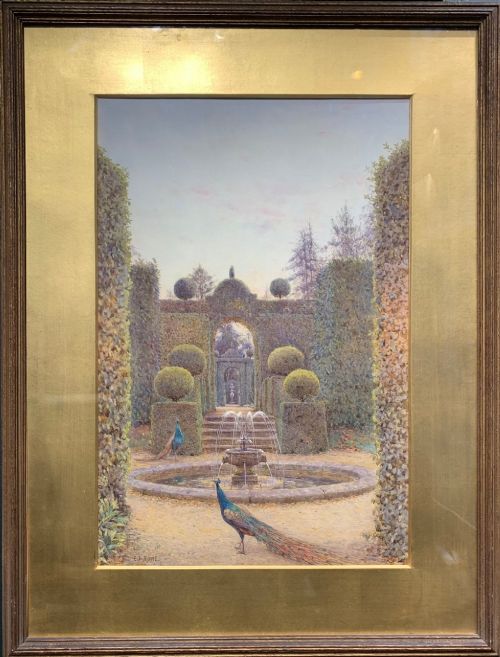
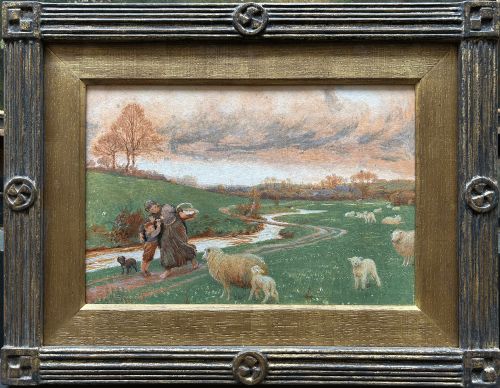
Framed Watercolour Landscape Picture
When you want a framed watercolour landscape picture, you are looking at original nineteenth and early twentieth-century works that capture rural scenes through pigment and paper.
Framed Watercolour Landscape Picture
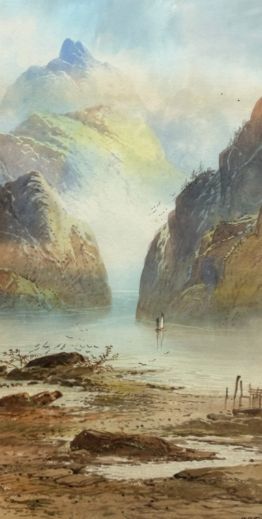
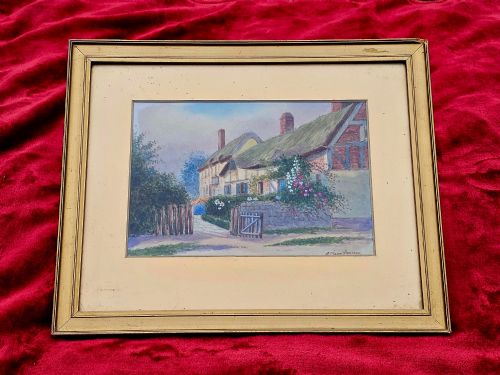
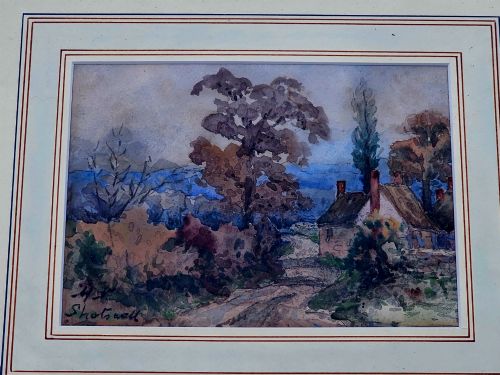
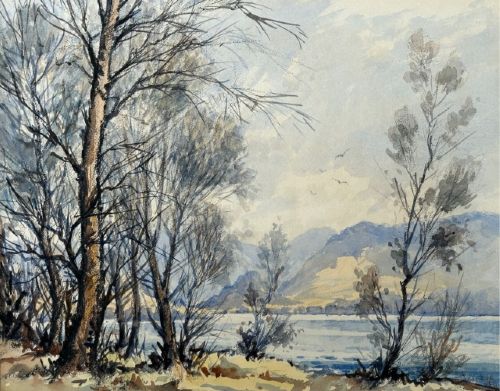
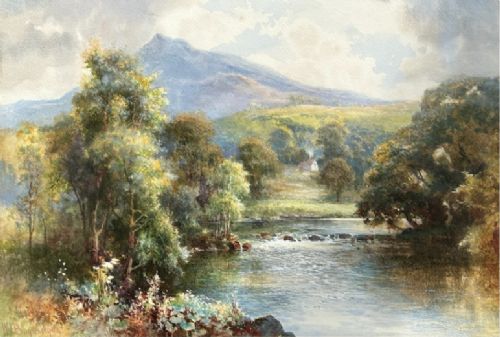
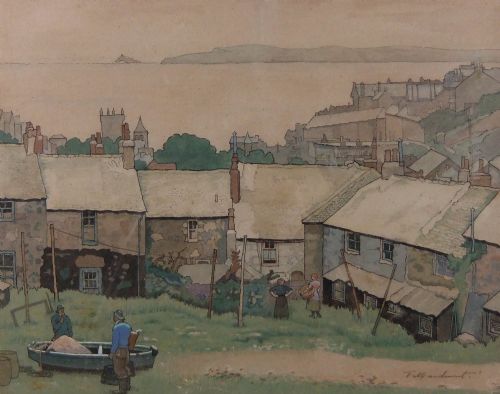
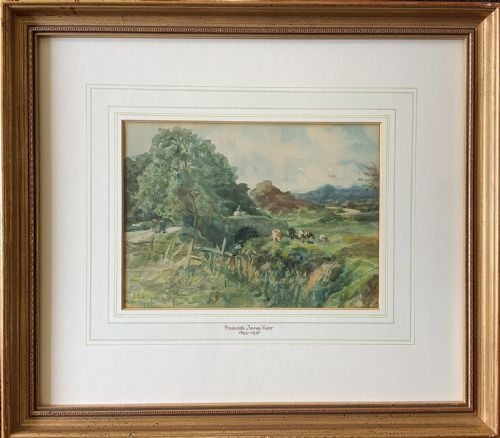
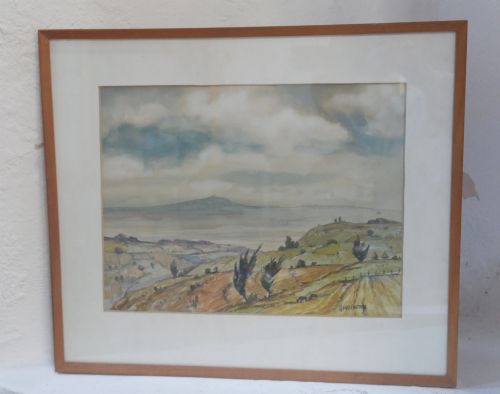
A framed watercolour landscape picture brings the scenery of past centuries directly into a room, capturing coastal views, river valleys, and mountainous terrain. The selections here centre predominantly on Victorian, Edwardian, and early twentieth-century British production, reflecting regional topography from Scotland to the West Country.
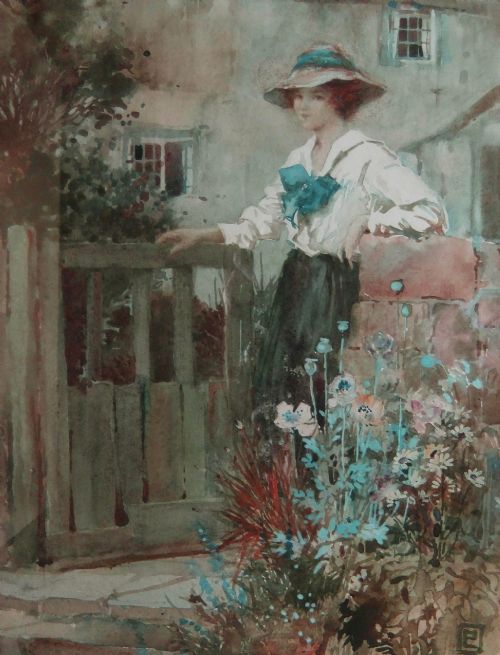
Buyers encounter individual artist-signed sheets alongside works attributed to broader stylistic schools, often preserved behind protective glass within period surrounds. These watercolours record outdoor observations through varied regional perspectives, showing countryside views, pastoral settings, and coastal harbours.
The physical formats span intimate cabinet pieces designed for domestic studies to larger framed compositions intended for principal reception rooms. Each item combines historical pigment on paper with a protective wooden frame, maintaining the presentation chosen by past owners or contemporary framers.
Materials and Construction
The foundation of every piece relies on absorbent paper supports, upon which artists applied water-soluble pigments using fine brushes to build transparent washes and opaque highlights. These applications required steady control, as the medium allows little room for correction once the pigment settles into the fibres.
Surviving examples are encased in timber surrounds, frequently finished with gold leaf or gilt wood, which provide structural rigidity and aesthetic definition to the composition. Glazing sits over the face to protect the delicate paper surface from atmospheric moisture and dust.
Listings feature works spanning the nineteenth century through the nineteen-sixties, utilising traditional paper supports, watercolour pigments, and gilt wood frames.
Evaluating the Range
Excellence in these watercolours depends upon the artist's ability to manipulate light, atmospheric depth, and tonal gradation across the paper surface. Stronger compositions demonstrate confident brushwork and precise topographical observation rather than formulaic repetition.
The integrity of the surrounding frame and the preservation of the underlying paper support also influence desirability. Works that retain their original gilded wood mountings and display minimal pigment fading offer a more complete historical survival.
George Fotherly Hargitt·William Henry Earp·Percy Lancaster·Robert Leslie Howey·William Joseph Boyes·Robert Thorne Waite·Ernest Arthur Rowe·Frederick Walker·Thomas Maidment·Frederick James Kerr·Henry Martin Pope·Herman S Melville·George Stanfield Walters·John Moxon·F.J. Snell·Alfred George Morgan·Thomas Cooper Moore·John Bedloe Goddard·Cornelius Pearson·Charles Gregory·Edwin Lord Weeks·Samuel Timmins·William Lee Hankey·Henry Charles Fox·Arthur Wardle
The Framed Watercolour Landscape Picture Glossary
- Watercolour
- A painting method where natural pigments are suspended in a water-based solution and applied to paper. This medium relies on the white of the paper showing through transparent washes to create luminosity.
- Gilt Wood
- Timber carved or moulded and coated with a thin layer of gold leaf or metallic paint. This material forms the ornate borders commonly found surrounding Victorian and Edwardian artwork.
- Impressionism
- An artistic approach focusing on the general impression of a scene, particularly the shifting effects of light and colour. Works in this style prioritise loose brushstrokes over tight topographical detail.
- Provenance
- The documented history of ownership associated with a work of art. Tracing this lineage helps confirm attribution and authenticity.
- Mount
- A cardboard border placed between the painting and the frame to separate the paper from the glass. This barrier prevents moisture condensation from damaging the pigment.
Framed Watercolour Landscape Picture: Frequently Asked Questions
How should I hang these watercolours?
Position these pictures away from direct sunlight to prevent the pigments and paper supports from fading over time. Maintain stable indoor humidity levels to protect both the antique wooden frames and the fragile paper.
Secure the frame using appropriate wall fixings suited to the weight of the glass and timber surround. Hang pieces at eye level to best appreciate the fine brushwork and detail.
Are these watercolours original works?
The inventory consists of hand-painted original sheets rather than modern reproductions or prints. Each piece represents a unique application of pigment onto paper by an artist.
Signatures, dates, and stylistic markers visible on the face or reverse help identify individual creators and production periods. These details distinguish original nineteenth and early twentieth-century art from later copies.
What framing is typically included?
Most items are presented in period timber frames, often highlighted with gold leaf or gilt wood finishes. These surrounds frequently reflect the aesthetic preferences of the Victorian or Edwardian eras in which the paintings were created.
Protective glass covers the front of each picture to shield the delicate watercolour pigments from environmental airborne particles. The backing boards often show age-appropriate wear that matches the era of the artwork.
How do I identify the period?
Stylistic clues such as costume, architectural details, and landscape composition help narrow down the date of creation. Victorian and Edwardian works often exhibit specific approaches to light and natural scenery characteristic of their decades.
Frame construction, paper types, and handwritten inscriptions on the reverse also provide chronological markers. Comparing these elements against documented artist active dates confirms the era.