



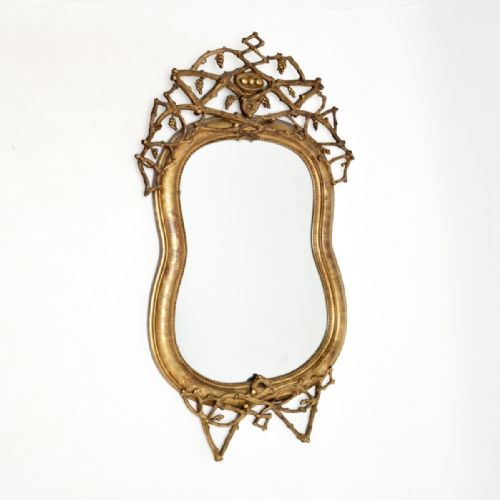
Antique Italian Wall Art
Antique italian wall art encompasses centuries of painted portraits, carved panels and mirrors that bring classical continental design into domestic interiors.
Antique Italian Wall Art
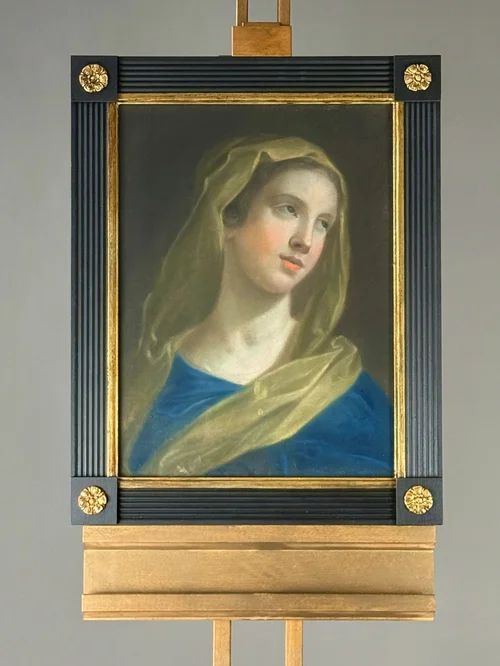
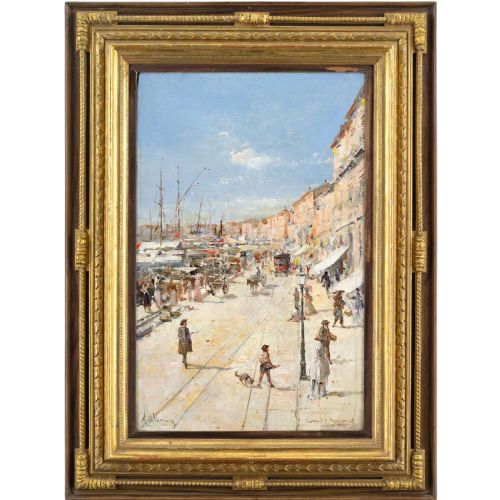
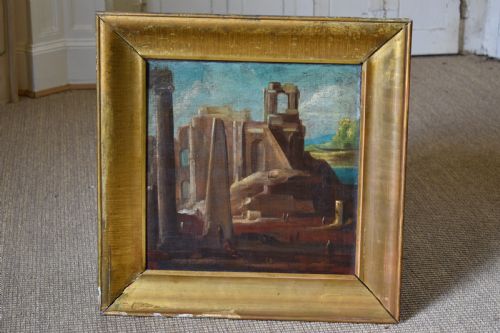
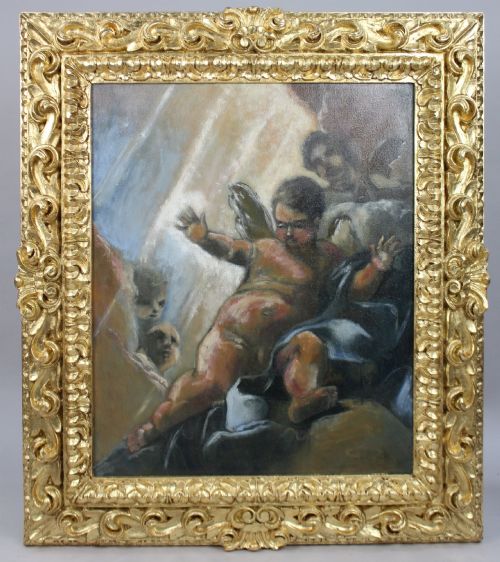
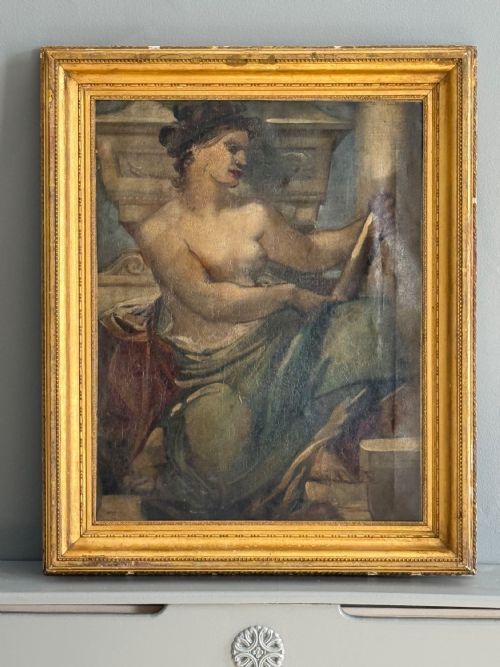
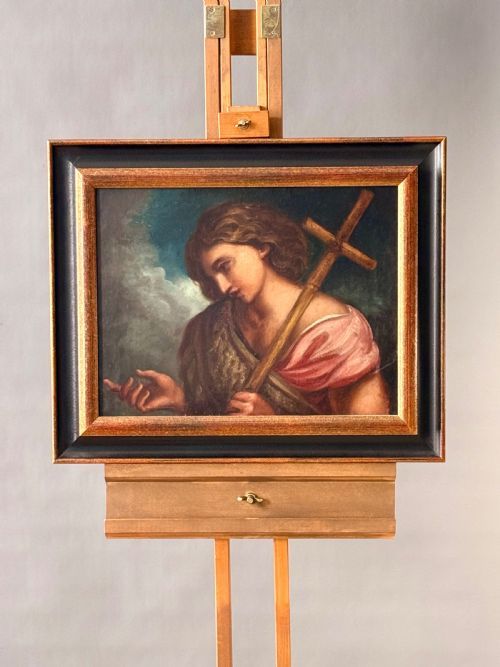
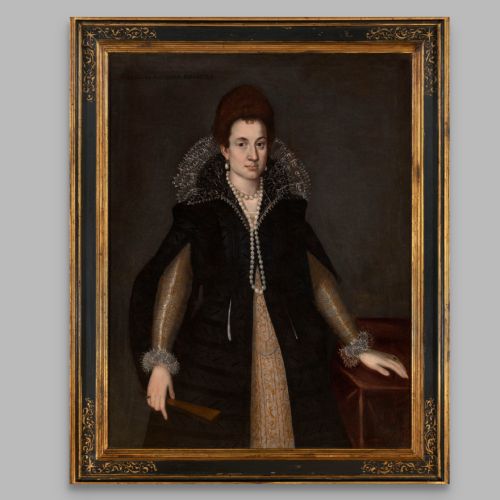
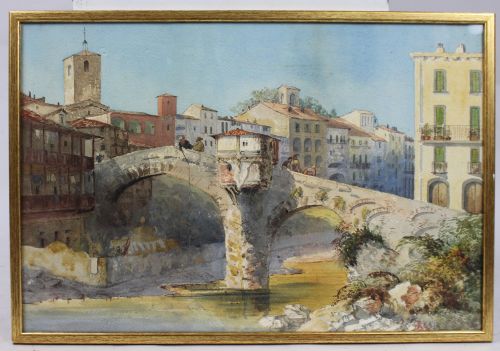
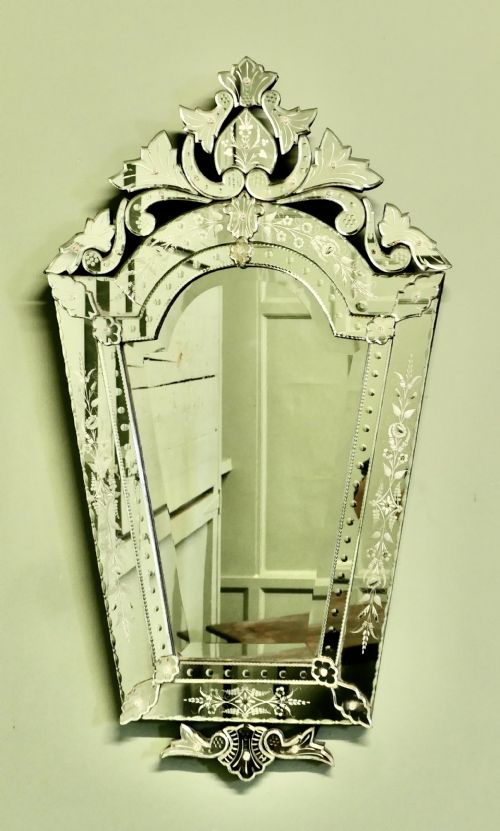
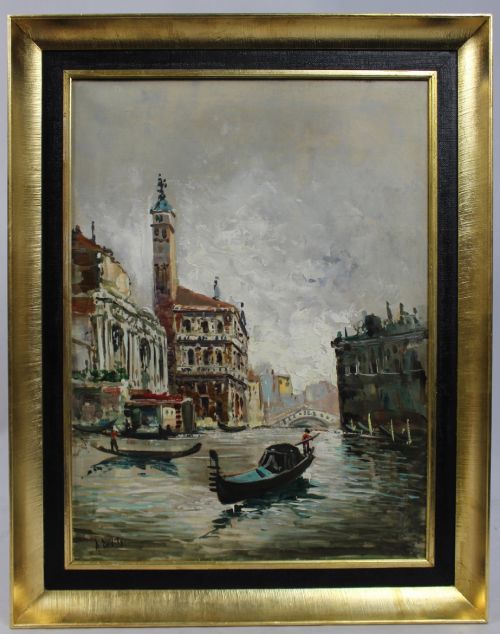
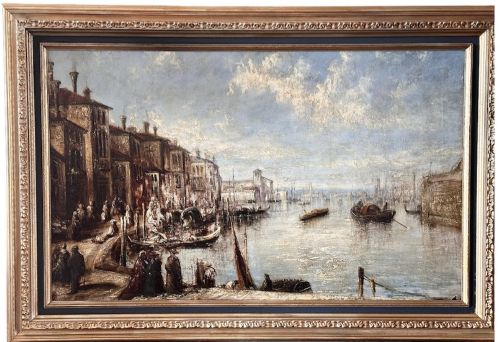
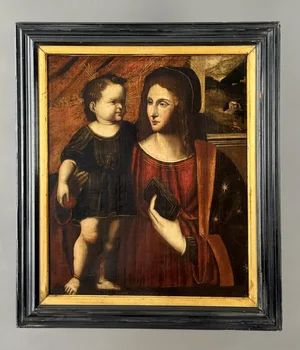
Antique italian wall art spans centuries of creative output, featuring oil paintings, framed portraits, carved panels, and mirrors originating from various Italian regions. Buyers searching this category frequently encounter works depicting religious subjects, Venetian lagunary scenes, and portraits executed in oil on canvas.
The selection ranges from sixteenth-century Renaissance compositions and seventeenth-century religious panels to nineteenth-century Grand Tour landscapes and twentieth-century Venetian glass mirrors. Regional schools such as the Emilian and Sienese traditions appear alongside interpretations of masters like Raphael and Titian.
Beyond standard canvases, the category includes specialised decorative forms like painted wood tavolette book covers, micromosaic plaques, and gypsum intaglio cameo panels. These diverse objects share a connection to Italian craftsmanship and historical aesthetic movements.
How they were made
Makers utilised traditional oil paint on stretched canvas or prepared wood panels, frequently building rich compositions through successive layers of pigment and glaze. Carved giltwood frames often accompany these paintings, utilising applied gold leaf over wooden substrates to create ornate borders.
Alternative techniques involve delicate glass working for Venetian mirrors, precision inlay for pietra dura panels, and detailed micro-mosaic assembly utilising tiny tesserae. Wood carving appears on structural elements such as chestnut panels and walnut clock housings.
Materials documented across the inventory include oil on canvas, gold leaf, carved giltwood, peach glass, and pietra dura stone.
What varies in quality
Quality in these works rests upon the dexterity of the brushwork, the depth of pigment application, and the anatomical accuracy found in portraiture. Finer examples display confident handling in details such as facial expressions and drapery, whereas lesser works exhibit rigidity and flat rendering.
The integrity and originality of the surrounding frame heavily influence the overall standard, particularly where hand-carved giltwood or period ebonised frames complement the artwork. Material composition also dictates distinction, separating standard canvas paintings from intricate pietra dura stone inlays or micromosaic plaques.
Dumini Leopoldo·Augusto Alberici·Francis Moltino·Icilio Federico Joni·Attilio Toro
The Antique Italian Wall Art Glossary
- Grand Tour
- A cultural journey undertaken by European nobility through Italy during the eighteenth and nineteenth centuries, which generated a demand for local landscape art and classical souvenirs.
- Pentimento
- A visible trace of earlier painting beneath a layer of paint, revealing where the artist changed their composition during the creative process.
- Pietra dura
- A historic technique of using cut and fitted polished coloured stones to create decorative pictorial designs on panels.
- Tavolette
- Painted wooden panels, historically associated with Sienese binders and decorative book covers from civic archives.
- Intaglio
- A design engraved into a material such as gypsum or stone, creating a sunken impression that produces a raised cameo effect when cast.
Antique Italian Wall Art: Frequently Asked Questions
How do I date an old oil painting?
Dating relies upon examining the canvas preparation, stretcher frame construction, and stylistic markers inherent to specific regional schools. Pigment analysis and canvas weave often provide further chronological clues.
Secondary indicators include the style of the accompanying frame, handwritten inscriptions on the reverse, and historical records linked to known artists or workshops.
Where should I hang a heavy gilt mirror?
Heavy giltwood and glass pieces require secure anchoring directly into structural wall studs using appropriate masonry or timber fixings. Distributing the weight evenly prevents warping of the wooden frame over time.
Consider room lighting when positioning reflective glass to enhance natural illumination while avoiding prolonged exposure to direct sunlight that might damage the gilding.
What is a Grand Tour painting?
These artworks were produced in Italy for travellers documenting their continental educational journeys, typically capturing iconic views of Venice, Rome, or Tuscan landscapes. They served as sophisticated pictorial souvenirs of the region.
Artists catered to foreign visitors by painting recognizable vistas, classical ruins, and pastoral scenes that reflected the prevailing neoclassical tastes of the era.
How do I care for antique canvas art?
Maintain stable indoor humidity and temperature levels to prevent the canvas from slackening or the paint layer from cracking. Keep pieces away from direct heat sources and strong sunlight.
Dust surfaces gently with a soft, dry brush without applying pressure or liquid cleaners. Professional conservation is recommended for any structural repairs or deep cleaning.