
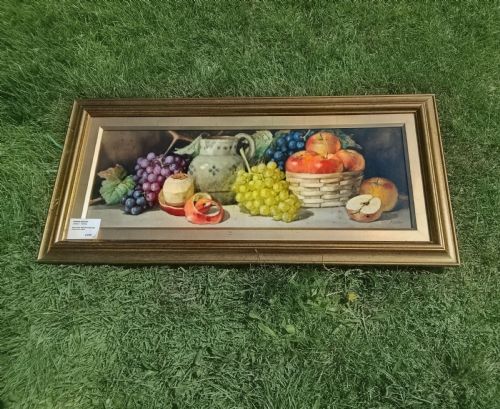
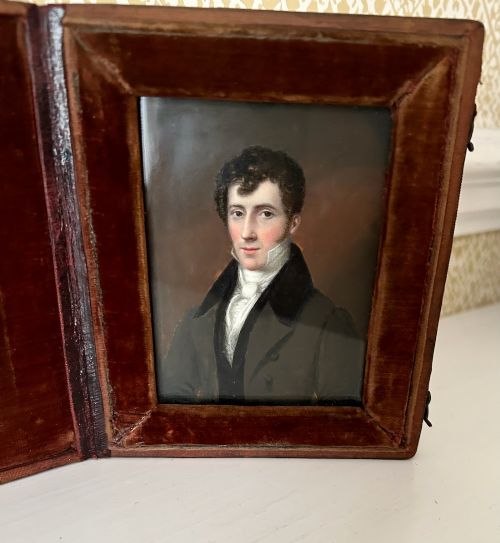
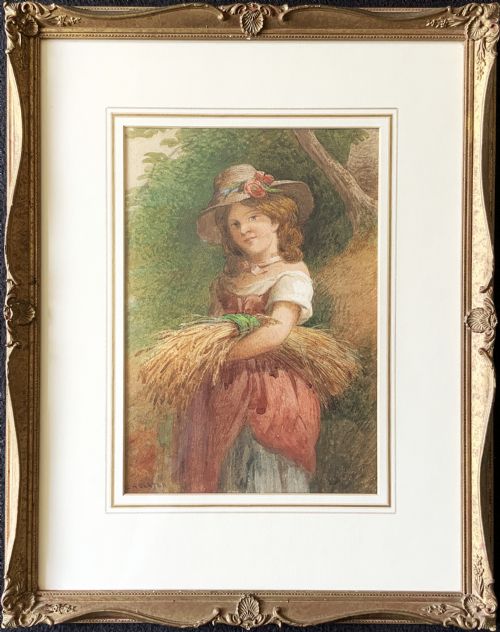

Victorian Fine Art Watercolour
When you seek a victorian fine art watercolour, you look for original 19th-century works on paper that capture landscapes, portraits, and rural scenes through delicate pigment and brushwork.
Victorian Fine Art Watercolour
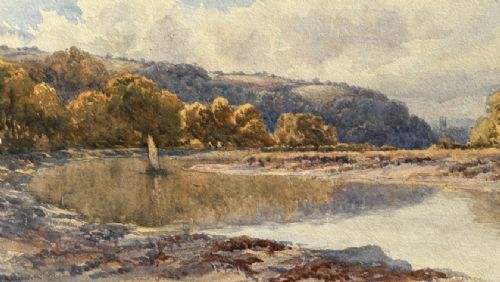
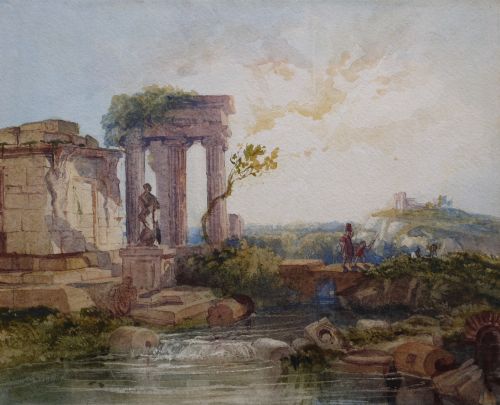
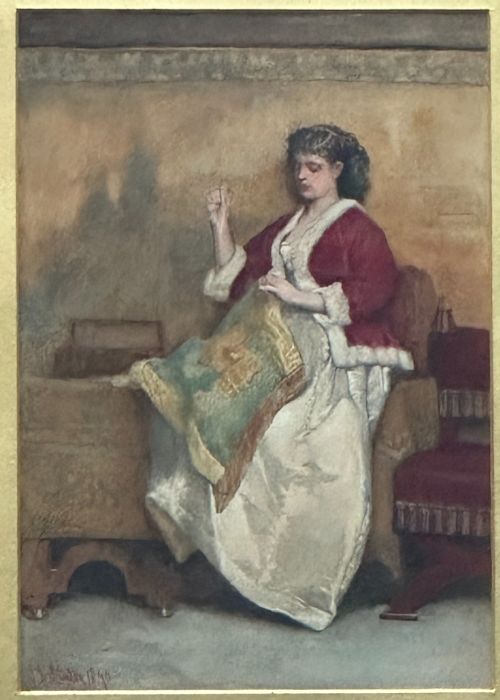
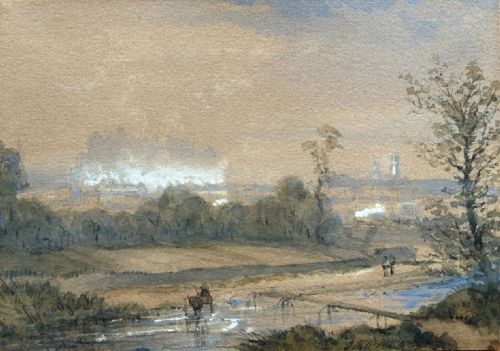
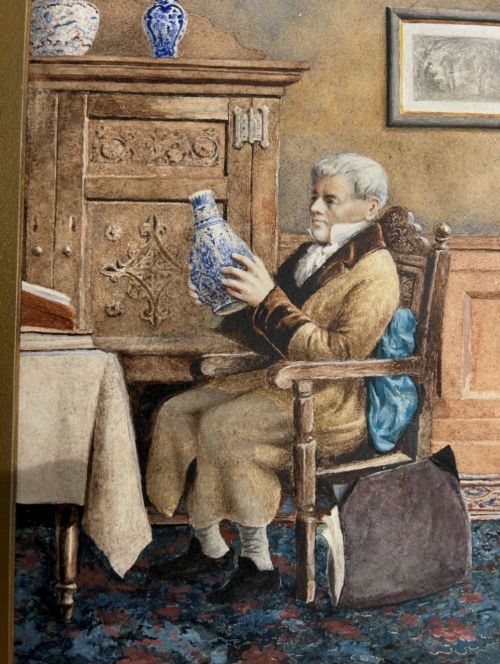
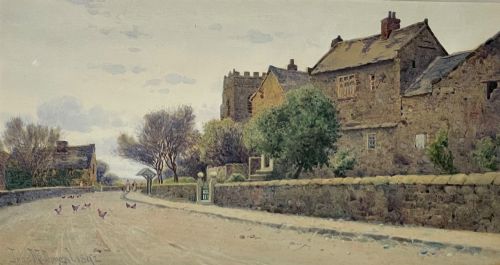
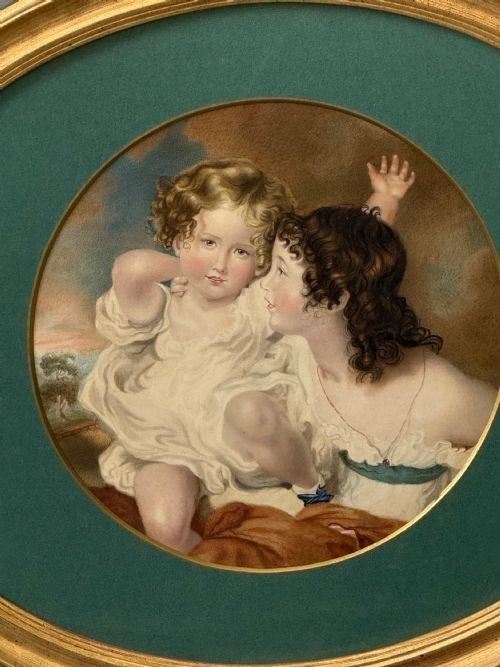
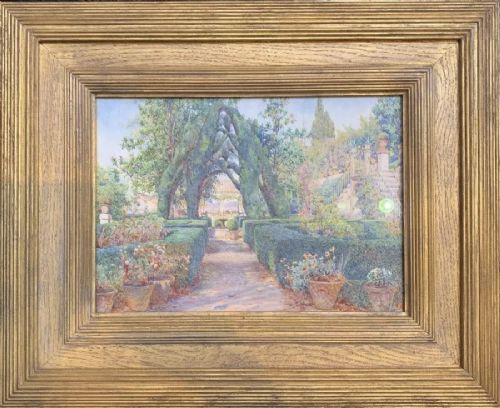
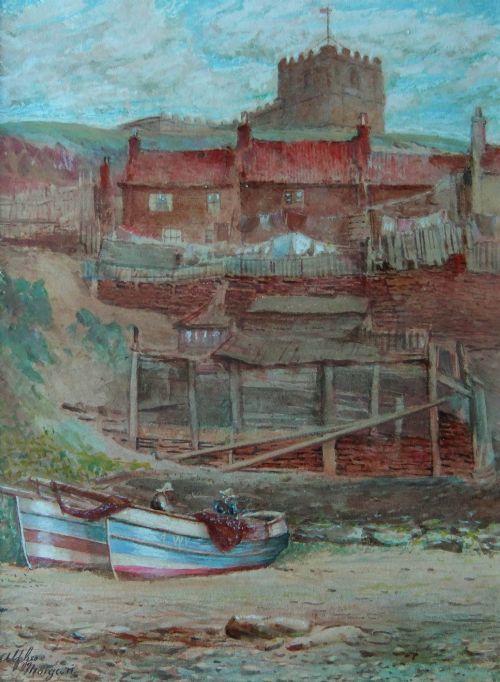
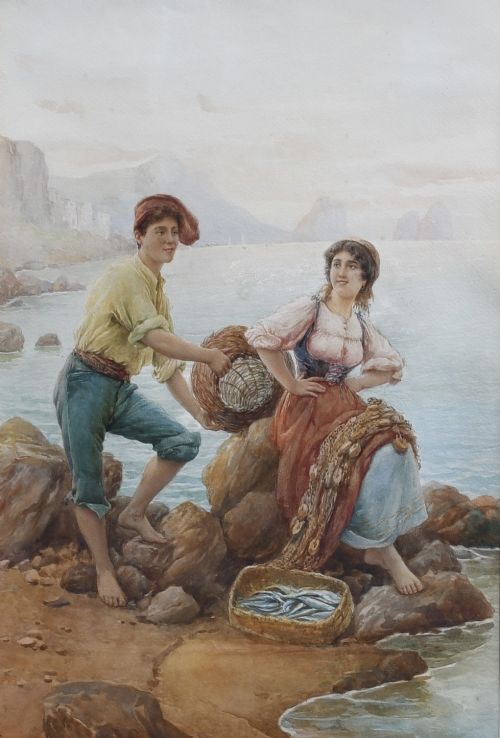
A victorian fine art watercolour comprises original painted works executed on paper or card during the nineteenth century, spanning landscape, portrait, and architectural subjects. These pieces reflect the period's growing fascination with both domestic scenery and continental views, often created by professional artists exhibiting at major institutions.
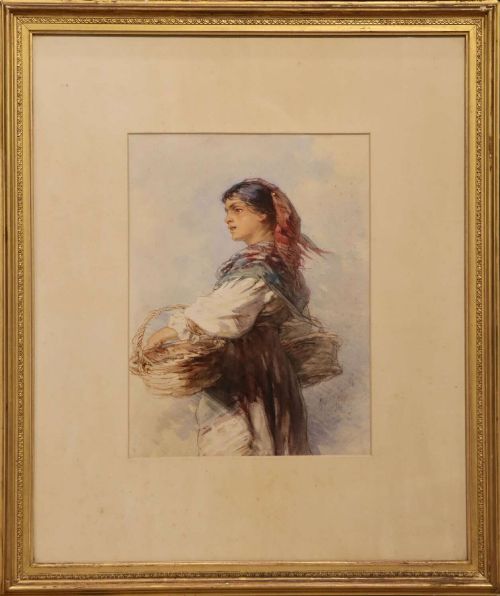
The versions most frequently encountered on this page include framed British and European landscapes, topographical views of rivers and coastal towns, and detailed portraiture. They range from small, intimate sketches to large, finished exhibition pieces housed in period gilt wood frames with glass protection.
Collectors acquire these watercolours for their direct connection to the hand of the nineteenth-century artist, capturing light and atmosphere in ways oil paint achieved differently. Each sheet preserves the fugitive tones and subtle washes characteristic of the medium during the Victorian era.
How They Were Made
Artists applied watercolour pigment mixed with water onto heavy rag paper, sometimes building opacity with gouache or defining initial forms with pen and ink. The paper itself was often unprimed, requiring the painter to manage absorbency and drying time carefully to achieve smooth washes or crisp details.
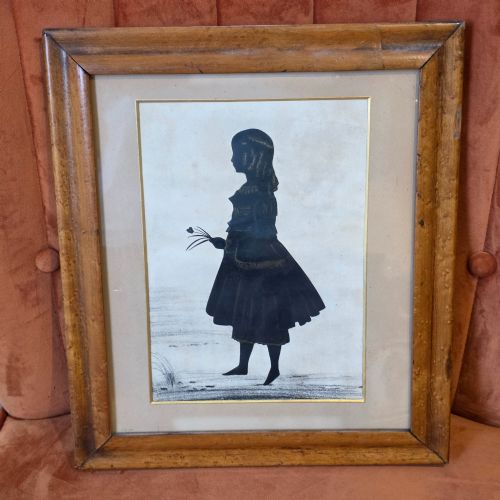
Many works incorporate cut-paper silhouette techniques or fine pencil underdrawing beneath the translucent layers of pigment. Finished paintings were secured behind glass within ornate gilt wood frames to protect the delicate water-soluble colours from moisture and light damage.
Listings feature 19th-century works spanning the Victorian, Regency, and Edwardian periods on paper, glass, and gilt wood.
What Varies in Quality
Quality in a victorian fine art watercolour rests upon the surety of the draughtsmanship and the artist's ability to retain luminosity across the paper. Superior examples display confident brushwork and harmonious tonal gradations, whereas weaker sheets appear overworked, muddy, or flat in their execution.
The preservation of the pigment significantly influences the standing of a piece, as exposure to light diminishes fugitive hues over decades. Furthermore, original period framing and documented attribution to a listed nineteenth-century painter elevate the desirability of the artwork.
Guido Bach·Richard Principal Leitch·Sir James Dromgole Linton·John R Prentice·Ernest Arthur Rowe·Alfred G. Morgan·Carlo Ferranti·Arthur Dudley·Charles Henry Slater·Cornelius Pearson·Charles Gregory·Charles Bellay·Alice Anne Renshaw·J. Hardy·Arthur Tucker·James Orrock·William Egley·Robert Winchester Fraser·Alfred Grey·William Edward Frost·Walter Follen Bishop·Robert Buchan Nisbet·Augustus Jules Bouvier·Thomas Lound·George Kilburne
The Victorian Fine Art Watercolour Glossary
- Watercolour pigment
- Finely ground colour particles suspended in a water-soluble binder. This medium allows artists to layer transparent washes that let the reflective quality of the white paper illuminate the composition.
- Gouache
- An opaque watercolour medium containing added white pigment to create solid, heavier areas of colour. Victorian artists frequently used this alongside transparent washes to highlight details like clothing or flowers.
- Gilt wood frame
- A wooden moulding coated with gold leaf or metallic paint, designed to house and protect works on paper. Period frames from the nineteenth century often feature ornate plaster or carved ornamentation.
- Cut-paper silhouette
- An early portrait technique involving precise hand-cutting of dark paper mounted against a contrasting background. These silhouettes were occasionally combined with watercolour details to enhance the finished likeness.
- Topographical view
- A detailed representation of a specific geographical location, building, or townscape. These works served as visual records before the widespread adoption of photography.
Victorian Fine Art Watercolour: Frequently Asked Questions
How should I display an antique watercolour?
Keep watercolours away from direct sunlight and damp environments to prevent the pigments from fading and the paper from foxing. Ensure they remain safely sealed behind glass within their protective frames.
Professionally fitted backing boards and acid-free mounts further safeguard the delicate paper from chemical deterioration over time.
Can I remove a watercolour from its frame?
Leaving nineteenth-century watercolours undisturbed in their period frames preserves both the historic context and the airtight seal protecting the paper. Opening the frame exposes the fragile medium to modern pollutants and atmospheric humidity.
Consult a professional paper conservator if the backing requires inspection or if the glass needs replacing.
What subjects are common in these paintings?
Victorian watercolours frequently depict sweeping British and European landscapes, coastal scenes, and pastoral life featuring figures or livestock. Portraiture, architectural views of ancient ruins, and botanical still lifes also appear regularly.
Artists often travelled to picturesque regions in Wales, Scotland, or Italy to capture local topography and daily activities.
How do I distinguish between watercolours and prints?
Examine the surface under magnification to check for the raised texture of pigment on paper and the distinct brush strokes left by the artist. Prints display a uniform dot pattern or smooth ink layers without the dimensional buildup of dried wash.
Original watercolours will also show subtle variations in tone where washes overlap, unlike mechanical reproductions.