



Framed Vintage Landscape Print
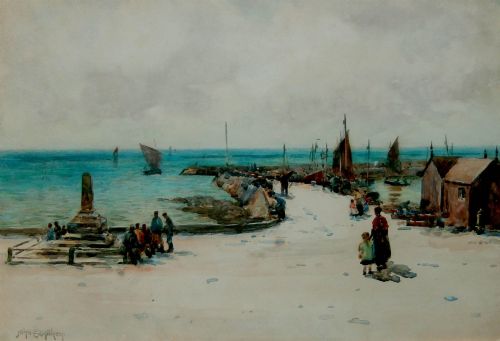
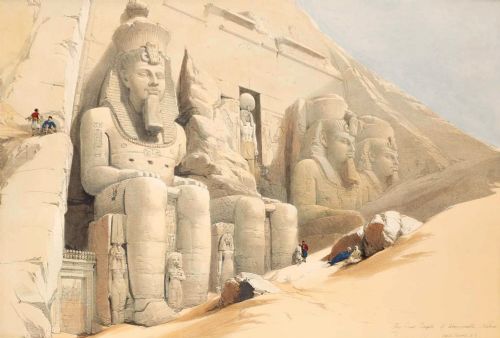
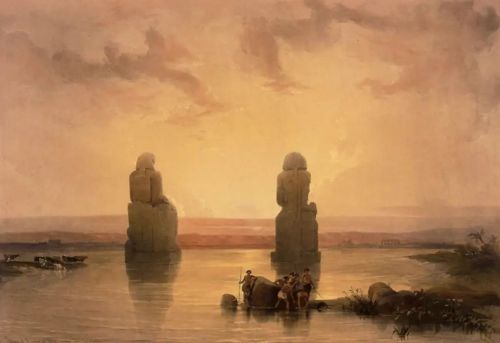
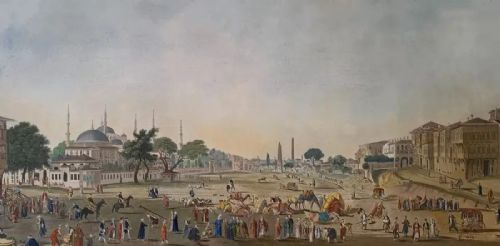
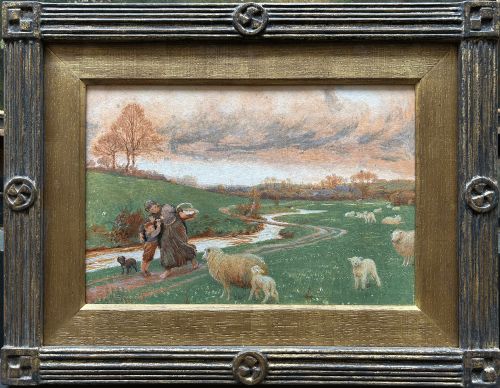
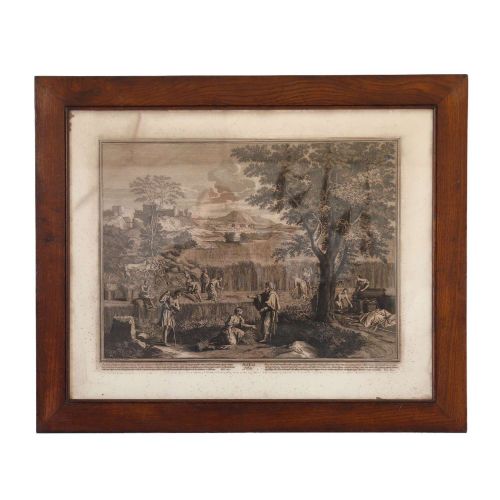
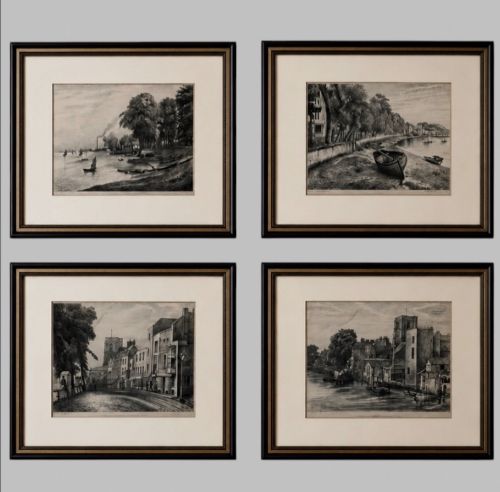
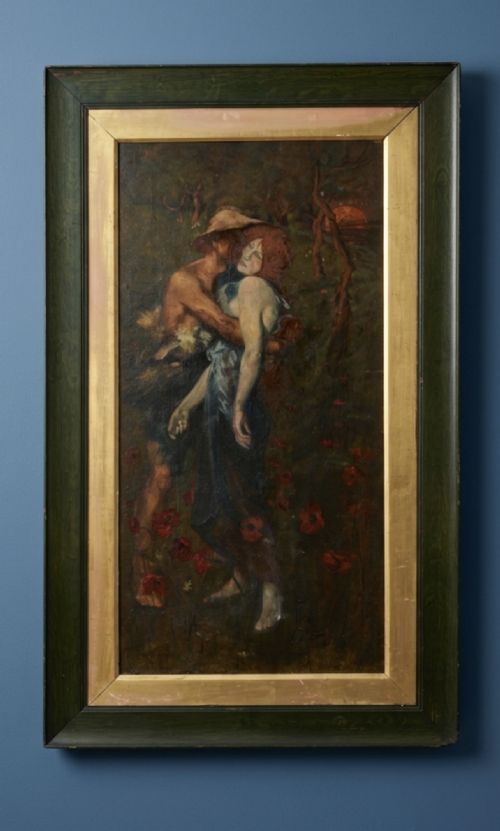
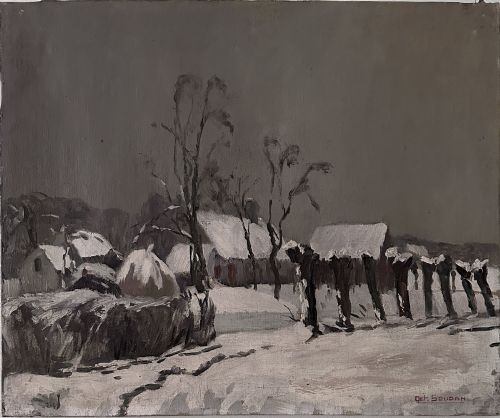
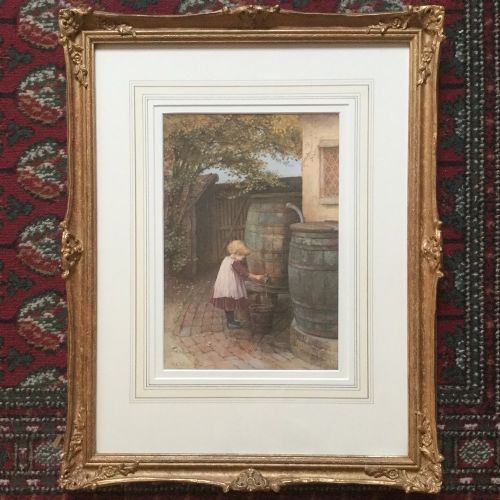
Framed vintage landscape print pieces bring historical scenery and architectural vistas into rooms through period watercolours, oils and lithographs.
Framed Vintage Landscape Print
A framed vintage landscape print encompasses works on paper, wood and canvas that record countryside scenes, coastal views and architectural subjects from earlier centuries. Buyers searching for a framed vintage landscape print encounter items originating from the Georgian, Victorian, Edwardian and mid-twentieth-century periods.
The selection ranges from hand-coloured etchings and lithographs to watercolours, inks and oil paintings housed in period frames. Works depicting marine views, village scenes and classical architecture dominate the available forms.
Materials and Techniques
Makers utilised paper, wood and glass alongside oil on canvas, watercolour and ink to produce these framed works. Printing methods such as lithography and etching work in tandem with hand-colouring techniques.
Gold leaf and gesso frequently finish the wooden frames that encase the paper and canvas supports. Mixed media applications and woodblock printing also appear across the selection.
Materials recorded across the selection include paper, wood, glass, gold leaf, gesso, ink and oil on canvas.
Markers of Distinction
Quality rests in the precision of the hand-colouring applied to etchings and lithographs, and the handling of medium in watercolours and oils. Finer pieces demonstrate control over line and tone, whether depicting architectural detail or natural scenery.
The integrity of the original frame, particularly those finished with gesso and gold leaf, contributes to the overall standing of the piece. Preservation of the paper or canvas surface without extensive restoration elevates the standing of the work.
Donald Grant·John E. Aitken·David Roberts·Anton Ignaz Melling·Frederick Walker·Charles Edward Wilson·Margaret Maitland Howard·Gabriel Dauchot·James William Booth·T.A Prior·Kunisada·Hendricus Joseph Dillens·Cignaroli·Joseph Farrington·Joseph Constantime Stadler·Edith E Caswall·John Atkinson·B. Kaufmann·William Russell Flint·Fred Lawson·A. Winter Shaw·Frank Wood·Herbert Royle·C de Falens·Franz Reder-Broili
The Framed Vintage Landscape Print Glossary
- Lithograph
- A print made from a planographic process in which an image is drawn onto stone or metal. These often received hand-colouring in watercolour.
- Etching
- A method where lines are bitten into a metal plate with acid before ink is applied and transferred to paper. Hand-coloured examples frequently date to the Georgian and Victorian periods.
- Gesso
- A plaster-like mixture applied to wood to form a smooth surface for gilding. Frames finished with gesso and gold leaf house many of these prints and paintings.
- Watercolour
- A painting method using pigment suspended in a water-based solution on paper supports. These works often capture delicate landscape and marine views.
Framed Vintage Landscape Print: Frequently Asked Questions
How do I date a framed vintage landscape print?
Dating relies on examining the materials of the support, the style of the frame, and any visible signatures or printer credits. Paper types and printing methods such as lithography or etching point to specific historical decades.
Secondary clues include framing techniques, such as the application of gesso and gold leaf, which shift across Victorian and Edwardian periods. Comparing stylistic traits with known works from the same era helps narrow the timeframe.
Where should I hang a framed vintage landscape print?
These works suit living rooms, studies and hallways where lighting can be controlled to protect paper and canvas from direct sunlight. Pairing them with period interior decor complements their traditional aesthetic.
Consider grouping pieces by shared subject matter, such as architectural scenes or marine views, to create a coherent gallery wall. Ensure wall fixings are secure enough to support the weight of wood and glass frames.
What is the difference between an etching and a lithograph?
An etching involves incising lines into a metal plate with acid to hold ink, resulting in fine, crisp details on paper. Lithography uses a flat stone or metal plate treated to repel and accept ink in specific areas.
Both methods were frequently enhanced with hand-applied watercolour washes. Etchings often display a distinct plate mark impression around the image area.
How do I care for an antique framed print?
Protect the piece by placing it away from direct sunlight, high humidity and temperature fluctuations. Dust wooden frames gently with a dry cloth and avoid spraying liquids near the glass or paper.
If the framing is original, leave the backing undisturbed to preserve historical labels and seals. Professional framing specialists can advise on archival backing materials if re-framing becomes necessary.