

Framed Sports Artwork
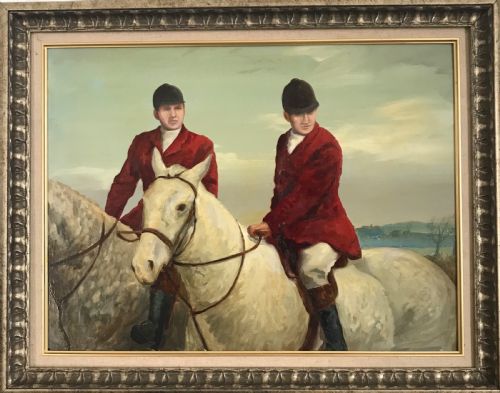
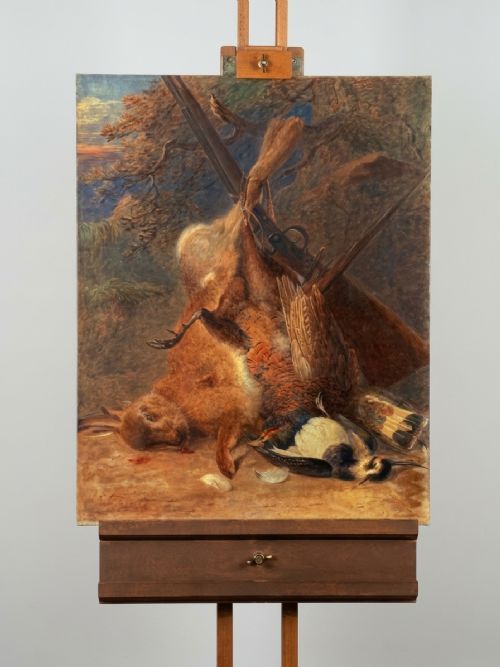
Framed sports artwork captures the energy of the field, the stable, and the track through historical paintings, drawings, and lithographs.
Framed Sports Artwork
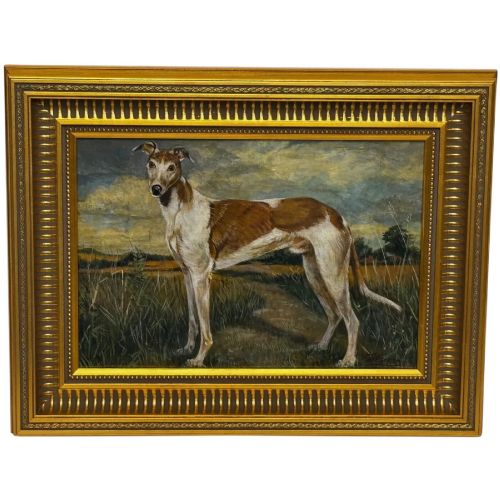
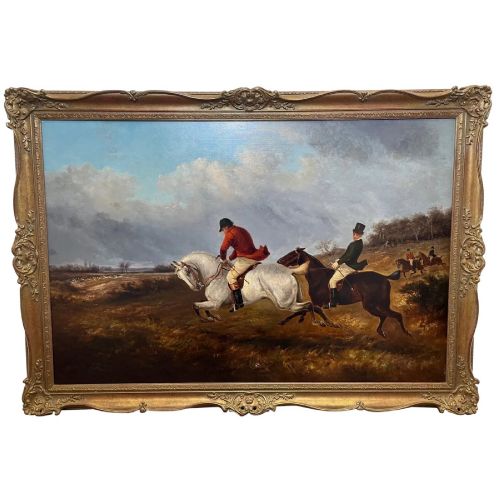
When you search for framed sports artwork, you enter a visual record of British sporting life spanning the nineteenth and twentieth centuries. These pieces encompass oil paintings, watercolours, lithographs, and engravings depicting equestrian pursuits, hunting scenes, racing dogs, and athletic competitions.
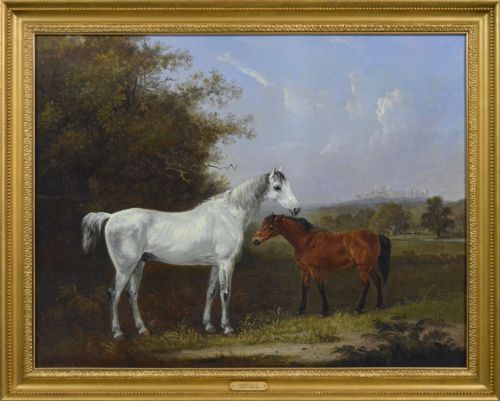
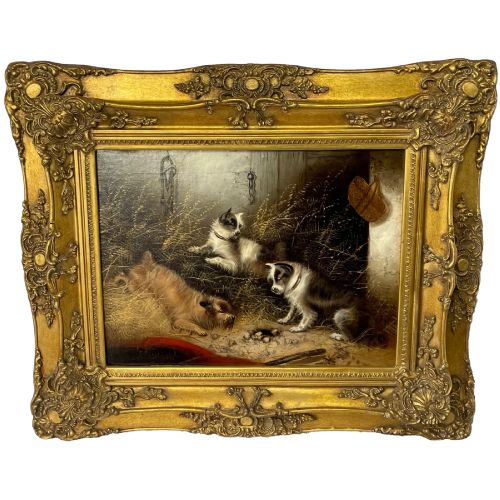
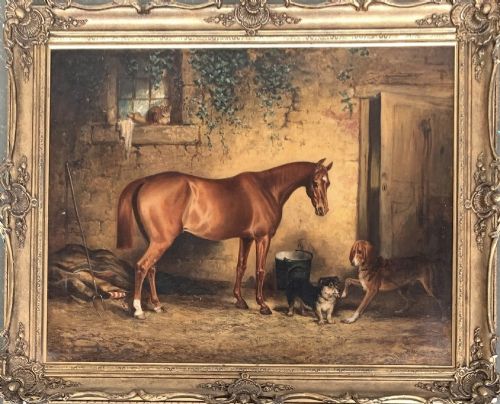
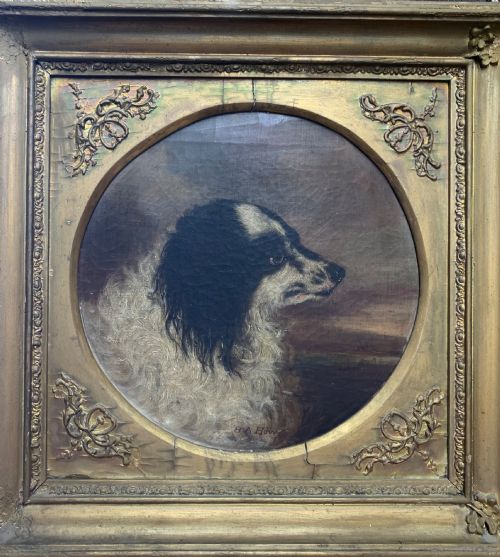
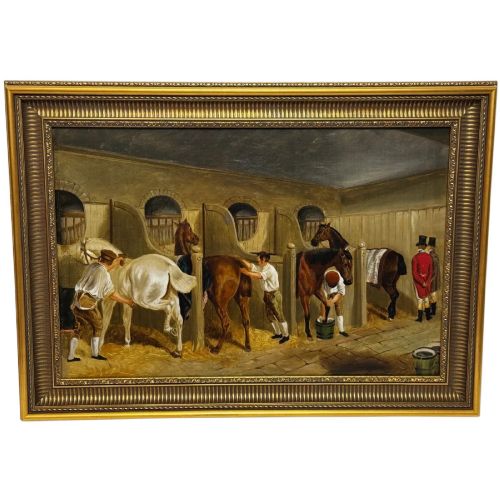
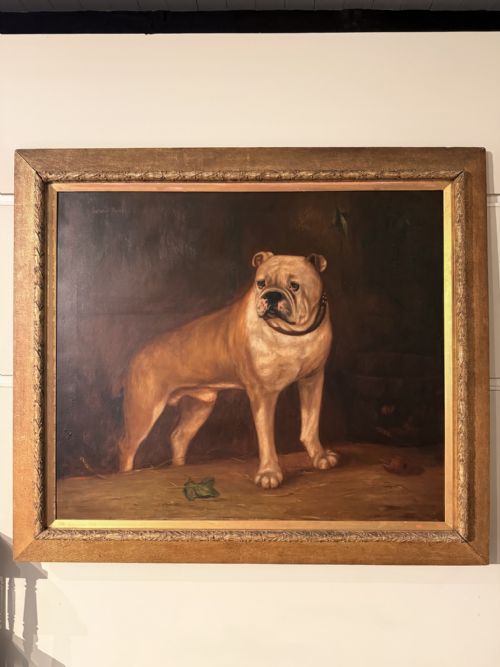
The selections available here lean heavily towards Victorian and Edwardian equine and canine portraiture, alongside mid-century racing and Olympic depictions. Buyers encounter everything from large canvas oil paintings of hunters in stables to intimate pastel drawings of terriers and greyhounds.
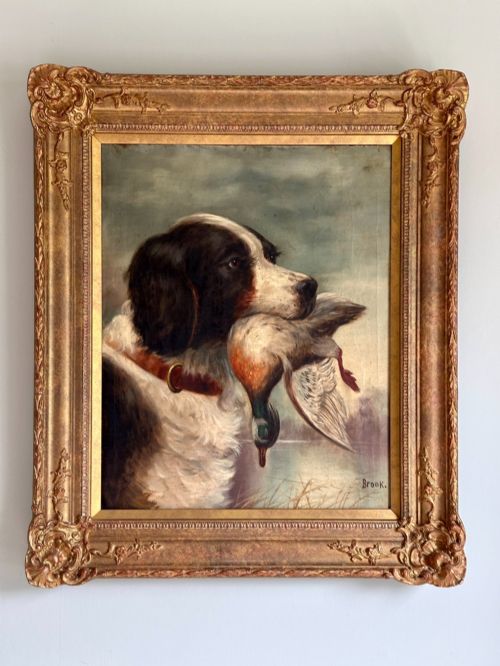
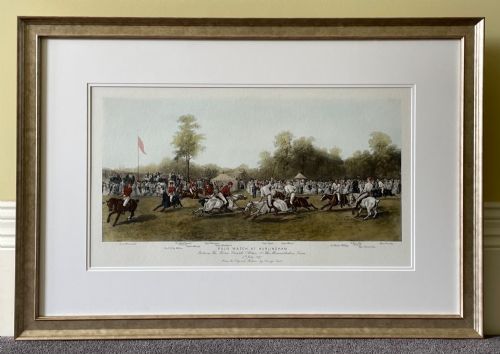
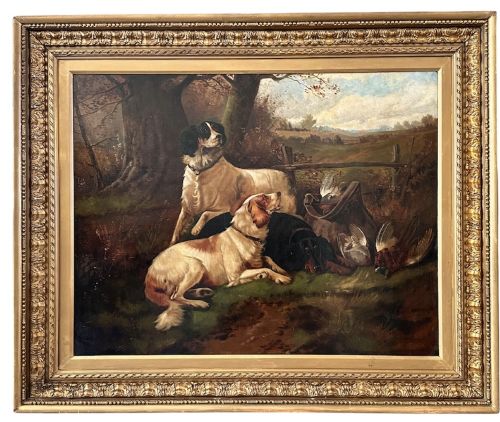
Works originate from various periods including Victorian, Edwardian, and mid-century modern eras, reflecting changing artistic interpretations of athleticism and animal subjects. Whether capturing a polo match at Hurlingham or a quiet moment with gun dogs, each piece places historical sport within a decorative wall format.
Materials and construction
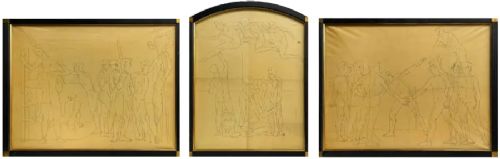
The physical objects rely on traditional fine art supports, predominantly oil on canvas or oil paint on panel for major nineteenth-century works. Paper surfaces also feature extensively, carrying watercolours, pastels, gouache, and lithographic prints.
Framing is integral to these pieces, utilising wood such as giltwood, walnut, and oak to enclose the artwork alongside protective glass for works on paper. Gilding with gold leaf frequently enhances the heavier wooden frames associated with Victorian and Edwardian oils.
Several dogs immortalised in these frames likely ate better than the artists painting them.
Evaluating the standard of pieces
Quality rests upon the anatomical accuracy of the human and animal subjects, the handling of light within the landscape, and the distinct touch of the hand. Superior examples demonstrate a deep understanding of movement, particularly in galloping horses and working hounds.
The integrity of the original framing, the clarity of signatures or attribution, and the preservation of the pigment or paper surface dictate the overall standing of an artwork. Pieces retaining period frames and stable canvas supports maintain stronger material authenticity.
Thomas Smythe·Sir Edwin Henry Landseer·Henry Barraud·John Ferneley Senior·John Rattenbury Skeaping
The Framed Sports Artwork Glossary
- Lithograph
- A printmaking process where an image is drawn onto stone or metal with a greasy medium and inked for transfer. This technique allowed for the mass reproduction of detailed sporting scenes in the nineteenth century.
- Giltwood
- Wood that has been coated with a thin layer of gold leaf or gold paint. It frequently borders traditional oil paintings from the Victorian period.
- Gouache
- An opaque watercolour paint mixed with a binding agent to produce a heavier, more solid colour on paper. It appears frequently in twentieth-century racing and sporting illustrations.
- Equine
- Pertaining to horses, representing a dominant subject category within British sporting art. Equine works range from stable portraits to dynamic racing studies.
- Provenance
- The documented history of ownership surrounding an artwork. A trace of provenance connects a piece to specific estates, galleries, or historical collections.
Framed Sports Artwork: Frequently Asked Questions
What periods do these pieces cover?
The selection spans from the nineteenth century through the Edwardian era and into the mid-twentieth century. Victorian and Edwardian sporting works form a large part of the available styles.
Later pieces extend into the nineteen-sixties, capturing twentieth-century athletics and racing through gouache and pastel mediums.
How were these artworks traditionally displayed?
Sporting artwork was typically hung in country houses, libraries, and estate reception rooms to celebrate rural pursuits and successful breeding animals. Large oil paintings commanded prominent wall space above mantelpieces.
Smaller watercolours, pastels, and framed engravings were gathered in corridors or studies, reflecting personal involvement in hunting, shooting, and racing.
How do I identify a Victorian sporting painting?
Victorian pieces often feature rich oil on canvas surfaces depicting heavy hunters, fox hunting packs, or gun dogs in detailed pastoral landscapes. They frequently employ elaborate giltwood frames.
The subject matter prioritises narrative clarity and precise anatomical rendering of horses and hounds, reflecting the era's dedication to field sports.
Are these pieces original works?
The inventory contains a mixture of original oil paintings, watercolours, and pastels alongside period lithographs and engravings. Each listing specifies the exact medium, such as oil on canvas or pastel on paper.
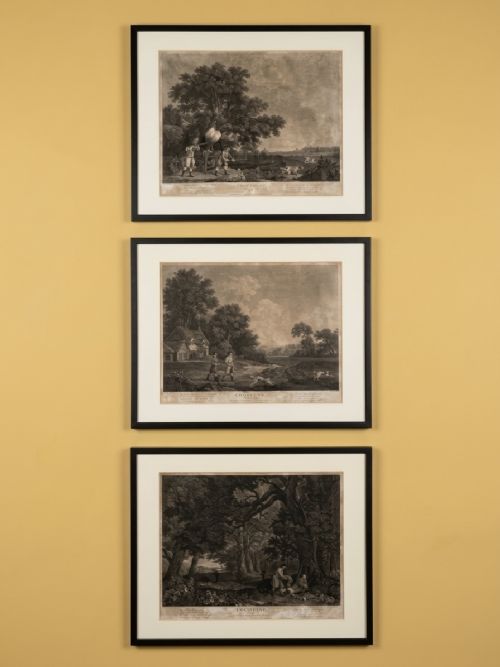
Prints and lithographs from the nineteenth and early twentieth centuries offer historical representations of events like polo matches and hare coursing alongside unique painted studies.