

Brown Paper Artwork
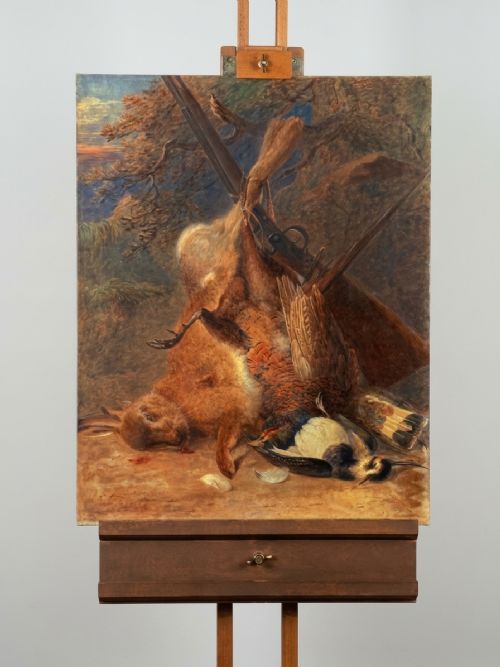
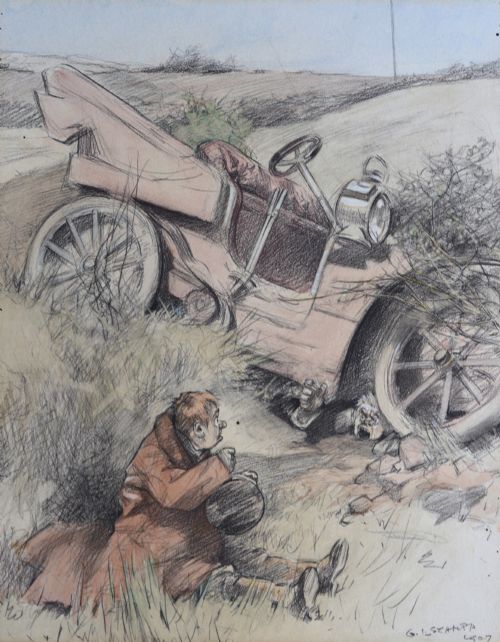
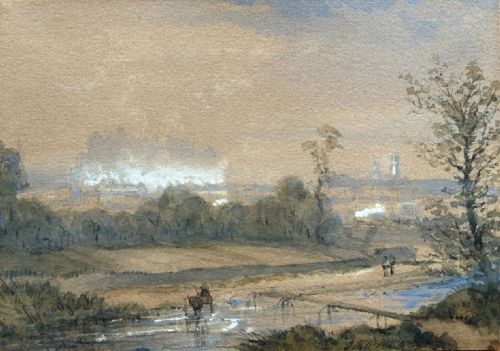
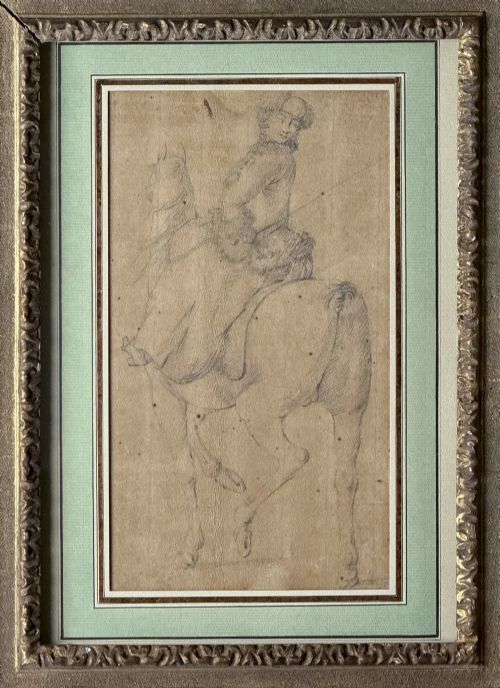
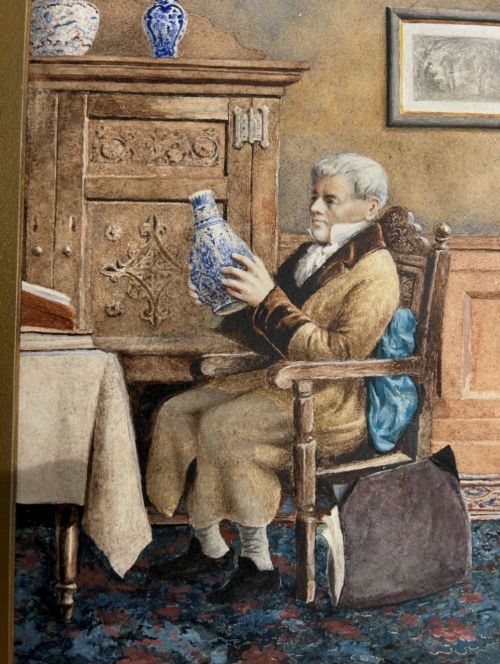
Brown paper artwork comprises works on tinted or buff supports, spanning portraits, landscapes and studies from the eighteenth century to the mid twentieth century.
Brown Paper Artwork
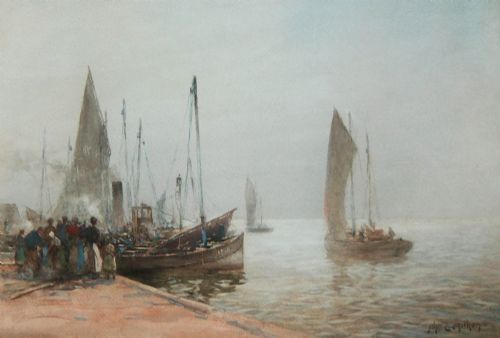
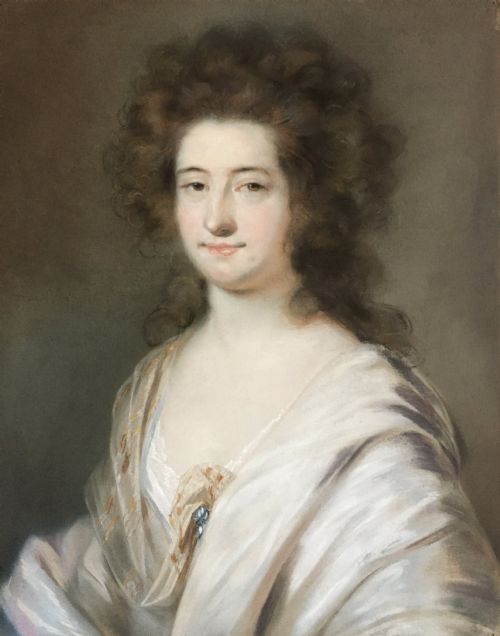
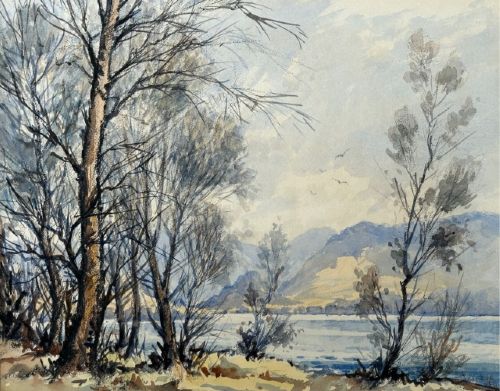
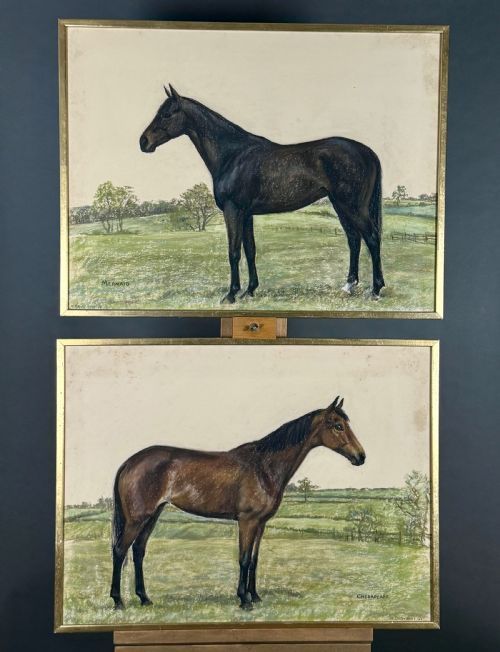
Buyers seeking brown paper artwork encounter a diverse range of works, from eighteenth-century equestrian studies and portrait pastels to twentieth-century animal drawings and landscape watercolours.
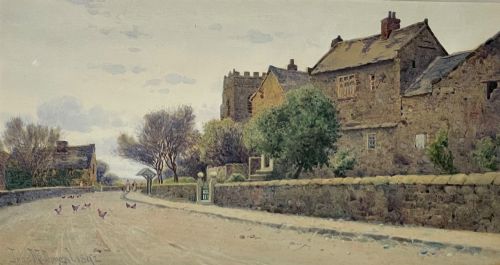
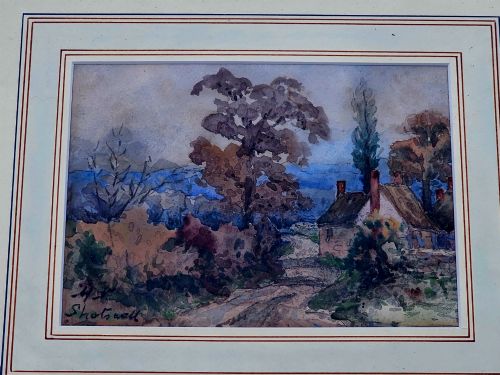
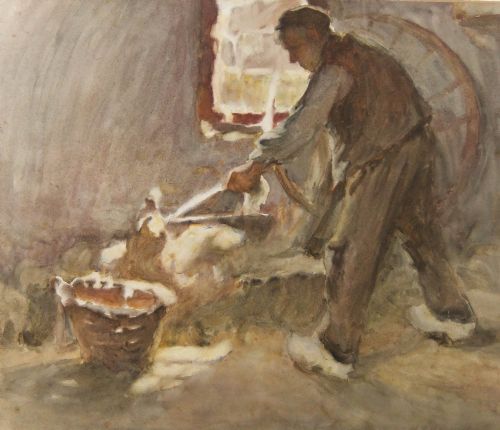
The selection here encompasses framed drawings, watercolour paintings, gouache sketches and silhouette prints executed upon tinted supports across multiple periods including the Victorian, Edwardian and Modern British eras.
Materials and technique
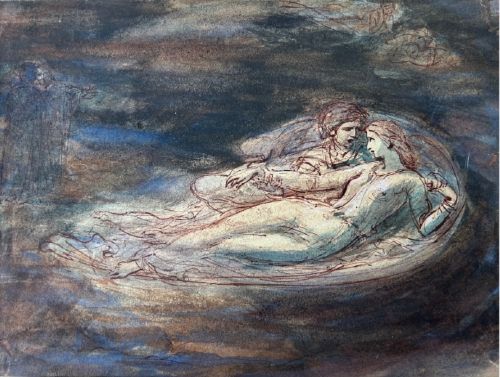
Artists utilise watercolours, bodycolour, gouache, ink, wash and pastels applied directly onto paper supports, often using the tone of the buff or coloured paper as a mid-tone in the composition.
The physical framing frequently incorporates wood and glass to protect delicate works on paper, maintaining the original presentation of these historical drawings and paintings.
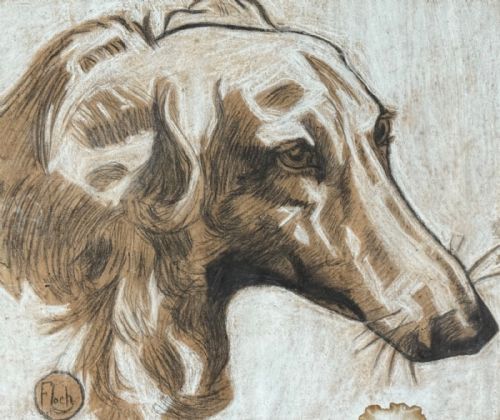
Canine subjects range from an Art Deco borzoi in gouache to racing greyhounds caught mid-stride.
Quality and execution
Distinction across the range relies upon the sureness of the draughtsmanship, the vitality of the line in ink or pencil, and the preservation of pigment vibrancy against the paper support.
The sophistication of the composition and the clarity of attribution to known schools or named hands elevate individual examples above standard decorative pieces.
George Sydney Shepherd·George Lorain Stampa·James Orrock·John R Prentice·Henry Stacy Marks·John McDougal·James E. Aitken·John Russell·Robert Leslie Howey·Henry Silkstone Hopwood·Muriel Metcalfe·Augustin Edouart·John Smith Atherton·Hector Caffieri·David Roberts·Carl Haag·Samuel Rabin·Étienne Baudet·Sir Thomas Lawrence·Ralston Gudgeon·James Hayllar·Warwick Goble·Alfred George Morgan·John Rattenbury Skeaping
The Brown Paper Artwork Glossary
- Gouache
- An opaque water-based paint that provides solid areas of colour and dense highlights on tinted paper. It allows artists to work from dark supports up to bright tones.
- Bodycolour
- Watercolour mixed with a white pigment to render it opaque, creating a denser finish similar to gouache. This technique appears frequently in nineteenth-century exhibition watercolours.
- Buff paper
- A warm yellowish-grey or light brown paper stock used as a coloured ground for drawings. The neutral tone serves as an integrated background element in pastel and gouache works.
- Wash
- A thin, fluid layer of diluted ink or watercolour applied across paper to establish shadow, tone or atmospheric depth. It forms the foundation of many early portrait and landscape sketches.
Brown Paper Artwork: Frequently Asked Questions
What periods do these works come from?
The pieces span several centuries, with examples originating from the eighteenth, nineteenth and twentieth centuries.
Specific eras represented include the Georgian, Victorian, Edwardian, Art Deco and Modern British periods.
How should I display framed paper art?
Framed works on paper require positioning away from direct sunlight to prevent the fading of watercolours, inks and pastels.
Keeping them behind protective glass in stable indoor environments helps preserve the paper support and pigments.
What mediums are used on these supports?
Artists employ a variety of drawing and painting materials, including watercolour, gouache, ink washes, graphite and pastels.
Many of these mediums utilise the natural tone of the buff or coloured paper as part of the overall palette.
Are these works original or prints?
The selection consists primarily of original hand-drawn and painted works, including sketches, studies and finished watercolours.
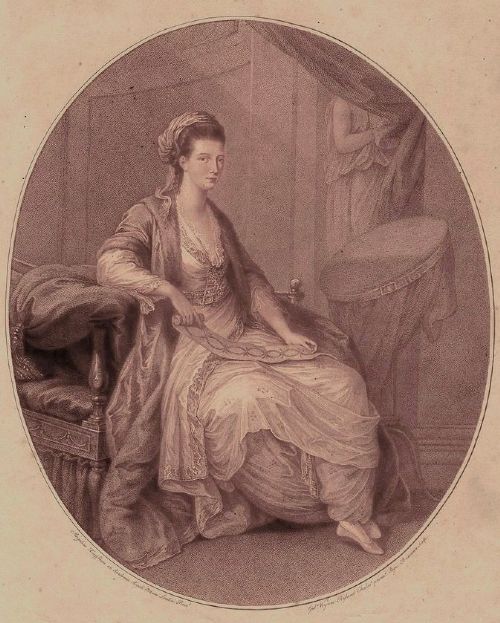
Certain listings also feature period engravings and vintage first-edition prints.