

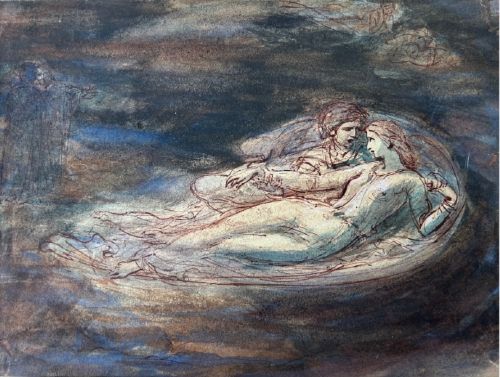
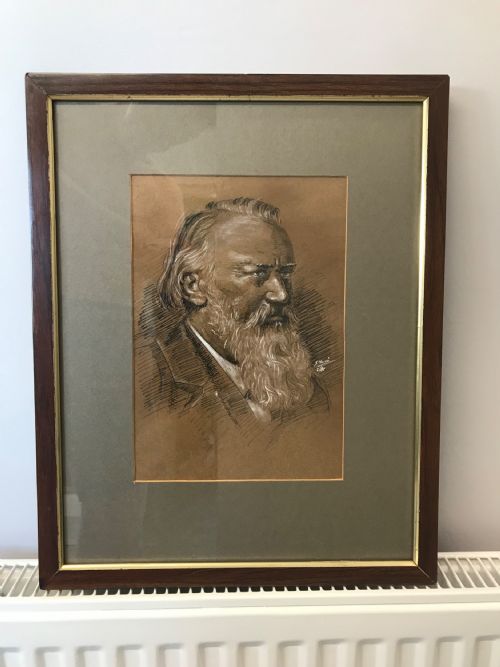
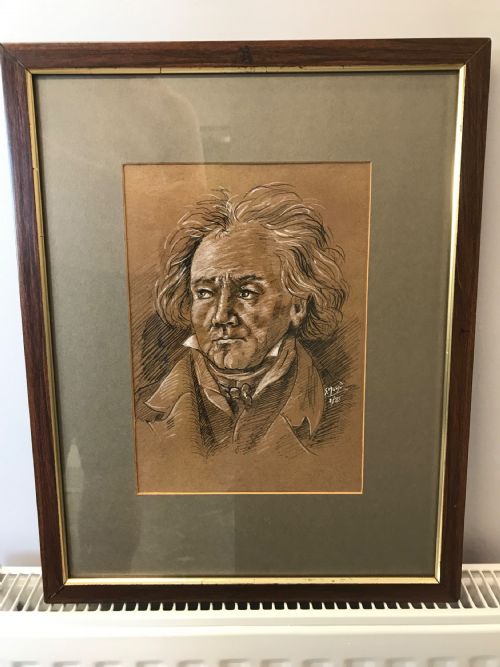
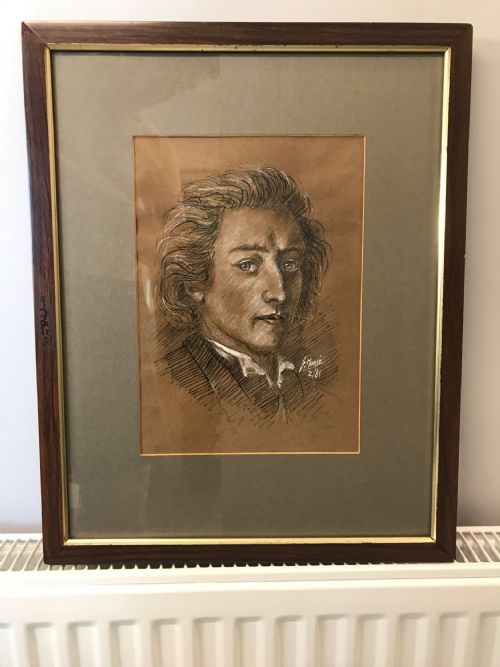


Brown Wash Painting
Brown wash painting centres on monochromatic tonal works executed in ink and watercolour on paper, prized by collectors for their subtle gradations.
Brown Wash Painting
When you search for brown wash painting, you encounter works on paper originating from the nineteenth and twentieth centuries, spanning Victorian, Edwardian and mid-century periods. These pieces take the form of framed artwork, original paintings and drawings, and landscape watercolours.
How they were made
Makers utilised paper as a primary support, applying ink, watercolour pigment and gouache to build tonal depth. Many works combine pen ink line work with a brown wash to define form and shadow.
Framed examples typically utilise wood and glass to protect the delicate works on paper from environmental damage. Certain pieces incorporate two-coloured ink line drawings alongside the wash techniques.
Brown Wash Painting Retail Price Guide 2026
Typical asking prices for brown wash painting among the pieces listed under this phrase on Sellingantiques today, from the lower quarter to the upper quarter. They describe what is for sale here now, not the wider market.
Listings span periods from the Georgian era through Victorian and Edwardian times up to mid-twentieth century modern works.
What varies in quality
Quality rests upon the precision of the ink line and the skillful control of the wash pigment across the paper. Works demonstrating confident handling of tone and perspective distinguish themselves from simpler sketches.
The preservation of the paper surface and the integrity of the framing materials further divide the standard of surviving pieces from different periods.
Tom Clough·Robert Richard Scanlan·William Wyld·Henry Barlow Carter·Thomas Pyne·Fred Lawson·Rowland H. Hill·Thomas Lound·Thomas Brabazon Aylmer
The Brown Wash Painting Glossary
- Wash
- A technique where diluted ink or watercolour pigment is applied evenly across paper to create smooth tonal areas. This method forms the foundation of monochrome shading.
- Gouache
- An opaque watercolour paint containing pigment mixed with a binding agent and white filler. Artists utilise it to add highlights and solid areas of colour.
- Pre-Raphaelite
- An artistic style associated with nineteenth-century accuracy, detail and narrative depth. Works in this group often reflect these serious compositional aims.
- Support
- The physical material, such as paper, upon which the painting or drawing is executed. Paper forms the universal base for these wash works.
Brown Wash Painting: Frequently Asked Questions
What is a brown wash painting?
A brown wash painting is a work on paper created using diluted ink or watercolour pigment to produce monochromatic tonal depth. These pieces range from rapid landscape sketches to finished historical watercolours.
Artists across the nineteenth and twentieth centuries utilised this technique to establish shadow and form without relying on a full palette of colours.
How should I frame works on paper?
Works on paper require conservation-grade mounting under glass to protect the delicate pigments from light exposure and atmospheric moisture. Wooden frames commonly house these historic pieces securely.
Keeping them away from direct sunlight preserves the subtle brown tones of the ink and watercolour washes over time.
How do I date an ink and wash drawing?
Dating relies on the paper type, framing style, costume details in portraits, and signatures or inscriptions left by the artist. Comparative examination of known works from the same period aids identification.
Many pieces carry explicit dates or attribution details in the title or on the reverse of the mount.
Where were these landscape watercolours created?
Landscape watercolours in this selection depict specific British locations including Yorkshire, Whitby harbour, and Yarmouth, alongside European scenes in France and Italy. Artists frequently worked out of doors to capture topography directly.
These topographical records document nineteenth-century rural and coastal environments through direct observation.