

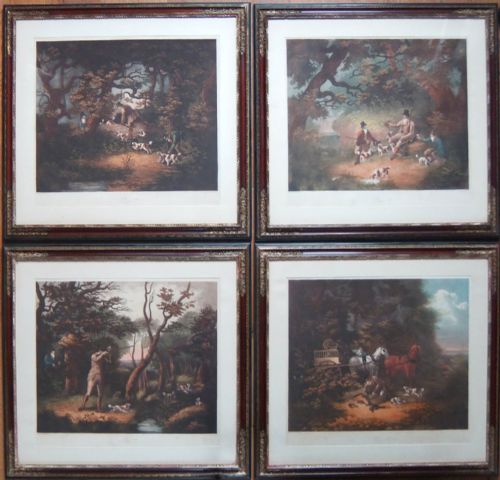
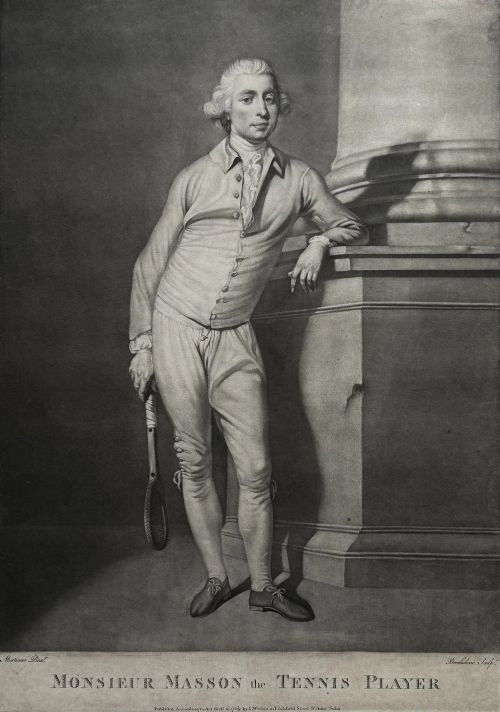
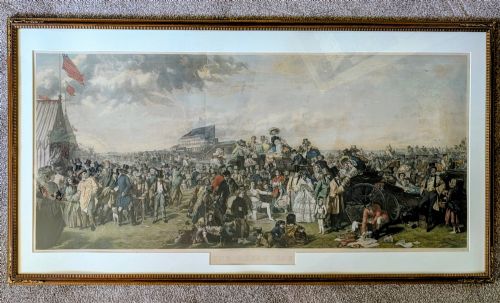
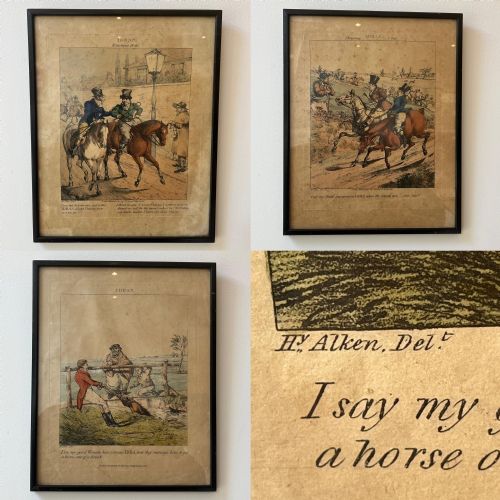
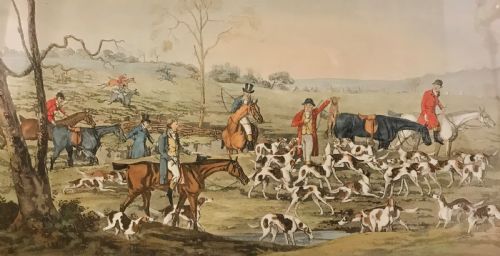


Framed Sporting Engravings
Framed sporting engravings capture past athletic pursuits and country pastimes through detailed ink lines, ready to hang on a panelled wall.
Framed Sporting Engravings
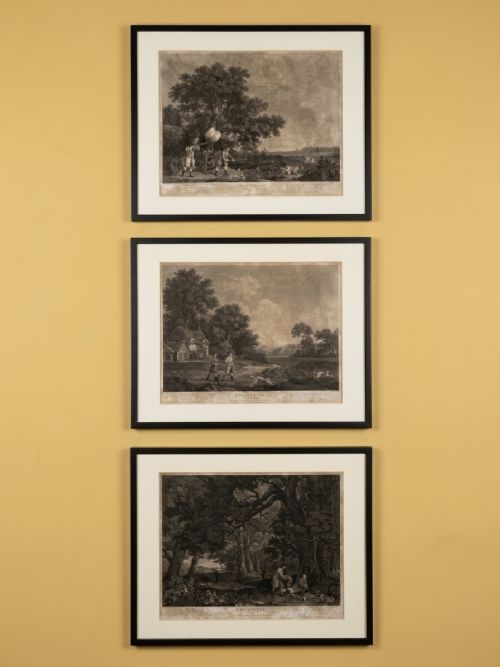
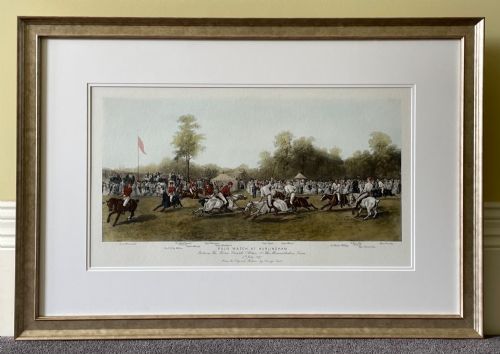
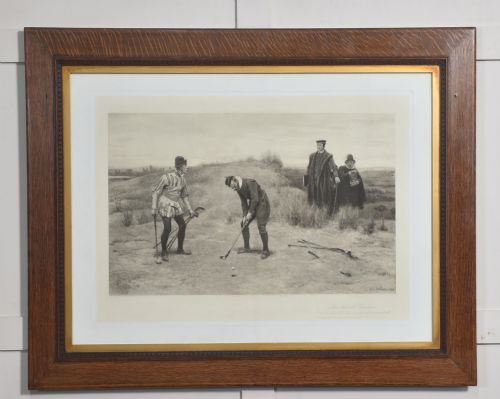
When you search for framed sporting engravings, you find works depicting pastimes like shooting, hunting, racing, tennis, and golf across multiple historical periods. These pieces record athletic and field events through printed images mounted behind glass.
The selection ranges from Georgian country pursuits and Regency games to Victorian racing scenes and Edwardian etchings. Most examples originate from the eighteenth and nineteenth centuries, capturing motion in ink and paper.
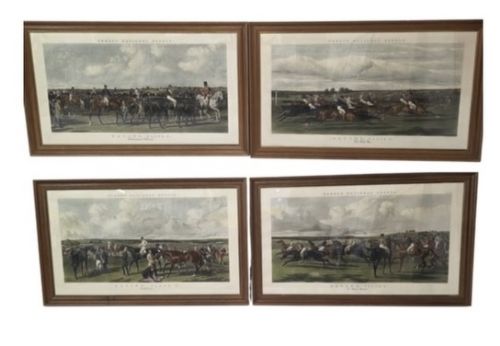
Common formats include complete sets of four plates, pairs, and individual large sheets preserved in wood, gilt wood, or oak frames. Subjects span horse racing, fox hunting, dog portraits, and match play.
How they were made
These works rely on paper bearing ink impressions created through engraving, aquatint, lithography, or etching techniques. Many carry added watercolour pigment applied by hand over the printed lines.
Framing materials commonly feature timber mouldings in plain wood, oak, or gilt wood, enclosing protective glass over the sheet. Gold leaf accents sometimes highlight the inner borders of the frames.
Framed Sporting Engravings Retail Price Guide 2026
Typical asking prices for framed sporting engravings among the pieces listed under this phrase on Sellingantiques today, from the lower quarter to the upper quarter. They describe what is for sale here now, not the wider market.
The inventory records multiple complete sets of four plates dedicated to shooting and fox hunting subjects.
What varies in quality
Quality rests in the crispness of the original ink impression and the precision of the hand-applied colour. Finer examples retain sharp lines without blurring or fading across the paper surface.
The integrity of the framing materials and the preservation of the paper sheet influence the overall standard. Intact sets matching their original publication format hold greater visual coherence than assembled groups.
Dean Wolstenholme·Richard Brookshaw·John Hamilton Mortimer·William Powell Frith·Henry Alken·William Woollett·George Stubbs·J. C. Dollman·James Dobie·W. Dendy Sadler·Sam Howitt·William Bunbury·Charles Hunt·Francis Calcroft Turner
The Framed Sporting Engravings Glossary
- Engraving
- A printmaking method where an artist cuts lines directly into a metal plate with a burin to hold ink. The resulting impressions show high linear definition.
- Aquatint
- A print technique that achieves tonal areas resembling watercolour washes by acid-biting resin-covered plates. It provides the soft backgrounds often seen behind figures.
- Lithography
- A planographic printing process using stone or metal plates based on the repulsion of oil and water. This method allowed accurate reproduction of dynamic scenes.
- Etching
- A process where acid bites lines drawn through a protective ground on a metal plate. It yields flowing strokes reminiscent of freehand drawing.
Framed Sporting Engravings: Frequently Asked Questions
What subjects appear in these works?
The subjects record traditional pursuits including shooting, fox hunting, horse racing, tennis, golf, and football.
Additional scenes depict pedestrian races, ball games, and canine portraits from various historical eras.
How were these pieces displayed?
They were framed behind glass within wooden mouldings to protect the paper from moisture and dust in country houses and town residences.
Sets often hung together in libraries, halls, or dining rooms to display complete sporting sequences.
Are these works hand-coloured?
Many examples feature watercolour pigments applied by hand over the printed lines to enhance the uniforms, horses, and landscapes.
This coloration was typically added in the workshop shortly after the initial printing process.
How do I identify the period?
Dating relies on the publication lines, costume details, printing techniques, and stylistic markers associated with Georgian, Regency, or Victorian art.
Lettering on the lower margin often records the publisher, date, and names of the artist and engraver.