



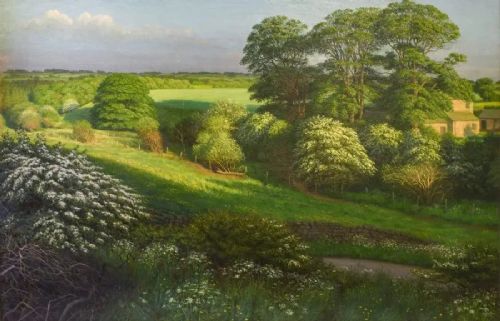
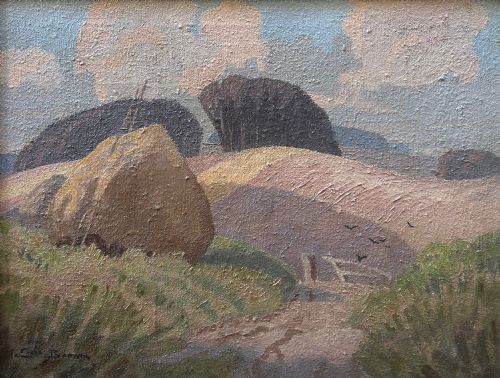
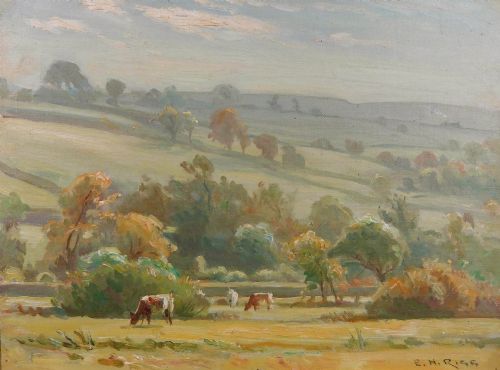
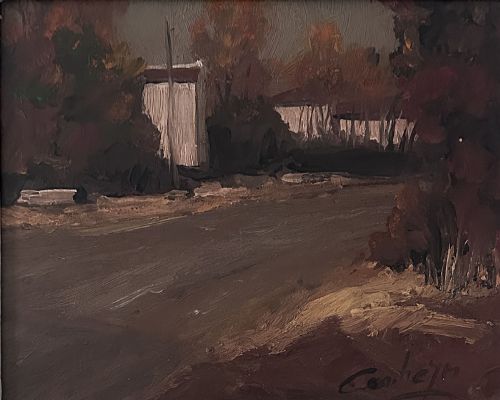
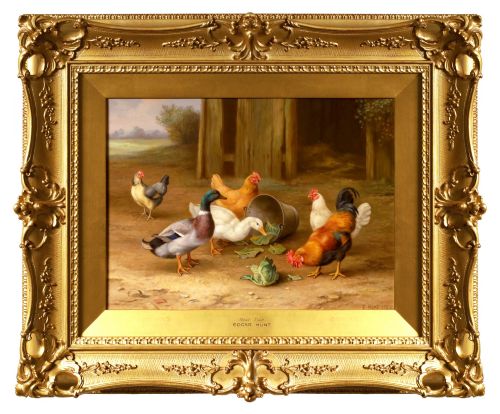
Framed Rural Canvas Art
Framed rural canvas art brings pastoral life, working horses, and quiet cottages indoors through traditional oil paintings.
Framed Rural Canvas Art
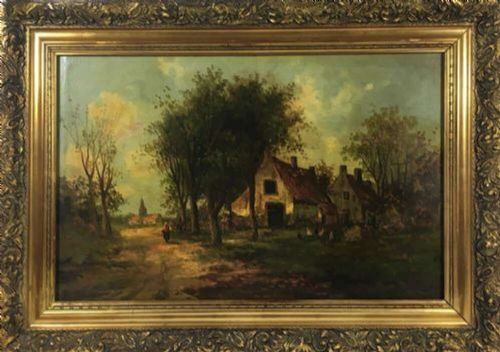
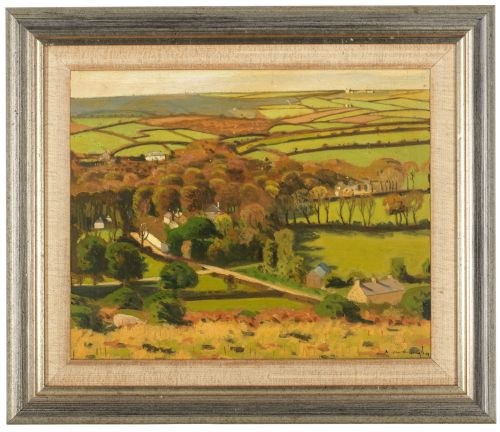
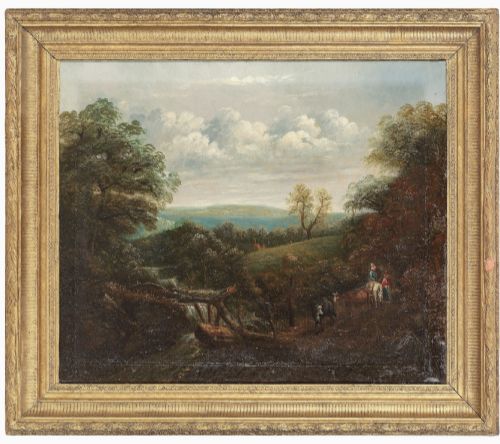
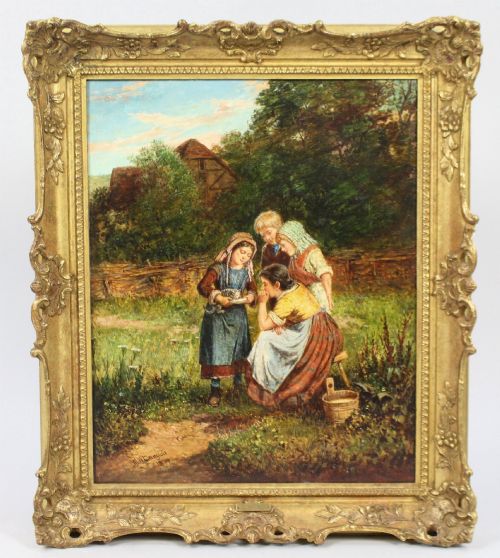
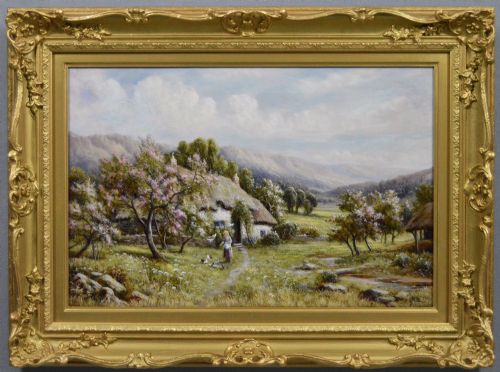
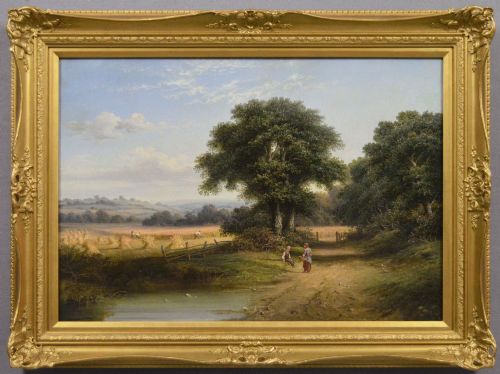
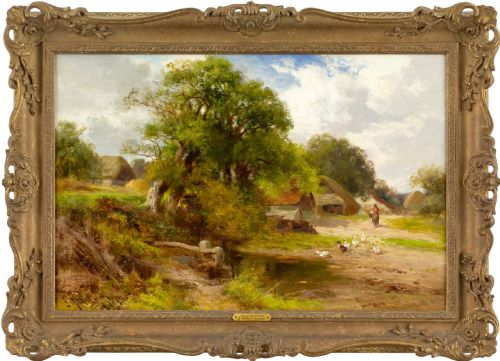
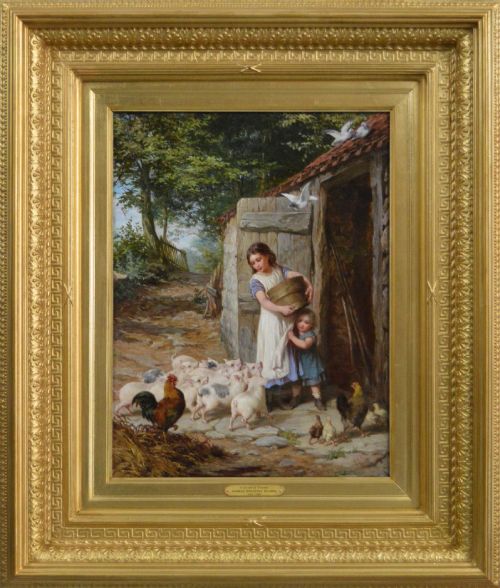
When you search for framed rural canvas art, you encounter oil paintings on canvas that capture pastoral scenes, agricultural labour, and country cottages. These works depict harvest fields, river landscapes, and farmyard animals rendered by British and continental painters across the nineteenth and twentieth centuries.
The most common examples on this page date from the Victorian period through the mid-twentieth century, embracing styles such as British Impressionism, the Barbizon School, and traditional country realism. Subjects range from heavy working horses and dairy cattle to quiet village pathways and domestic cottage scenes.
Such pieces reflect a long-standing artistic interest in the countryside, combining landscape views with genre painting that records rural existence. They provide a direct window into agricultural life before mechanisation transformed the agrarian landscape.
How they were made
These works are executed in oil paint applied to woven canvas stretched over wooden frames, often paired with heavy gilt wood surrounds. Artists built up their compositions using oil pigments that allowed for rich colour blending and textured brushwork, capturing the play of light on haystacks and riverbanks.
The framing typically consists of moulded wood finished with gilt or paint, designed to complement the tonal depth of the canvas within. Many examples display the physical marks of the artist's brush alongside the natural weave of the fabric support.
Several canvases capture cows, sheep, and heavy shire horses pausing patiently in the middle of a hard day's work.
What varies in quality
Quality in these rural paintings rests upon the artist's command of light, proportion, and atmospheric perspective within the landscape. The most accomplished works handle figures and animals with anatomical precision while maintaining a harmonious balance across the entire composition.
The handling of the oil medium itself distinguishes finer examples, where confident brushwork and nuanced colour mixing bring depth to foliage, water, and sky. Original period framing in gilt wood also contributes to the integrity of the piece.
Robert Morson Hughes·Mark William Langlois·David Bates·Robert John Hammond·Walter Heath Williams·John Horace Hooper·George Augustus Holmes·Ernest Higgins Rigg·Edgar Hunt·Umberto Volpato·William Greaves·Sydney Yates Johnson·Owen Bowen·Charles Clair·Harry Freckleton·Raimond Louis Lecourt·William Henry Mander·Thomas Sidney Cooper·James Kyd·Henry John Yeend King·William Sydney Cooper·Samuel Joseph Clark·Henry John Boddington
The Framed Rural Canvas Art Glossary
- Canvas
- A heavy woven fabric typically made of linen or cotton that serves as the primary support surface for oil painting.
- Oil Paint
- A slow-drying paint made by combining pigments with drying oils such as linseed, allowing for rich blending and textured application.
- Gilt Wood
- Wood that has been coated with a thin layer of gold leaf or gilt paint, commonly used for traditional picture framing.
- Barbizon School
- A nineteenth-century art movement focused on realist landscape painting, emphasising direct observation of nature and rural life.
- Genre Painting
- The pictorial representation of scenes from everyday life, including figures working in fields, tending animals, or gathered outside cottages.
Framed Rural Canvas Art: Frequently Asked Questions
What subjects do these rural paintings feature?
These works primarily depict agricultural scenes, including harvest fields, ploughing horses, river landscapes, and figures outside thatched cottages.
Animals such as sheep, cattle, and farmyard poultry also appear frequently alongside human activity in the countryside.
How do I care for an oil painting on canvas?
Keep the canvas away from direct sunlight and fluctuating humidity to prevent the paint from cracking or the wood from warping.
Dust the surface gently with a soft, dry brush and avoid using water or chemical cleaners on either the canvas or the frame.
How can I tell the period of a painting?
Dating relies on stylistic clues, costume details of the figures depicted, and the construction methods of the canvas stretcher and frame.
Signatures, dates inscribed on the reverse, and artist records also help establish when the work was created.
Were these paintings always framed?
Most nineteenth and early twentieth-century canvases were paired with frames chosen to complement the tonal qualities of the artwork.
Original gilt wood frames remain desirable as they preserve the complete historical presentation of the piece.