



Framed Reverse Mezzotints
Framed reverse mezzotints are striking antique wall art pieces that bring remarkable depth and historical character to any interior.
Framed Reverse Mezzotints
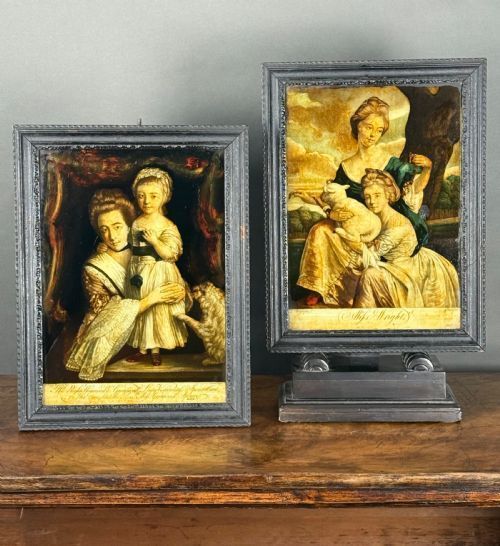
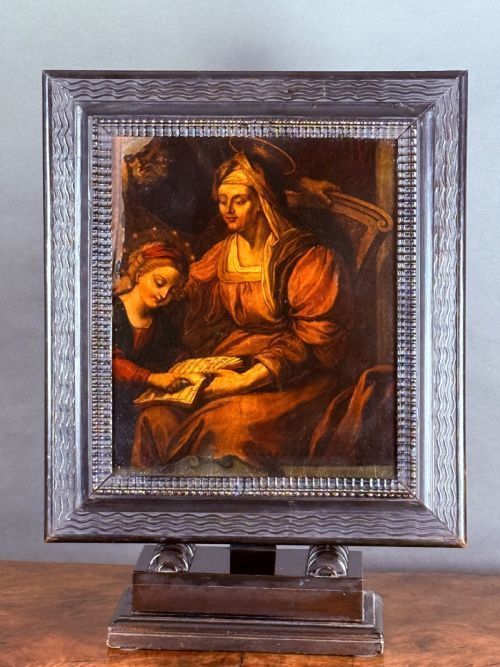
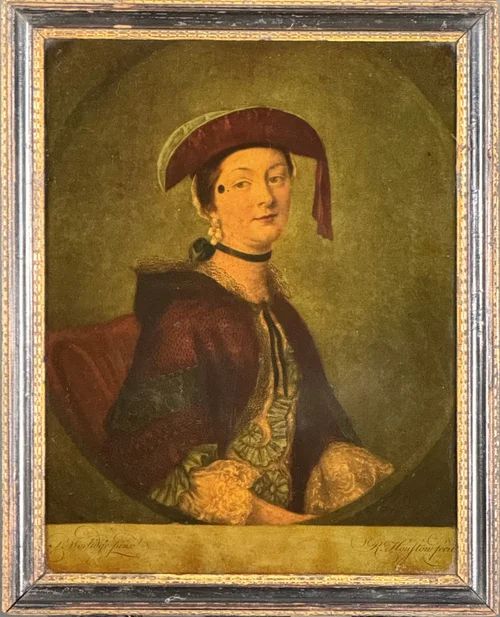
Framed reverse mezzotints are historic works of wall art created by transferring or painting mezzotint prints directly onto the underside of glass. When viewed from the front, the image gains a luminous quality that sets it apart from standard paper prints.
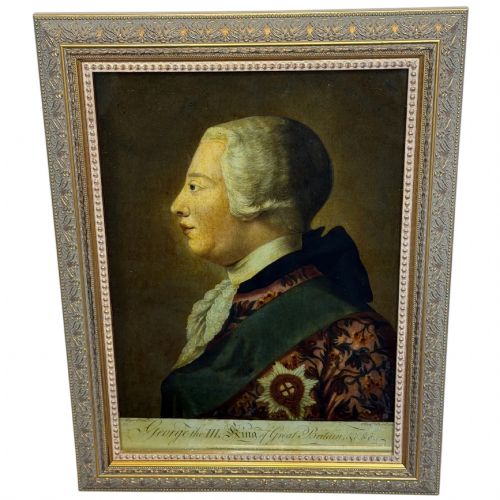
Most examples found in these listings date from the Georgian and Regency periods, alongside pieces originating in the seventeenth and nineteenth centuries. Subjects range from royal portraits of figures like King George III and Queen Anne to allegorical seasonal representations and domestic scenes.
Buyers will encounter various formats including individual portraits, pairs, and sets of four depicting themes such as the seasons or daily employment. These works combine printmaking and reverse glass painting techniques to produce distinctive decorative wall pieces.
How they were made
The creation of these pieces involved applying a mezzotint print face down onto a sheet of glass using an adhesive medium. Once adhered, the paper backing was carefully rubbed away or thinned so that the ink remained permanently fixed to the glass.
Artists then applied oil paint, pigment, and gold leaf by hand to the reverse side of the glass to colour and illuminate the image. This meticulous process required working backwards, painting the foreground details first before adding background layers.
Finished plates were secured within wooden frames, often incorporating gilt or gold leaf finishes that complemented the reflective surface of the glass. The combination of wood, paper, glass, and oil pigment created a durable and visually rich construction.
Early printmakers ensured viewers could admire portraits of royal figures like King George III reflected permanently through glass.
What varies in quality
The sophistication of the hand-applied pigment and gold leaf work largely distinguishes finer examples from simpler production. Skilled colourists added depth with translucent oil paints that interacted naturally with the underlying printed lines.
The precision of the original mezzotint engraving dictates the clarity of the underlying portrait or scene. Master printmakers produced sharper tonal gradations, which remain visible beneath the glass surface.
The preservation of the glass plate and the original wood framing contributes significantly to the standing of an individual piece. Retaining untouched historical surfaces enhances the integrity of antique wall art of this type.
Fletcher·Sebastiaan Vrancx·Charles Spooner·Richard Purcell·W. Bishop·Richard Phillips
The Framed Reverse Mezzotints Glossary
- Mezzotint
- A printmaking process of the intaglio family where the surface is roughened uniformly to produce dark tones and scraped to produce lighter areas. This technique allows for subtle gradations of light and shade.
- Reverse glass painting
- The technique of applying paint and pigment to the back of a glass panel so that the finished image is viewed through the transparent front. It requires the artist to paint fine details and foreground elements first.
- Georgian
- Relating to the period of British history spanning the reigns of the first four Georges, noted for elegance in decorative arts and portraiture. Pieces from this era often display classical restraint and balanced composition.
- Gilt
- Covered thinly with gold leaf or gold paint to provide a decorative metallic finish. This treatment highlights the carved details of antique wooden frames.
Framed Reverse Mezzotints: Frequently Asked Questions
What are framed reverse mezzotints?
Framed reverse mezzotints are historic wall art items where a printed mezzotint image is transferred to the reverse of a glass sheet and hand-coloured with pigments.
Craftsmen completed these works during the seventeenth, eighteenth, and nineteenth centuries, producing luminous portraits and allegorical scenes that reflect the aesthetic tastes of the Georgian and Regency eras.
How were they displayed?
These pieces were housed in wooden frames, often enhanced with gold leaf, designed to hang securely upon interior walls. Their reflective glass surfaces were intended to catch natural daylight within period rooms.
Pairs and sets, such as depictions of the four seasons, were traditionally grouped together to create a balanced decorative scheme across a wall.
How do I identify a Georgian example?
Georgian examples typically feature portrait subjects in contemporary costume, classical allegories, or depictions of domestic employment rendered in refined eighteenth-century styles. The materials often include hand-blown glass panels and period wooden frames.
Examining the reverse through the glass can reveal the texture of the thinned paper and the distinct hand-applied oil pigments characteristic of the period.