

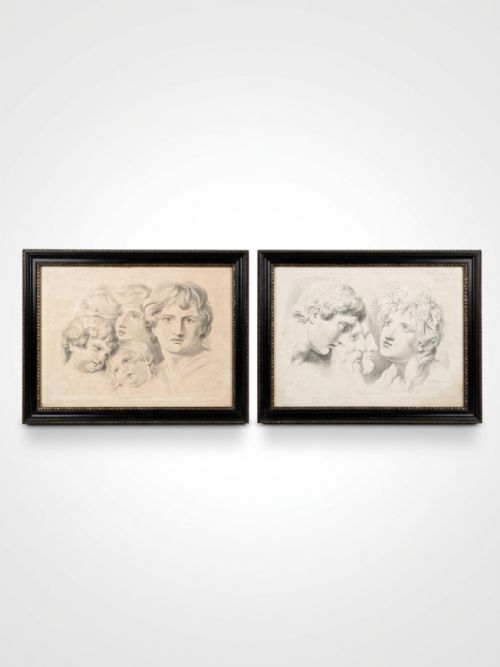
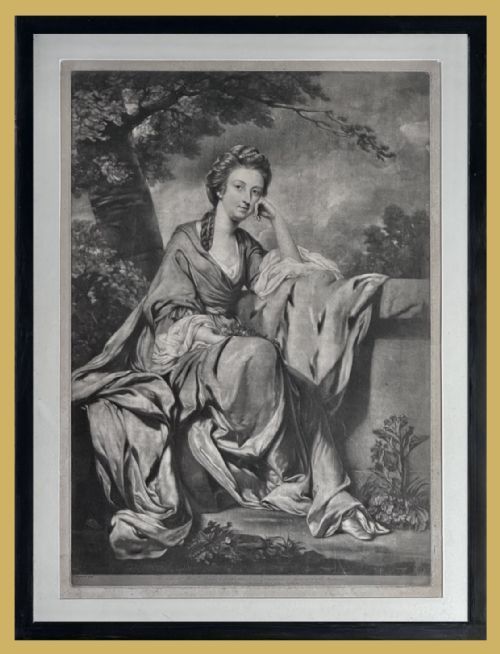
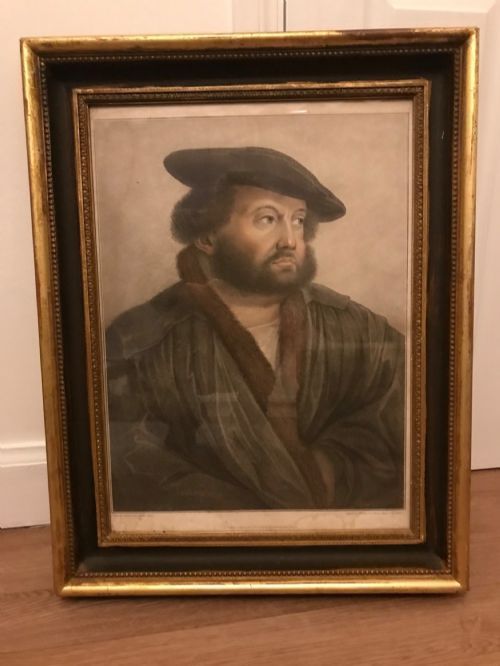
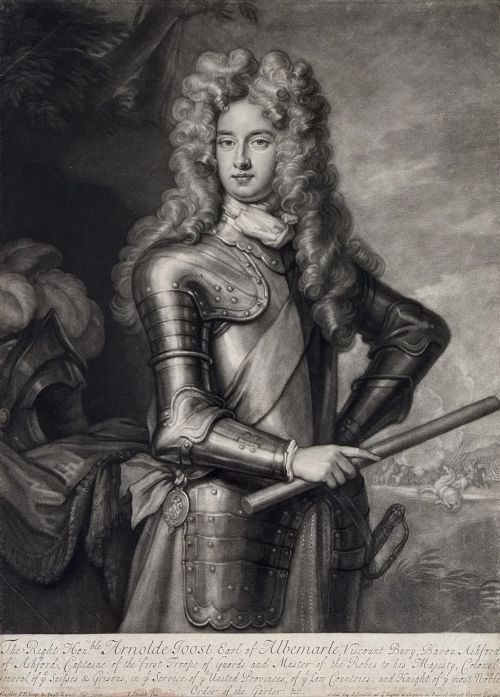


Framed Portrait Etchings
Framed portrait etchings offer a direct connection to past faces, bringing historic character and fine graphic detail into a room.
Framed Portrait Etchings
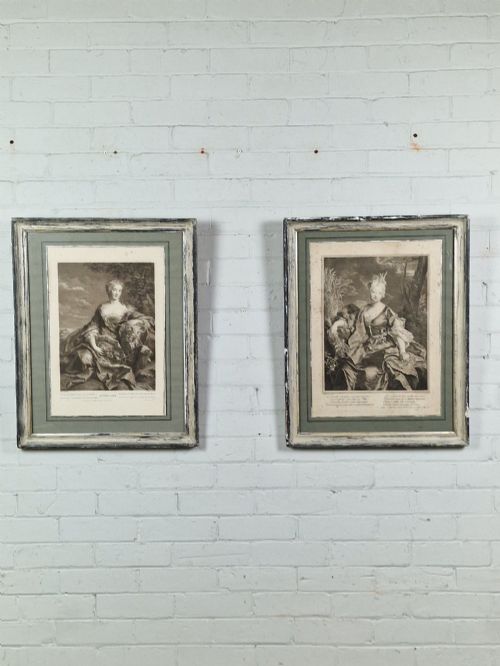
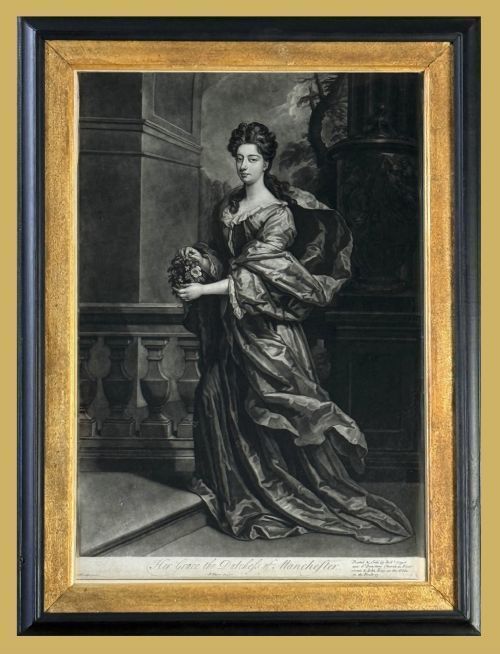
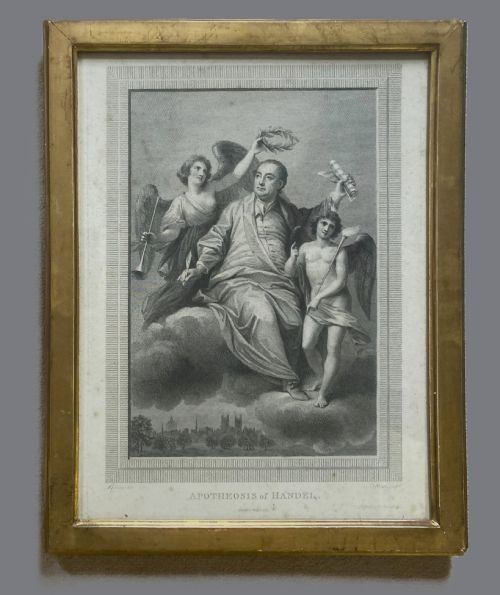
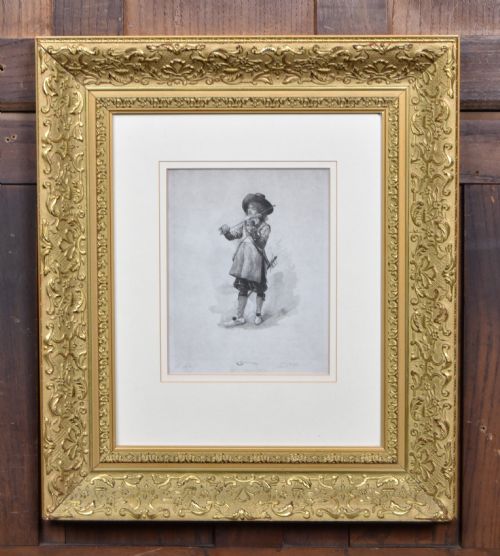
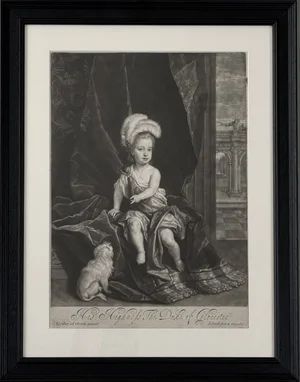
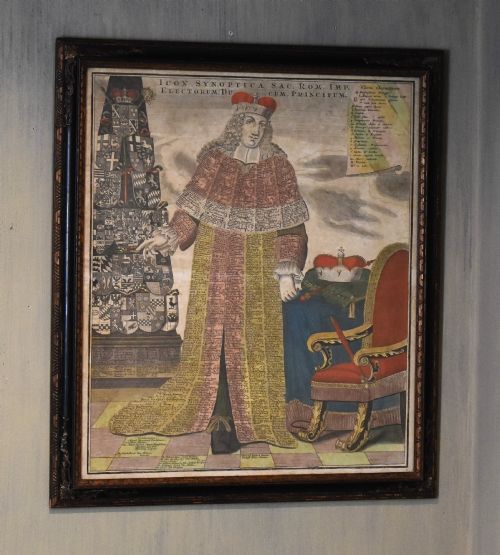
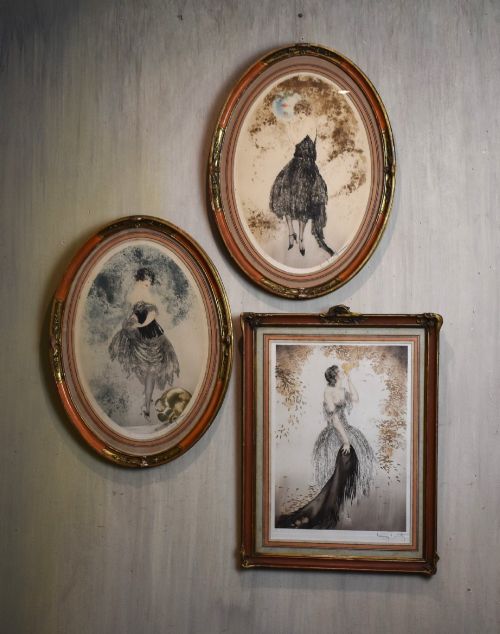
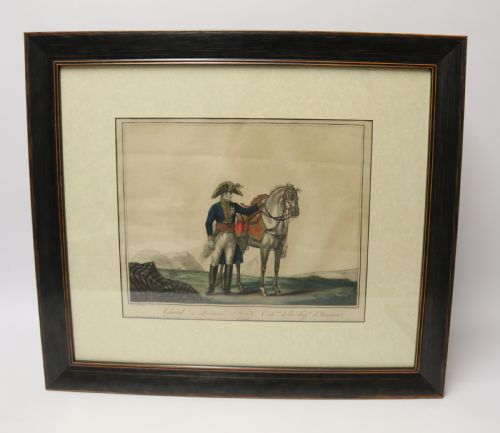
When you search for framed portrait etchings, you encounter works on paper preserved behind glass within timber frames, spanning centuries from the seventeenth to the twentieth. These pieces capture notable figures, artists, animals, and historical subjects through various printmaking techniques.
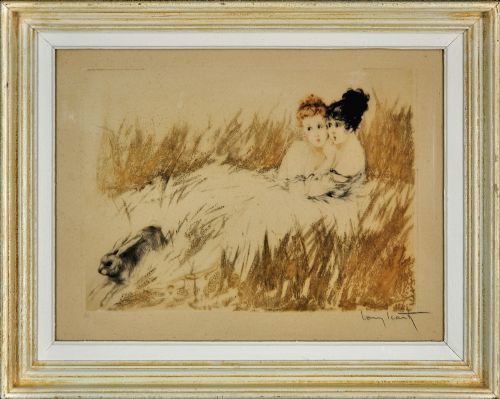
The selection ranges from eighteenth century mezzotints and stipple engravings after masters to twentieth century drypoint etchings and hand coloured plates. Georgian and Victorian examples sit alongside Edwardian and Art Deco works, reflecting changing tastes in portraiture over time.
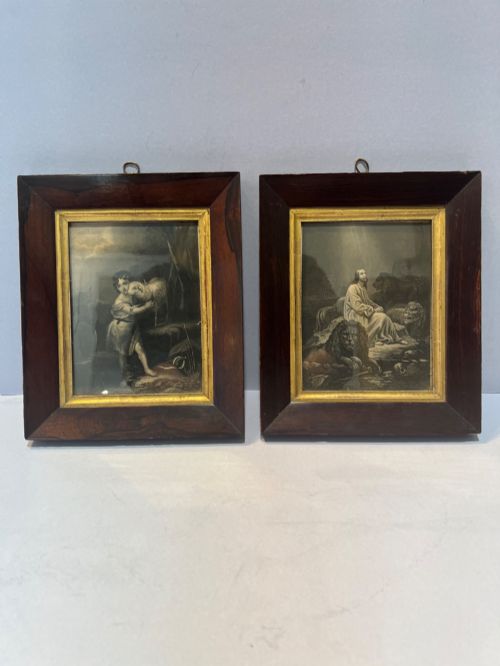
Subjects include nobility, politicians, literary figures, and animal studies executed with fine ink lines on paper. Frames utilise materials such as wood, gilt, and rosewood veneer to house these prints.
How They Were Made
Printmakers utilised paper, ink, and metal plates to create these works, employing techniques such as drypoint, mezzotint, and stipple engraving. Artists applied ink to incised lines or prepared surfaces before transferring the image under pressure.
Makers housed the completed prints behind glass within wooden frames, occasionally incorporating gold leaf, gilt wood, and rosewood veneer to enhance the presentation. Some twentieth century examples feature hand colouring applied directly to the printed surface.
Framed Portrait Etchings Retail Price Guide 2026
Typical asking prices for framed portrait etchings among the pieces listed under this phrase on Sellingantiques today, from the lower quarter to the upper quarter. They describe what is for sale here now, not the wider market.
Listings span eight distinct periods from the seventeenth century through the Art Deco era of the 1930s.
What Varies in Quality
Quality rests upon the crispness of the ink impression on the paper and the fidelity of the printmaker's lines. Earlier pulls from a plate display sharper detail and deeper contrast than later impressions where the plate has worn.
The condition and originality of the framing materials also influence the piece, particularly where period glass, gilt, or rosewood veneer remain intact. Signatures in pencil by the artist add distinction to twentieth century works.
Edward Fisher·Francesco Bartolozzi·James Heath·Kurt Meyer-Eberhardt·John Faber Jr·John Smith·Louis Icart·Herbert Dicksee·W Roffe·Augustus Edwin John·Petrus Johannes Arendzen
The Framed Portrait Etchings Glossary
- Etching
- A printmaking method where acid bites lines into a metal plate to hold ink. This process allows for fluid, expressive lines characteristic of the medium.
- Drypoint
- A technique where an artist scratches directly into a metal plate with a sharp needle. This creates a raised burr along the line that holds ink for a velvety appearance.
- Mezzotint
- A tonal printmaking process that works from dark to light by roughening a metal plate evenly. It produces rich, subtle gradations of shadow and light.
- Stipple engraving
- A method of creating images on a plate using dots rather than continuous lines. It was often employed to reproduce soft portrait contours.
- Gilt wood
- Wood coated with a thin layer of gold leaf or gilt powder. This finish appears frequently on frames from various centuries.
Framed Portrait Etchings: Frequently Asked Questions
How do I hang framed portrait etchings?
Hang these pieces at eye level on walls away from direct sunlight to protect the paper and ink from fading.
Ensure the wall fixings match the weight of the wood and glass frame.
What is the difference between an etching and an engraving?
An etching uses acid to bite lines into the metal plate, producing softer, more fluid strokes.
An engraving relies entirely on a sharp tool called a burin to cut the lines directly into the metal.
How do I identify the period of a framed print?
Look at the style of the portrait, the framing materials like rosewood veneer or gilt, and any printed inscriptions.
Paper characteristics and framing methods also offer clues to the century of production.
Can I clean the glass on antique frames?
Clean the glass gently with a soft cloth and a minimal amount of window cleaner applied to the cloth rather than the frame.
Keep moisture away from the timber and the edges where the paper meets the frame.