


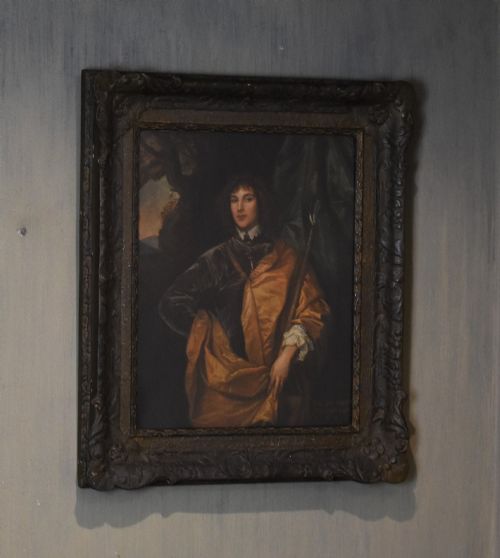

Baroque Engraved Portraits
Baroque engraved portraits capture the gravitas of past centuries through ink on paper, offering collectors a direct link to historical figures.
Baroque Engraved Portraits
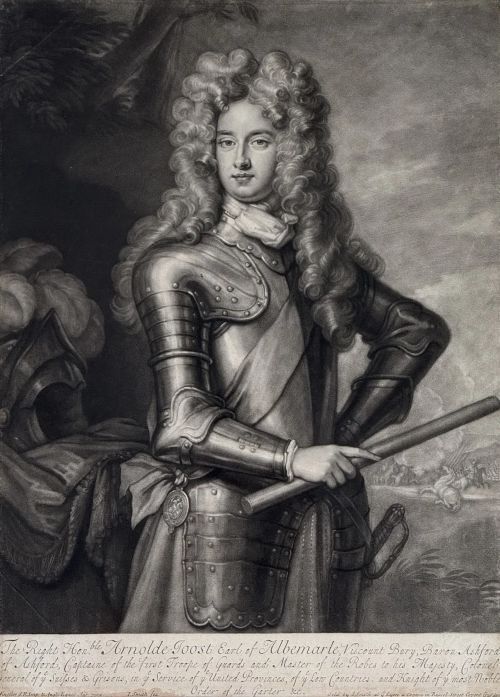
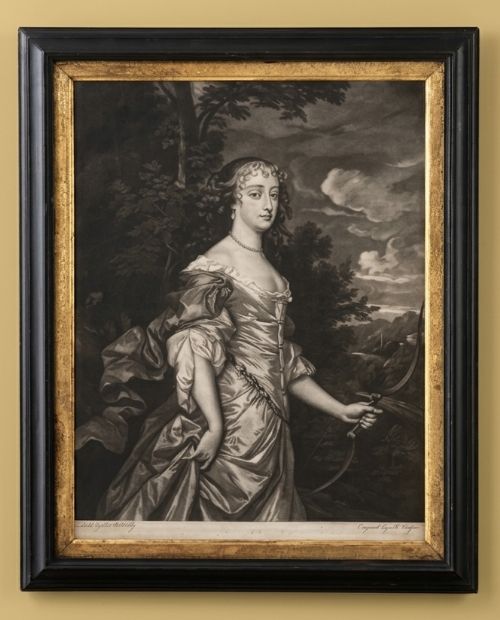
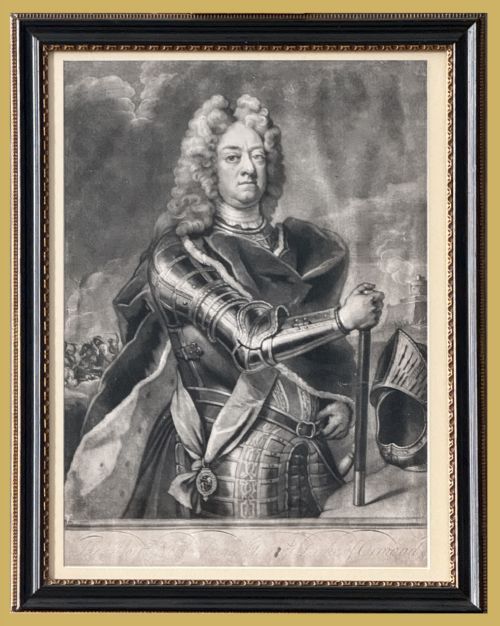
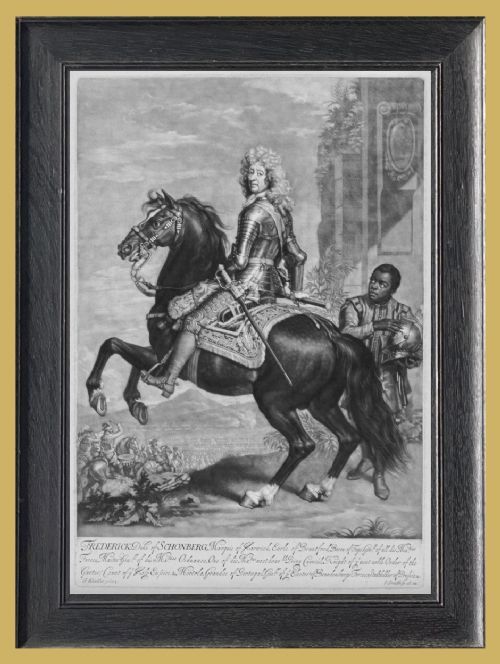
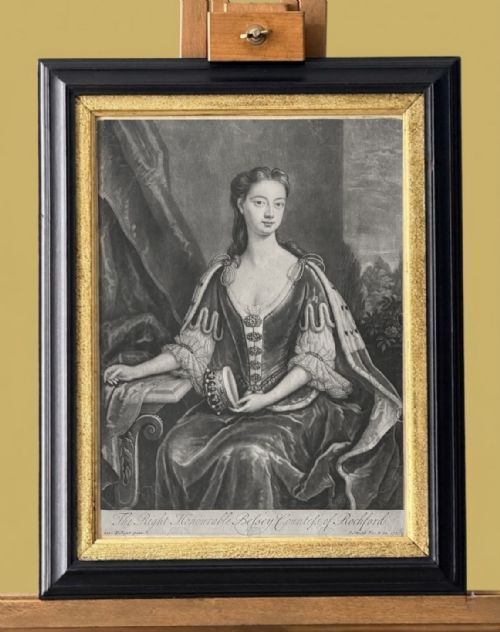
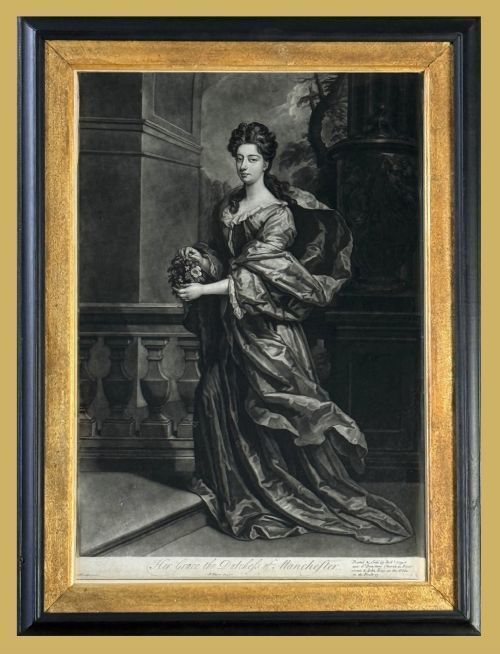
When you search for baroque engraved portraits, you encounter framed prints and wall art that depict notable historical figures from the seventeenth and eighteenth centuries. These works present subjects such as dukes, earls, and baronets rendered through meticulous printmaking techniques.
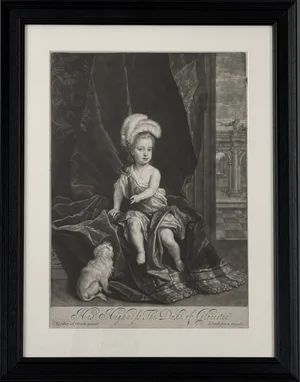
The most common items on this page are eighteenth-century and seventeenth-century mezzotint portraits framed in wood and glass, often highlighted with gold leaf. These pieces originate from the baroque and Georgian styles, reflecting the formal portraiture conventions of their respective eras.
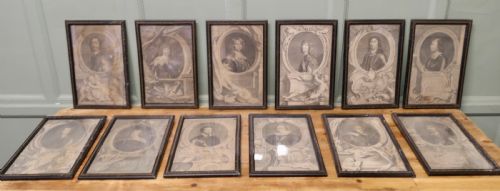
Collectors find prints executed by renowned printmakers after paintings by prominent artists of the period. The groupings range from individual framed artworks to sets of multiple engravings and collections of prints.
Materials and production
The production of these works relies on paper as the primary support for ink applications. Printmakers utilise copper plates or similar matrices to transfer detailed lines and tones onto the sheet.
Framing materials include wood and glass, occasionally accented with gold leaf to enclose and protect the paper artwork. These traditional mountings ensure the preservation of the delicate ink surfaces over centuries.
Several noble sitters gaze out with stern seventeenth-century expressions, seemingly unimpressed by modern interior design choices.
Distinctions in quality
Quality also depends on the preservation of the original framing, where wood and glass integrity protects the artwork from environmental degradation. Sets that remain complete with their original presentation elements command greater interest from discerning collectors.
John Simon·John Smith·John Faber Jr·Jacobus Howbraken
The Baroque Engraved Portraits Glossary
- Mezzotint
- A printmaking process of the intaglio family where the plate is roughened to achieve rich tonal gradations rather than relying solely on line work. This technique allows for subtle shifts in light and shadow across the portrait.
- Baroque
- An artistic style prevalent in the seventeenth and eighteenth centuries characterised by ornate detail and dramatic presence. In portraiture, this translates to grand poses and theatrical use of shadow.
- Engraving
- A method of cutting design into a hard surface, traditionally metal, to hold ink for printing. The resulting lines are crisp and permanent.
- Gold leaf
- Gold beaten into extremely thin sheets used for gilding frames and decorative elements. It provides a reflective border that enhances the artwork.
Baroque Engraved Portraits: Frequently Asked Questions
How do I hang these prints safely?
Hang these framed artworks away from direct sunlight to prevent the ink and paper from fading over time. Ensure the wall fixings match the weight of the wood and glass frame.
Maintain a stable room temperature to protect the paper from humidity fluctuations that can cause warping or foxing.
What periods do these portraits represent?
The pieces span primarily the seventeenth and eighteenth centuries, aligning with the baroque and Georgian aesthetic periods. A small number of later productions also appear in the listings.
These dates correspond to the active periods of the sitters and the original printmakers who captured their likenesses.
How are these artworks framed?
The listings feature pieces encased in wood frames behind protective glass, occasionally incorporating gold leaf details. This traditional framing protects the delicate paper from dust and physical damage.
Many frames reflect the period styles of the artwork they enclose, completing the historical presentation.
Who are the artists depicted?
The portraits portray prominent historical figures including dukes, earls, countesses, and baronets. Names such as Ormonde, Napier, and Gloucester frequently appear in the titles.
These individuals shaped political and social spheres during the seventeenth and eighteenth centuries in Britain and Europe.