
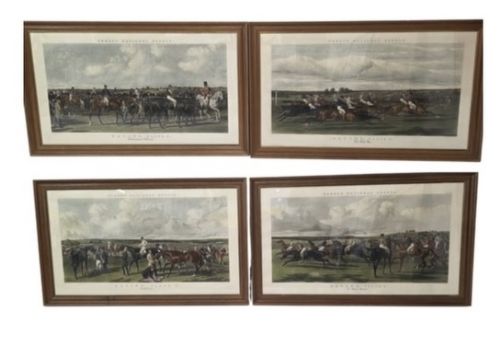


Framed Paper Sporting Print
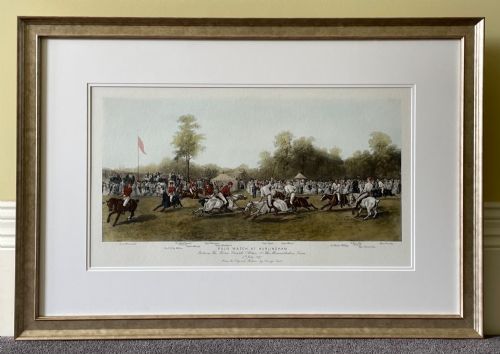
These framed paper sporting print selections capture the energy of historical pastimes, making them enduring wall art for studies and hallways.
Framed Paper Sporting Print
When you search for a framed paper sporting print, you encounter wall art depicting pursuits from horse racing and polo to shooting, golf, and angling. The pieces on this page span several centuries, with a strong representation of nineteenth century examples alongside Georgian, Victorian, Edwardian, and mid-twentieth century works.
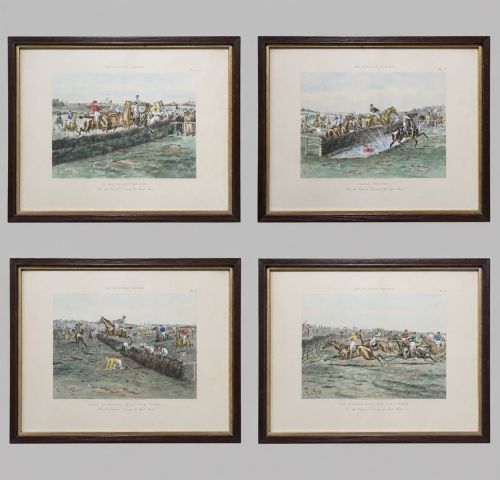
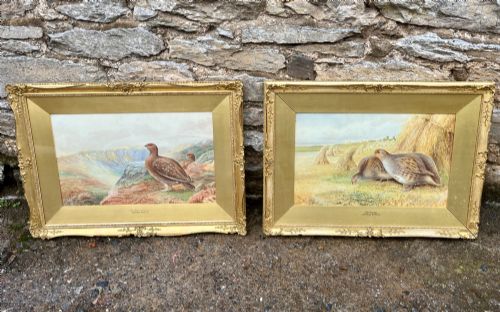
The physical form is primarily works on paper housed behind glass within wooden frames, sometimes featuring gilt wood or giltwood mouldings. These items range from individual sheets to matched sets of four, recording canine subjects, human athletics, and equestrian events.
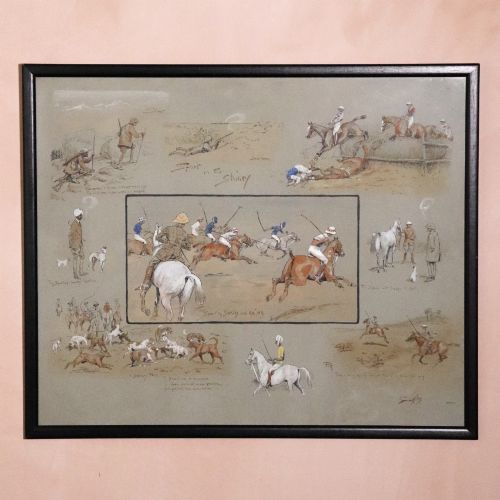
Subjects include specific named racehorses, hunting scenes, and humorous or competitive matches executed in various printmaking traditions. They function as historical documents of sport as well as decorative focal points for traditional interiors.
How they were made
The images rely on paper as the primary support, marked by ink, watercolour, and hand colouring applied to engravings, etchings, lithographs, aquatints, and stipple engravings. Many plates benefited from manual pigment additions to heighten the details of uniforms, animals, and landscapes.
Framing typically involves wood and glass to protect the delicate paper surface from atmospheric moisture and handling. Gilding appears frequently on the frames, utilising giltwood or plain gilt finishes to complement the traditional aesthetic of the artwork.
Listings feature paper, glass, wood, ink, watercolour, and giltwood across nineteenth-century and twentieth-century British and American periods.
What varies in quality
Quality rests significantly on the clarity of the printed line and the crispness of the impression, particularly in multi-plate aquatints and early copperplate engravings. Impressions taken early in a print run retain sharp details in the faces, horses, and background foliage, whereas worn plates yield softer, muddier results.
The preservation of the paper and the application of original hand colouring create distinct tiers of desirability. Clean sheets with minimal foxing or fading, paired with well-preserved contemporary framing materials, elevate the visual impact of the work.
George Finch Mason·George Rankin·Snaffles·Anne Goldthwaite·Herbert Dicksee·Alken·James Dobie·W Dendy Sadler·William Bunbury·Sam. Howitt·J F Herring
The Framed Paper Sporting Print Glossary
- Aquatint
- A printmaking technique that produces tonal areas resembling watercolour washes through the use of acid-resistant resin on a copper plate. It allows for subtle gradients of tone behind the inked lines.
- Lithograph
- A planographic printing method based on the antipathy of oil and water, executed on limestone or a metal plate. Chromolithographs use multiple stones to achieve full colour.
- Etching
- A process where lines are bitten into a metal plate with acid before being inked and pressed onto paper. The resulting lines possess a characteristic freedom and depth.
- Foxing
- Brown spots and discolouration caused by chemical reactions in ageing paper exposed to humidity. It is a common occurrence in antique works on paper.
Framed Paper Sporting Print: Frequently Asked Questions
What subjects do these prints show?
The subjects cover a wide range of athletic and field pursuits, including horse racing, polo matches, fox hunting, shooting, golf, and boxing. Animal portraits and canine subjects also appear frequently.
Many depict specific named horses, notable matches, or humorous sporting anecdotes from historical periods.
How should I hang these framed works?
These pieces suit traditional spaces such as studies, libraries, hallways, and living rooms where historical themes complement the interior architecture. Grouping matched sets of four creates a balanced display on larger wall expanses.
Protecting the paper from direct sunlight prevents the fading of inks and hand-applied watercolours over time.
How can I tell the period of a print?
Dating relies on the printing technique, the paper characteristics, and the style of the framing materials used. Eighteenth-century and Georgian pieces often feature distinct engraving styles and hand-laid paper stocks.
Nineteenth-century examples frequently incorporate lithography or aquatint methods, while signatures and publisher details inscribed on the margin offer further chronological clues.
Are these works original prints?
The selection includes original antique prints, etchings, lithographs, and watercolours produced during the periods indicated in the titles. Many are period impressions pulled from the original plates or stones.
Hand colouring and signatures by artists such as Snaffles or Herbert Dicksee further distinguish these authentic historical artefacts from modern reproductions.