
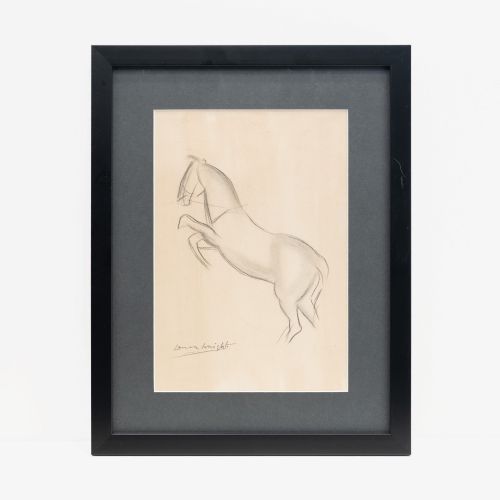
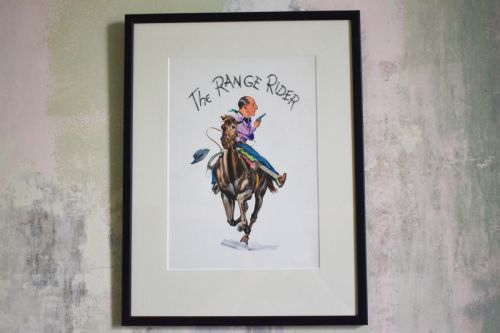


Framed Paper Horse Print
A framed paper horse print brings the energy of the turf and the hunting field straight onto the wall.
Framed Paper Horse Print
A framed paper horse print encompasses works on paper depicting equines, ranging from sporting scenes to studies of individual animals. These pieces emerge primarily from the nineteenth and early twentieth centuries, capturing the enduring fascination with horses through various artistic lenses.
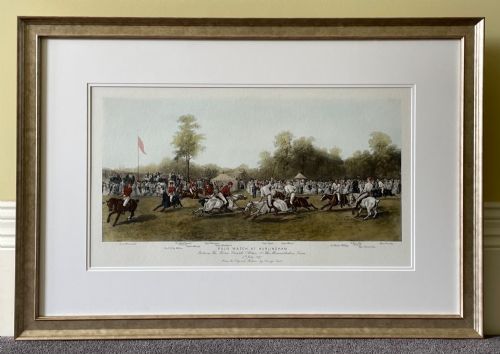
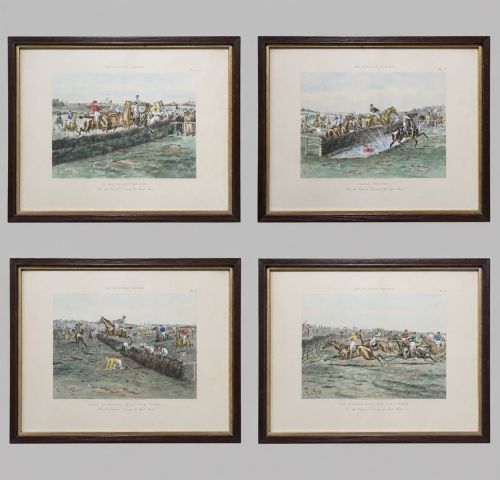
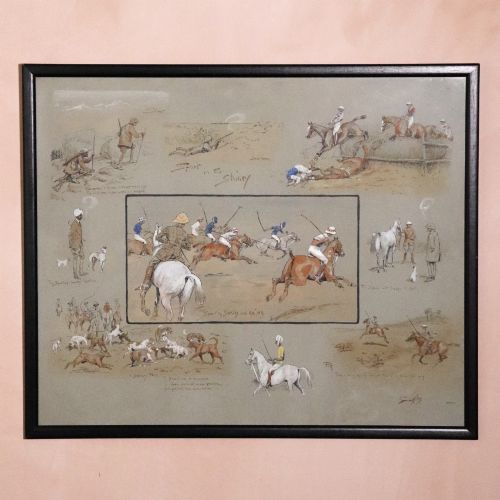
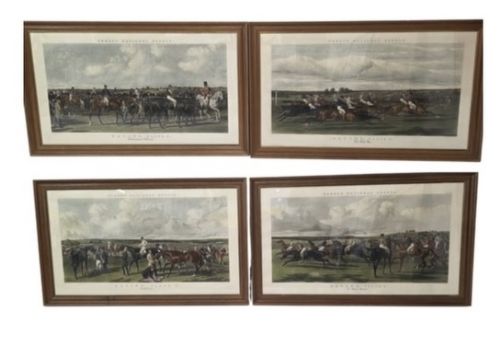
Buyers encounter subjects such as polo matches, racing scenes, and fox hunting across these selections. The format spans single plates to sets of four, housed behind glass in wooden frames.
The aesthetic reaches from Victorian sporting art to twentieth century modern British output. Pieces often bear the hallmarks of traditional printmaking techniques combined with period framing.
Assessing quality and execution
The strength of the draughtsmanship and the clarity of the print impression define the upper tier of these works. Finer examples display meticulous detail in the musculature of the horses and the expressions of the riders.
The quality of the medium matters greatly, whether it is the crispness of an early engraving or the careful application of watercolour pigment. Preservation of the paper and the integrity of the original framing elements further distinguish the finer pieces.
The listings show works spanning the Georgian era through to the mid-twentieth century, executed in watercolour, engraving, and lithography.
George Finch Mason·Snaffles·Dame Laura Knight·Anne Goldthwaite·Thomas Worth·J F Herring
The Framed Paper Horse Print Glossary
- Lithograph
- A print made by drawing on limestone or a metal plate with a greasy medium so that ink adheres only to the drawn areas. This method allowed for smooth tonal gradations and faithful reproductions of original drawings.
- Aquatint
- A variant of etching that achieves tone and shadow through acid biting of porous resin grounds. It creates soft areas of grey that resemble watercolour washes.
- Engraving
- A technique where an artist cuts lines directly into a metal plate with a sharp tool called a burin. The resulting lines hold ink for transfer under high pressure.
- Chromolithograph
- A colour lithographic print produced using multiple stones, one for each colour applied. This nineteenth century method delivered vibrant hues without requiring manual hand colouring.
- Etching
- A process where lines are bitten into a metal plate by acid rather than incised directly with a tool. The plate is then inked and printed onto paper.
Framed Paper Horse Print: Frequently Asked Questions
How should I hang a framed paper horse print?
Keep these works out of direct sunlight to protect the fragile paper and pigments from fading over time. Maintaining a stable indoor environment prevents moisture damage to the paper and the wooden frame.
Group sets together at eye level to recreate the traditional display style of Victorian sporting rooms. Ensure the hanging hardware securely supports the weight of the wood and glass.
Are these prints original works of art?
Many examples are original prints produced directly from engraved or lithographic plates during the nineteenth and early twentieth centuries. Artists like Snaffles and Thomas Worth produced distinct editions that collectors seek out.
Some pieces incorporate hand colouring or exist as unique watercolours on paper. Checking the medium in the listing helps clarify the production method.
How do I identify the period of a print?
Look to the printing technique, paper type, and framing style for clues regarding age. Chromolithographs and hand-coloured engravings frequently point to the nineteenth century, while later styles emerge in the twentieth.
Signatures, publisher details, and dates written on the margin also provide reliable chronological markers. Comparing the subject matter to known sporting events of the era helps narrow down the decade.
What subjects are most common?
Sporting scenes dominate the selection, including horse racing, polo matches, and fox hunting packs in full cry. Individual portraits of famous racehorses and military subjects also appear regularly.
These themes reflect the Victorian and Edwardian obsession with equestrian pursuits. Artists captured both the action of the turf and the quieter moments of the stable.