


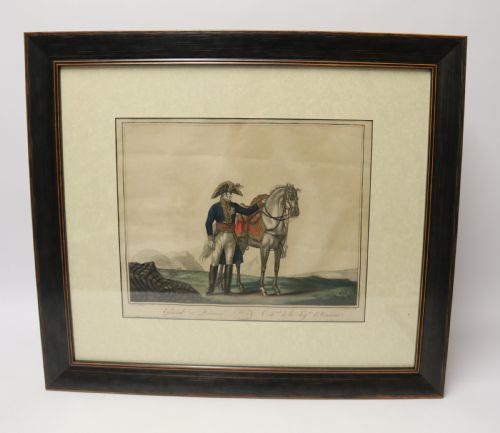


Framed Horse Portrait Print
A framed horse portrait print captures the character and muscle of notable equines through fine graphic work preserved behind glass in period timber.
Framed Horse Portrait Print
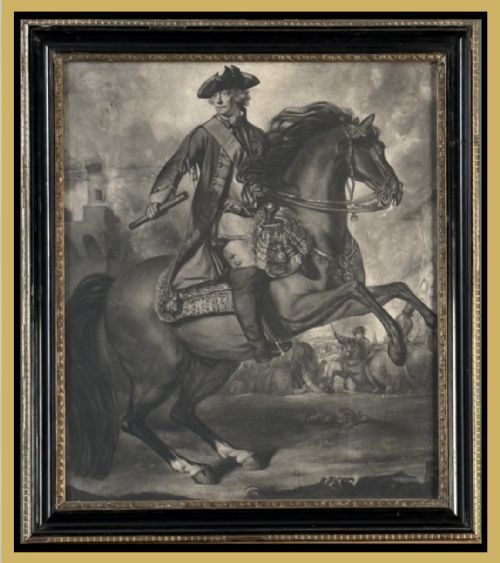
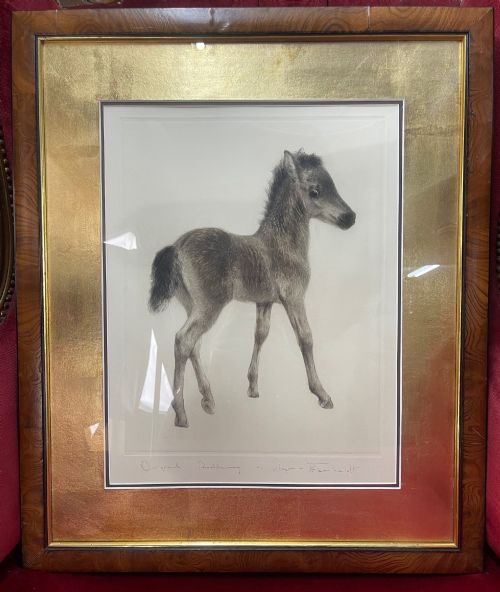
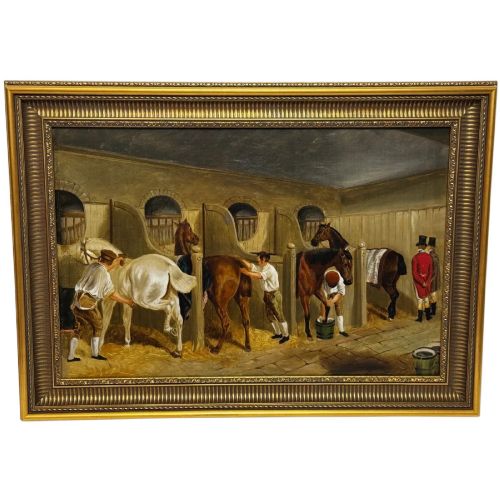
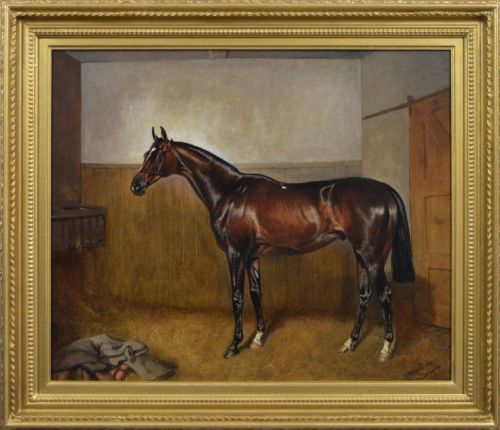
A framed horse portrait print represents equine subjects through techniques spanning traditional engravings, delicate drypoints, and photographic series. Collectors searching for a framed horse portrait print encounter historical works documenting celebrated racehorses, military mounts, and notable showjumpers from the eighteenth century onwards.
The assortment relies on period framing using wood, glass, and gilt to protect the underlying paper or canvas. These framed examples range from individual depictions of famous winners with their jockeys to curated sets of photographic plates.
Materials and construction
Makers utilised high-quality paper sheets for prints and engravings, applying ink through etching, drypoint, and photographic reproduction methods. Hand colouring occasionally enlivened the monochrome printed lines with subtle tints.
Surviving pieces utilise timber frames, frequently incorporating gilt or gold leaf finishes and protective glass panes to shield the delicate paper artwork from airborne dust and moisture.
Several prints preserve the stern likenesses of nineteenth-century racehorses who likely consumed more oats than the average household.
Defining quality
Quality rests upon the precision of the initial engraving or print strike and the clarity of the paper surface. Sharper lines in drypoint and detailed ink rendering separate accomplished workshop output from standard reproductions.
The integrity of the original wood framing, the presence of period glass, and the preservation of the paper without excessive toning dictate the desirability of the piece.
The Framed Horse Portrait Print Glossary
- Drypoint
- A printmaking technique where an image is scratched directly onto a metal plate with a sharp needle. This process creates a characteristic rich, velvety burr along the lines when inked.
- Engraving
- A method of cutting a design into a hard surface, traditionally metal, using a sharp grauer. The resulting grooves hold the ink for transfer under pressure.
- Mezzotint
- A tonal printmaking process where the copper plate is roughened uniformly to achieve deep darks, then scraped back to produce lighter areas. It yields subtle gradations of tone.
- Gilt
- A thin layer of gold leaf or gold paint applied to the surface of wood or plaster frames. This finish adds brightness and protects the underlying material.
- Eglomise
- A process of applying cold gilding and painting to the rear face of glass. The resulting decorative panel reveals the image through the clear front.
Framed Horse Portrait Print: Frequently Asked Questions
How do I care for antique paper prints?
Keep framed pieces away from direct sunlight to prevent the ink and paper from fading over time. Maintain a stable room temperature to avoid humidity changes that might affect the paper or timber frame.
Dust the glass gently with a dry microfiber cloth and avoid using liquid cleaners near the wooden edge where moisture could seep inside.
What periods do these horse prints cover?
The available selection spans from the eighteenth century through the Victorian era and into the mid-twentieth century. Each period brings distinct printing technologies, from hand-coloured copperplate engravings to early photographic processes.
Twentieth-century examples often feature famous racehorses and sporting personalities captured through advanced drypoint and photographic techniques.
Are the frames original to the pieces?
Many works retain their period wooden frames, often featuring gilt or gold leaf detailing suited to the era of production. Original framing provides important context regarding how the artwork was displayed historically.
Examine the backboards and fixings to understand the age and mounting history of the frame relative to the print inside.
How are individual horses identified in the prints?
Inscriptions, titles written along the margin, and associated documentation often record the name of the horse, jockey, or trainer. Historical racing records help confirm the identity of celebrated animals like General Peace or Neil Gow.
Stud and stable portraits frequently highlight specific bloodlines and winning achievements directly on the mount or within the plate mark.