


Vintage Horse Racing Artwork
Vintage horse racing artwork captures the speed and tension of the turf through period oils, watercolours and prints.
Vintage Horse Racing Artwork
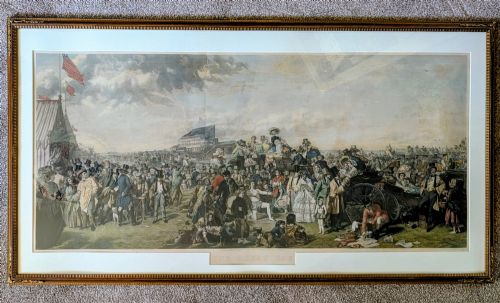
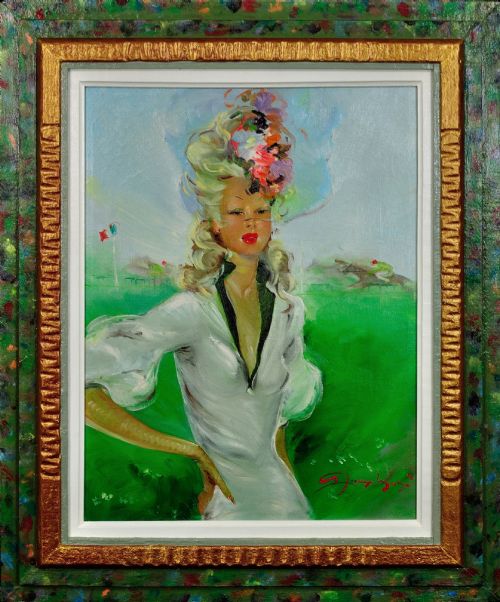
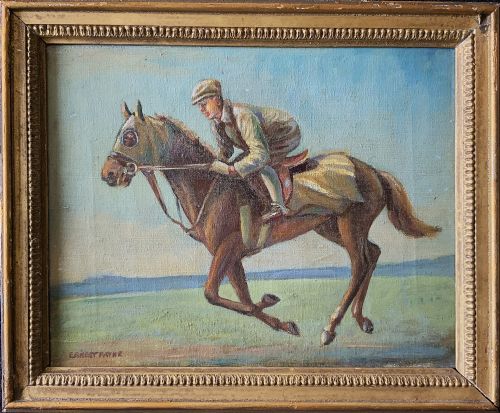
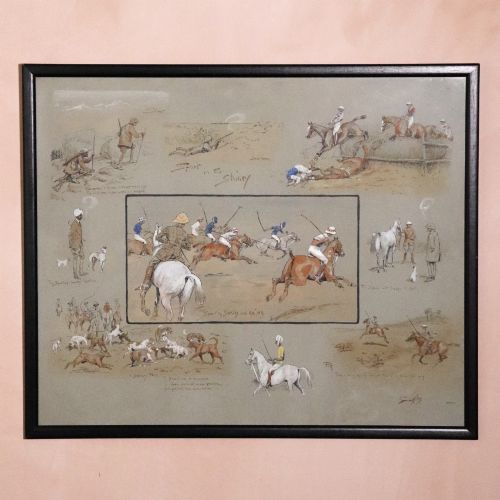
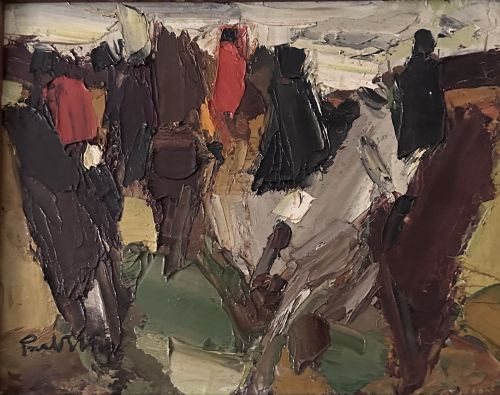
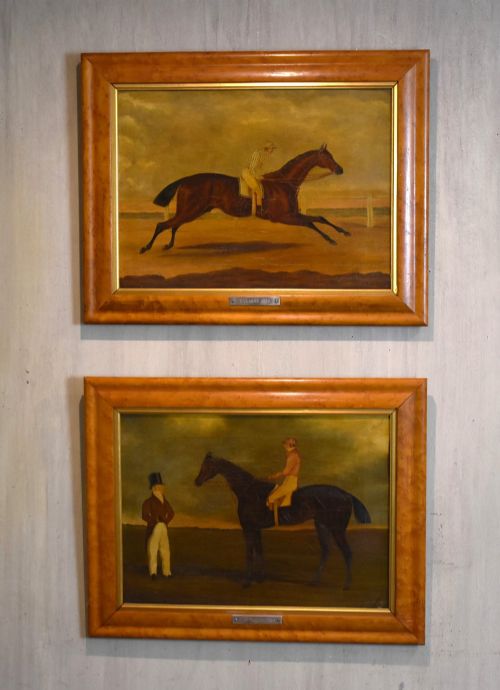
Vintage horse racing artwork encompasses framed paintings, pastels, gouache works and historic prints dedicated to the turf. Buyers seeking this subject matter encounter everything from large nineteenth-century oil portraits of named winners to mid-century French expressionist track scenes.
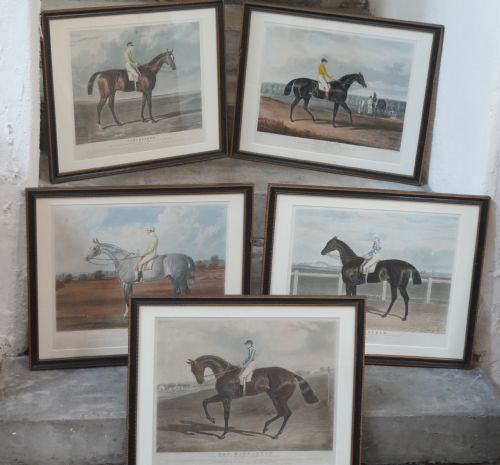
The selections available lean heavily toward British sporting art traditions, alongside Victorian equestrian studies and early twentieth-century racing prints. Framed prints and original oil paintings dominate the works found on this page, reflecting past meetings, notable jockeys and historic racecourses.
How they were made
Artists record the subject utilising oil paint on canvas or board, watercolour and gouache on paper, and pastel on coloured paper. Engravings, chromolithographs and painted prints form the printed portion of the record, often framed behind glass with wood or gilt surrounds.
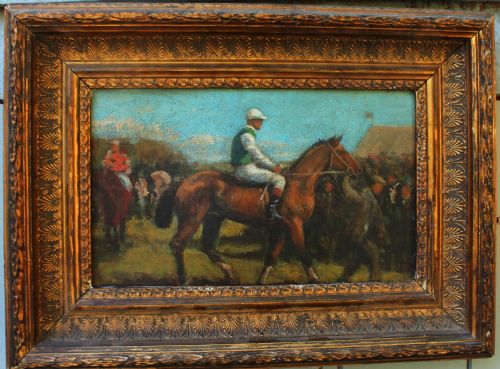
Techniques range from detailed nineteenth-century academic portraiture of racehorses to looser mid-century impressionist and expressionist brushwork that prioritises movement and atmosphere at the track.
Materials span oil on canvas, gouache on paper, pastel, wood, glass, gilt, and nineteenth-century chromolithographs.
What varies in quality
Quality rests upon the artist's command of equine anatomy, movement and the distinct tension of the paddock or finish line. Stronger works capture the precise muscle structure of the horse and the posture of the jockey rather than relying on generic formulas.
The distinction between standard decorative prints and works by recognised sporting artists lies in the immediacy of the observation and the sureness of the line or brush. Original oils and pastels hold greater presence than mass-produced chromolithographs, though exceptional colour printing retains its own historical merit.
William Powell Frith·Jean-Gabriel Domergue·Ernest Payne·John Frederick Herring Snr·Alfred Munnings·John Rattenbury Skeaping·Gabriel Dauchot·Alfred Wheeler·Charles Clifford Turner·John Atkinson·Isaac Cullin·Charles Johnson Payne Snaffles·Thomas Worth·Frank Giggs
The Vintage Horse Racing Artwork Glossary
- Chromolithography
- A planographic printing process used for multicolour reproduction, common in nineteenth-century periodical plates and vanity fair prints. It builds up rich colour through successive lithographic stones.
- Equestrian
- Pertaining to horse riding, horse management and horse racing. In art, it describes depictions centred on horses and their handlers.
- Gouache
- An opaque water-based medium that dries to a matte finish. Artists utilise it to build solid blocks of colour and crisp highlights in works on paper.
- Sporting Art
- A genre dedicated to bloodsports, horse racing, hunting and shooting. It developed distinct pictorial traditions in Britain during the eighteenth and nineteenth centuries.
Vintage Horse Racing Artwork: Frequently Asked Questions
What periods do these racing artworks cover?
The works span from the eighteenth century through the Victorian era into the mid-twentieth century.
Nineteenth-century items often feature detailed oil portraits of famous racehorses, while twentieth-century examples lean towards impressionist studies and works on paper.
How do I identify a print from an original painting?
Original oil paintings and pastels show texture, brushstrokes or crayon grain under close inspection.
Prints and chromolithographs display uniform flat surfaces or dot patterns from the printing process behind glass.
How should I hang vintage horse racing art?
These works suit studies, libraries and halls, often pairing well with traditional wood panelling or neutral walls.
Direct sunlight should be avoided to protect antique paper, watercolours and coloured inks from fading over time.
Who are the notable artists in this field?
The selection includes specialised sporting artists such as Alfred Munnings, John Rattenbury Skeaping and Charles Johnson Payne known as Snaffles.
Other works derive from contemporary illustrators, continental painters and followers of major nineteenth-century masters.