
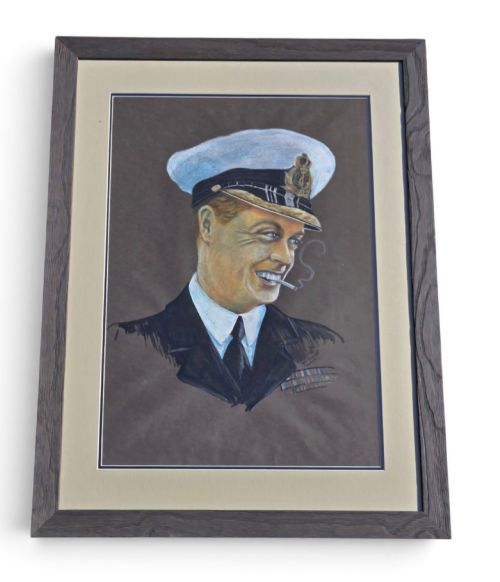
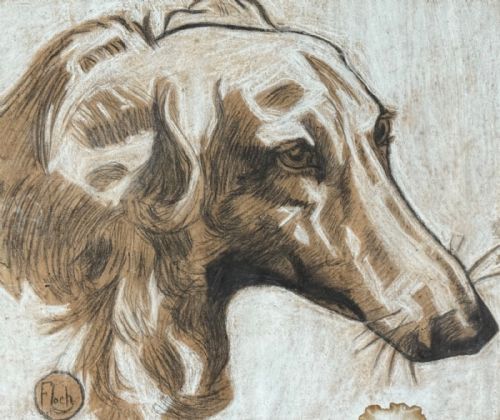
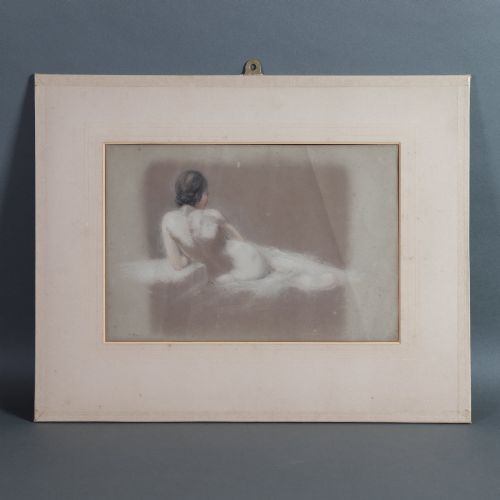
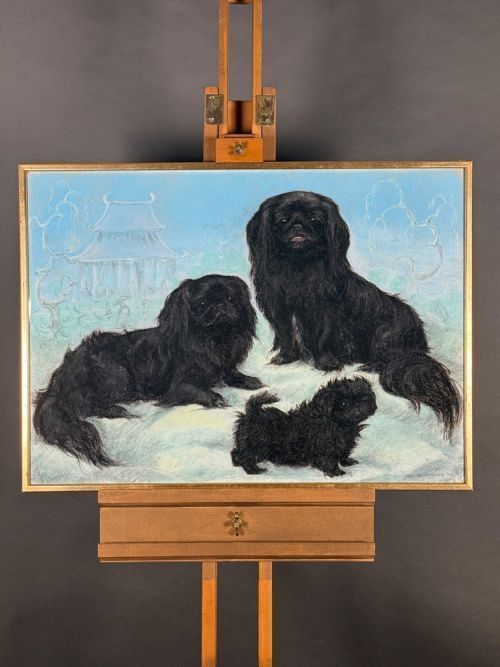
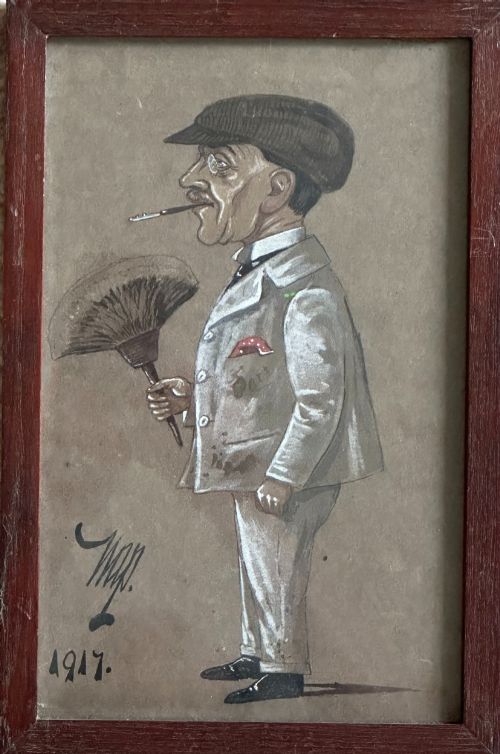
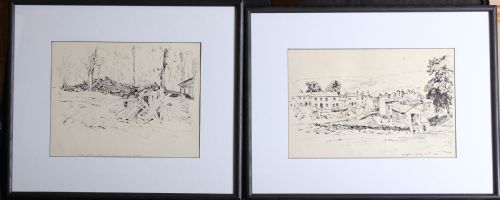
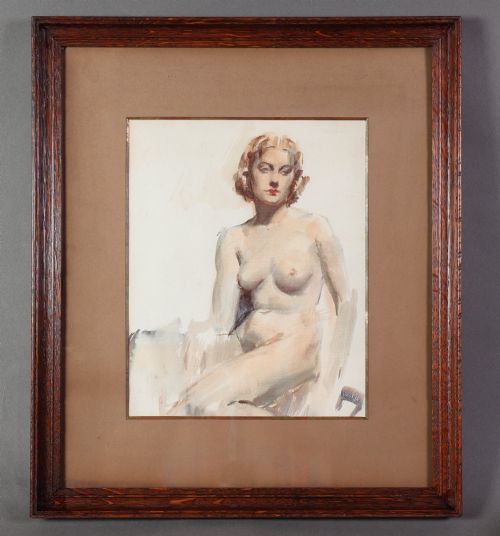
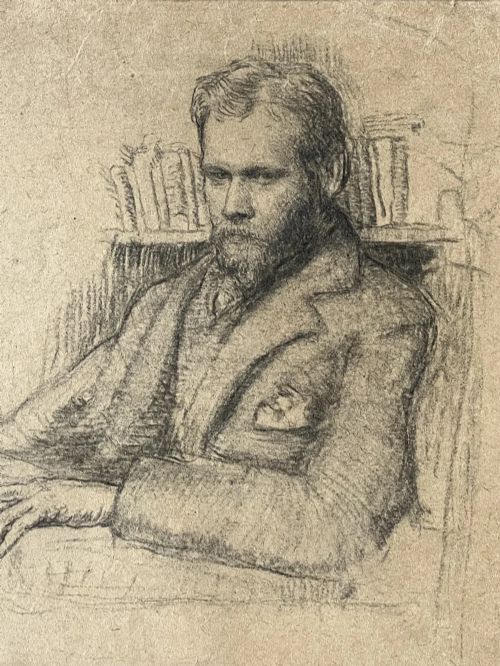
Framed Paper Drawing
Framed paper drawing works bring immediate character to a room, offering intimate glimpses into past eras through direct handwork.
What a framed paper drawing is
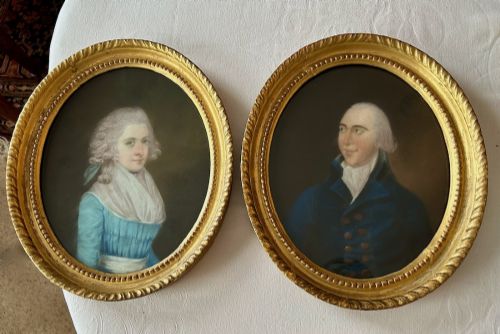
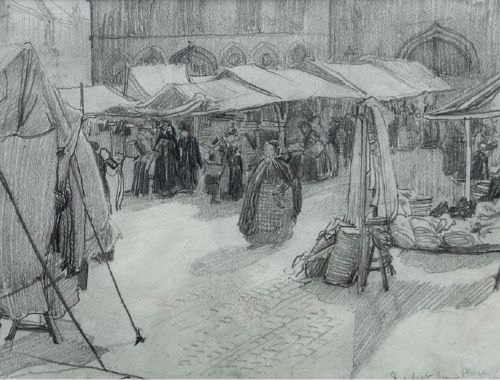
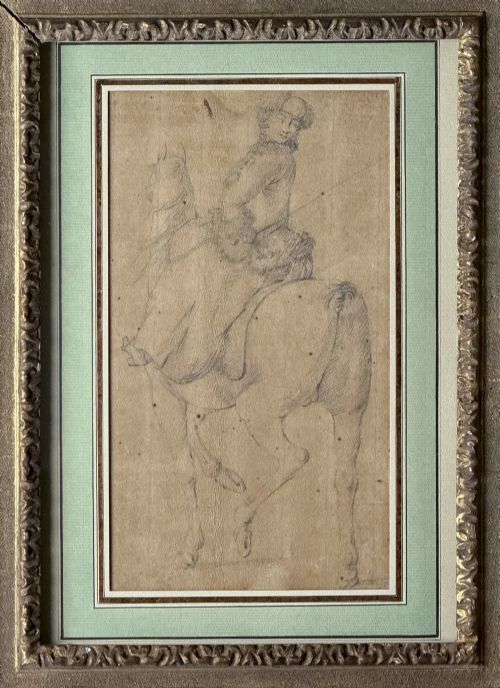
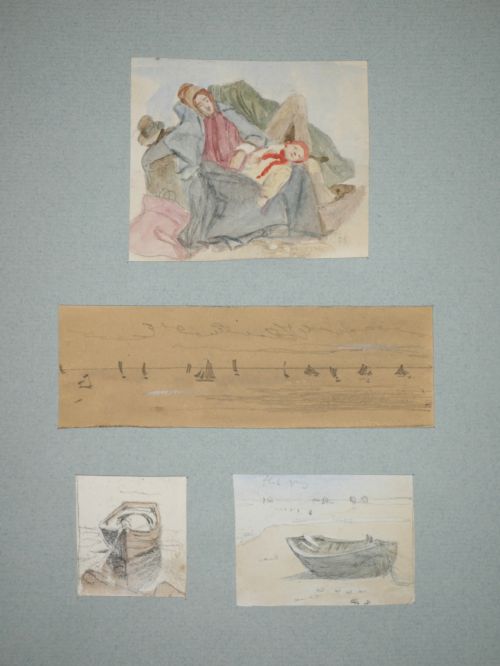
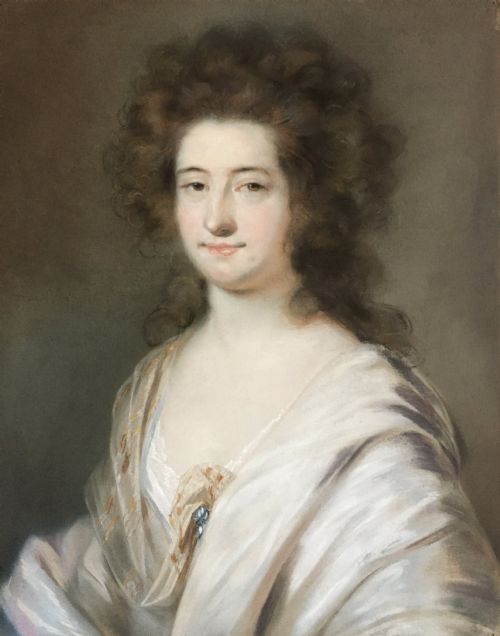
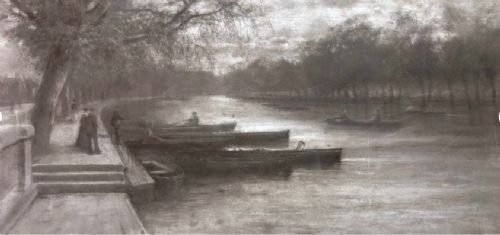
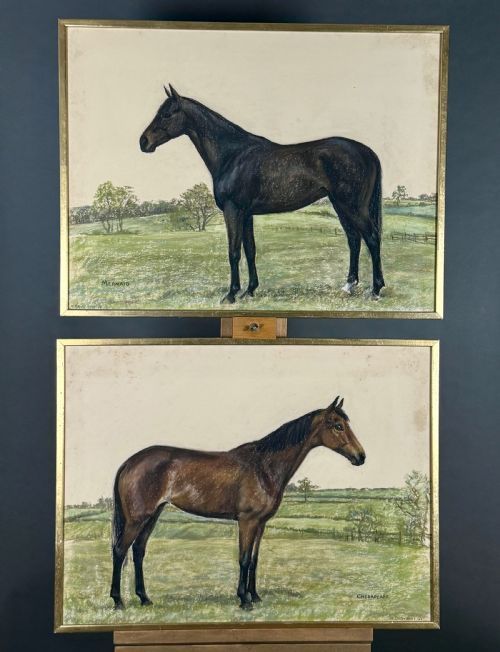
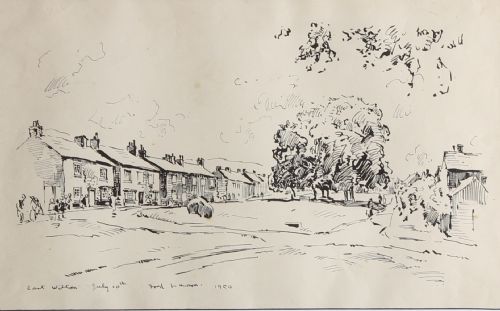
A framed paper drawing captures a direct moment of creation, preserved safely behind glass in a wooden frame. When you search for a framed paper drawing, you encounter works ranging from nineteenth-century narrative scenes to mid-century modern British landscapes and wartime portraits.
The selections available here span several distinct periods, including nineteenth-century colonial-American era pieces, nineteen-forties wartime sketches, and nineteen-fifties and sixties modernism. These works take the form of framed artwork, finished drawings, and portrait sketches.
Landscapes, anatomical studies, and military portraits form the primary subjects of these works. Each piece reflects the specific illustrative or narrative concerns of its period, from wartime documentation to regional British scenery.
Materials and construction
Artists utilise paper as the foundational support for ink, pastel, gouache, and watercolour mediums. These materials permit rapid execution and subtle tonal gradation, capturing the immediate intent of the creator.
Protection and presentation rely upon wood and glass. Wooden frames house the works behind glass sheets, shielding fragile paper and water-soluble or powdery media from atmospheric moisture and physical damage.
Retail Price Guide 2026
Typical UK retail prices for framed paper drawing, calculated from the Sellingantiques database of over a million retail prices indexed since 2003. This retail price guide relies exclusively on Sellingantiques data; no external sources or auction records are used, so the figures do not describe the wider market.
Listings feature works spanning the nineteenth century through the nineteen-sixties, utilising paper, ink, wood, glass, pastel, and gouache.
What separates the grades
Quality rests in the sureness of the hand and the preservation of the medium. Works displaying confident ink lines or precise anatomical and illustrative detail command greater appreciation than hesitant or purely utilitarian sketches.
The preservation of the paper support and the clarity of the underlying pastel or gouache pigments dictate the visual strength of the piece. Intact framing materials also contribute to the overall integrity of the surviving artwork.
The Framed Paper Drawing Glossary
- Gouache
- An opaque watercolour medium containing a binding agent, often used in these works to achieve flat, solid areas of colour. It allows for brighter highlights and denser coverage than traditional transparent watercolour.
- Pastel
- A dry drawing medium composed of powdered pigment and a binder, frequently utilised for rapid portrait sketches. It produces velvety textures that require glass protection to prevent smudging.
- Anatomical
- Pertaining to the structural representation of the human or animal form. These scientific or artistic studies focus on precise physical details.
- Narrative
- Art that tells a story, depicting specific characters, events, or historical scenes. Nineteenth-century examples often rely on this storytelling approach.
Frequently Asked Questions
How should I hang them?
Keep framed paper drawings away from direct sunlight to prevent the fading of ink, pastel, and watercolour pigments. Position them on interior walls where temperature and humidity remain relatively stable.
Ensure the hanging wire or fixings securely support the weight of the wood and glass frame. Proper placement protects the fragile paper support from environmental stress.
What periods are represented?
The works span the nineteenth century, the nineteen-forties, the nineteen-fifties, and the nineteen-sixties. Each era brings distinct stylistic approaches, from nineteenth-century narrative scenes to mid-century modern British compositions.
Materials and subjects shift across these decades, reflecting the artistic priorities of wartime illustrators, colonial-era artists, and twentieth-century modernists.
What mediums were used?
Artists employed paper as the primary support, applying ink, pastel, gouache, and watercolour. These materials allowed for both detailed illustrative work and swift portrait sketching.
Wood and glass complete the construction, serving to frame and protect the delicate drawing media from physical and atmospheric harm.
Are frames original?
Framing materials vary across the centuries and decades represented in the collection. Wooden frames and glass protect each paper drawing, though framing styles reflect the era of either creation or subsequent conservation.
Inspecting the framing helps provide context for how the artwork has been preserved and displayed over time.