




Framed Original Watercolour Artwork
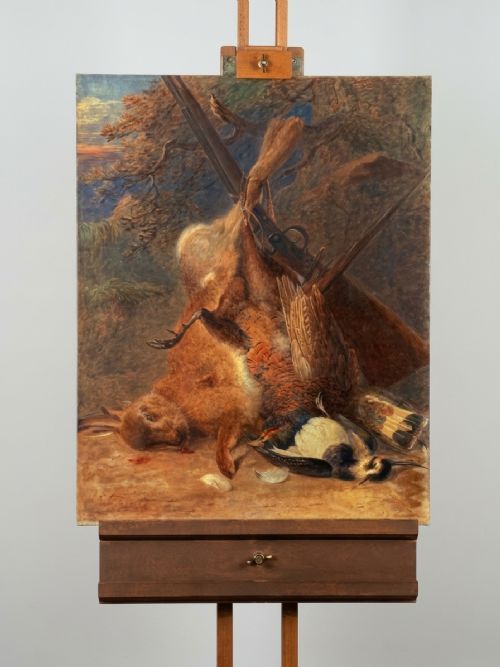
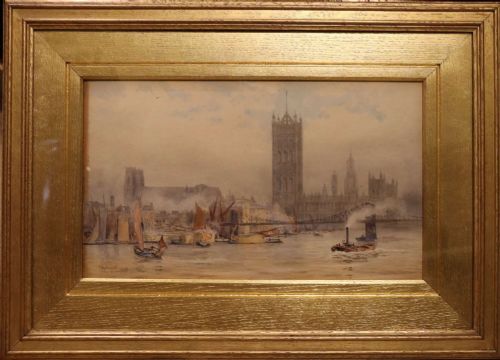
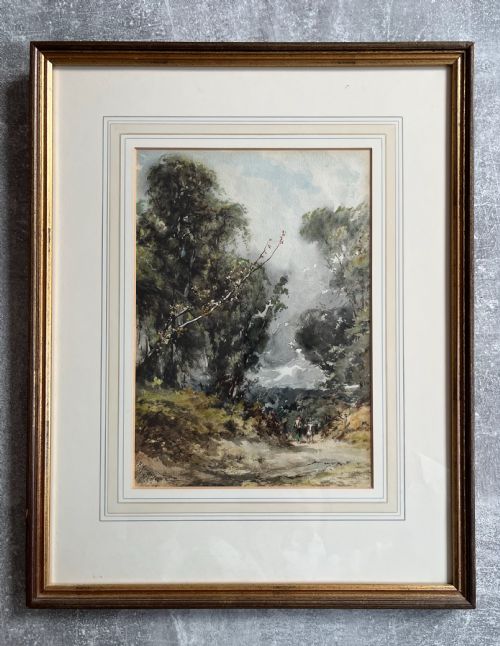
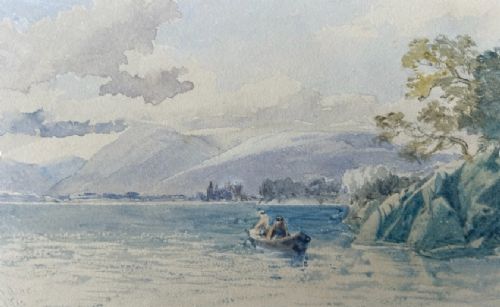
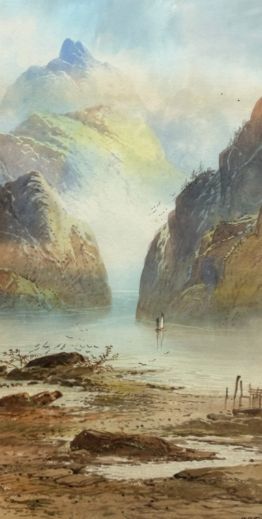
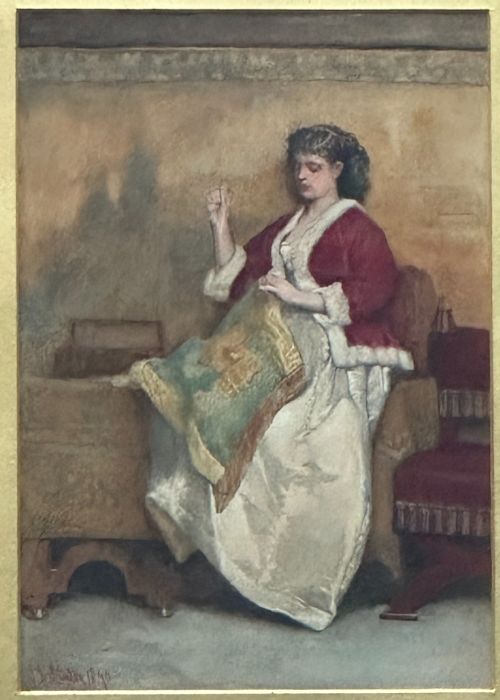
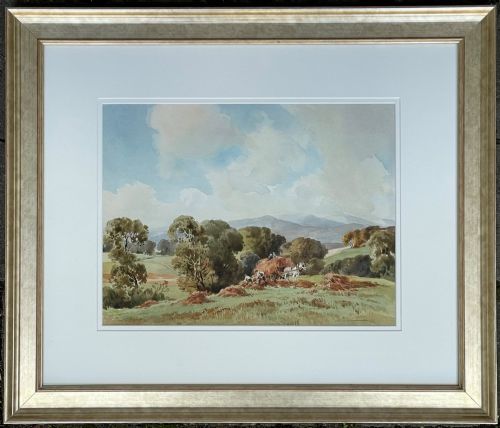
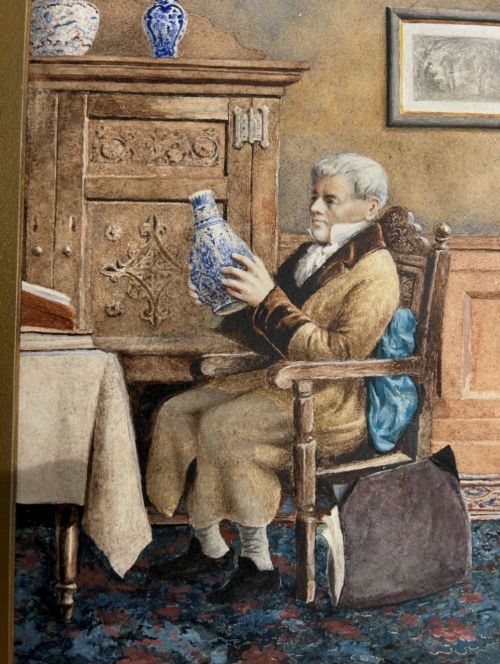
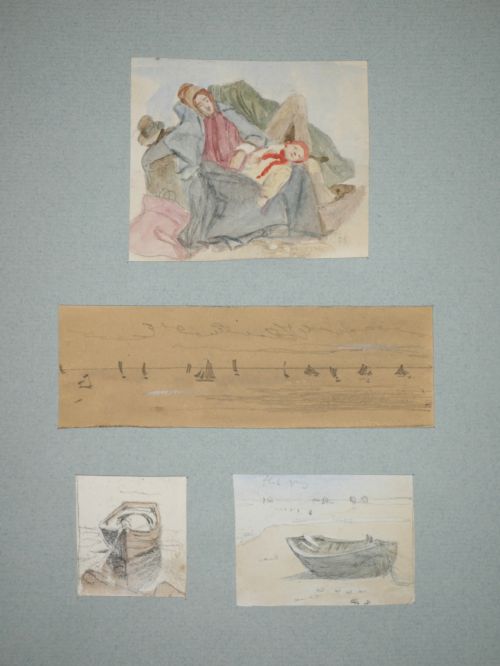
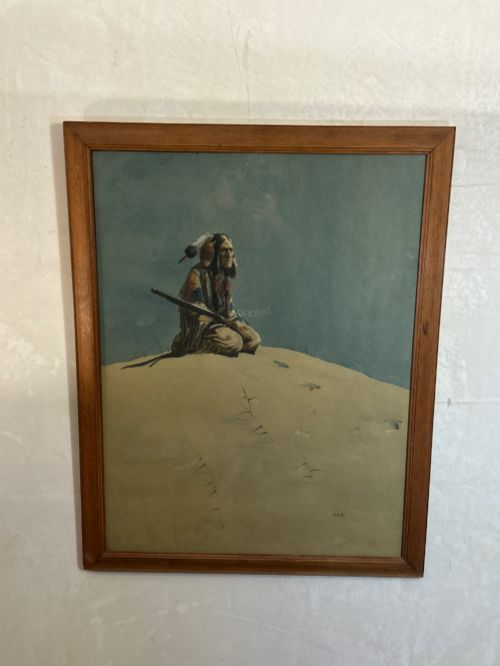
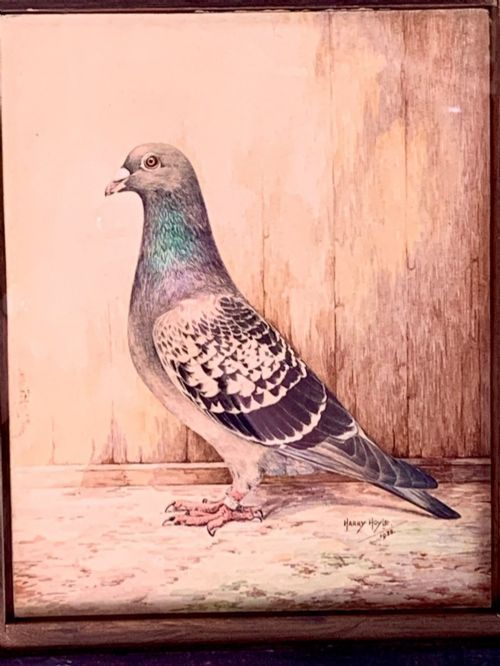
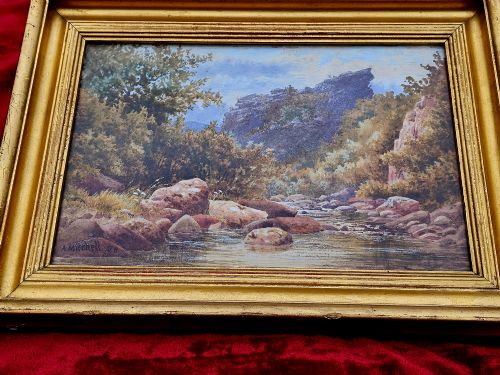
These framed original watercolour artwork pieces bring vibrant pigment and delicate brushwork to the wall, capturing landscapes, marine scenes, and botanical studies across two centuries.
Framed Original Watercolour Artwork
When you search for framed original watercolour artwork, you encounter unique paintings executed by hand on paper or silk surfaces. These works span the nineteenth and twentieth centuries, featuring British landscapes, coastal views, botanical studies, and portraiture.
The most common versions on this page are nineteenth-century and Edwardian watercolours housed behind glass in period wood frames. Landscapes from Scotland, Wales, and northern England appear frequently alongside maritime scenes and townscapes.
Makers range from Royal Academy artists and regional painters to skilled amateurs whose works survive in their original mounts and frames. Each piece offers a direct window into the changing aesthetic preferences of the Victorian, Edwardian, and mid-century periods.
How they were made
Watercolour pigment is mixed with water-soluble binders and applied to paper or silk, sometimes combined with ink or bodycolour for added opacity and detail. The transparency of the washes allows light to reflect from the white paper beneath, creating luminous skies and water.
Protection comes from glass set within wooden frames, which are frequently gilded, rosewood, or simple moulded wood appropriate to the period of creation. Original backboards, framing papers, and handwritten gallery labels often remain intact on the reverse of the pieces.
Listings feature works executed on paper and silk across Victorian, Edwardian, and mid-century periods.
What varies in quality
The strength of the composition and the confidence of the brushwork separate accomplished paintings from hurried sketches. Master watercolourists control pigment dilution and paper absorbency to achieve depth and atmospheric light without muddying the colours.
The preservation of the pigment against fading and the integrity of the original framing elements influence the desirability of the work. Early framing materials that protect the paper from acidic backing boards contribute significantly to the longevity of the piece.
George Fotherly Hargitt·Thomas Miles Richardson Jnr·James Orrock·William Henry Earp·Sir James Dromgole Linton·Thomas Ellison·Percy Lancaster·James Smetham·John Hassall·A. Mitchell·A. Marie Parsons·John McDougal·EJ Letheren·Robert Leslie Howey·Charles Edward Dixon·John E. Aitken·Eric Tufnell·William Banks Fortescue·Robert A. Nottingham·William Joseph Boyes·Henry Silkstone Hopwood·Muriel Metcalfe·Fred Lawson·Robert Thorne Waite·John Smith Atherton
The Framed Original Watercolour Artwork Glossary
- Watercolour
- A painting method where the paints are made of pigments suspended in a water-soluble vehicle. This medium relies on the white of the paper to provide luminosity through transparent washes.
- Gilt Wood
- Wood that has been coated with a thin layer of gold leaf or metallic gilt paint. This finish frequently frames Victorian and Edwardian watercolours to enhance the display.
- Bodycolour
- Watercolour paint mixed with a white pigment to make it opaque rather than transparent. Artists use this technique to highlight details or create solid areas within a translucent wash.
- Works on Paper
- A category encompassing drawings, watercolours, prints, and pastels created on paper supports. These pieces require careful framing behind glass to protect them from environmental moisture and light.
- Wash
- A thin, fluid layer of watercolour pigment spread evenly across the paper to create skies, water, or background gradients. Controlling the water ratio determines the transparency and edge definition.
Framed Original Watercolour Artwork: Frequently Asked Questions
How do I care for a vintage watercolour?
Keep the artwork away from direct sunlight to prevent the pigments from fading over time. Maintaining stable indoor humidity protects the paper and prevents mould growth behind the glass.
Avoid hanging pieces in damp environments such as kitchens or bathrooms. Professional framing using acid-free materials ensures the paper remains stable for decades.
Are these paintings always signed by the artist?
Many watercolours feature signatures, monograms, or dates applied by the artist in pencil or ink. Professional artists typically signed their exhibited works, while studio pieces or sketches sometimes remain unsigned.
Attribution often relies on historical labels, inscriptions on the reverse, or distinctive stylistic traits. Unsigned pieces can still possess high artistic merit based on execution and technique.
What is the difference between an etching and a watercolour?
An etching is a printed multiple created by incising a metal plate with acid and transferring ink to paper. Each impression shares the same engraved lines, though hand-colouring is occasionally added afterward.
A watercolour is a completely unique painting executed directly by hand onto the paper surface. The brush marks and pigment distribution cannot be replicated identically.
How can I tell the period of a framed watercolour?
Framing styles offer strong chronological clues, as Victorian mouldings differ significantly from Edwardian or mid-century designs. Examining the type of paper, backing boards, and handwritten notes on the reverse provides further dating evidence.
Costume, architecture, and subject matter depicted in the scene often reflect the era in which the artist worked. Comparing stylistic signatures against known active dates of makers confirms the timeline.