



Framed Nautical Wall Art
When you search for framed nautical wall art, you are looking at centuries of maritime history captured in oils, watercolours, and textiles.
Framed Nautical Wall Art
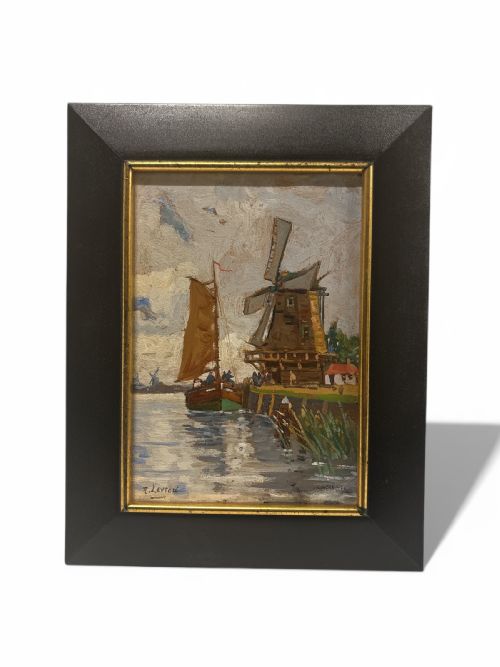
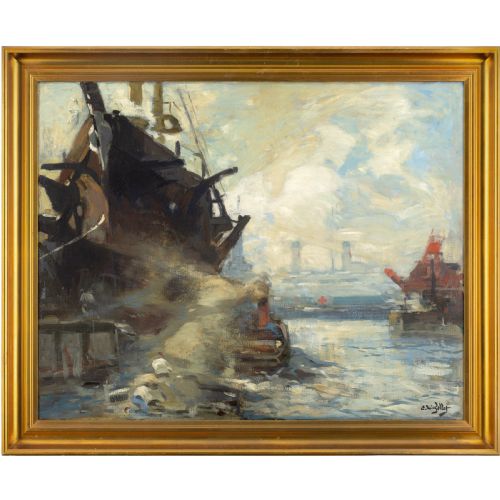
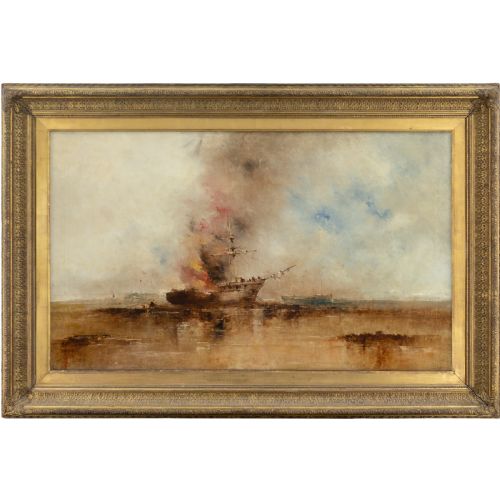
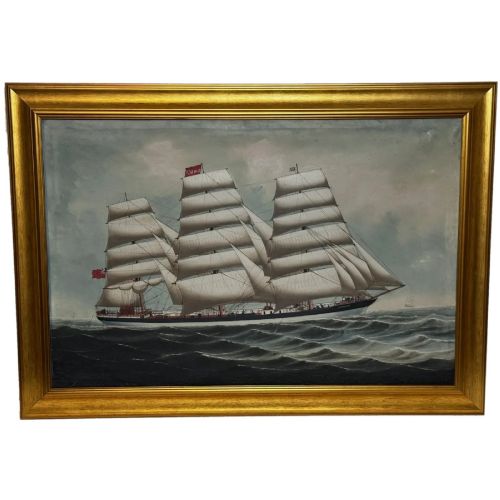
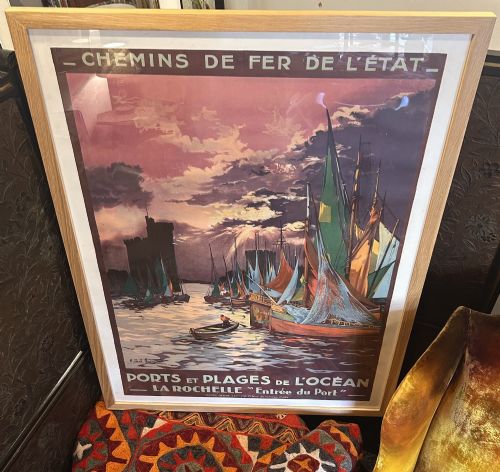
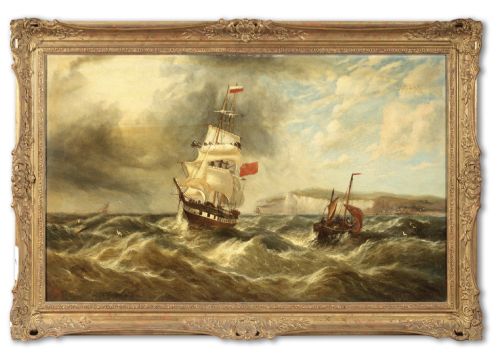
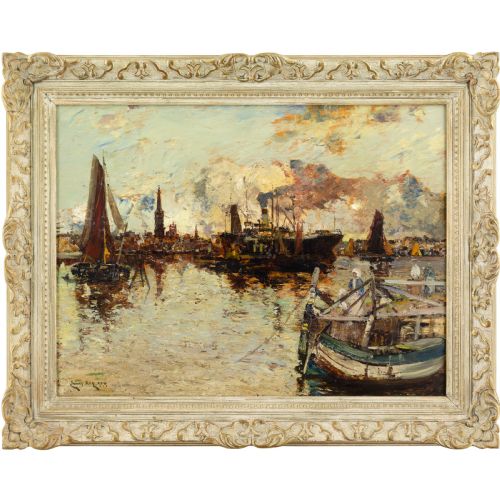
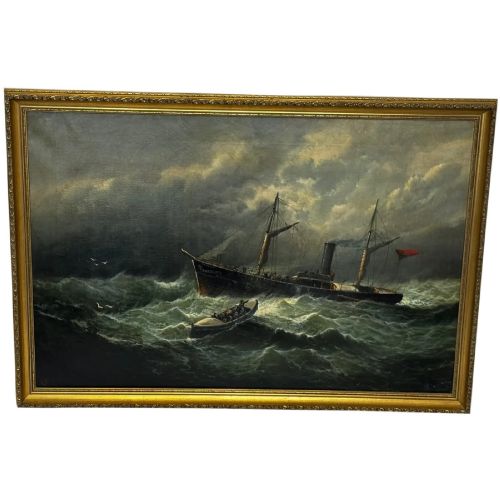
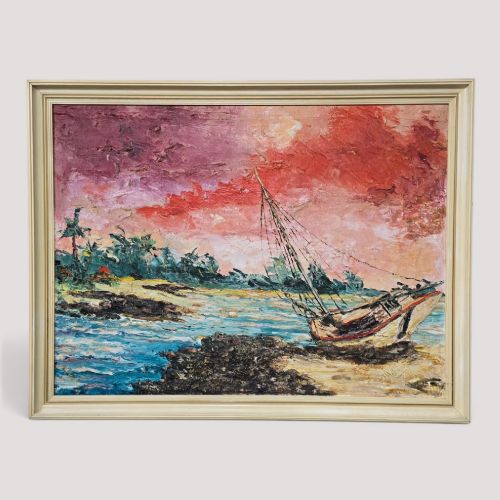
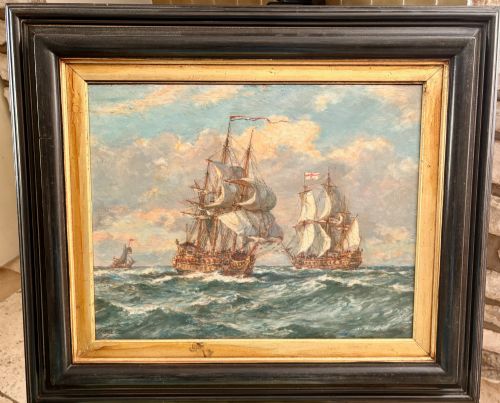
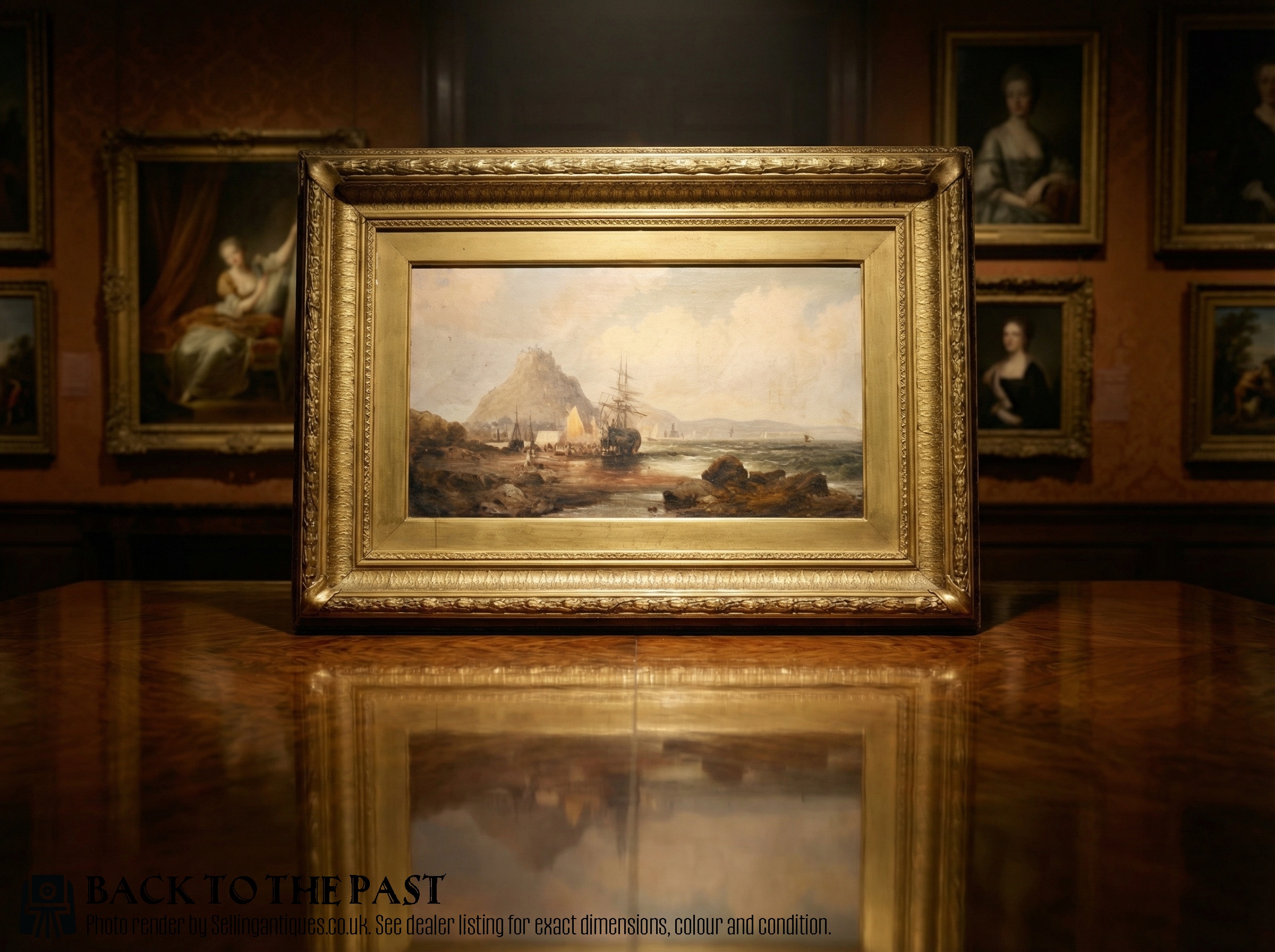
Framed nautical wall art encompasses oil paintings, watercolours, gouache, prints, and textile works depicting marine scenes, vessels, and coastal views. These pieces span from the nineteenth century through the mid-twentieth century, recording naval engagements, merchant shipping, and local fishing fleets.
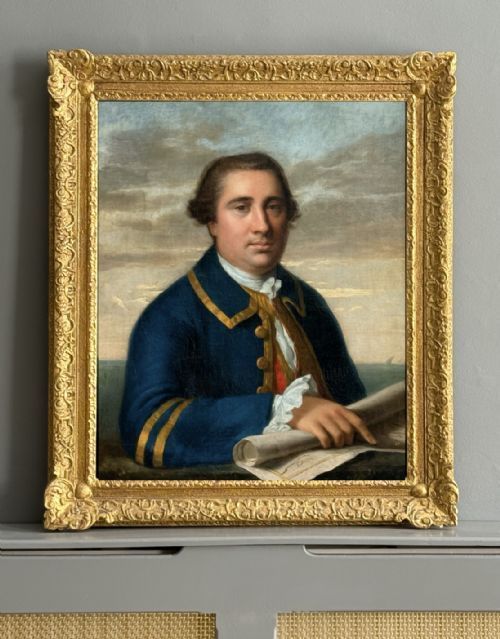
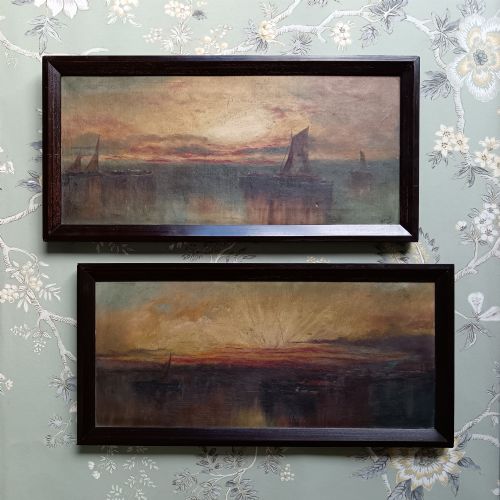
Buyers frequently encounter nineteenth-century canvases, Edwardian marine watercolours, and early twentieth-century depictions of specific ships. These works are typically housed in period wood or gilt frames that complement the maritime subject matter.
Materials and Technique
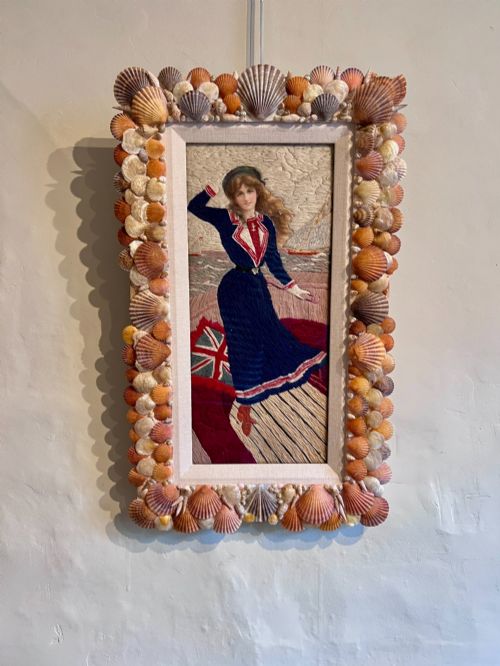
Artists rendering these marine scenes utilised oil paint on canvas or panel, watercolour and gouache on paper, and occasionally detailed woolwork known as woolies. The physical support often dictates the scale and depth of the work, with oils on canvas allowing for heavier impasto on turbulent waves.
Frames play an integral part in the construction of these pieces, frequently constructed from moulded wood finished with gilt layers or dark polish. Protective glass is commonly found over watercolours, gouache works, and textile art to shield delicate pigments and fibres from environmental moisture.
Framed Nautical Wall Art Retail Price Guide 2026
Typical asking prices for framed nautical wall art among the pieces listed under this phrase on Sellingantiques today, from the lower quarter to the upper quarter. They describe what is for sale here now, not the wider market.
Sailors far from home stitched intricate woolies featuring sweethearts alongside three-masted warships, keeping idle hands busy on long ocean voyages.
Evaluating Quality
The distinction between standard decorative pieces and finer works rests upon the artist's command of perspective, atmospheric light, and maritime anatomy. Rigorous observation of rigging, hull structure, and water movement separates skilled hands from more rudimentary depictions.
Provenance and documentation also influence the standing of a work, particularly when an artist is identified or a specific vessel is recorded by name. The integrity of the original framing and the preservation of the pigment layer without extensive overpainting further shape the standing of any given piece.
James Hardy·James Orrock·Eugène-Louis Gillot·William McAlpine·Reginald Arthur Borstel·Lemuel Francis Abbott·John E. Aitken·John Rose Miles·James Kay·William Broome·Bernard Gribble·Bonaventura Peeters·F. Corpuz·Peter Brannan·Paul Bret·Lucy Pratt·Willem Bos·John Wilson Carmichael·Nicholas Condy·Richard B. Spencer·William Henry Williamson·Bernard Benedict Hemy
The Framed Nautical Wall Art Glossary
- Gouache
- An opaque water-based medium that dries to a matte finish. It allows artists to build dense, vibrant highlights on water and clouds.
- Impasto
- Paint applied thickly to a canvas or panel, standing out in relief. This technique is often utilised to render churning white water and dense sea spray.
- Provenance
- The documented history of ownership surrounding an artwork. A clear provenance helps verify the authenticity and historical context of a marine painting.
Framed Nautical Wall Art: Frequently Asked Questions
What periods do these pieces come from?
The available selection primarily spans the nineteenth and twentieth centuries, with examples stretching from the seventeenth century through to the mid-twentieth century.
Most items date from the Victorian and Edwardian eras, reflecting an expansive period of maritime trade and naval development.
How do I identify a ship in a painting?
Many marine artworks include specific historical vessels noted in the title or inscribed on the mount, ranging from merchant barques to WWI steamships.
Examining the rigging, number of masts, and hull configuration can also help determine the type of vessel and its operational era.
Are these works usually framed?
The vast majority of these pieces are offered within their period frames, which often include moulded wood or gilt finishes suited to maritime aesthetics.
These surrounds help protect the edges of canvases and watercolours while providing the context intended by the original framers.
How should I care for a maritime painting?
Oil paintings on canvas require stable indoor humidity and protection from direct sunlight to prevent cracking in the paint layer and fading of pigments.
Watercolours and textile woolies must remain behind protective glass in low-light environments to preserve the integrity of paper and fibres.