

Framed Nautical Canvas Art
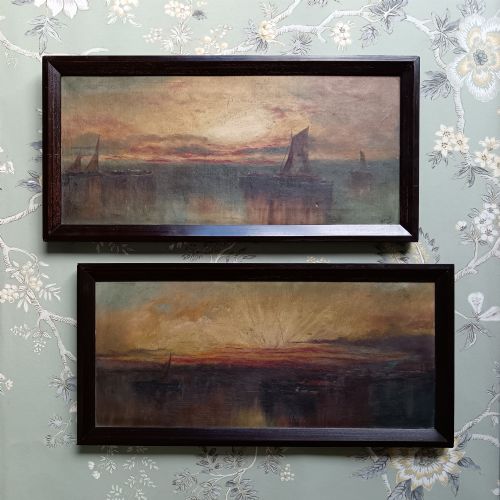
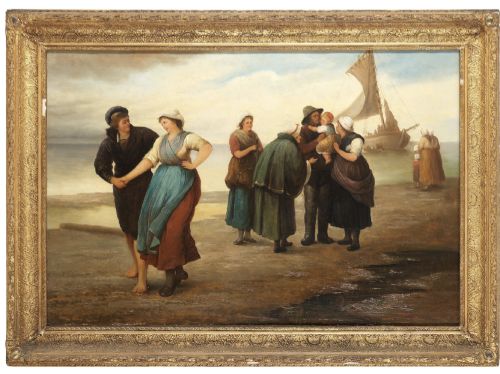
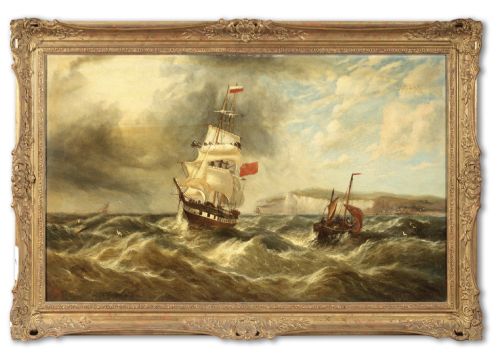
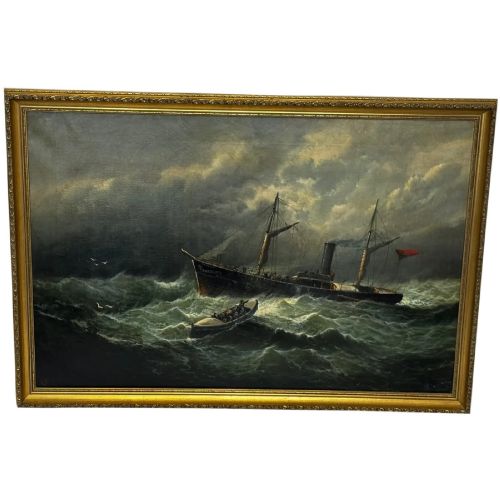
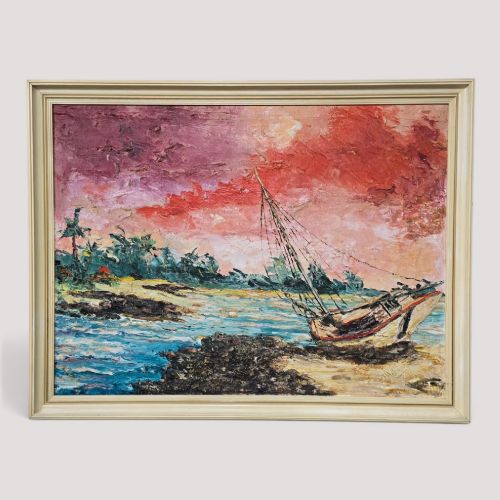
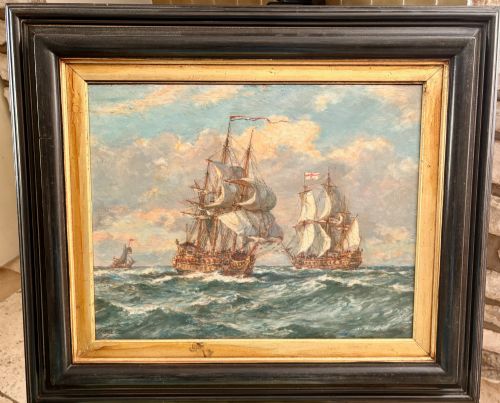
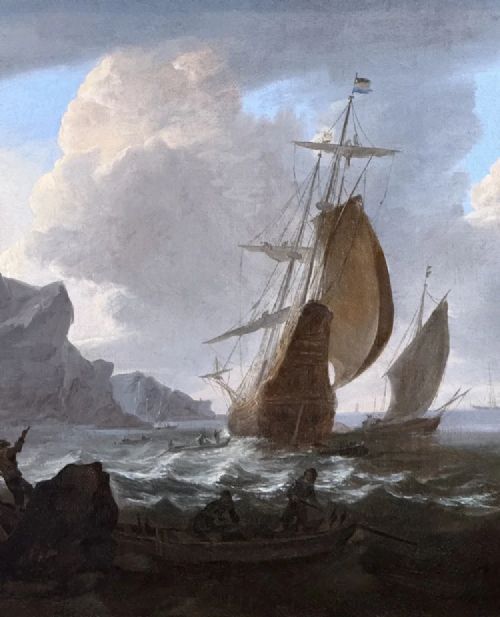
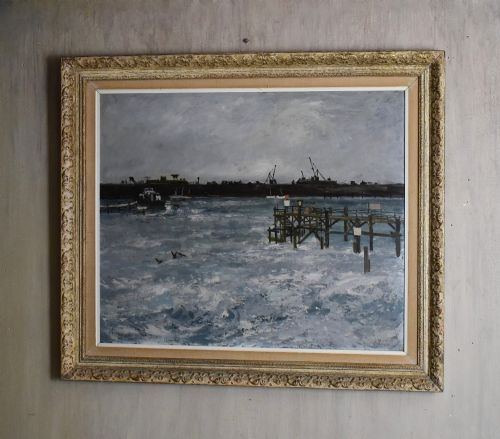
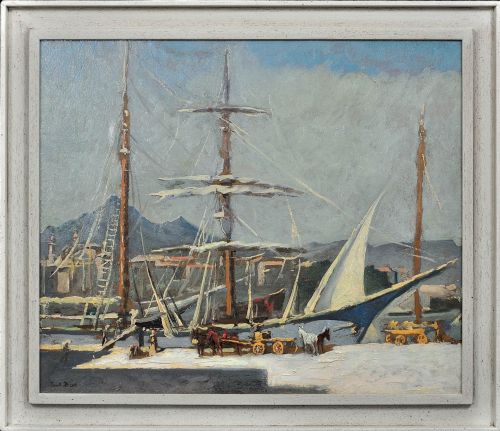
Framed nautical canvas art captures the drama of the open sea through traditional oil paintings housed in wooden and gilt frames.
Framed Nautical Canvas Art
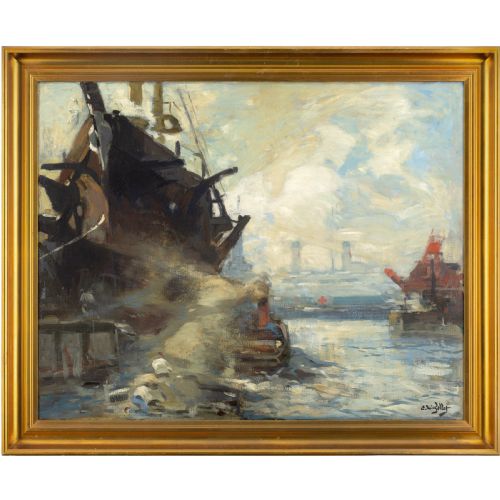
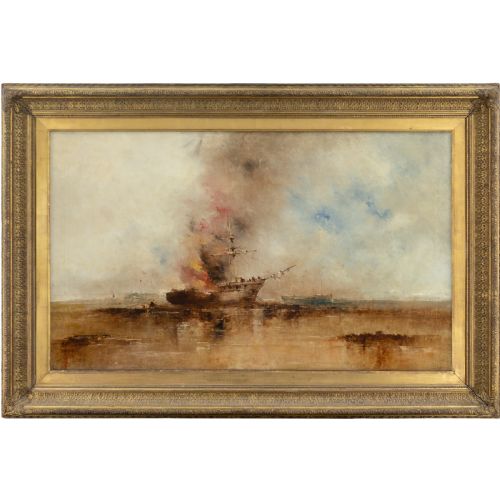
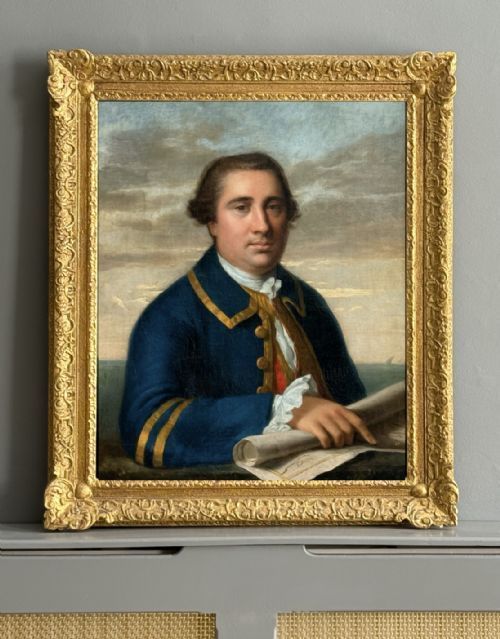
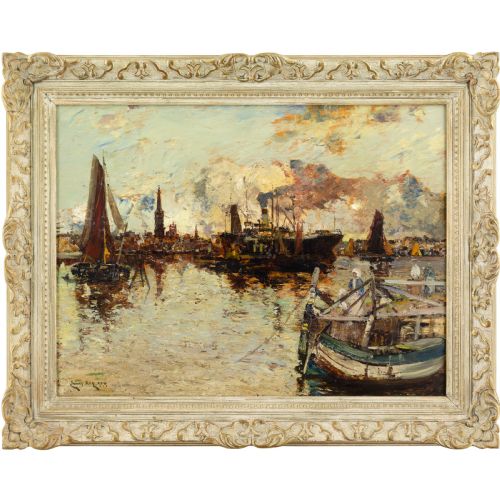
When buyers search for framed nautical canvas art, they encounter oil paintings on canvas depicting maritime subjects, coastal scenes, and historical ships. These works span multiple periods from the seventeenth century through the mid-twentieth century, encompassing Victorian maritime styles, impressionism, and post-impressionism.
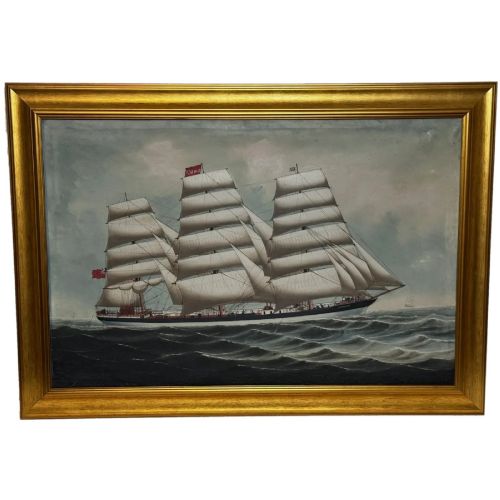
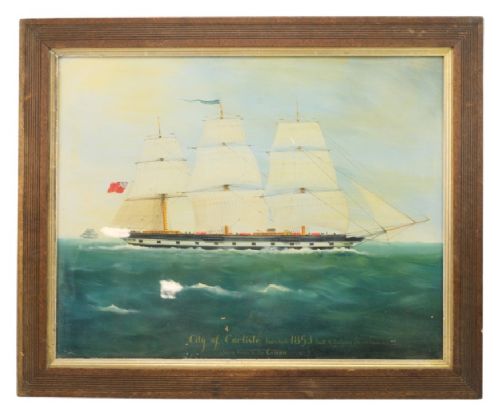
The most common pieces on this page are nineteenth-century and Edwardian marine oil paintings. These frequently portray tall ships, merchant vessels, and harbour scenes housed within original or period wooden and giltwood frames.
Materials and Construction
These works are created using oil paint applied to woven canvas supports. Artists built up textures using impasto techniques or smooth glazes to render water, sky, and atmosphere.
The canvases are mounted within wooden frames, often finished with gilt or giltwood moulding. These frames provide both structural support and the decorative border characteristic of finished fine art.
Listings feature oil on canvas works housed in wood and giltwood frames across Victorian, Edwardian, and twentieth-century periods.
Determinants of Quality
Quality in these paintings rests upon the artist's command of perspective, light, and maritime anatomy. Finer works display accurate rigging, convincing water movement, and atmospheric depth rather than rigid formulas.
The quality of the framing also contributes significantly to the piece. Original or period-matched giltwood frames with detailed moulding elevate the presentation compared to plain or later replacement surrounds.
Eugène-Louis Gillot·William McAlpine·Reginald Arthur Borstel·Lemuel Francis Abbott·Bonaventura Peeters·Abraham Hulk I·Charles Napier Hemy·Daniel Sherrin
The Framed Nautical Canvas Art Glossary
- Impasto
- Paint applied thickly to a canvas, standing out in relief from the surface. This technique adds tactile depth and catches light across turbulent water or billowing sails.
- Giltwood
- Wood carved and covered with a thin layer of gold leaf or metallic gilt. It forms the ornate, reflective borders typical of nineteenth-century picture frames.
- Marine painting
- Artwork that depicts ships, oceans, coastal views, and naval engagements. This genre encompasses both documentary vessel portraits and dramatic seascapes.
- Barque
- A sailing vessel with three or more masts, having square sails on the fore and main masts and fore-and-aft sails on the mizzenmast. It frequently appears in nineteenth-century maritime art.
- Pierhead painting
- A specific genre of ship portrait created to be sold to sailors and captains when vessels docked at ports. These works prioritise accurate depictions of named commercial vessels.
Framed Nautical Canvas Art: Frequently Asked Questions
What periods do these paintings cover?
The selection includes works from the seventeenth century through to the mid-twentieth century. Victorian and Edwardian examples appear frequently alongside earlier seventeenth-century and later modernist interpretations.
Each period brings distinct framing styles and painting techniques, reflecting the evolving tastes of maritime artists and collectors over the centuries.
Are the frames original to the canvas?
Many pieces retain their period wooden or giltwood frames, which often date from the same era as the painting itself. These frames complement the artwork and provide historical context.
Buyers should examine listing details to determine whether a frame is original, period-appropriate, or a later replacement.
How do I identify different maritime ship types?
Ship types are defined by their rigging and the number of masts they carry. Three-masted schooners, barques, and clippers each feature distinct sail configurations that artists painted with precision.
Contemporary records and merchant navy histories often help confirm the exact vessel type depicted in a nineteenth-century canvas.
Where were these marine scenes painted?
Artists recorded coastal landscapes, bustling harbours, and open ocean views from locations across Britain, Europe, and international waters. Specific ports such as Palermo, Antwerp, and Plymouth frequently feature in the titles.
Many painters travelled with the merchant navy or worked in coastal art colonies to capture authentic maritime conditions.