

Framed Miniature Watercolour Painting
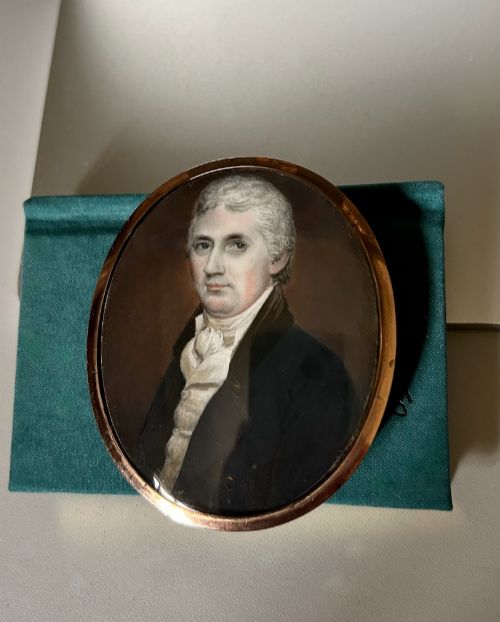
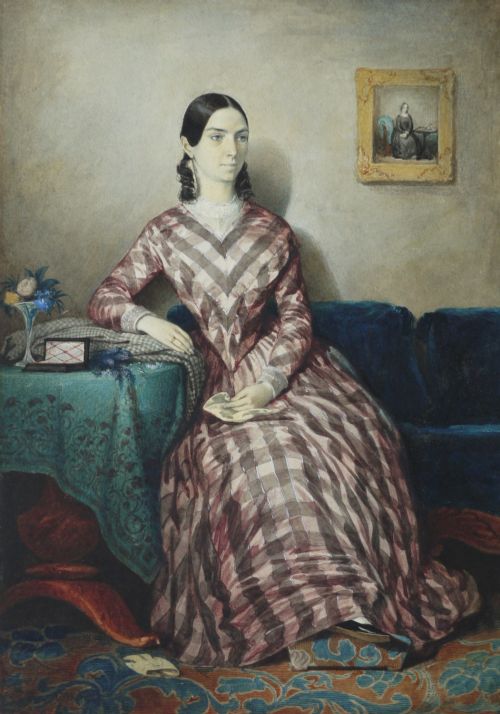
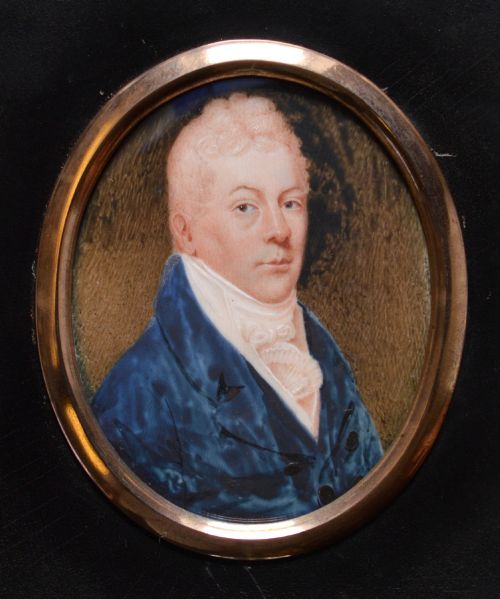
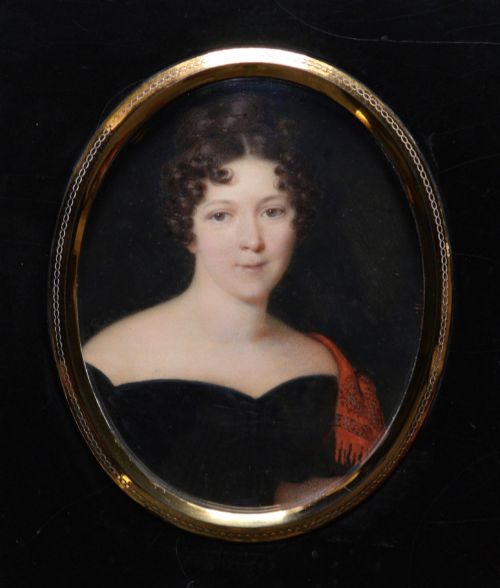
When you search for a framed miniature watercolour painting, you are looking at delicate portraits and scenes created on paper, glass, or card during the eighteenth and nineteenth centuries.
Framed Miniature Watercolour Painting
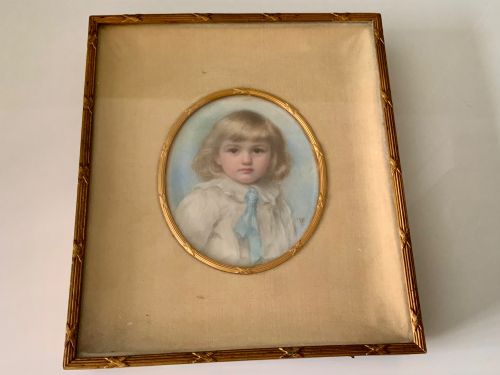
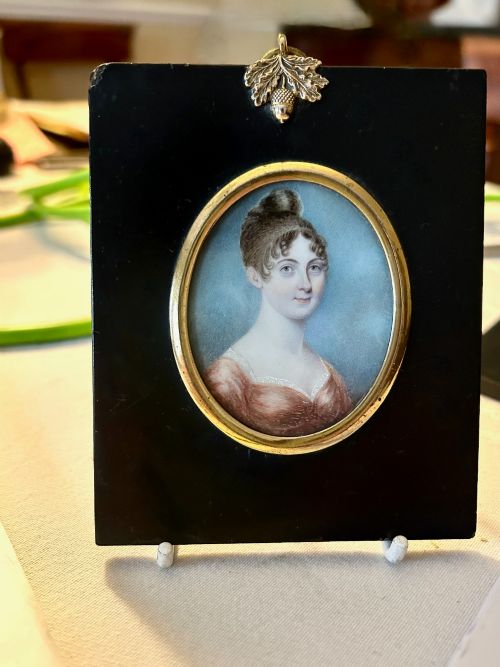
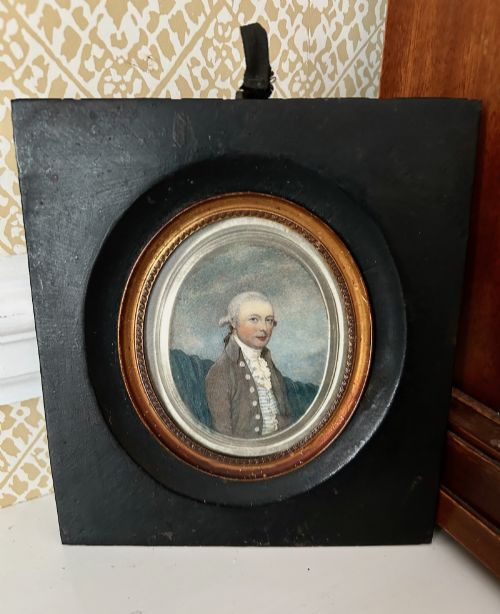
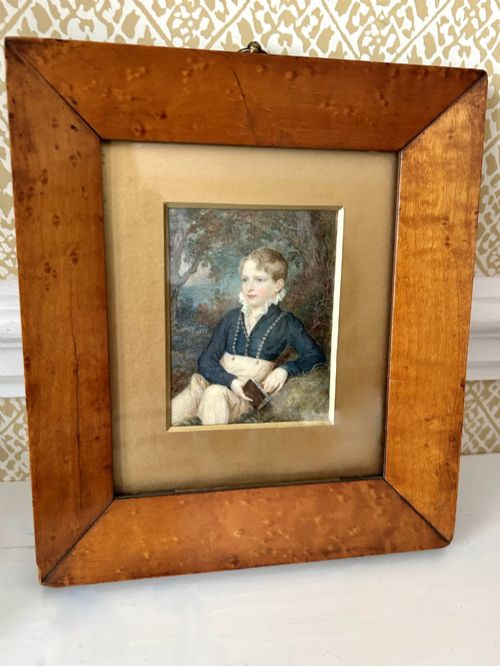
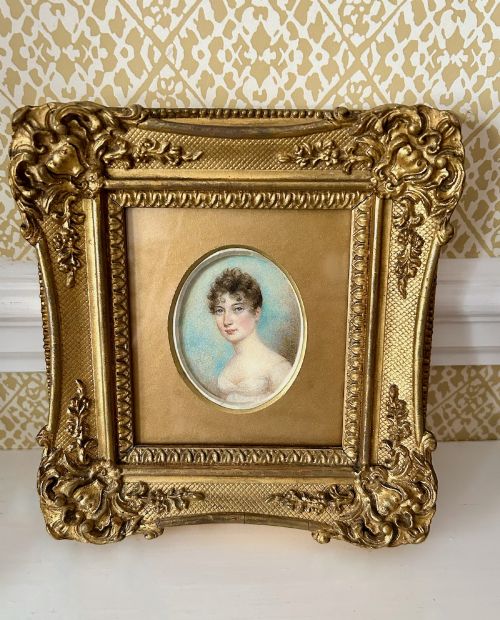
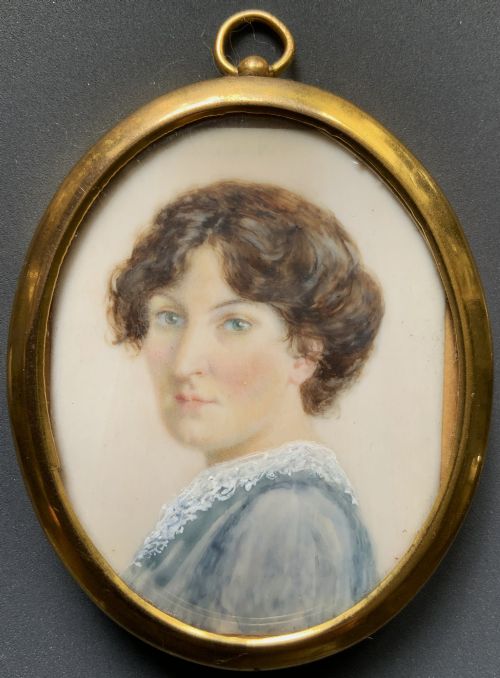
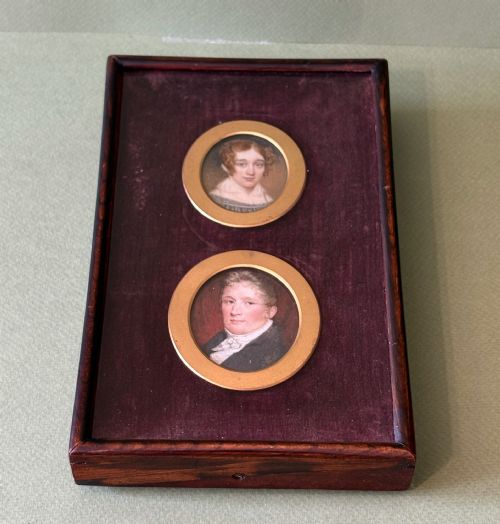
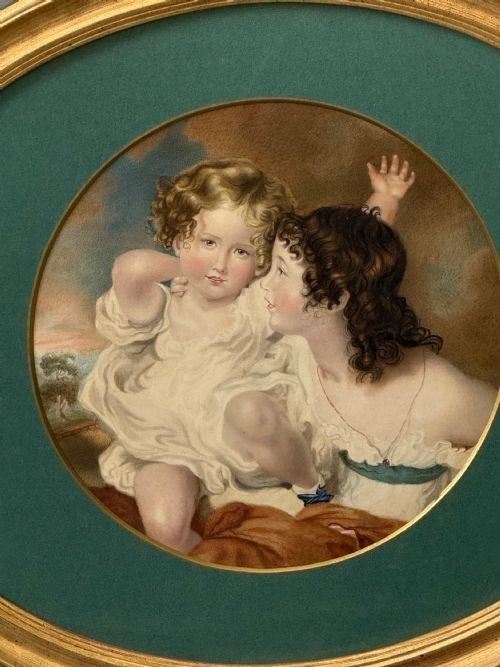
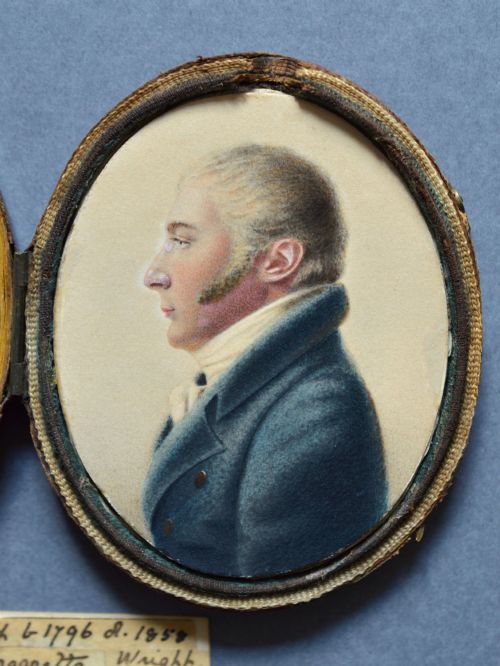
A framed miniature watercolour painting typically depicts a portrait of an individual, a child, or an officer, executed on a very small scale. You are most likely to meet nineteenth century examples on this page, alongside earlier Georgian and Regency pieces.
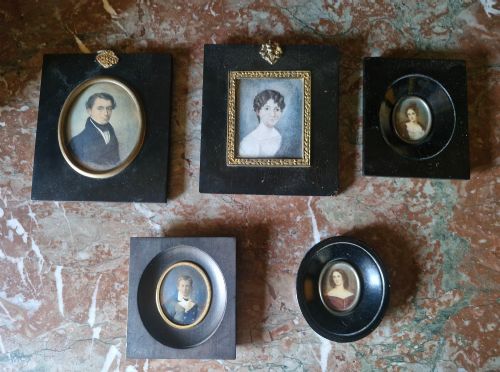
Subjects range from British school officers and children to Anglo-Indian sitters and classical studies. The selection spans domestic folk art as well as refined professional portraiture from various periods.
How they were made
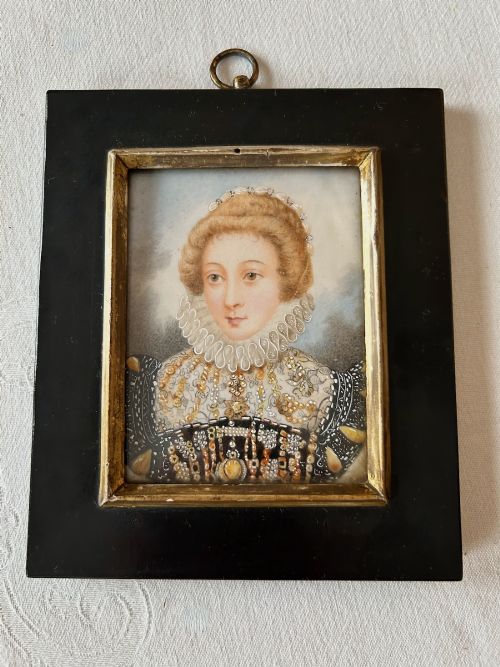
Artists painted these small works using watercolour pigments applied to thin paper, card, or sometimes directly onto glass. Detail work required extremely fine brushes to achieve lifelike skin tones and intricate lace patterns on clothing.
Makers housed the delicate painted surfaces behind protective glass within heavy ebonised wood frames or decorative gilt metal and brass surrounds. Some pieces incorporated seed pearl ornamentation or incorporated piano key ivory slips into the framing structure.
Framed Miniature Watercolour Painting Retail Price Guide 2026
Typical asking prices for framed miniature watercolour painting among the pieces listed under this phrase on Sellingantiques today, from the lower quarter to the upper quarter. They describe what is for sale here now, not the wider market.
Listings feature watercolours from the eighteenth and nineteenth centuries, utilising paper, glass, gilt metal, and ebonised wood.
What varies in quality
The precision of the brushwork and the psychological depth of the portrait separate superior examples from simpler ones. Master artists captured nuanced expressions and realistic textures in hair and fabric, whereas lesser works appear stiff and flat.
The materials of the enclosing frame also dictate the tier of the piece, with heavy cast gilt brass, seed pearl embellishments, and original convex glass marking out high status commissions.
Henri Fradelle·Thomas John Horsley·Charles Shirreff·Richard Cosway·Frederick Buck·William Naish·Charles Hayter·George Engleheart·William Egley
The Framed Miniature Watercolour Painting Glossary
- Portrait Miniature
- A small-scale painting, typically depicting a specific person, executed with intense detail. These works were often kept in lockets or hung on walls.
- Ebonised Wood
- Timber treated with a dark finish to imitate expensive ebony wood. It appears frequently on nineteenth century frames.
- Gilt Metal
- Metal treated with a thin layer of gold or gold leaf to give a bright metallic finish. It surrounds many Georgian and Regency pieces.
- Watercolour
- A paint consisting of pigment suspended in a water-based solution. It forms the primary medium for these historical miniatures on paper.
Framed Miniature Watercolour Painting: Frequently Asked Questions
Are these paintings signed by the artist?
Many miniature watercolours remain unsigned because they were produced anonymously by regional practitioners or British school painters. When signatures do appear, they generally sit discreetly near the edge of the painted surface.
Attributions often rely on stylistic comparisons with known works from the same period.
Why are some painted on glass?
Painting directly onto glass was a specific technique utilised to impart a smooth, luminous finish to the portrait. This method protected the pigments from atmospheric fading while creating a subtle depth.
Such pieces require careful handling to prevent the delicate paint layer from detaching.
How do I date a framed miniature?
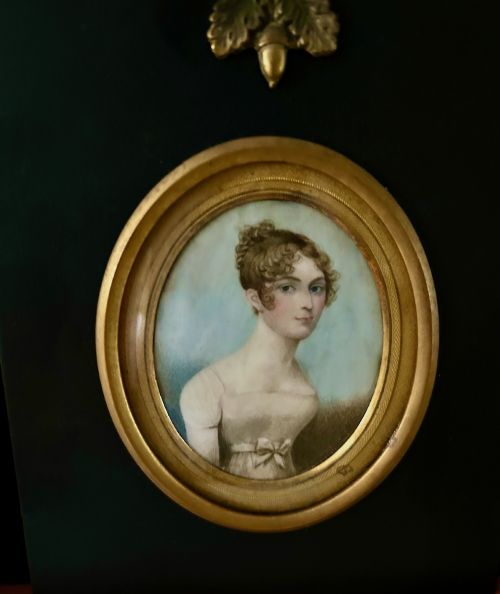
Stylistic clues in the sitter's clothing, hairstyle, and framing materials provide the most reliable indicators of age. High Regency waistlines and wide blue sashes point clearly to the early nineteenth century.
Heavy ebonised wooden frames with convex glass frequently accompany Georgian and Victorian examples.