



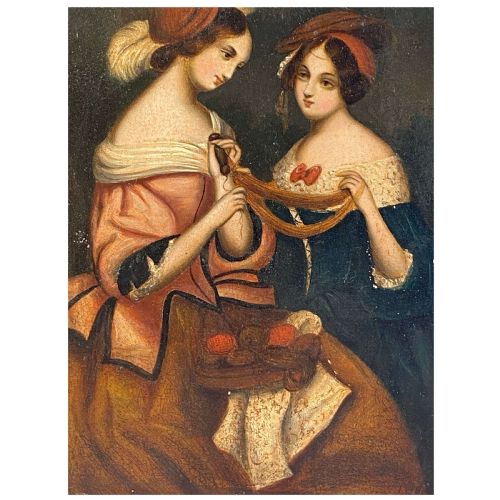
Blue Dress Lady Portrait
A blue dress lady portrait captures the distinct elegance of historical figures through centuries of fine painting.
Blue Dress Lady Portrait
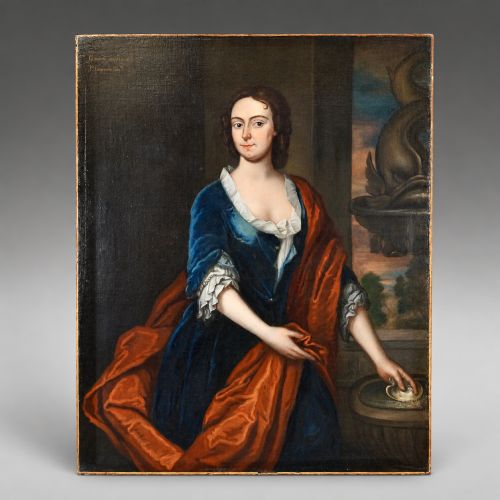
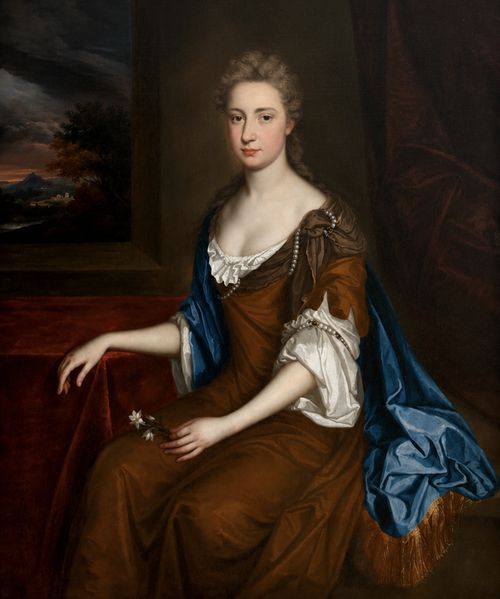
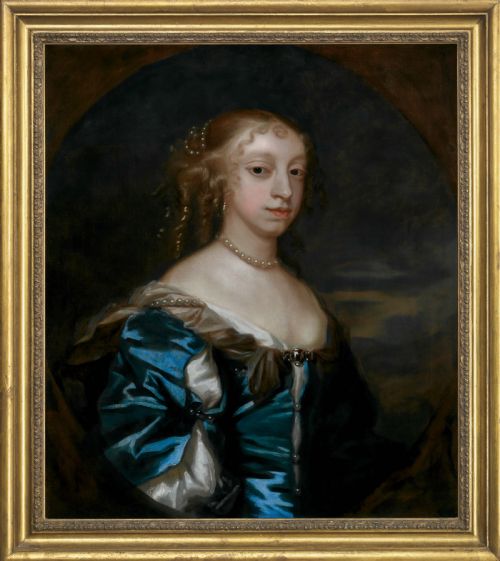
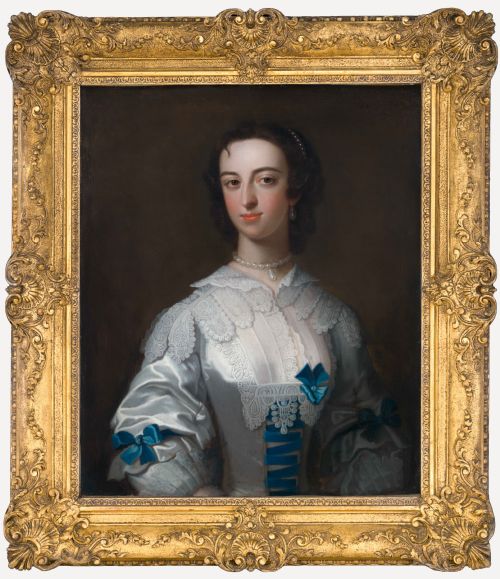
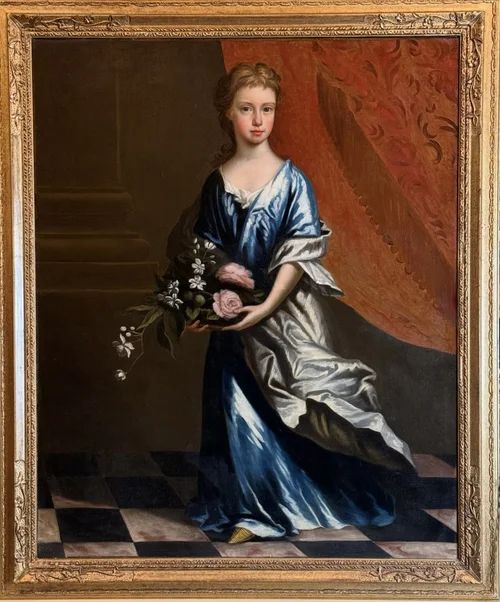
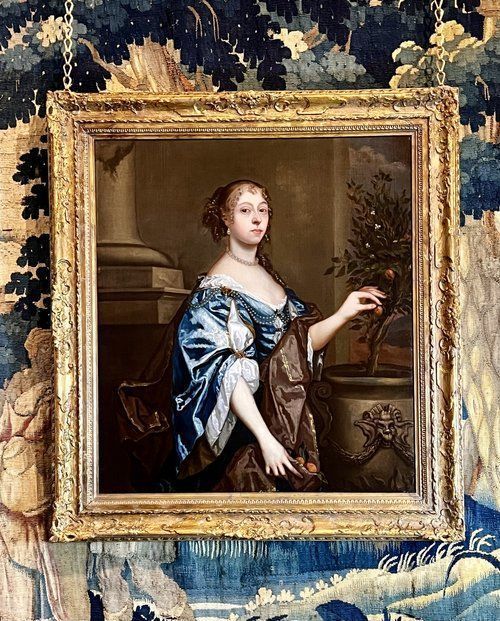
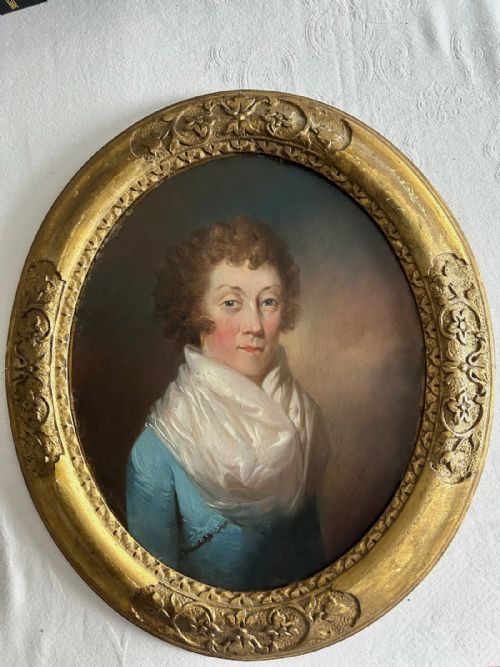
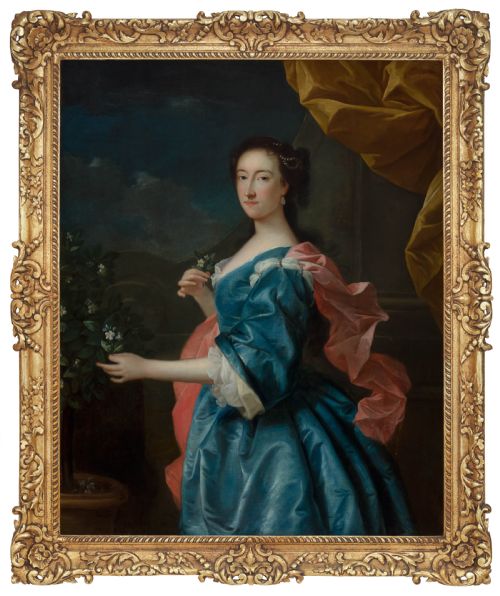
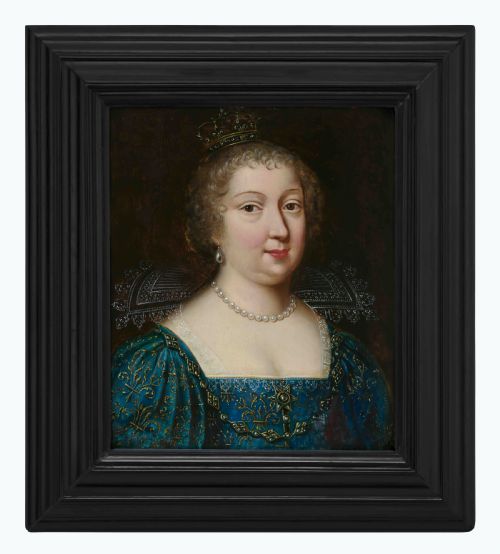
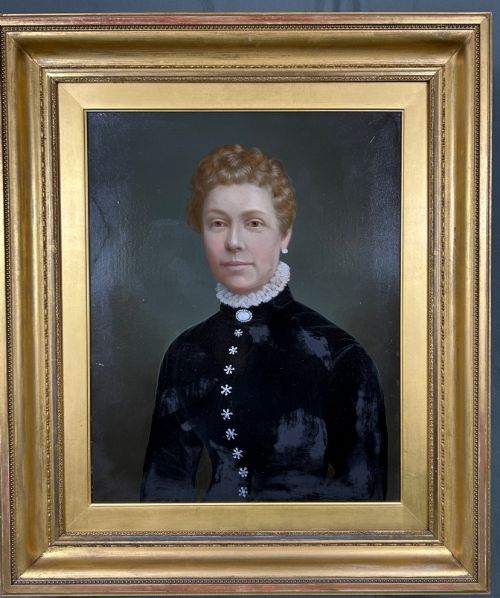
A blue dress lady portrait represents a significant category of historical art depicting female sitters adorned in distinctive blue garments. These works span from the seventeenth century through the Edwardian period, recording shifts in fashion and portraiture conventions.
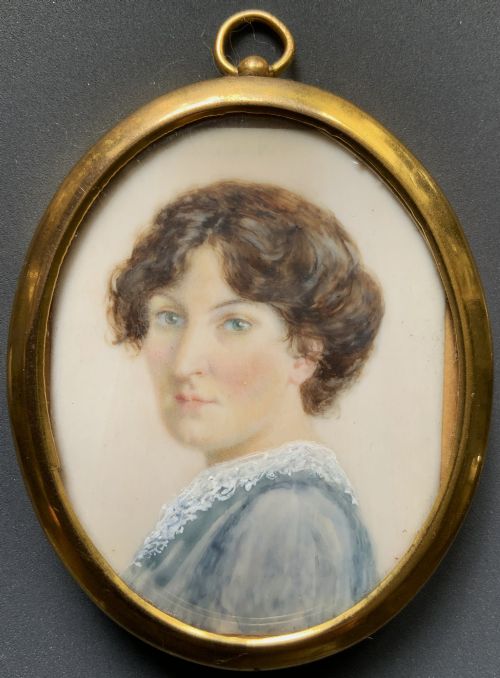
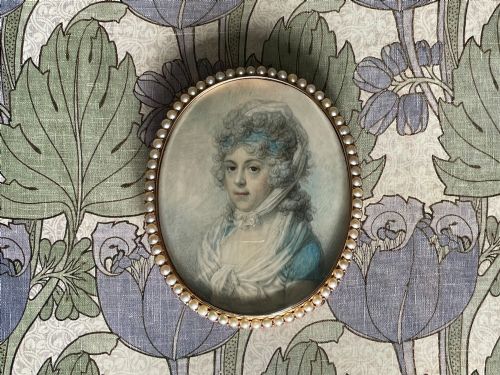
The buyer encounters various formats on this page, predominantly traditional oil paintings on canvas alongside delicate watercolour miniatures and works on panel or board. Subjects range from named aristocracy to anonymous sitters rendered by regional artists and major practitioners alike.
Originating largely from British and continental European traditions, these portraits reflect the changing status and portrayals of women over several centuries. The presence of blue silk gowns, mantles, and ribbons unites diverse stylistic periods into a cohesive collecting field.
How They Were Made
Artists built these images primarily using oil paint on stretched canvas or wooden panels, applying layered pigments to render the rich texture of silk and velvet fabrics. Watercolours on paper and delicate miniature painting on specialised supports also appear frequently across the periods.
Frames play an integral role in the physical construction of these pieces, utilising carved giltwood, gold leaf, ebonised timber, and maple mouldings to house the artwork securely. Skilled hands prepared grounds of gesso and chalk before applying the pigments that define each sitter's costume.
Blue Dress Lady Portrait Retail Price Guide 2026
Typical asking prices for blue dress lady portrait among the pieces listed under this phrase on Sellingantiques today, from the lower quarter to the upper quarter. They describe what is for sale here now, not the wider market.
Materials recorded across the inventory include oil paint, canvas, watercolour, glass, giltwood, and gold leaf.
What Varies In Quality
The distinction between standard works and exceptional pieces rests upon the anatomical precision of the hands and face, alongside the fluid handling of drapery. Master portraitists achieved a luminous depth in blue garments through careful glazing, whereas lesser hands produced flat, opaque surfaces.
Condition and originality dictate much of the standing within this field, separating untouched surfaces from those altered by heavy restoration. The integration of original period frames - such as carved giltwood - enhances the integrity of the surviving object.
Jeremiah Davison·Pieter Borsseler·Richard Cosway·Henry Pickering·John Horsburgh·Fernand Toussaint·Thomas Murray·Frederick Tayler·Hans Hysing·Arthur Pond·Sir Peter Lely·Andrea Soldi·Philip Mercier·Joseph Highmore·Thomas Hickey·Michael Dahl·Herman Verelst·Mary Beale·Charles Jervas·Thomas Bardwell·Jonathan Richardson·Sir Godfrey Kneller·John Michael Wright·Vincent Galloway·John Downman
The Blue Dress Lady Portrait Glossary
- Oil on canvas
- Pigments bound in drying oil applied to a woven fabric support. This method allowed artists to achieve rich colour saturation and subtle blending for fabrics like silk.
- Miniature painting
- A small-scale portrait executed with meticulous detail. These intimate works were often housed in protective cases or delicate frames.
- Giltwood
- Timber coated with gold leaf or gold paint. This material was standard for framing high-status historical portraits.
- Provenance
- The documented history of ownership of an artwork. A clear trail helps establish authenticity and historical context.
- Mantle
- A loose sleeveless cloak worn over garments. In these portraits, coloured mantles added visual drama and richness to the composition.
Blue Dress Lady Portrait: Frequently Asked Questions
What periods do these portraits cover?
The works span multiple centuries, beginning with seventeenth-century Baroque examples and moving through Georgian, Regency, and Victorian eras up to the early twentieth century.
This broad chronological range allows collectors to trace the evolution of portrait painting and changing dress codes across successive generations.
How were miniature portraits displayed?
Miniature portraits were often created as intimate keepsakes, designed to be carried personally or housed within protective travelling cases rather than hung upon walls.
Over time, many of these small works found permanent homes in decorative frames made of ebonised wood or gilt metal.
How do I identify the sitter's status?
Costume elements such as silk gowns, gold-braided tassels, pearls, and elaborate mantles frequently indicate the wealth and social standing of the individual portrayed.
Named sitters often include heraldic details, inscriptions, or recorded family provenances that connect them directly to historical lineages.
What framing styles accompany these paintings?
Framing varies from ornate carved giltwood and gold leaf designs typical of Georgian and Victorian salons to simpler maple and ebonised wood surrounds used for watercolours.
Original frames provide important contextual clues about how the artwork was presented and preserved in past centuries.