



Oval Mount Portrait Painting
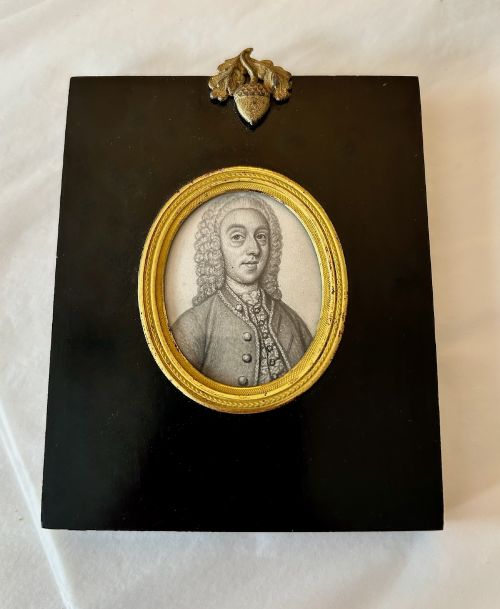
These oval mount portrait painting examples bring intimate likenesses to a wall, combining careful hand-painted detail with distinctive framing.
Oval Mount Portrait Painting
The selection spans periods from the eighteenth century through the Edwardian era, incorporating styles such as Georgian, Regency, and Victorian. Creators utilise media including watercolour, pastel, oil, enamel, and pencil on paper, ivory, or canvas.
Framing plays a defining role in this category, with pieces housed in wood, giltwood, maple, and silver surrounds. Collectors seek these portraits for their historical resonance and the skill required to execute likenesses on a reduced scale.
Materials and Technique
Artists executed these works using oil, watercolour, pastel, or enamel applied to supports such as paper, canvas, ivory, and panel. Pigments were handled with fine brushes to achieve subtle skin tones and intricate costume details.
Mounts and frames were constructed from timber, then gilded, polished, or fitted with glass to protect the delicate painted surfaces from dust and environmental damage.
Oval Mount Portrait Painting Retail Price Guide 2026
Typical asking prices for oval mount portrait painting among the pieces listed under this phrase on Sellingantiques today, from the lower quarter to the upper quarter. They describe what is for sale here now, not the wider market.
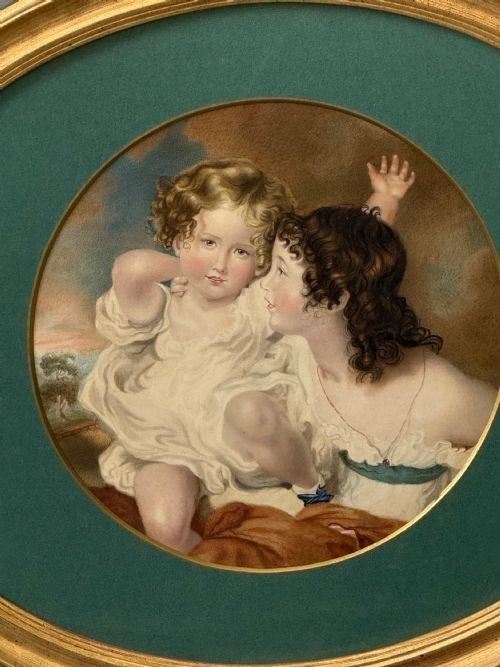
Sir Thomas Lawrence inspired artists so thoroughly that later painters produced entire watercolours after his compositions.
Assessing Quality
The distinction between tiers rests upon the precision of the brushwork and the psychological depth captured in the sitter's expression. Superior examples display confident handling of light and shadow, particularly in the rendering of eyes and hair.
The material integrity of the support and the originality of the frame influence the overall standing of a piece. Works retaining their initial housing and stable pigments command greater attention from discerning buyers.
Arthur William Devis·William Wood·Henry Bone·Robert Kemp·Andrea Soldi·Gerrit Schipper
The Oval Mount Portrait Painting Glossary
- Portrait Miniature
- A small-scale painting, often executed on ivory, vellum, or prepared paper, designed to be held in the hand or worn. These intimate works demand exceptional control due to their diminutive dimensions.
- Giltwood
- Timber carved and coated with a thin layer of gold leaf or gesso preparation. It provides a reflective, ornate border that enhances the colours within the painting.
- Enamel Miniature
- A painting fused to a metal base by firing in a kiln, producing a durable surface with glossy colour retention. Henry Bone worked extensively in this exacting medium.
- Watercolour
- A paint consisting of pigment suspended in a water-based solution, applied to paper surfaces. It allows for translucent washes and delicate layering.
Oval Mount Portrait Painting: Frequently Asked Questions
How do I date an oval portrait?
Dating relies on the sitter's costume, hairstyle, and the framing style typical of the period. Examination of the backing materials and pigments also provides chronological clues.
Comparison with documented works by known artists helps narrow the decade of production.
Where should I hang these portraits?
These works suit small wall spaces, hallways, or grouped arrangements within a study. Avoid direct sunlight to protect watercolours and pigments from fading.
Keep them away from damp environments to preserve the integrity of paper and timber frames.
How do I care for framed miniatures?
Dust the frames gently with a dry, soft cloth and avoid chemical cleaners on the glass or gilt surfaces. Maintain stable room temperatures to prevent wood warping.
Professional conservators should handle any repairs to the painted surface or glass replacement.
What subjects appear in these paintings?
Subjects range from named historical figures and military generals to children and unidentified young ladies. Sitters often commissioned likenesses to mark status or family milestones.
Artists occasionally worked from life or copied larger formal portraits.