


Framed Military Wall Art
Framed military wall art encompasses centuries of painted and printed portraits, capturing officers, cavalrymen, and historical campaigns in period surrounds.
Framed Military Wall Art
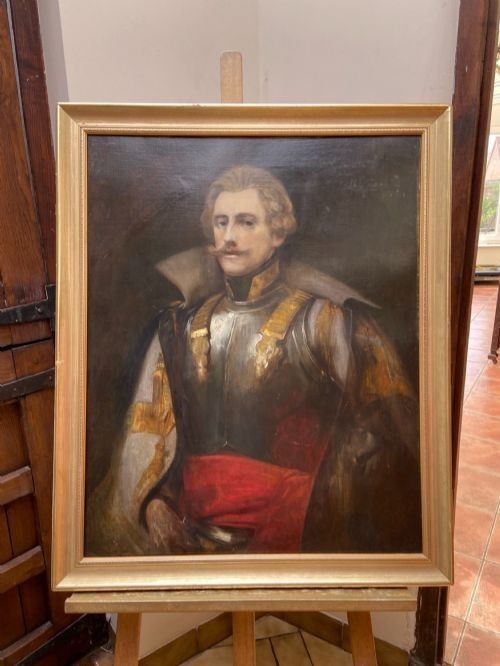
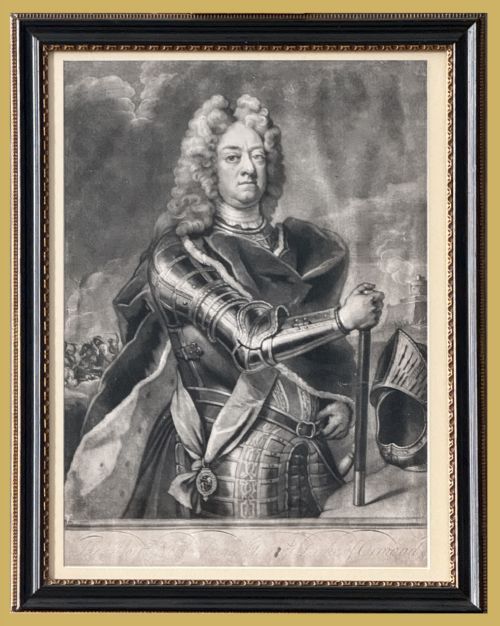
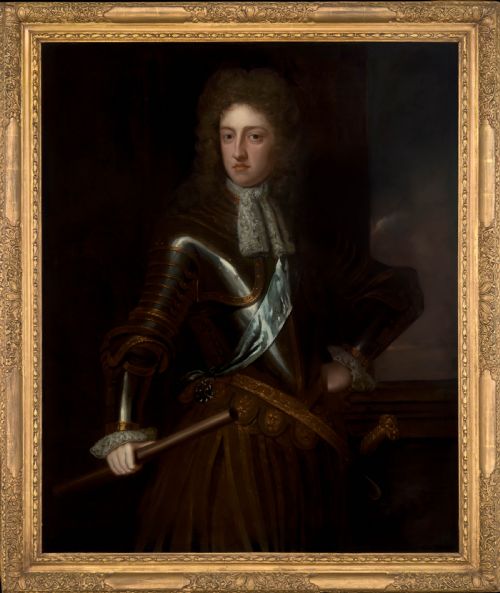
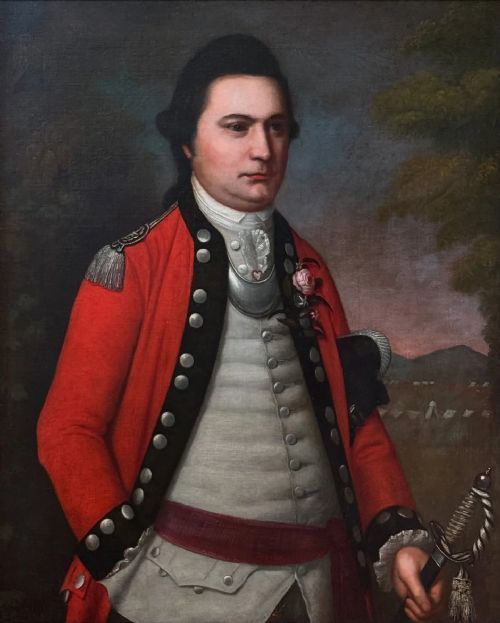
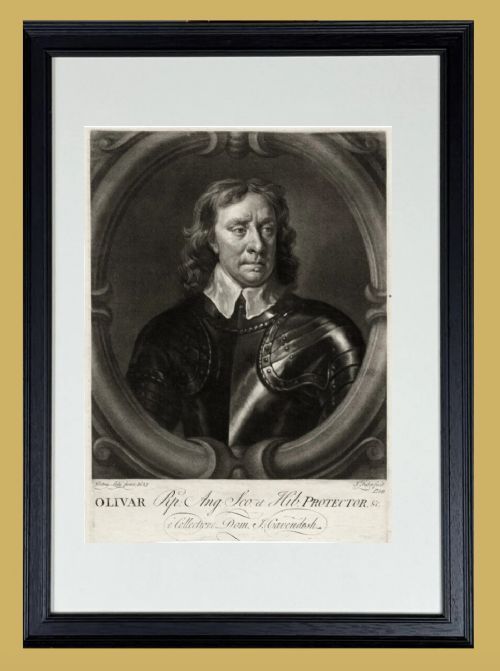
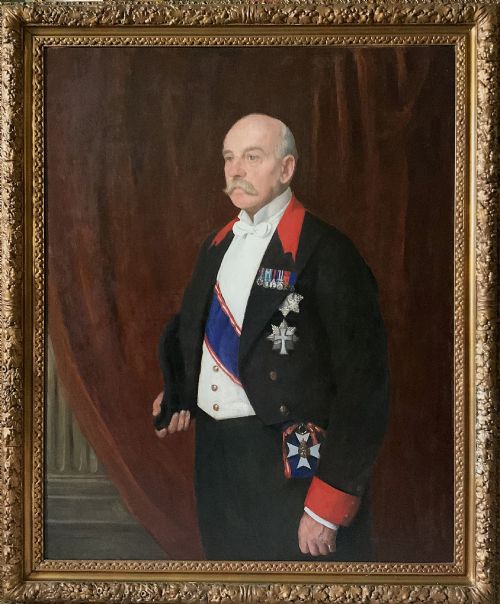
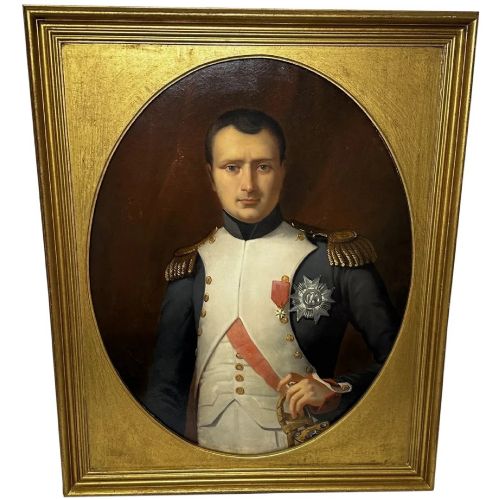
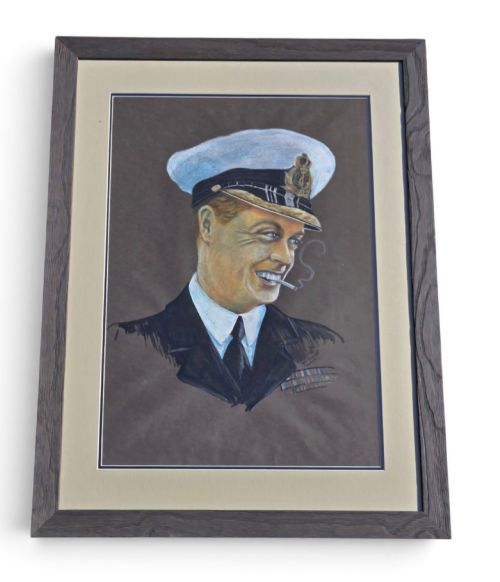
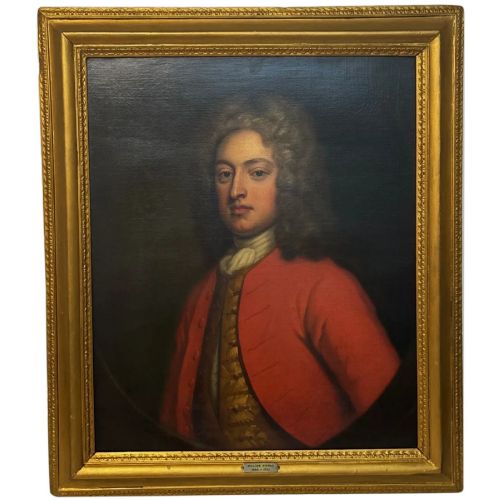
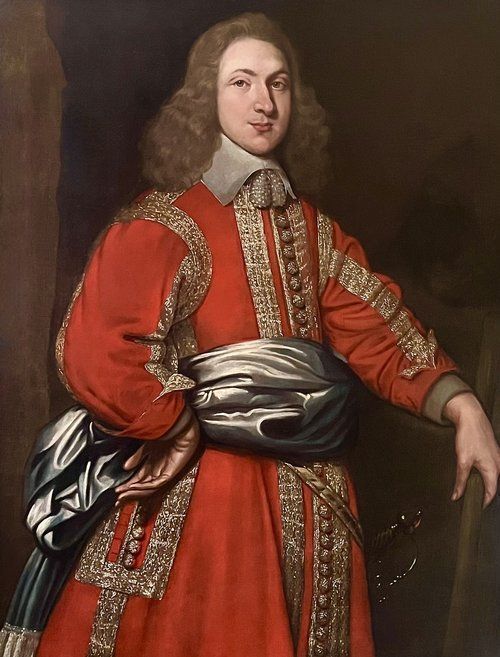
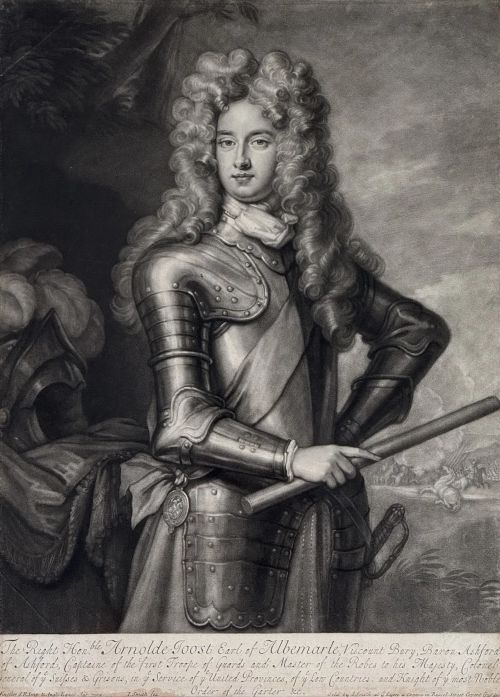
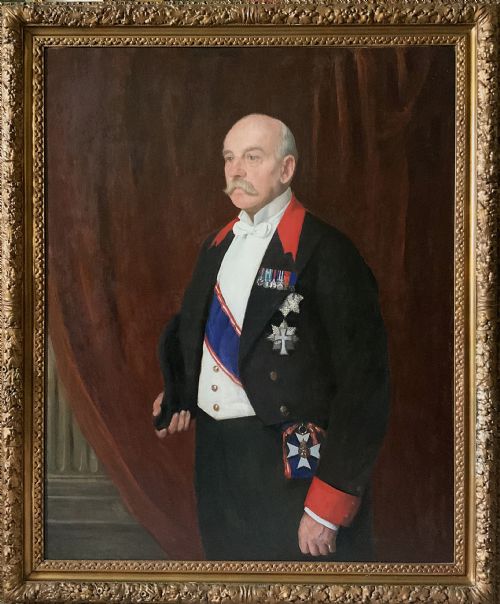
Framed military wall art gathers oil paintings, mezzotints, engravings, and pastels depicting officers, regiments, and naval vessels across several centuries. These pieces record historical figures, such as major-generals and royal commanders, often shown in full suit of armour or service uniform.
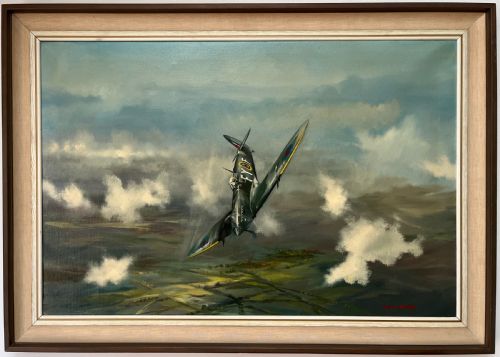
Buyers will encounter works spanning from the seventeenth-century baroque era through the Victorian period and into twentieth-century conflicts. The selection leans heavily towards formal portraiture on canvas alongside detailed works on paper.
The assortment ranges from monumental oil paintings down to intimate sketches and gouache tributes. Each piece serves as a visual record of military history, presented in frames that complement the era of creation.
Materials and methods
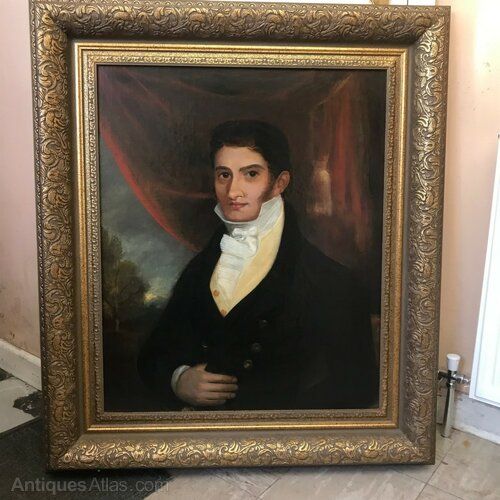
Makers utilised oil on canvas for substantial portraits, applying pigments to build rich textures and deep tones for uniforms and armour. Works on paper relied on ink, pastel, and gouache, often finished as mezzotints or wood engravings.
Frames are constructed from wood, frequently finished in giltwood or gilt wood to enhance the status of the subject. Glass provides protection for delicate prints, watercolours, and pastel sketches against environmental wear.
One sailor's sentimental tribute to an ironclad battleship proves that even fierce naval warriors appreciated a delicate splash of watercolour.
Distinctions in execution
The standard of portraiture depends upon the skill of the artist in rendering facial likeness and the intricate details of military regalia, such as lace, medals, and armour. Finer works display confident brushwork and anatomical accuracy, whereas simpler pieces rely on standard studio formulas.
The integrity of the original frame contributes significantly to the piece, with period-appropriate giltwood mouldings elevating the overall object. Survival of the surface without extensive overpaint distinguishes better preserved examples from heavily restored ones.
John Simon·Michael Dahl·John Smith·Sir Godfrey Kneller·Sir Peter Lely·Sir Anthony van Dyck
The Framed Military Wall Art Glossary
- Mezzotint
- A printmaking process of the intaglio family where the plate is roughened to achieve dark tones and subtle gradations of light. This technique was frequently utilised for reproducing oil portraits of prominent historical figures.
- Giltwood
- Wood that has been coated with a thin layer of gold leaf or gilt. It is commonly found on frames from the seventeenth, eighteenth, and nineteenth centuries.
- Gouache
- An opaque water-based medium that dries to a matte finish. Artists use it to achieve vibrant colours and solid areas of tone in works on paper.
- Baroque
- An artistic style prevalent from the seventeenth century characterised by drama, exuberant detail, and grandeur. Portraits from this period often feature theatrical drapery and dramatic lighting.
Framed Military Wall Art: Frequently Asked Questions
How do I date a military portrait?
Dating relies heavily on the style of the uniform, the cut of the coat, and the presence of specific armour or headwear associated with known military campaigns. Hair styles and the mounting of the canvas or paper also offer reliable clues.
Comparison with documented sitters and the surrounding frame style helps narrow the decade of production. Examining the materials used on the reverse often reveals additional chronological markers.
What is a mezzotint portrait?
A mezzotint is an early printmaking method that allows for deep shadows and smooth tonal variations rather than simple lines. Printmakers used this technique to translate oil paintings into collectible prints.
These prints were popular for disseminating likenesses of military commanders and nobility across Britain and Europe during the eighteenth century.
How should I hang heavy oil paintings?
Heavy oil portraits require secure fixings anchored directly into wall studs or solid masonry using appropriate brackets. The substantial weight of wood and giltwood frames demands robust support to prevent structural damage.
Positioning pieces away from direct sunlight and strong heat sources protects both the canvas and the historical pigments from fading.
Are these works original or reproductions?
The inventory includes original oil paintings executed by hand, alongside period-correct prints such as mezzotints and wood engravings produced in past centuries. Each listing specifies the exact medium used by the artist or printmaker.
Close inspection under magnification reveals the hand of the painter or the ink transfer of the printing plate.