
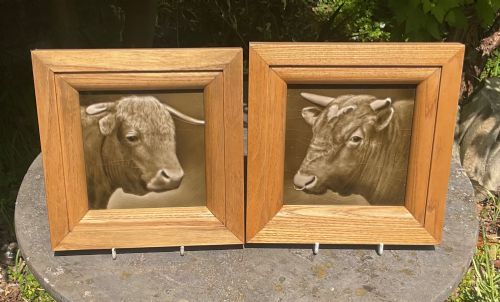

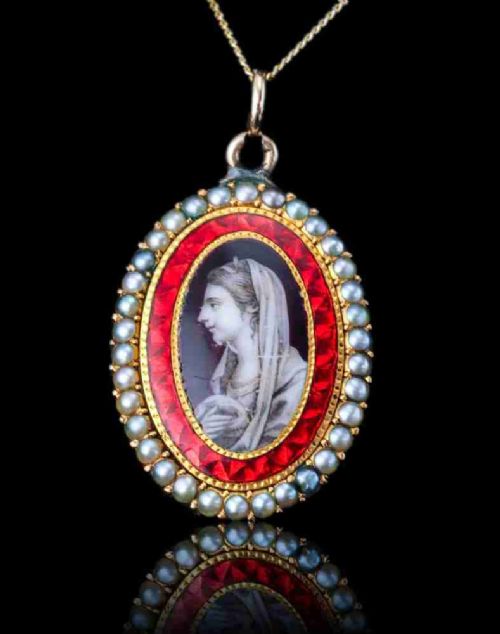

Antique Sepia Portrait
An antique sepia portrait captures the human likeness through muted tones, offering a tangible connection to past eras.
Antique Sepia Portrait
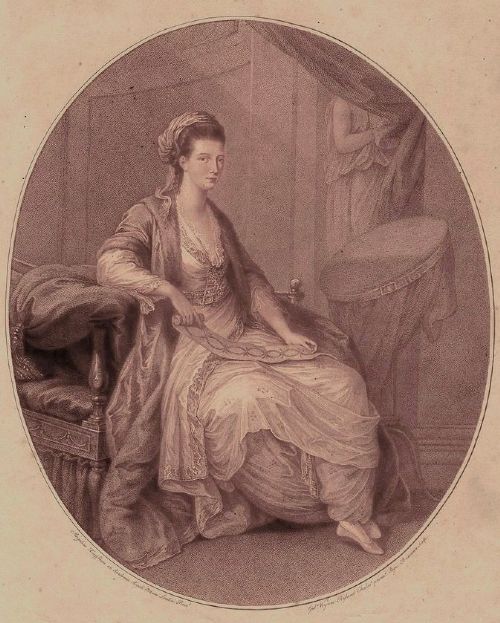
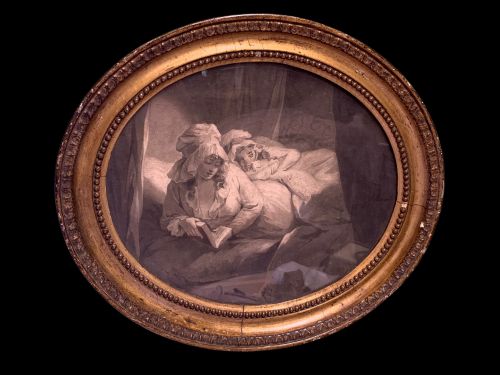
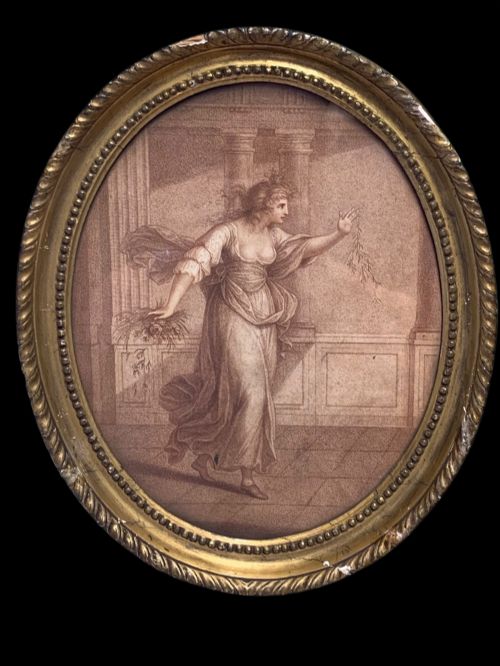
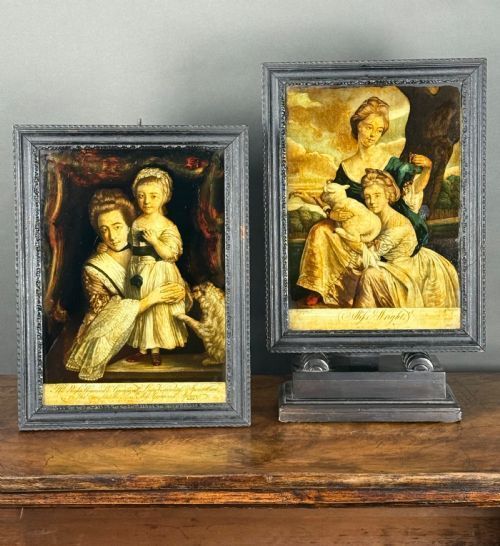
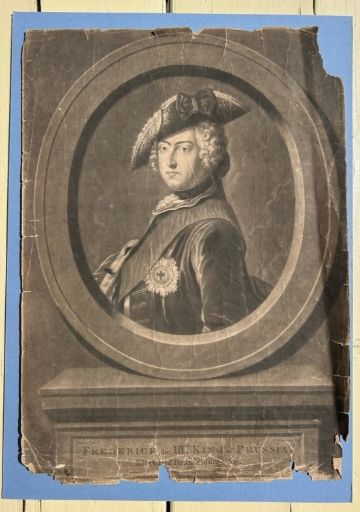
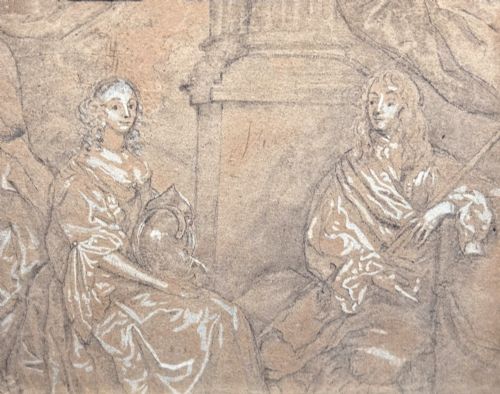
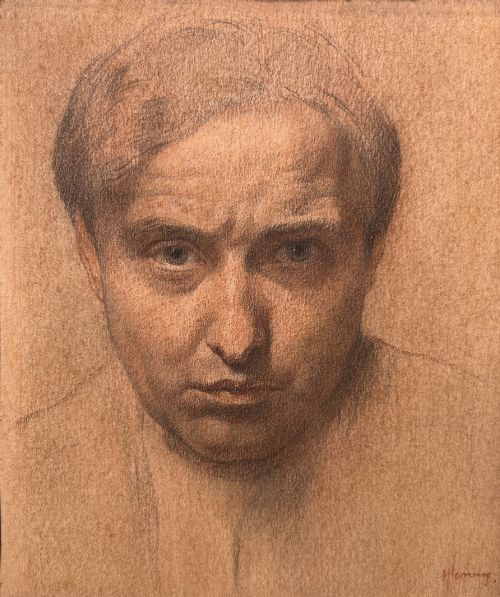
Buyers seeking an antique sepia portrait encounter works rendered in monochrome brownish tones, spanning periods from the eighteenth century through the early twentieth century. These pieces appear in forms such as framed prints, engravings, etchings, drawings, and photographs.
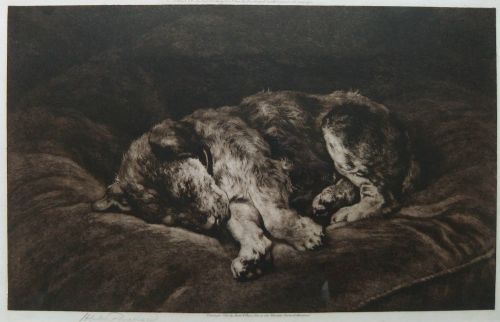
The selection here encompasses Georgian and Victorian renderings alongside Edwardian and Art Deco examples. Subjects range from aristocratic figures and military officers to anonymous sitters and domestic animals.
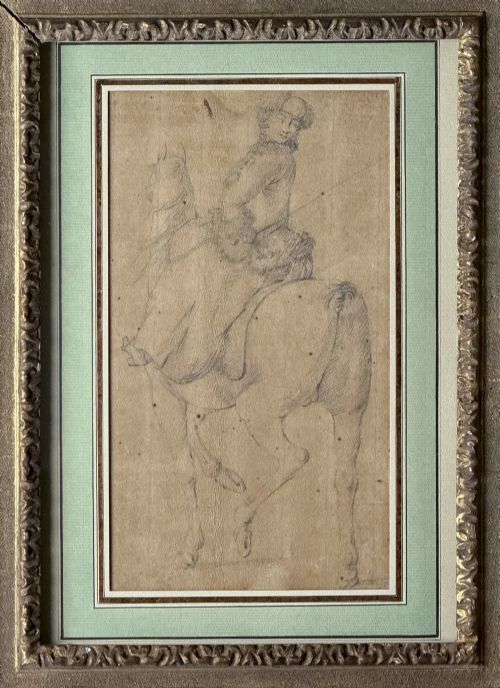
Framed artwork and original drawings dominate the physical formats. Each piece preserves historical likenesses using traditional media applied to paper, card, or buff paper.
Materials and methods
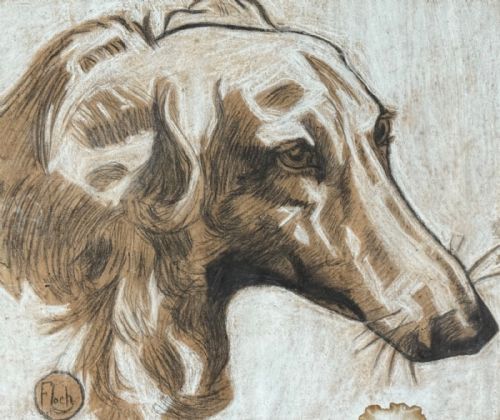
Makers utilised paper, card, and buff paper as the primary grounds for these works. Media included graphite, charcoal, chalk, ink, watercolour, and gouache, often combined to build depth and tone.
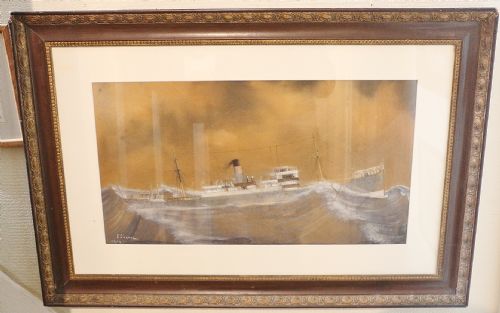
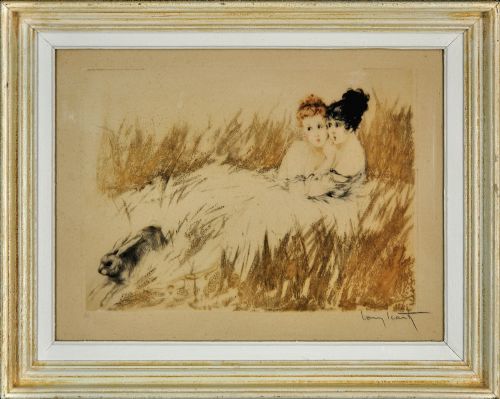
Printmakers employed techniques such as mezzotint and etching to transfer detailed likenesses onto paper. Many of these prints and drawings were housed in period wood or glass frames to protect the delicate surface.
Dogs make unexpected appearances alongside human nobility in these monochrome studies.
Measures of quality
Quality rests upon the precision of the draughtsmanship and the clarity of the tonal graduation. Works by skilled hands display confident lines and careful control over the sepia pigments.
The integrity of the original framing and the preservation of the paper support influence the standing of a piece. Survival in original condition without heavy fading or moisture damage distinguishes finer examples.
Herbert Dicksee·Richard Houston·Peter Lely·Louis Icart·Alexandre Louis Martin
The Antique Sepia Portrait Glossary
- Sepia
- A brownish pigment traditionally derived from the ink sac of the cuttlefish. It defines the characteristic monochrome palette of these portraits.
- Mezzotint
- A printmaking process of the intaglio family where the plate is roughened to achieve rich dark tones and subtle graduations. It allows for nuanced tonal portraits.
- Etching
- A method where lines are bitten into a metal plate with acid before ink is applied and transferred to paper. This technique produces fine, linear detail.
- Gouache
- An opaque water-based paint that provides solid areas of colour and highlights on tinted paper. It appears frequently in twentieth-century works.
- En grisaille
- Painting executed entirely in shades of grey or neutral monochrome. It creates a sculptural effect similar to stone carving.
Antique Sepia Portrait: Frequently Asked Questions
What periods do these portraits cover?
The listings span from the eighteenth century through the Georgian, Victorian, and Edwardian eras up to the 1920s and 1930s.
Each period brings distinct framing styles and drawing techniques to the portraits.
How were these artworks framed originally?
Many pieces retain their original wood and glass frames from the Georgian or Victorian periods.
These housings often use simple mouldings designed to protect fragile works on paper.
What materials make up the drawings?
Artists used graphite, charcoal, chalk, watercolour, and gouache on paper or buff paper supports.
Monochrome media predominated, creating the signature brownish tones.
Are these portraits original or printed?
The selection includes both unique hand-drawn works and printed formats such as engravings and mezzotints.
Titles indicate whether a piece is an original drawing or a period print.