


Framed Portrait Photograph
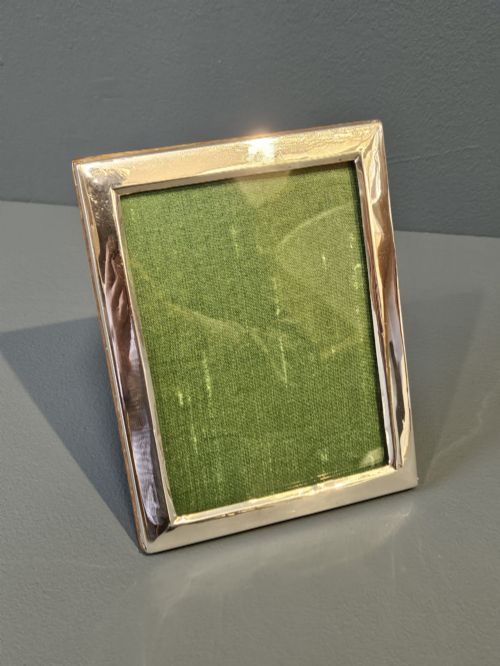
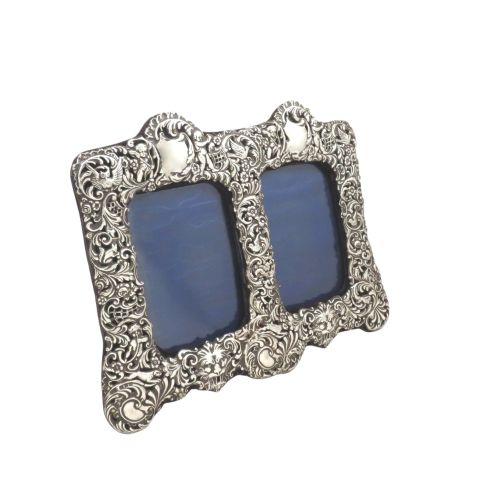
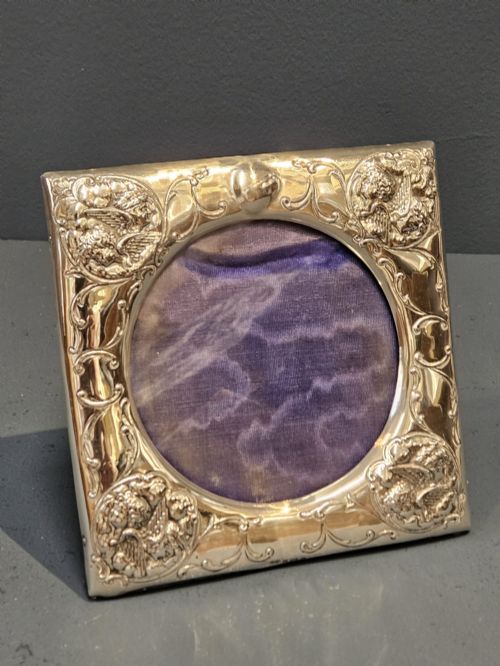
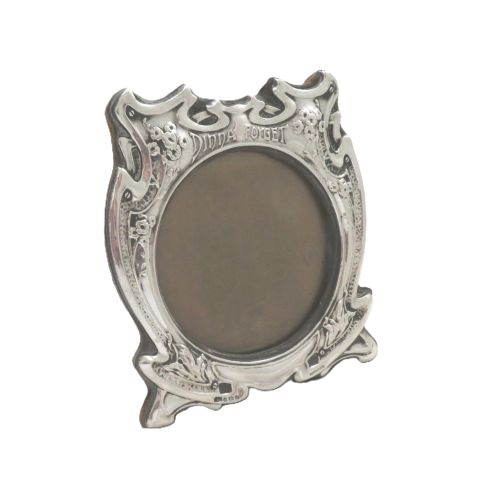
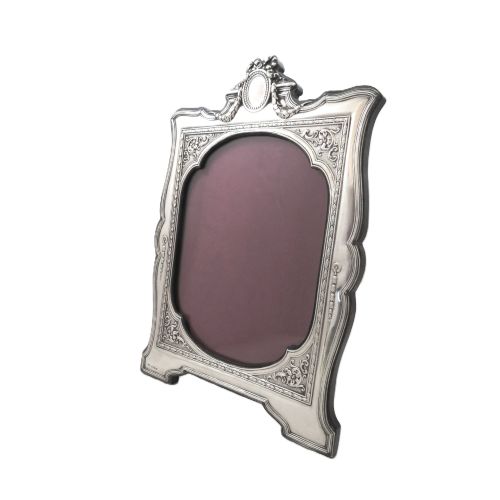
These framed portrait photograph pieces capture likenesses and memories preserved in sterling silver, wood and glass from the Victorian era to the mid-twentieth century.
Framed Portrait Photograph
A framed portrait photograph brings together historical imagery and protective display housing, ranging from individual portrait cards to royal signatures. When searching this phrase, a buyer encounters everything from delicate paper prints behind glass to substantial metal picture frames holding contemporary subjects.
The objects span from late nineteenth century Victorian pieces through Edwardian and George V periods up to Art Deco and mid-century examples. Most items on this page combine sterling silver or plated metal frames with original photographic contents, paper prints, or card mounts.
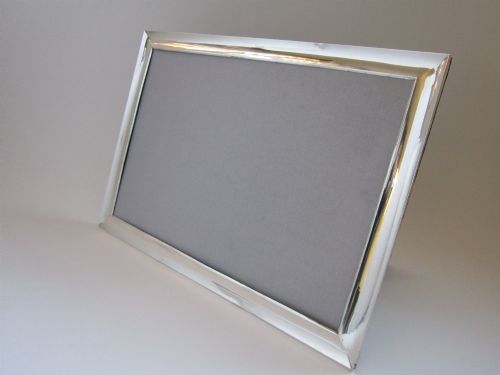
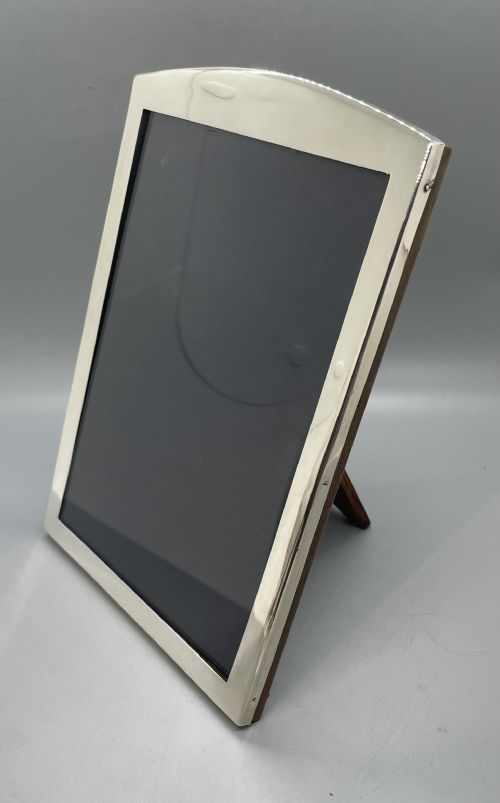
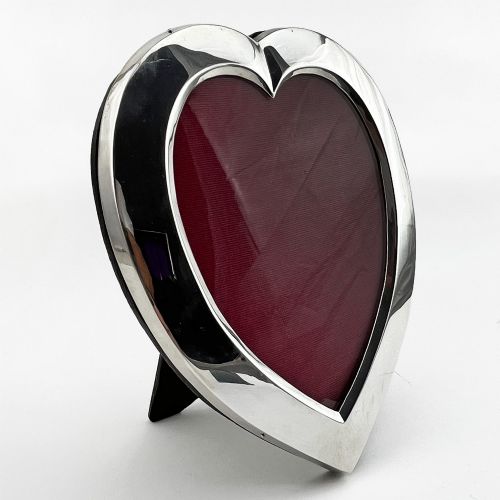
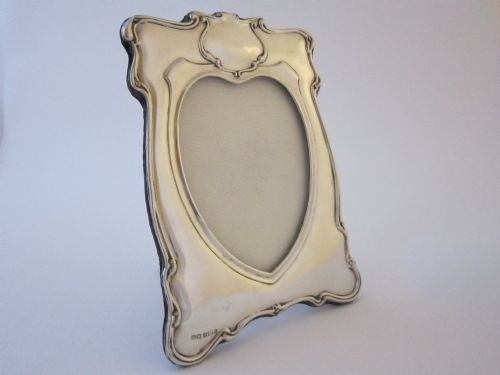
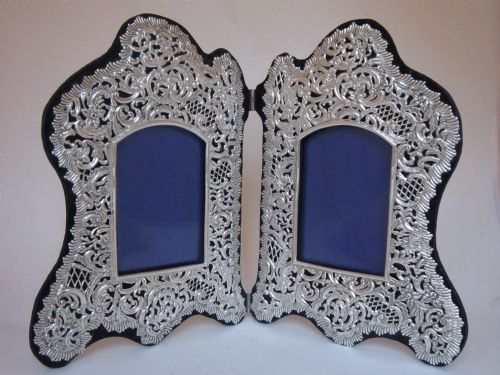
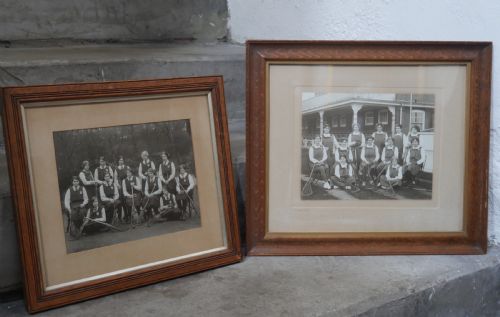
Formats vary significantly, encompassing single upright displays, double hinged frames, heart shapes, and wall-hung wooden picture frames. Makers utilised materials such as velvet backing, brass, and ebonised wood to complement the photographic portraits housed inside.
How they were made
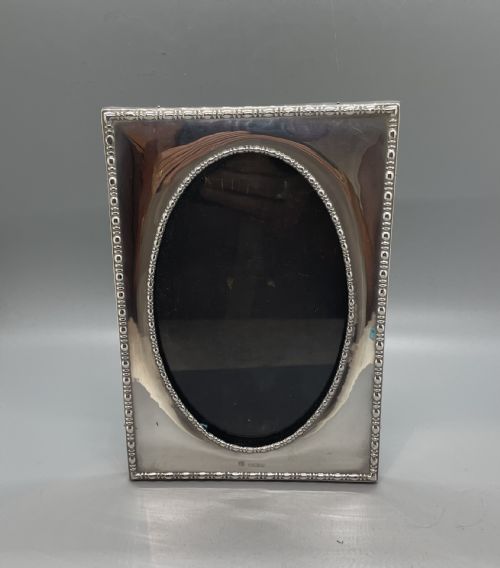
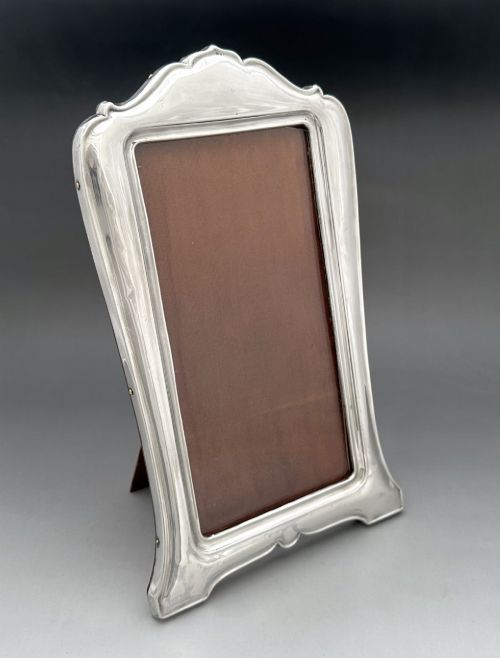
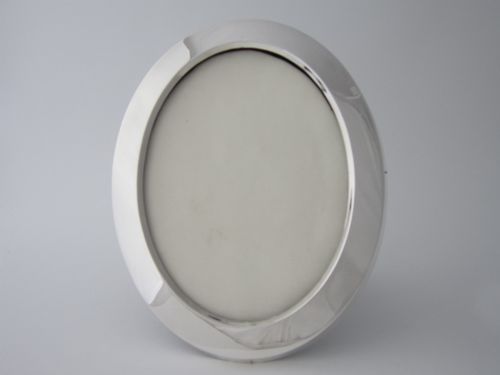
Silversmiths constructed the metal mounts using sterling silver, often adding decorative elements through embossing, engine-turning, or Art Nouveau motifs. These frames frequently relied on sturdy wooden or velvet backs to support the glass front and keep the photograph secure.
Photographic elements involved early techniques such as carte de visite formats, mixed media prints, and framed paper portraits mounted on card. Makers combined these images with brass, ormolu, and nickel-plated silver to create lasting table and wall displays.
Listings span the Victorian, Edwardian, George V, and Art Deco periods, utilising sterling silver, glass, wood, velvet, and brass.
What varies in quality
Quality in a framed portrait photograph rests on the craftsmanship of the metalwork and the originality of the assembly. Pieces featuring solid sterling silver by known makers stand apart from simpler silver-plated or base metal alternatives.
The integration of the frame with its photograph influences the overall character. Surviving examples that retain their original glass, backing materials, and period portraits demonstrate higher integrity than those altered or later separated from their original context.
William Comyns·Syner & Beddoes·Boin Taburet·Hardy Brothers·Aspreys·Pinci, Roma·Hof Atelier Pietzner
The Framed Portrait Photograph Glossary
- Sterling silver
- An alloy containing ninety-two point five percent silver by mass, widely utilised for the heavy picture frames on this page. It provides durability and a distinct lustre.
- Carte de visite
- A type of small paper photograph mounted on card that became popular during the nineteenth century. These items fit neatly into table top display boxes and early double frames.
- Engine-turned
- A decorative technique involving precise geometric patterns mechanically engraved into metal surfaces. This finish appears frequently on Edwardian and George V silver frames.
- Ormolu
- A metallic application mimicking gold, used to embellish decorative mounts and picture frames. It adds a warm metallic tone distinct from silver.
- Velvet
- A woven tufted fabric utilised on the reverse of many period picture frames to protect surfaces and hold the backboard securely in place.
Framed Portrait Photograph: Frequently Asked Questions
How do I date a silver photo frame?
Dating relies on British hallmarks stamped onto the sterling silver mounts, which indicate the assay office and year of manufacture.
Style indicators such as Edwardian embossed motifs or Art Deco geometric lines also help place the object within a specific decade.
Can I replace the photograph inside?
Most frames feature removable wooden or velvet backs held by pins or clips, allowing access to the interior.
Care should be taken with antique frames to avoid damaging fragile old glass or original card mounts when opening them.
Were these designed for tables or walls?
Makers produced both tabletop display versions with folding struts and wall-hung picture frames for domestic spaces.
Many silver and ormolu examples were intended specifically for desks, mantelpieces, or table top display boxes.
What care do antique silver frames need?
Silver frames benefit from gentle dusting and occasional careful cleaning with a soft cloth to preserve the metal finish.
Harsh chemical polishes should be avoided, particularly near delicate velvet backings, card mounts, and historical paper photographs.