
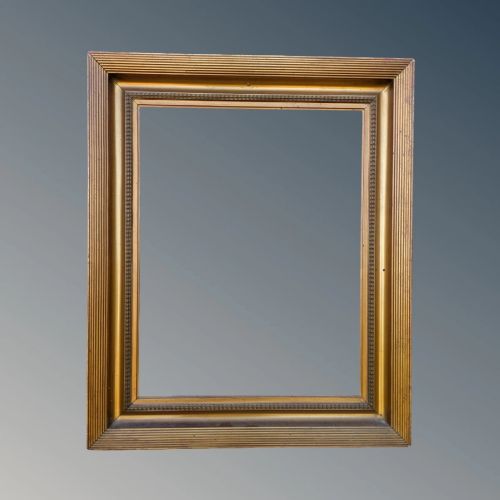
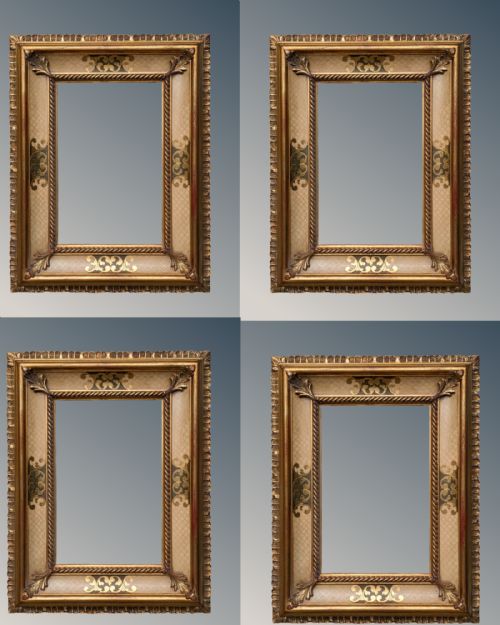
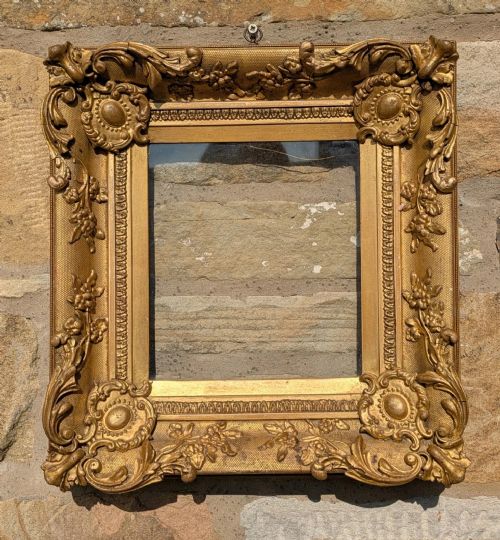
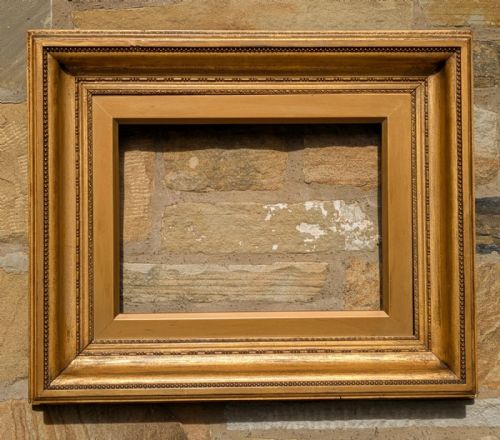




Gilded Wood Photo Frame
A gilded wood photo frame brings warmth and deep metallic reflection to a room, holding cherished portraits with historical presence.
Gilded Wood Photo Frame
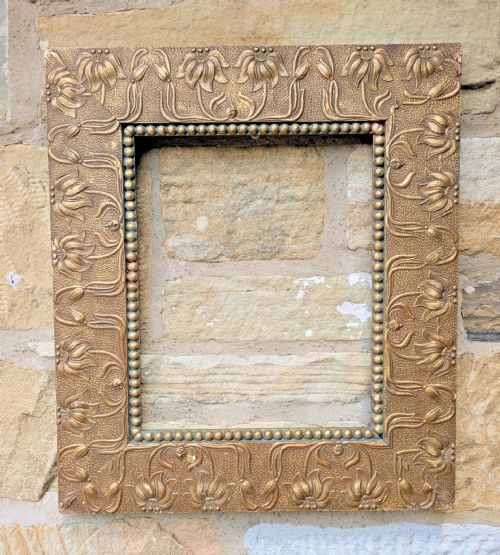
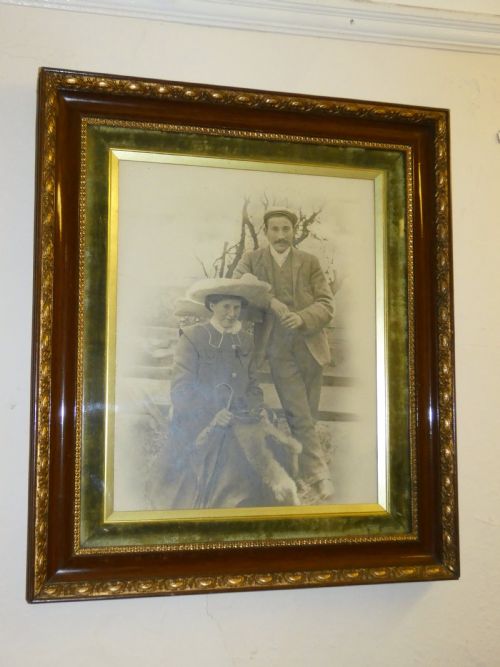
A gilded wood photo frame is an ornamental enclosure designed to display and protect photographic portraits or artworks. When you search for this phrase, you encounter items ranging from small Edwardian six-fold table displays to deep Victorian wall pieces and grand Italian Baroque carvings. The examples available here span multiple centuries, touching upon the seventeenth, eighteenth, and nineteenth centuries alongside Edwardian and later twentieth-century interpretations.
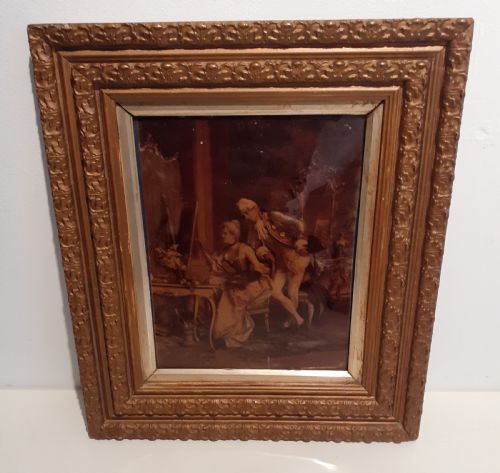
The dominant forms on this page include single picture frames, paired items, and larger groupings such as sets of four Italian gilt frames. You will also find photographic displays where the original image, such as a Victorian or Edwardian crystoleum, remains preserved inside the moulding. Origins stretch across British workshops and continental European centres, particularly Italy, where carvers specialised in rich baroque and renaissance revival motifs.
Materials and construction
Makers constructed these pieces using solid timber or wood foundations, upon which they applied layers of gesso to create a smooth, responsive surface for ornamentation. Artisans then built up relief decoration through hand carving directly into the timber or by moulding composition ornaments and applying them to the wooden substrate.
Gold leaf or gilt finish was subsequently applied over a preparation bole, often burnished to achieve a high sheen or left with a softer matte appearance. Glass panes protected the imagery within, whilst original paper backings and easel backs or hanging loops completed the assembly.
The current selection spans materials including gesso, gold leaf, timber, and composition across seven distinct historical periods.
Assessing quality and craftsmanship
Quality in these pieces rests primarily upon the depth and dexterity of the surface work, distinguishing hand-carved wooden relief from simpler pressed composition mouldings. Superior examples exhibit crisp detail in the gesso and gold leaf application, showing deliberate tool marks and nuanced ageing rather than flat, uniform factory finishes.
The integrity of the underlying timber structure and the preservation of the original gilt surface dictate the standing of a piece within the range. Heavier, deeper frames with substantial moulding profiles and sophisticated stylistic vocabulary, such as Italian Baroque or Art Nouveau curves, command greater presence than modest domestic variants.
The Gilded Wood Photo Frame Glossary
- Giltwood
- Timber that has been coated with gold leaf or a gold-coloured metallic finish. This material forms the primary visual identity of antique display frames.
- Gesso
- A plaster-like mixture applied to wood frames to create a smooth surface for gilding and low-relief carving. It allows artisans to shape intricate ornamental details.
- Composition
- A moulded mixture of whiting, resin, linseed oil and glue used to form decorative ornaments on frames. It provides an alternative to carving solid wood directly.
- Crystoleum
- A Victorian and Edwardian method of applying a hand-coloured photograph to glass and backing it with convex glass. These delicate images frequently appear housed in period gilt frames.
- Rococo Revival
- A nineteenth-century design style characterised by asymmetrical scrolls, shell motifs and naturalistic curves. It draws inspiration from eighteenth-century continental decorative arts.
Gilded Wood Photo Frame: Frequently Asked Questions
How do I date an old frame?
Dating relies on examining the assembly methods, timber types, and the specific composition materials visible on the reverse or beneath the gilding. Stylistic cues such as Art Nouveau whiplash lines or heavy Victorian mouldings also point directly to specific decades.
Closer inspection of any backing paper, fixings, or accompanying historical photographs helps narrow down the period of manufacture. Comparing the decorative motifs against documented revival periods clarifies whether a piece originates from the nineteenth century or earlier.
Can I polish gilded wood?
Polishing gilded wood with modern commercial cleaners or abrasive agents destroys the delicate gold leaf and historical surface patina. Gentle dusting with a dry, soft brush is the only recommended maintenance.
Keep these items away from direct sunlight and damp environments to prevent the gesso from cracking and the timber substrate from warping. Professional conservation is advised if the gold leaf begins to flake.
Were these always meant for photographs?
Many frames originated as enclosures for oil paintings, mirrors, or works on paper before being adapted for photographic use in the Victorian and Edwardian eras. The invention of photography in the nineteenth century prompted makers to produce smaller table and wall formats specifically for portraits.
Multi-fold frames, such as six-fold table pieces, emerged specifically to accommodate the rise of personal cabinet cards and family photographs. The internal rebates of older frames were frequently modified to hold glass and modern photographic prints securely.
How do I hang a heavy frame?
Heavy Victorian and Italian gilt frames require robust picture hooks secured directly into wall studs or appropriate masonry fixings. Relying on standard plasterboard plugs is insufficient for substantial timber and gesso weights.
Ensure that the original hanging rings or wire on the reverse of the frame are structurally sound before mounting. Consulting a professional framer for updated D-rings and braided steel wire provides additional security for valuable pieces.