


Dark Oak Portrait Frame
A dark oak portrait frame holds centuries of likenesses, bringing substantial timber character and historic depth to any wall.
Dark Oak Portrait Frame
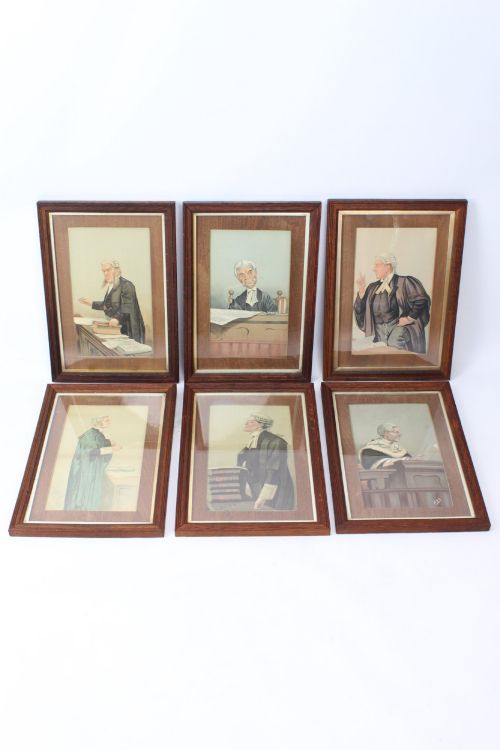
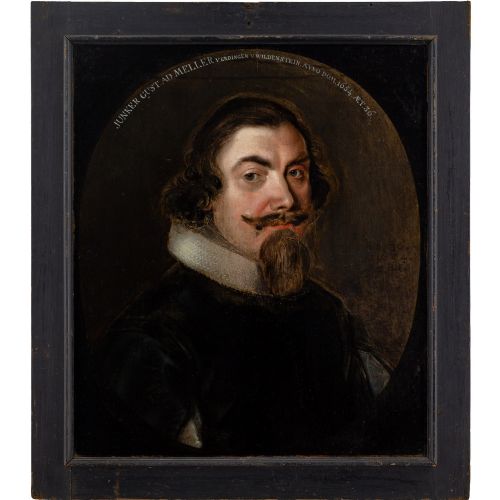
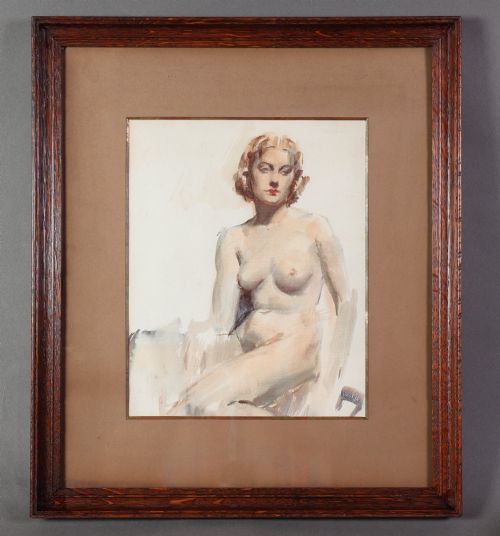
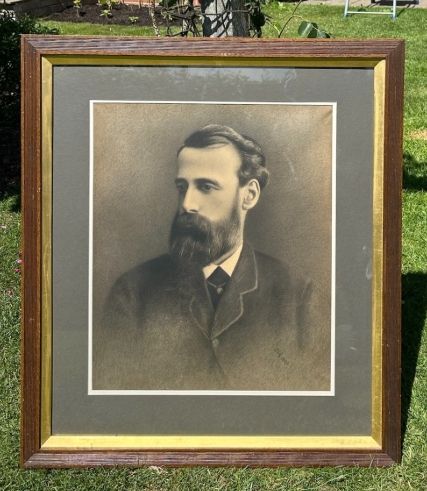
When searching for a dark oak portrait frame, buyers encounter pieces spanning multiple eras, from the seventeenth century through the Edwardian period and into the mid-twentieth century. These items encompass oil paintings, watercolours, photographs, engravings, and drawings contained within robust wooden surrounds.
The selections on this page demonstrate the enduring popularity of oak framing for portraiture across different centuries. Collectors find works depicting gentlemen, military figures, royalty, and anonymous subjects housed in these sturdy wooden borders.
Materials and construction
Makers utilised solid oak and carved wood to build these surrounds, frequently incorporating glass to protect the paper, canvas, or ink artwork within. Gilt wood details occasionally appear alongside the dark timber to highlight specific decorative elements.
Artisans applied various techniques depending on the period, ranging from nineteenth-century naive portraiture and charcoal pencil drawings to seventeenth-century oils and early twentieth-century drypoint etchings. The combination of heavy oak framing and traditional media creates a distinct historical presence.
Current listings feature materials including glass, paper, oak, wood, canvas, ink, gilt wood, and carved wood across multiple centuries.
Judging quality in frames and portraits
The distinction between standard pieces and finer examples rests upon the depth of the wood carving, the condition of the oak, and the skill evident in the enclosed artwork. Earlier items from the seventeenth century display distinct joinery and timber grain compared to later Victorian or Edwardian interpretations.
Provenance and documentation also influence the standing of a piece, as seen in works annotated with dates and histories on the rear. The harmony between the dark timber moulding and the character of the portrait dictates the overall success of the object.
The Dark Oak Portrait Frame Glossary
- Drypoint etching
- A printmaking process where an image is scratched directly onto a metal plate with a sharp needle. This technique creates velvety lines and distinct burrs on the printed paper.
- Naive portrait
- A painting or drawing created by an artist without formal academic training. These works often feature charming perspective quirks and direct character observation.
- Gilt wood
- Timber surfaces covered with a thin layer of gold leaf or metallic gilt. This finish adds brightness and contrast when paired with darker woods like oak.
- Oil painting
- Pigments bound with a medium of drying oil applied to canvas or wood panels. This traditional medium allows for rich colour depth and subtle blending.
Dark Oak Portrait Frame: Frequently Asked Questions
What periods do these frames and portraits date from?
The pieces span several centuries, including seventeenth-century works, nineteenth-century examples, and early twentieth-century Edwardian items.
This broad chronological range allows collectors to select pieces that align with specific historical aesthetics and interior design preferences.
What types of artwork appear inside these oak frames?
Listings feature oil paintings, watercolours, charcoal pencil drawings, historic engravings, and drypoint etchings.
Subjects range from named historical figures and racehorses to anonymous gentlemen, husband and wife pairs, and framed photographs.
How do I care for antique oak frames and art?
Keep wooden frames and enclosed artwork away from direct sunlight and excessive moisture to protect the timber and paper.
Dust the oak gently with a dry cloth and avoid harsh chemical cleaners on both the wood and the glass.
Are the histories of the portrait subjects usually known?
Some portraits include specific identifications, such as named historical figures, while others represent anonymous subjects.
Certain nineteenth-century pieces feature annotations to the rear detailing dates and the history of the individuals depicted.