


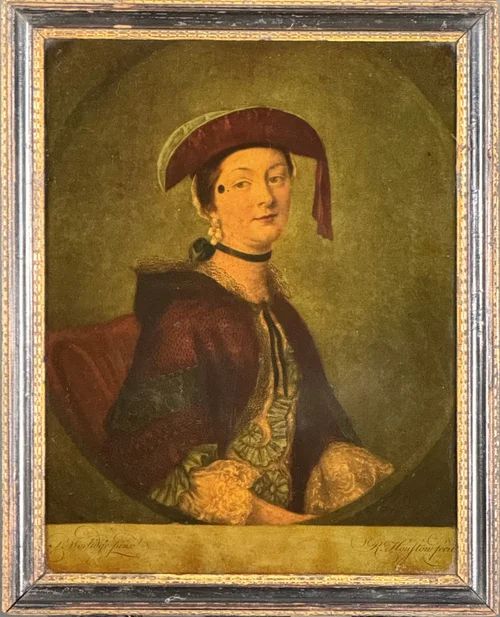
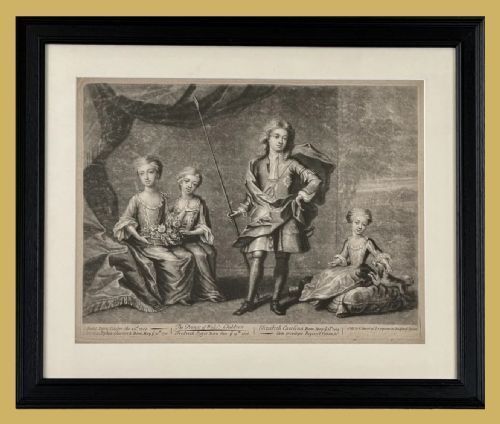
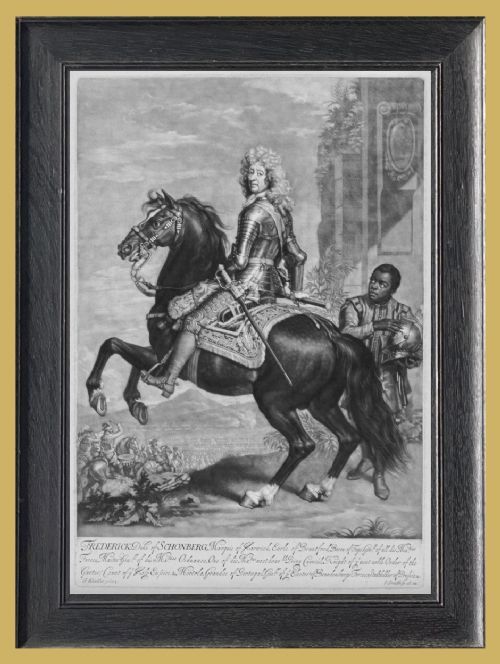
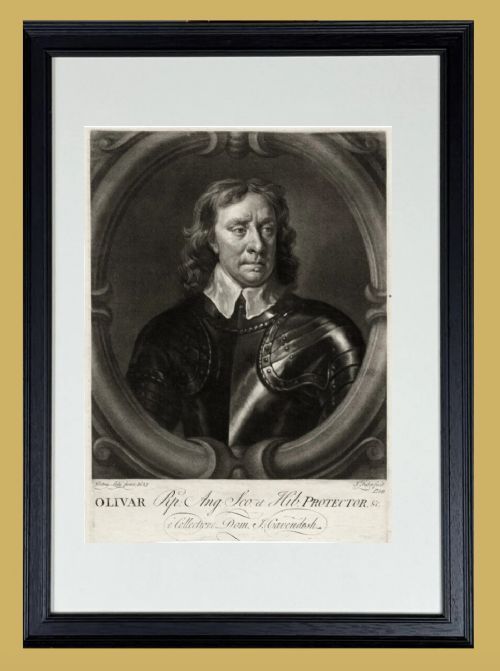
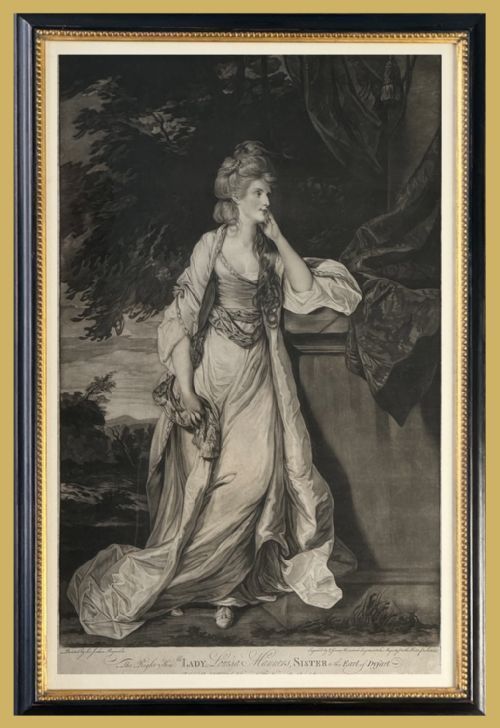
Framed Mezzotint Portrait
A framed mezzotint portrait brings seventeenth and eighteenth-century faces into a room through rich tonal depth and historic ink on paper.
Framed Mezzotint Portrait
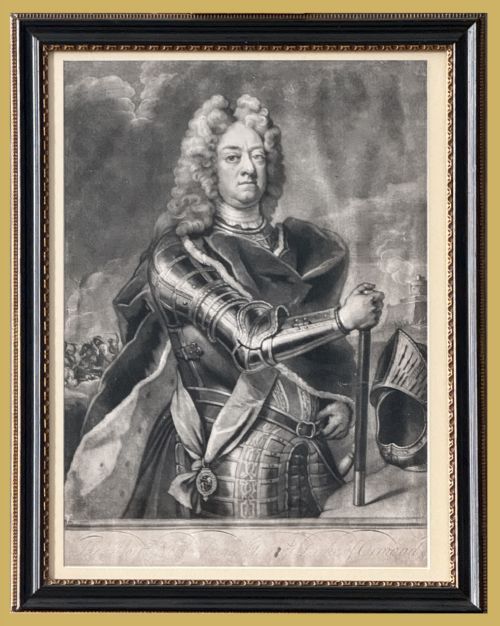
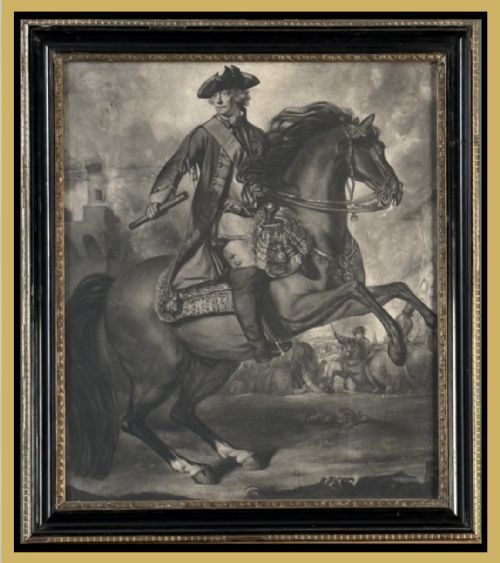
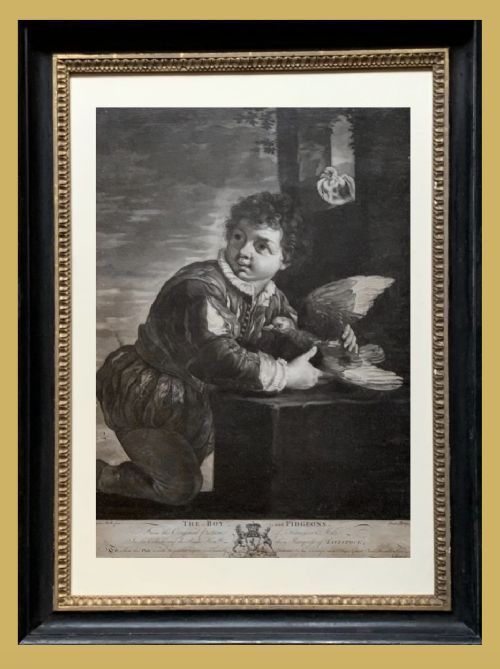
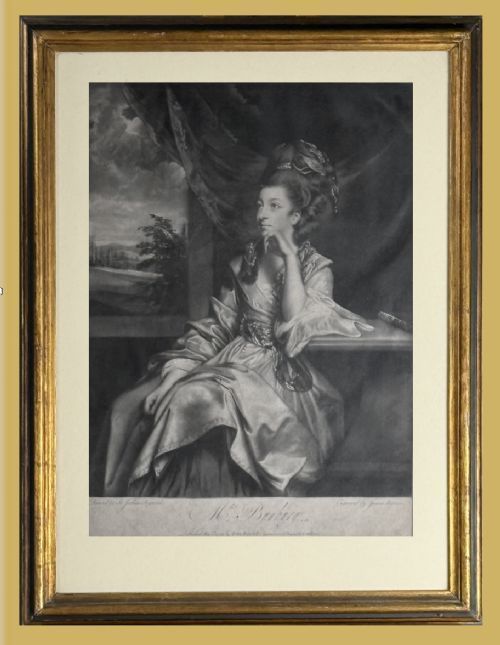
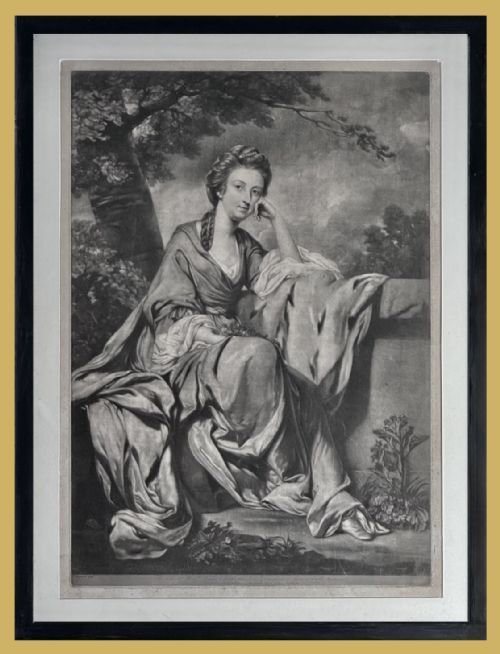
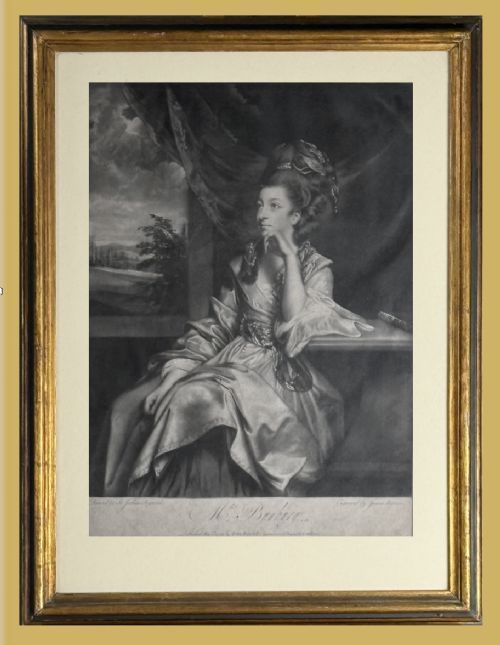
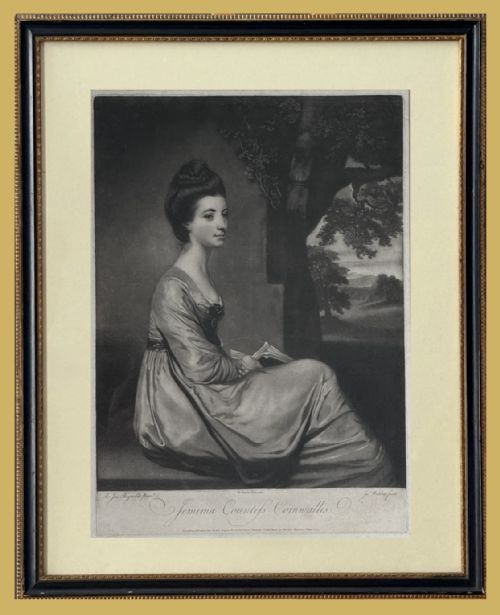
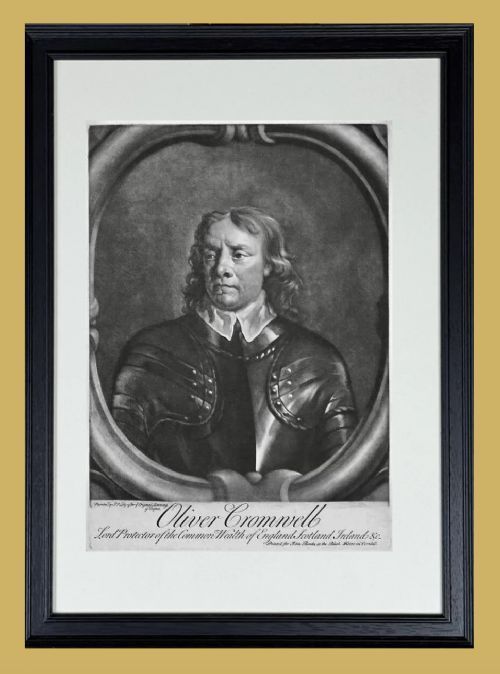
A framed mezzotint portrait captures aristocratic sitters, royals, and historical figures translated from painted oils into inked copper plates. These works span the seventeenth, eighteenth, and nineteenth centuries, reflecting the periods of British printmaking dominance.
The primary forms on this page include individual plates, pairs, and reverse painted variants housed in period timber frames. Collectors encounter works originating from workshops operating under master engravers and publishers across London.
Subjects range from noblewomen and military commanders to royal children, often executed after original paintings by prominent artists such as Sir Joshua Reynolds and Sir Peter Lely. Each piece preserves a distinct record of historical portraiture within glass and wood.
How They Were Made
Makers prepared copper plates by roughening the entire surface with a rocker to create a burr that held ink for deep black tones. They then scraped and burnished areas back down to lighter shades to form the gradations of the portrait.
Printers transferred the inked image onto paper using a rolling press, occasionally executing variants behind glass with oil paint for luminous reverse compositions. Finished sheets were secured in wooden frames, frequently finished with gold leaf or giltwood mouldings.
Listings feature paper, glass, wood, ink, gold leaf, oil paint, giltwood, and gilt.
What Varies in Quality
The depth of the burr on the copper plate dictates the richness of the dark velvety tones across the image. Early impressions retain sharp contrasts and subtle half-tints that wear down over successive printings.
The integrity of the original frame and the clarity of the paper support contribute significantly to the visual presence of the work. Skilled scraping during the engraving process produces more lifelike flesh tones and drapery textures.
John Simon·Edward Fisher·John Boydell·James Watson·John Smith·Charles Spooner·Joseph Sympson·Valentine Green·Jiohan Elis Haid·W Dickinson·John Faber Snr·Purcell·James McArdell·Thomas Frye·Richard Purcell·Thomas Watson·John Faber Jr·Robert Williams·James Ward·Sydney Wilson
The Framed Mezzotint Portrait Glossary
- Mezzotint
- A printmaking process where a copper plate is roughened and scraped to produce rich tonal gradations instead of simple lines. This technique allows for subtle shadows and luminous highlights.
- Rocking tool
- A curved, serrated metal blade used by engravers to pit the copper plate uniformly. The resulting texture traps ink to create deep black areas.
- Burnisher
- A smooth steel tool used to flatten the roughened copper burr. This lightens specific areas of the plate to generate highlights in the printed portrait.
- Reverse painting
- An artistic method where paint is applied directly to the back of a piece of glass to be viewed from the front. This process is sometimes combined with mezzotint prints for decorative effect.
- Artist proof
- An early impression printed before the main edition to allow the creator to check the state of the plate. These examples often show exceptional crispness in detail.
Framed Mezzotint Portrait: Frequently Asked Questions
What is a mezzotint portrait?
A mezzotint portrait is an intaglio print created by roughening a copper plate to hold ink, producing rich tones and soft shadows. Engravers used this method to reproduce famous oil paintings by artists like Sir Joshua Reynolds.
The technique relies on scraping the metal plate rather than cutting lines into it. This allows for smooth transitions between light and dark areas, giving the faces a lifelike quality.
How should I hang these prints?
Display these works away from direct sunlight to protect the paper and ink from fading over time. Maintaining stable indoor humidity prevents warping in the antique wooden frames.
Grouping pairs or matching subjects can create a balanced gallery wall arrangement. Ensure the hanging hardware securely supports the weight of the timber and glass.
How do I identify the period?
Examine the style of the timber frame, the typography of the lettering beneath the image, and the paper characteristics. Seventeenth and eighteenth-century examples often feature laid paper with visible watermarks.
Reference markers like sitter dates and painter attributions inscribed on the print provide clues to its era of production. Costume details and hairstyles also help date the portrait accurately.
Why are some reverse painted?
Reverse painted mezzotints involve applying pigments directly onto the reverse of the glass to achieve a glossy, luminous finish. Artisans popularised this decorative technique during the eighteenth century for specialised wall displays.
This method protects the paper print from atmospheric dust while adding depth to the sitter's garments. Such pieces require careful handling to preserve the delicate paint layer behind the glass.