

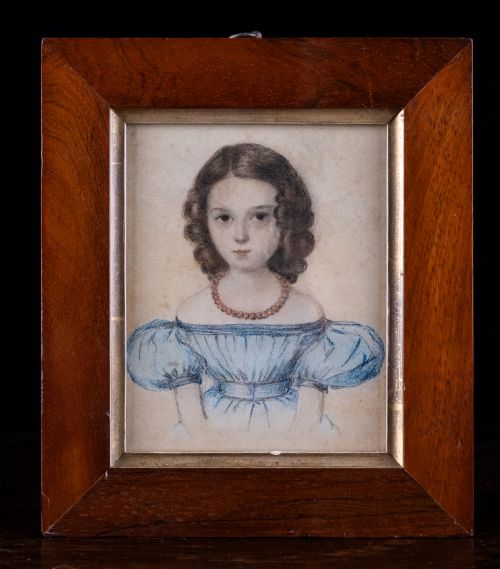
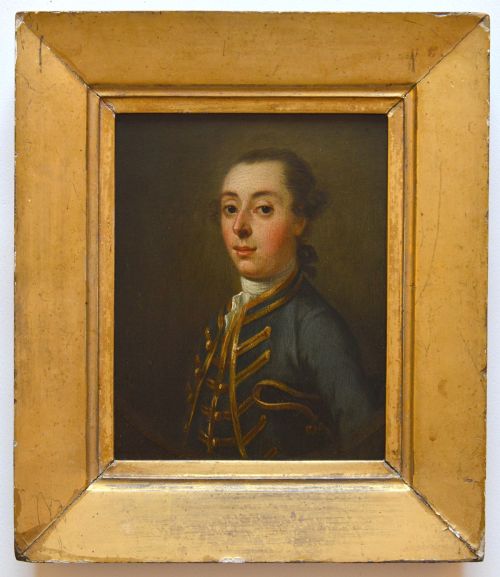
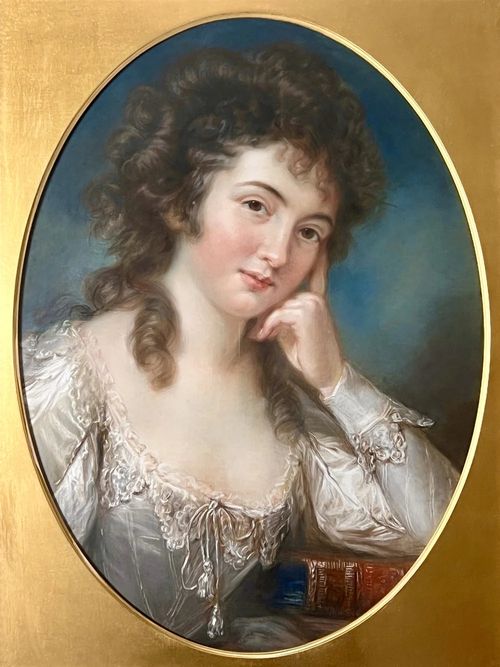
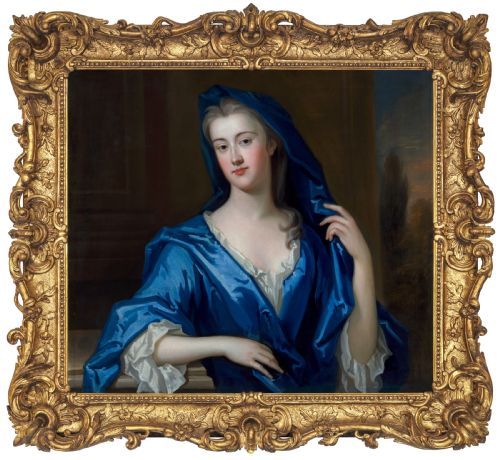
Blue Portrait Framed Art
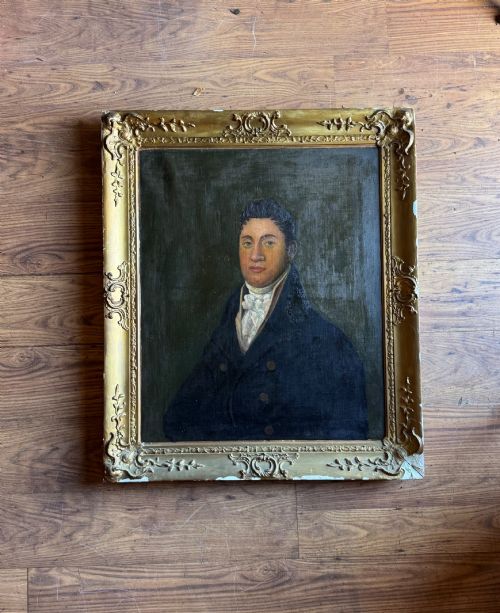
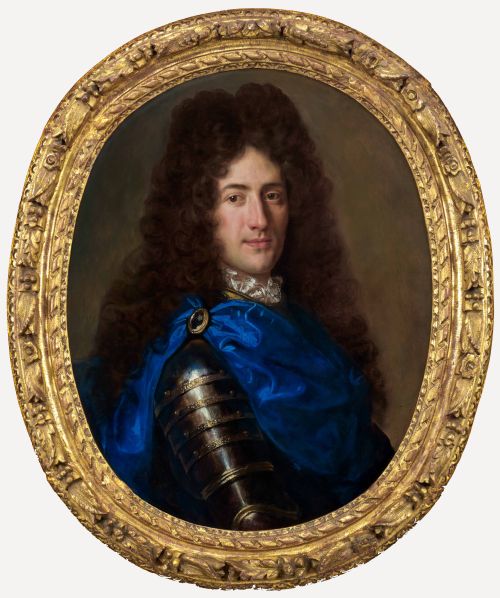
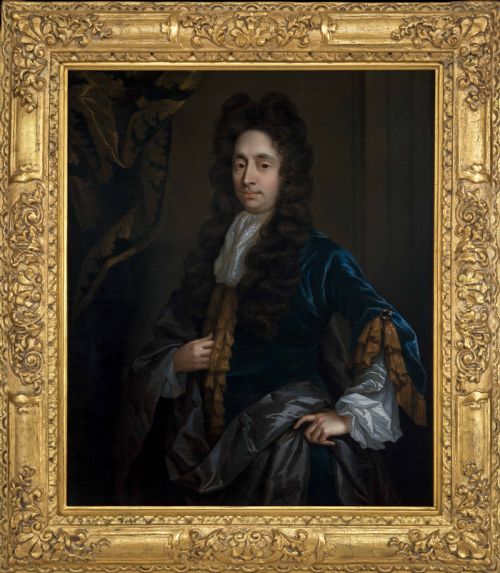
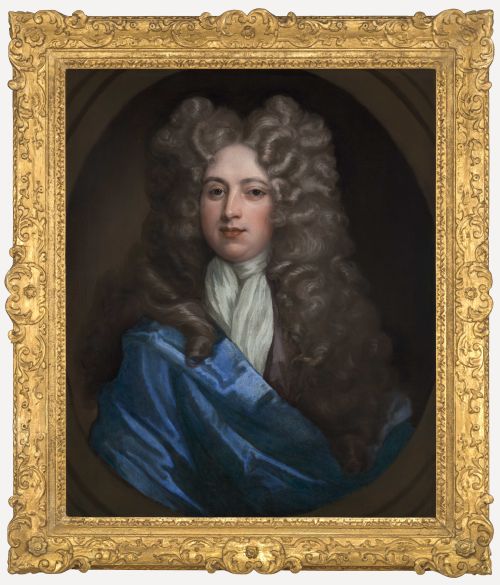
Blue portrait framed art comprises historic painted likenesses set within decorative borders, capturing centuries of character through pigments and canvas.
Blue Portrait Framed Art
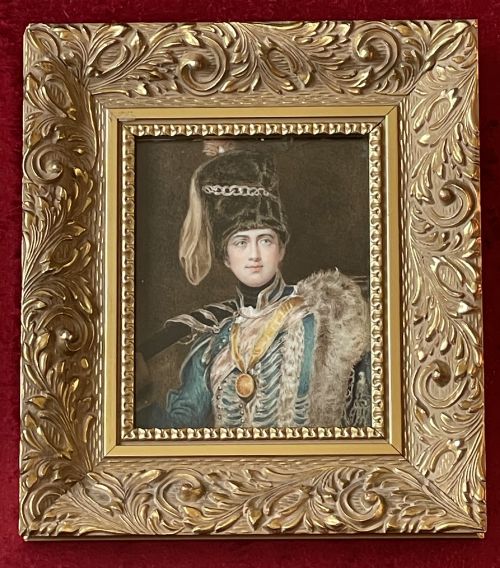
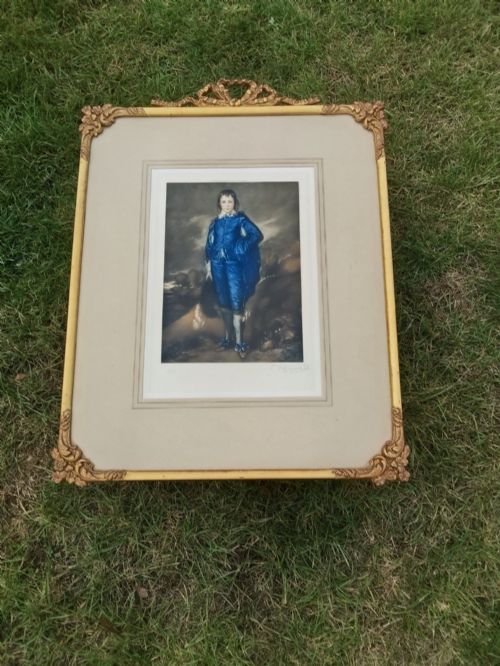
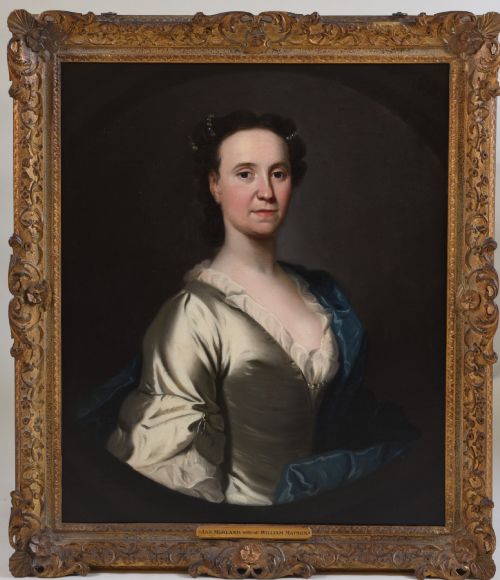
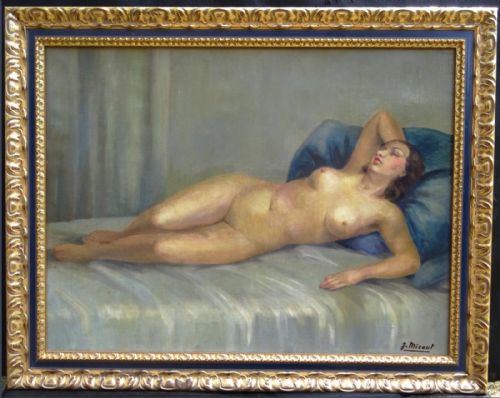
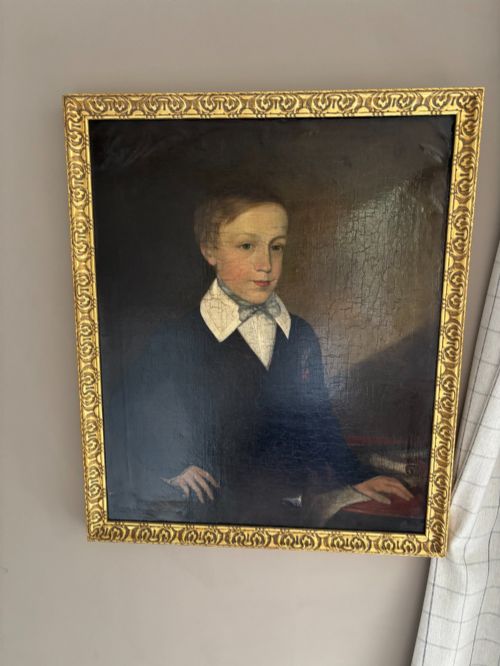
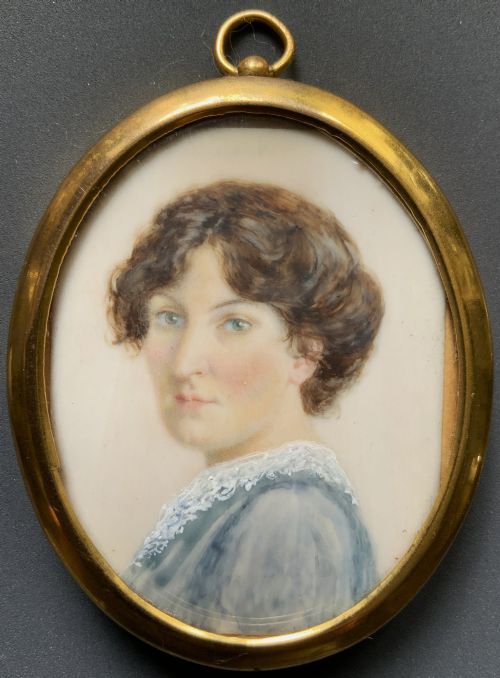
The selection encompasses diverse formats including full oil on canvas paintings, delicate miniature watercolours on ivory, and artist proofs after Gainsborough. Works span the seventeenth, eighteenth, and nineteenth centuries, alongside Edwardian and later interpretations.
What separates works within this range
The fidelity of the facial rendering and the anatomical precision of the hands and drapery dictate the standing of a portrait. Superior examples exhibit subtle tonal gradations in the blue pigments and confident brushwork that brings the subject to life.
The integrity of the original support, whether canvas, panel, or paper, influences the piece, alongside the preservation of the accompanying period frame. Works attributed to recognised historic circles or documented artists demonstrate superior execution compared to anonymous school pieces.
Blue Portrait Framed Art Retail Price Guide 2026
Typical asking prices for blue portrait framed art among the pieces listed under this phrase on Sellingantiques today, from the lower quarter to the upper quarter. They describe what is for sale here now, not the wider market.
Materials documented across the collection include giltwood frames, glass, paper, wood, and canvas.
Joseph Highmore·Benedetto Luti·Francis Lindo·John Russell·Charles Jervas·Michael Dahl·Thomas Murray·Constantyn Netscher·Henry Pickering·Francois Boucher·Jeremiah Davison·Pieter Borsseler·Lemuel Francis Abbott
The Blue Portrait Framed Art Glossary
- Oil on canvas
- A painting medium where pigments are suspended in drying oils and applied to a woven fabric stretched across a wooden frame. This technique allowed artists to achieve rich colours and subtle blending.
- Giltwood
- Wood that has been coated with a thin layer of gold leaf or powder. It provides a luminous, decorative border for historic frames.
- Pastel
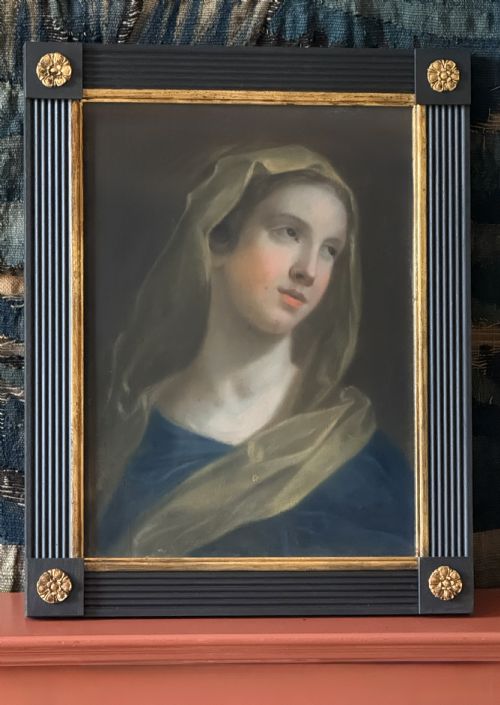
- A dry painting medium consisting of powdered pigment and a binder rolled into a stick. It permits soft, velvety textures often seen in eighteenth-century works.
- Watercolour
- A painting method where paints are made of pigments suspended in a water-based solution. It is frequently utilised for delicate portrait miniatures on paper or ivory.
- Portrait miniature
- A small, highly detailed painting designed for intimate viewing. These works often capture likenesses with extraordinary precision on small surfaces.
Blue Portrait Framed Art: Frequently Asked Questions
What periods do these blue portraits represent?
The inventory spans several centuries, starting from the seventeenth century with works depicting noblewomen and gentlemen in azure cloaks. Later pieces extend through the eighteenth-century Georgian era, Regency period, and into Edwardian times.
Each era brings distinct clothing styles, such as periwigs and armour in early works compared to later soft ribbons and silk dresses.
How should I hang framed art securely?
Historic frames require robust picture hooks and wire matched to the weight of the timber and canvas. Ensure the fixing engages directly with wall studs or appropriate masonry anchors.
Keep these artworks away from direct sunlight and damp environments to protect the fragile pigments and wooden frames from degradation.
What is the difference between oil and pastel portraits?
Oil portraits utilise paint bound in oil on canvas or panel, offering deep colour saturation and durable surfaces that have survived centuries. Pastels use dry pigment sticks on paper, creating a soft, matt finish that requires protective glass.
Pastel works demand careful handling to prevent the powdery medium from shifting behind the frame.