




Classic Portrait Print Framed
A classic portrait print framed brings centuries of character into a room, offering historic likenesses ready to hang.
Classic Portrait Print Framed
A classic portrait print framed brings historic likenesses and character into a room, spanning periods from the eighteenth century to the mid-twentieth century. When searching for a classic portrait print framed, buyers encounter subjects ranging from aristocratic children to cultural figures and anonymous sitters.
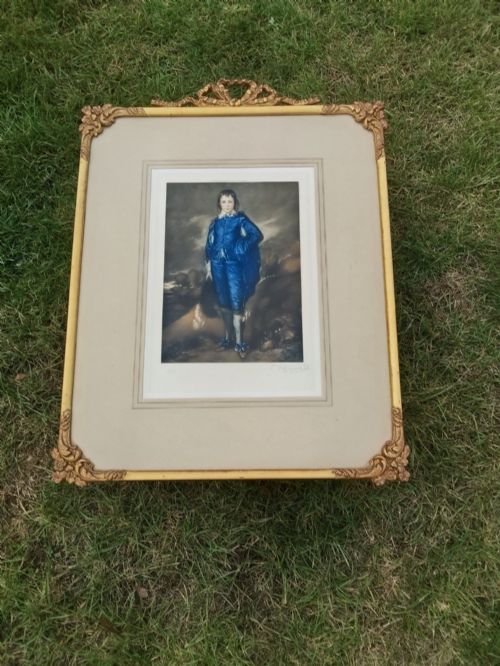
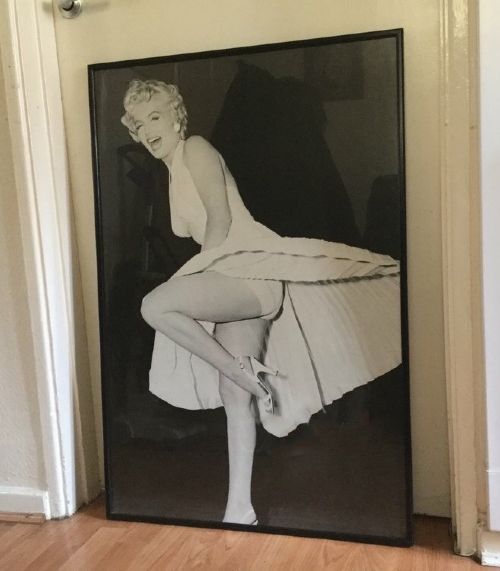
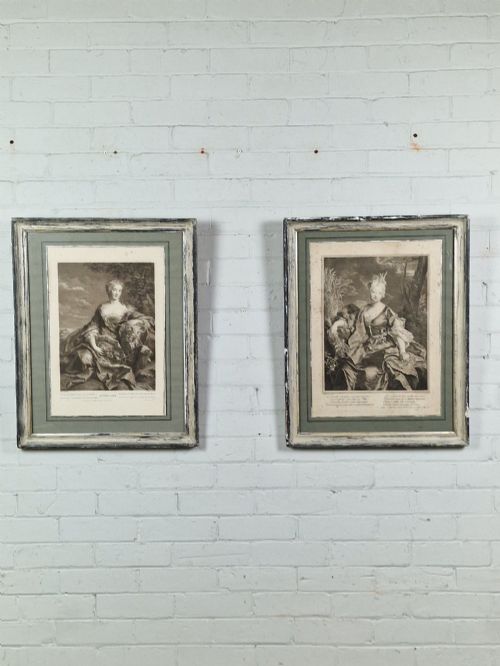
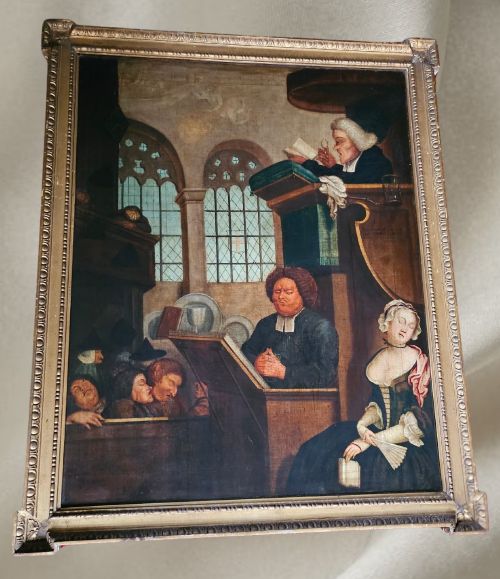
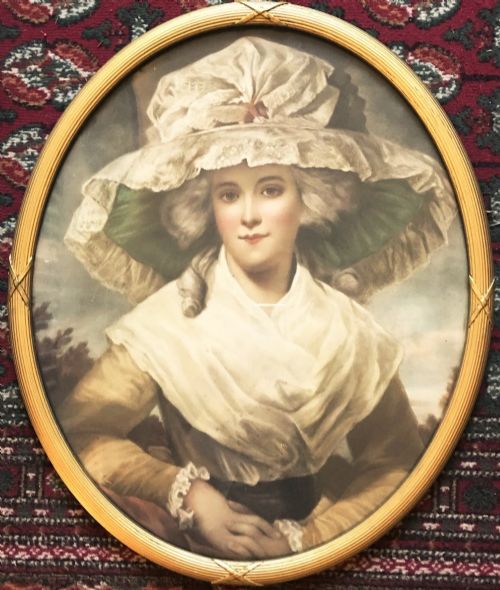
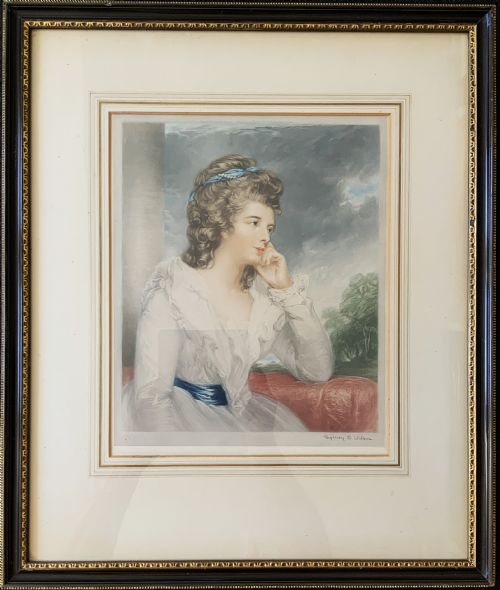
The selection here encompasses various interpretations, including artist proof mezzotint engravings, photographic enlargements on board, and oval glazed prints after original oil paintings. These works capture likenesses through diverse printmaking methods rather than exclusively original paint on canvas.
Originating across the nineteenth and twentieth centuries, with nods to Georgian and Victorian eras, these framed depictions bridge historical portraiture and accessible wall art. Each piece relies on its presentation within wood, giltwood, or gold leaf frames to complete the domestic display.
Materials and construction
Paper forms the primary medium for the printed image, often supported by cardboard or mounted on board in later twentieth-century iterations. Glazing protects the surface of paper prints, while wooden frames finished with gilt or gold leaf provide structural support and decorative framing.
Techniques range from traditional engraving and mezzotint printmaking by artists such as Sydney Wilson to photographic enlargement processes seen in mid-century examples. Framing methods utilise timber mouldings finished with traditional gilding techniques to house the paper or board securely.
Classic Portrait Print Framed Retail Price Guide 2026
Typical asking prices for classic portrait print framed among the pieces listed under this phrase on Sellingantiques today, from the lower quarter to the upper quarter. They describe what is for sale here now, not the wider market.
Assessing quality in framed portraits
Quality rests in the precision of the printmaking technique, distinguishing fine artist proof engravings from standard photographic reproductions. The fidelity of the image transfer and the subtlety of tonal gradations reveal the underlying skill of the printmaker.
The construction and finish of the frame contribute significantly to the overall merit of the piece. Hand-gilt wooden mouldings and period glass demonstrate superior craftsmanship compared to later, simpler replacements.
The Classic Portrait Print Framed Glossary
- Artist proof
- A trial print pulled to allow the artist to check the state of the plate before the main edition is printed. These impressions typically command greater interest from collectors due to their direct association with the printmaker.
- Mezzotint
- A printmaking process of the intaglio family where the plate is roughened evenly and then scraped to produce tones. This technique allows for rich darks and subtle gradations of light, frequently utilised for portraiture.
- Giltwood
- Timber that has been coated with gold leaf or a gold-coloured finish. It provides a reflective, ornate border that enhances the visual weight of framed artworks.
- Glazed
- Fitted with a protective sheet of glass over the face of the artwork. This preserves paper prints from dust and environmental degradation.
Classic Portrait Print Framed: Frequently Asked Questions
What periods do these portraits represent?
The selection spans from the eighteenth century through the Victorian and Edwardian eras up to the mid-twentieth century.
Pieces reflect the aesthetic preferences of their respective decades, incorporating Georgian revivals and mid-century modern interpretations alongside genuine period works.
How are these portraits framed?
Frames typically consist of wood, often finished with gilt, gold leaf, or giltwood, enclosing glazed paper or card.
Many retain their period housing, which provides structural integrity and complements the visual style of the enclosed print.
Are these original paintings?
The items listed are primarily prints, engravings, artist proofs, or photographic board mounts rather than unique oil paintings.
Several pieces are reproductions or engraved interpretations after original works by notable artists, making historical imagery accessible.
How should I hang a framed portrait?
Ensure the wall fixings are suitable for the weight of the wooden and glass frame to secure the piece safely.
Position the portrait at eye level in a location protected from direct sunlight to preserve the paper and gilt surfaces over time.