




Framed Maritime Painting
A framed maritime painting brings the movement and weather of open water directly into a room.
Framed Maritime Painting
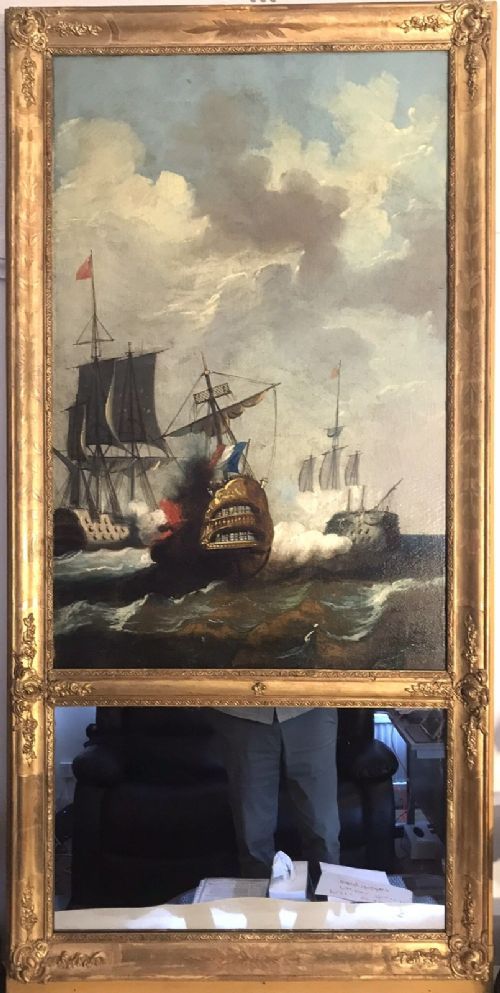
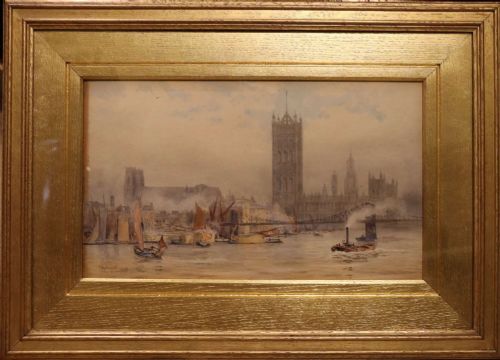
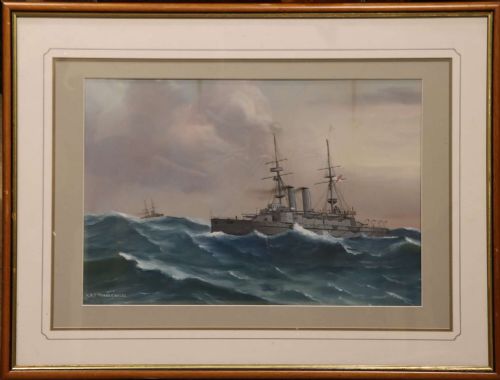
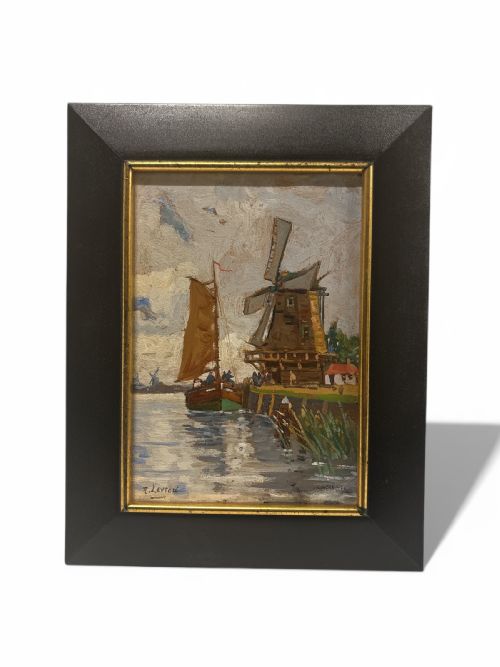
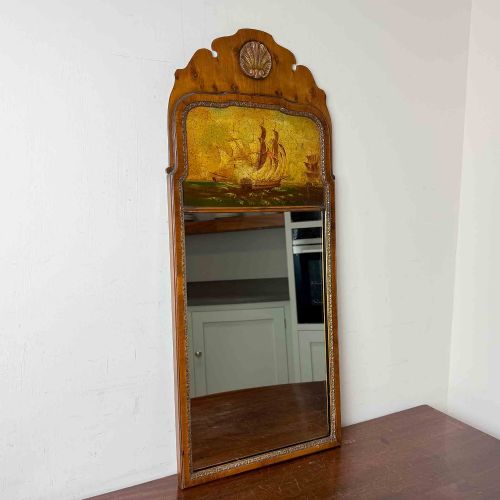
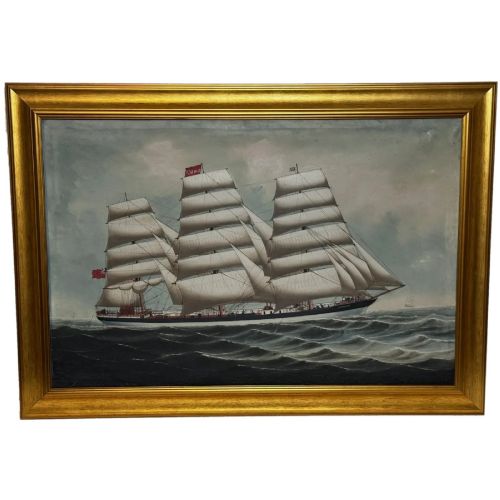
When you search for framed maritime painting, you encounter works capturing coastal views, harbour scenes, and open sea voyages. The selections span the nineteenth and twentieth centuries, reflecting changing attitudes towards naval subjects and leisure sailing.
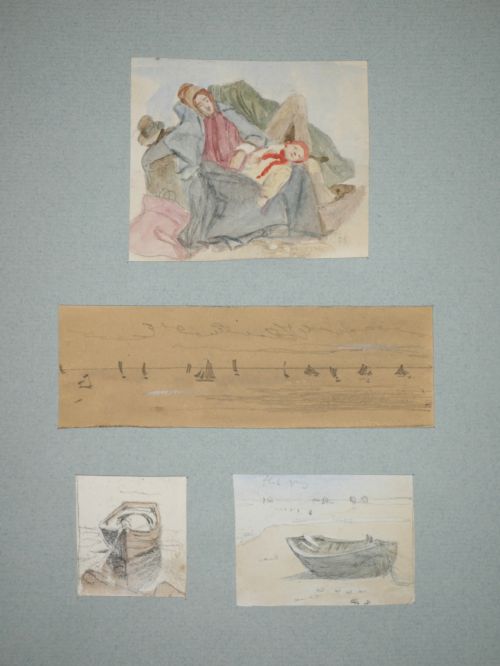
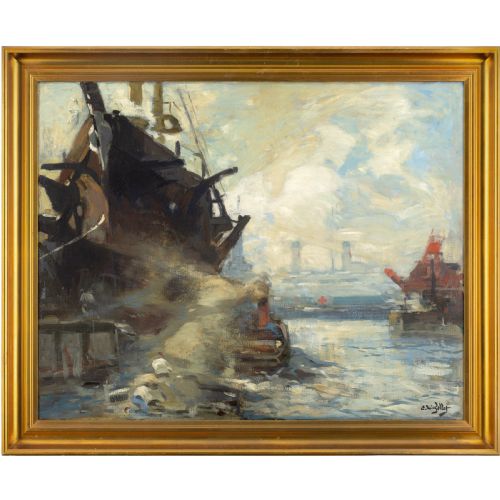
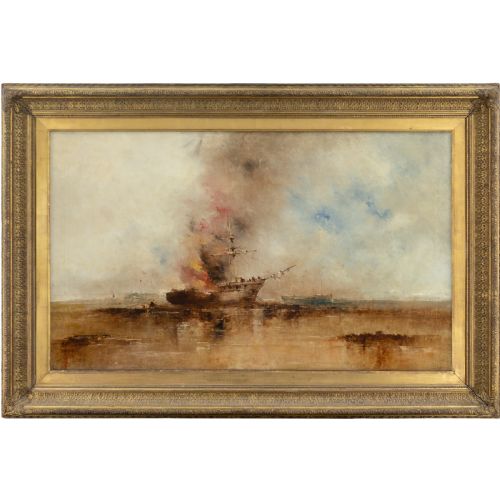
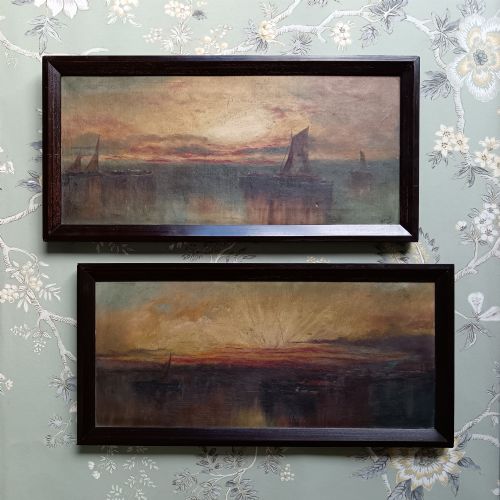
Oil on canvas and watercolour dominate the works on offer, alongside gouache and pastel studies. You will find pieces ranging from intimate coastal sketches to large oil paintings of warships and merchant vessels in various weather conditions.
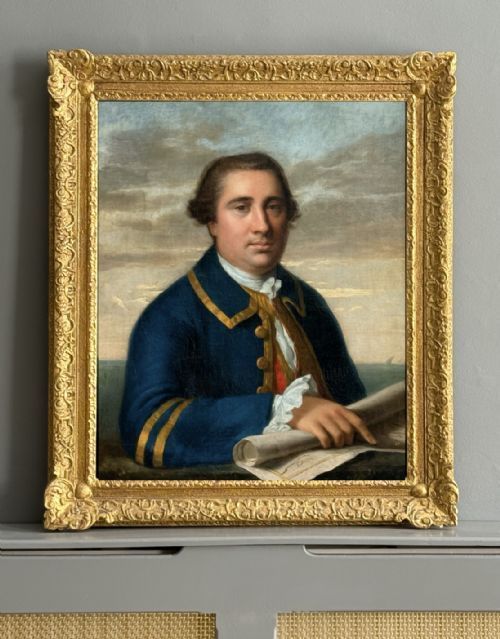
The objects include traditional British and European school paintings, often housed in period wood or gilt frames. These artworks document naval history, commercial shipping, and everyday coastal life across different eras.
How they were made
Artists painted primarily with oil on canvas or panel, or applied watercolour and gouache to paper and board. These materials allowed painters to capture the translucent quality of water and the heavy atmosphere of stormy skies.
The finished works were mounted behind glass for works on paper or left unglazed for oil paintings, then secured within wooden or gilt wood frames designed to complement the palette of the scene.
Listings feature works spanning the nineteenth and twentieth centuries, utilising oil paint, watercolour, gouache, and pastel on canvas, paper, and wood.
What varies in quality
Quality rests in the artist's ability to render light, movement, and atmospheric pressure convincingly across the water and sky. Stronger works display a confident handling of pigment that conveys the weight of ships and the force of gales.
The skill in composition and the preservation of the original surface condition also separate standard decorative examples from accomplished fine art pieces.
James Orrock·Eugène-Louis Gillot·William McAlpine·Reginald Arthur Borstel·Lemuel Francis Abbott·Charles Edward Dixon·Frank Watson Wood·Francis Moltino
The Framed Maritime Painting Glossary
- Gouache
- An opaque water-based medium that provides denser colour and sharper highlights than traditional watercolour. It was frequently used for detailed depictions of ships and harbour architecture.
- Seascape
- A work of art depicting the sea, coastal views, or marine vessels in motion. These subjects formed a major category of nineteenth-century painting.
- Gilt wood
- Wood coated with a thin layer of gold leaf or metallic gilt, commonly used for traditional picture frames. It adds warmth and reflects light around the artwork.
- Panel
- A rigid support made of wood used by painters instead of stretched canvas. Panels often survive from earlier periods and provide a stable surface for detailed brushwork.
Framed Maritime Painting: Frequently Asked Questions
How do I identify the period of a maritime painting?
Dating relies on the style of the vessel, the artist's signature, and the construction of the frame. Clothing styles of figures in the foreground also offer clues to the era.
Materials such as nineteenth-century canvas or twentieth-century board further help narrow down the date of creation.
What is the difference between an oil painting and a watercolour?
Oil paintings use pigment suspended in drying oil on canvas or panel, offering rich textures and deep tones. Watercolours use water-soluble pigments on paper, resulting in lighter, more luminous effects.
Watercolours require protective glass framing, whereas most oil paintings remain exposed to the air.
Where should I hang a maritime painting?
These works suit spaces with steady light away from direct sunlight to protect pigments from fading. Hanging them at eye level allows the details of the rigging and waves to be appreciated.
Rooms with neutral walls often help the deep blues and greens of marine scenes stand out.
Are all framed maritime paintings British?
The selection includes British works alongside continental European schools and international scenes. Artists travelled widely to paint foreign harbours and naval engagements.
Signatures and subject matter usually indicate the regional origin of the school.