
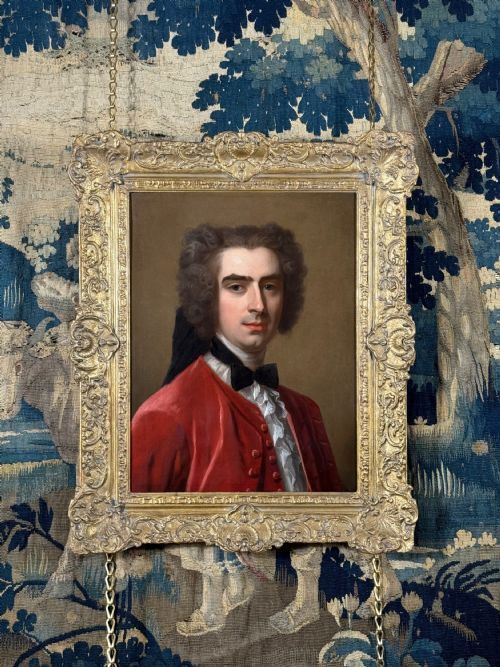
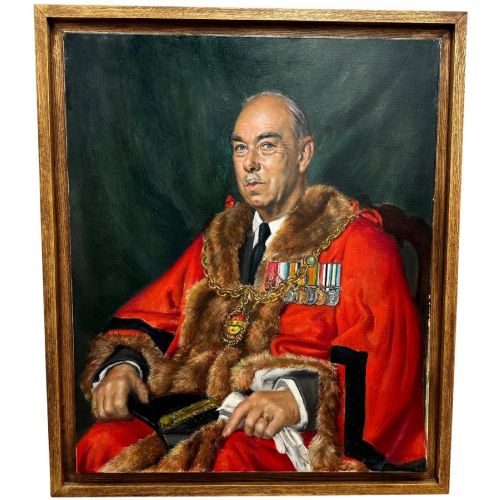
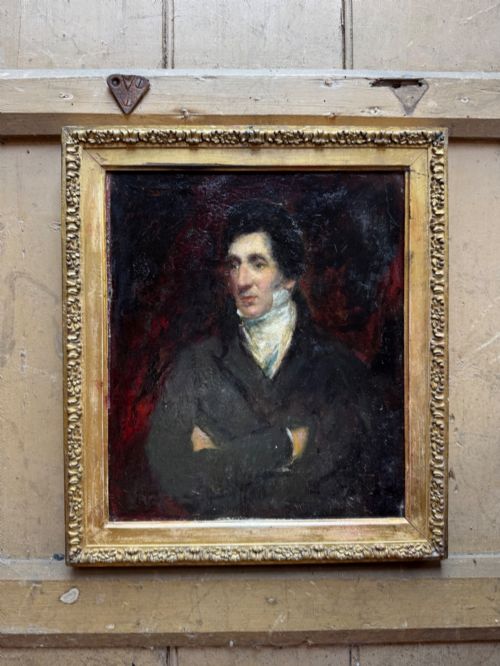
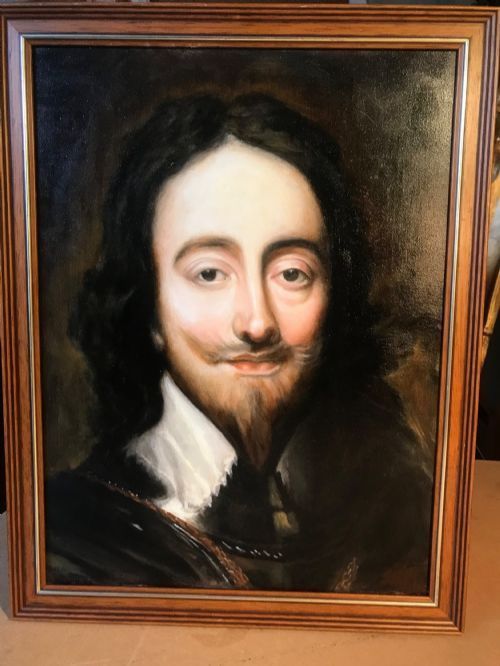
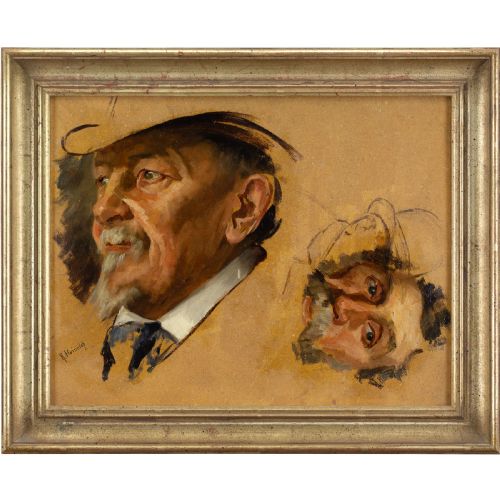
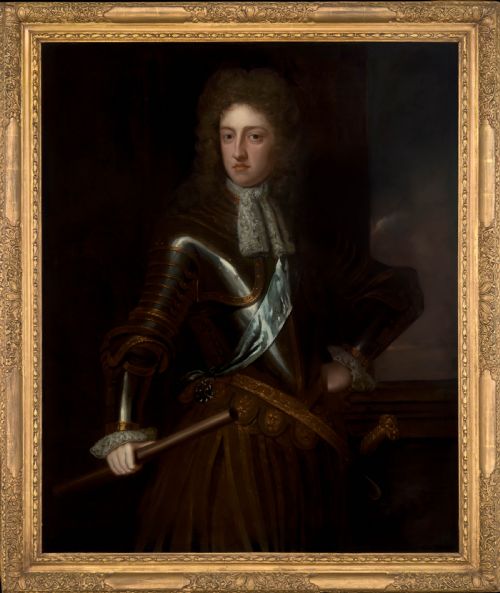
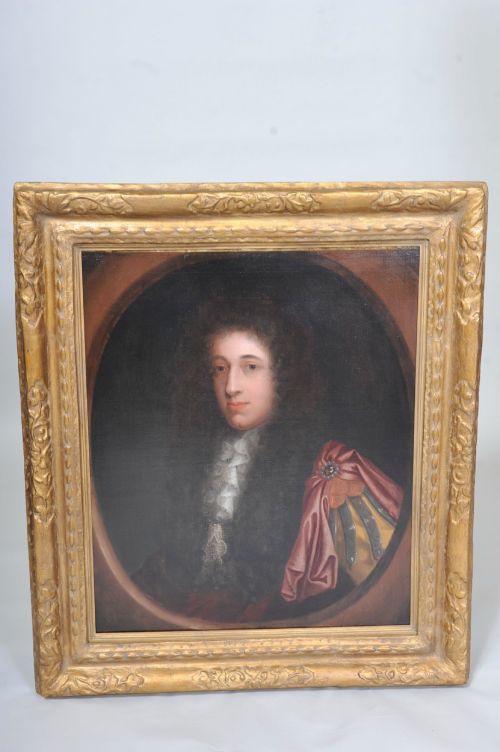
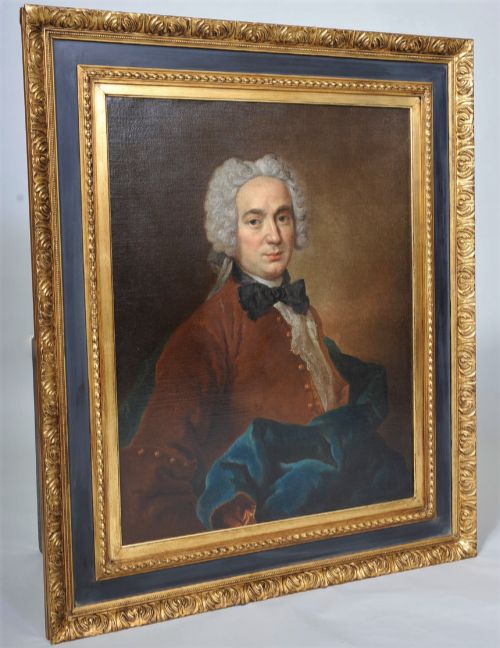
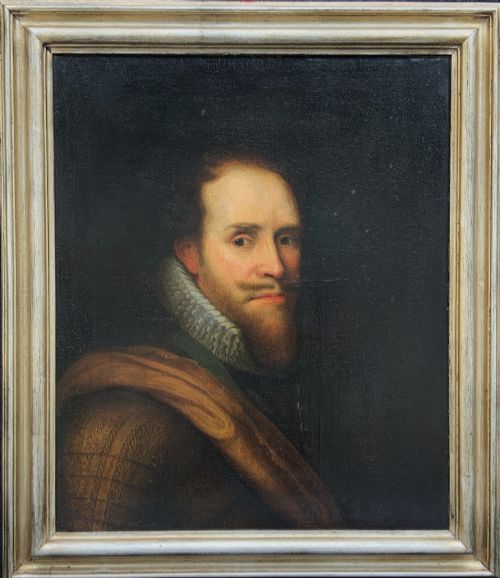
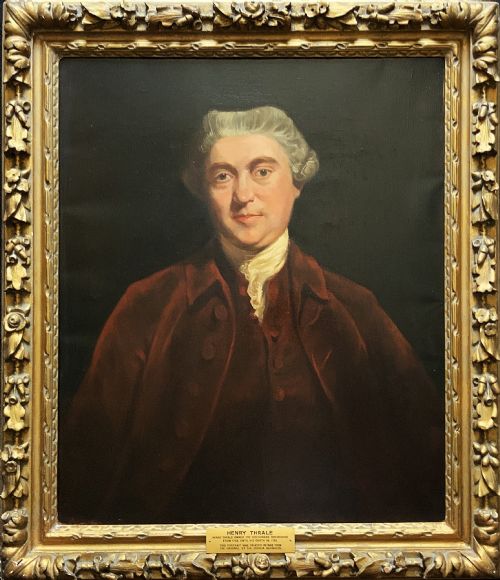
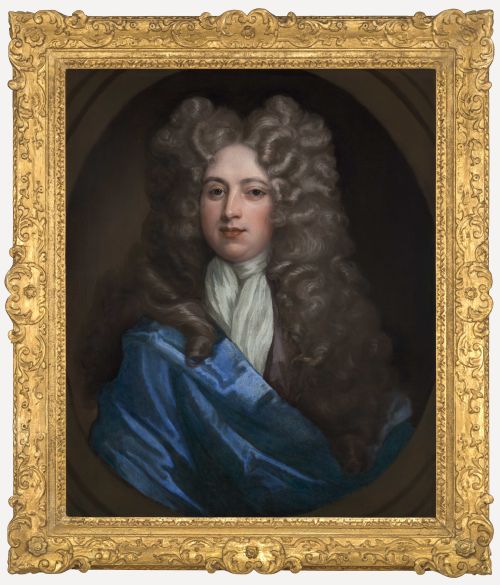
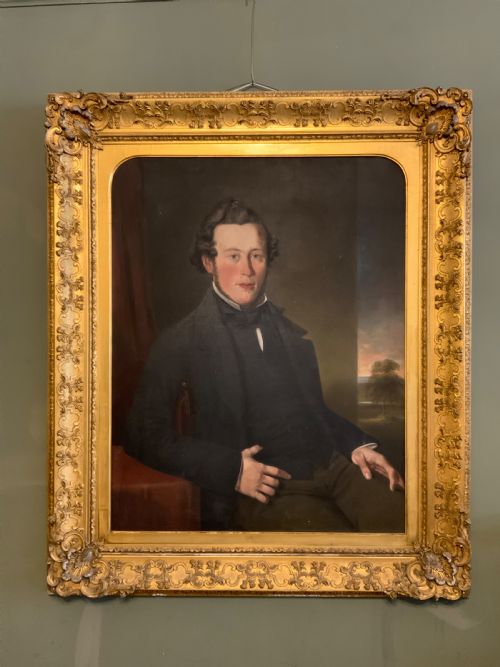
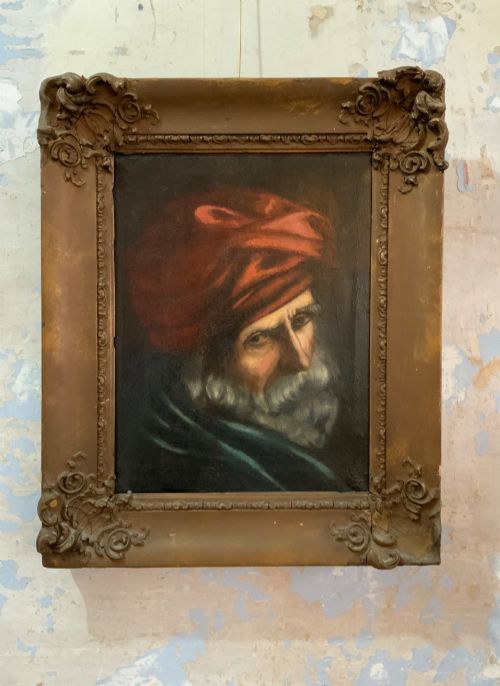
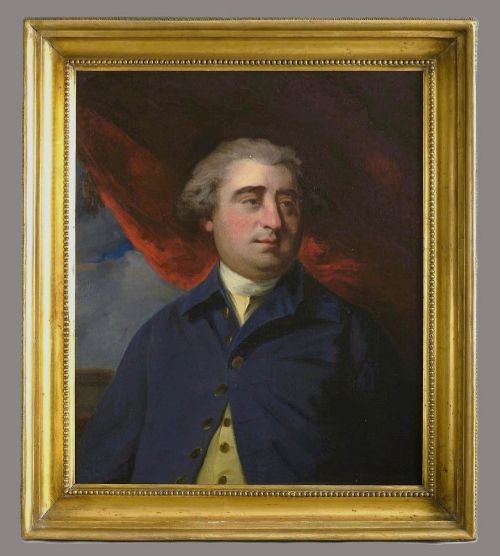
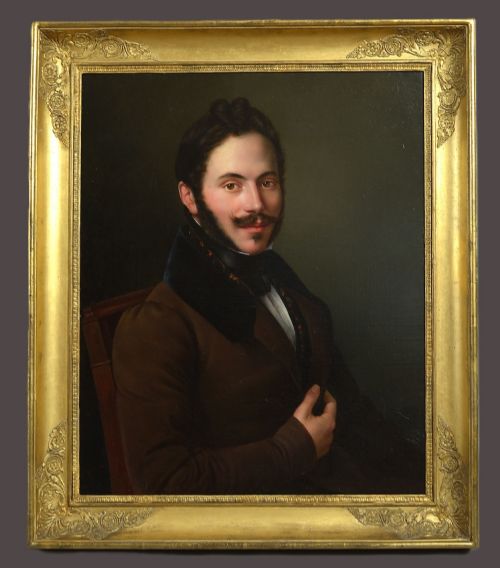
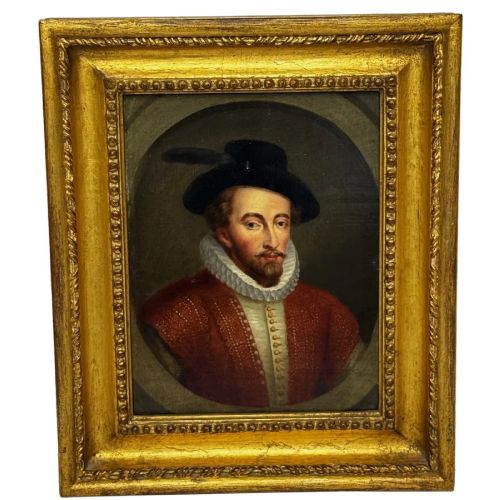
Framed Male Portrait Painting
A framed male portrait painting brings character and presence to a room, offering a window into past lives through oil, canvas, watercolour and wood.
What framed male portrait painting pieces are
When searching for a framed male portrait painting, a buyer looks at likenesses rendered across the nineteenth and twentieth centuries, capturing sitters from self-portraits to notable figures and gentlemen. These works span Regency, Georgian, nineteenth-century realism, Austrian realism, mid-century modernist and twentieth-century realism styles.
The versions most commonly met on this page include oil on canvas, oil on board, and watercolour works housed in wooden and giltwood frames. Subjects range from named individuals such as Sir Astley Cooper and Thomas Alva Edison to anonymous sitters and artists themselves.
The periods represented stretch from the Regency era through Victorian decades and Edwardian times into the nineteen-thirties and nineteen-fifties. Each piece reflects the aesthetic and portraiture conventions of its specific decade and origin.
How they were made
Artists applied oil paint or watercolour onto prepared canvas, paper or wood board supports using traditional brushwork techniques. Canvases were stretched across wooden frames while boards provided a rigid painting surface for finer detail.
Frames utilised wood, gold leaf, giltwood, and stucco to house and protect the painted surface. These materials combined structural timber mouldings with decorative gilded finishes typical of their period.
Retail Price Guide 2026
Typical UK retail prices for framed male portrait painting, calculated from the Sellingantiques database of over a million retail prices indexed since 2003. This retail price guide relies exclusively on Sellingantiques data; no external sources or auction records are used, so the figures do not describe the wider market.
Listings feature works spanning the Regency era through to nineteen-fifty, utilising oil paint, canvas, wood, gold leaf, and stucco.
What varies in quality
Quality separates through the precision of facial rendering and the psychological depth captured by the artist, distinguishing skilled realist portraiture from more formulaic studio output. The handling of light, shadow, and sitter expression dictates the visual impact of the work.
The integrity and preservation of the original materials also set pieces apart, from the stability of the canvas or board to the craftsmanship of the accompanying wood and giltwood frames.
The Framed Male Portrait Painting Glossary
- Oil on canvas
- Pigments bound in drying oil applied to a woven fabric support stretched over a wooden frame. This medium allowed artists to achieve rich colour depth and subtle tonal gradations.
- Giltwood
- Wood carved and coated with a thin layer of gold leaf or metallic powder. This material defined the ornate framing styles of many historical portraits.
- Watercolour
- Paint consisting of colour suspended in a water-soluble binder, traditionally applied to paper. It yielded lighter, more transparent portrait studies.
- Realism
- An artistic movement focused on depicting subjects truthfully without artificiality or idealized abstraction. It dominated much nineteenth- and twentieth-century portrait production.
- Stucco
- A durable display material used for decorative mouldings on picture frames. It provided a pliable surface for intricate ornamentation before guilding.
Frequently Asked Questions
How do I date a portrait painting?
Dating relies on clothing styles, facial hair, framing materials, and recorded signatures or dates on the reverse of the canvas or board.
Comparative analysis with documented works by known artists from periods like the Regency or mid-century also helps establish chronology.
Where should I hang a portrait?
Portraits suit principal reception rooms, studies, or hallways where lighting can highlight the canvas without direct sunlight fading the pigments.
Pairing the frame style with existing interior woodwork ensures the piece integrates naturally into the room.
Are all portraits painted on canvas?
No, while canvas is common, artists also utilised wood boards and paper supports depending on the scale and medium.
Watercolours typically appear on paper, whereas oil paintings frequently employ stretched canvas or rigid wooden panels.
What is the difference between oil and watercolour portraits?
Oil portraits use slow-drying pigments that allow for deep layering, rich textures, and reworkings over extended periods.
Watercolour portraits on paper offer a more immediate, transparent quality suited to smaller study pieces.